12V Vs 12.8 V Battery: Key Differences You Need to Know
Are you confused about the difference between a 12V and a 12.8V battery? You’re not alone.
Choosing the right battery can impact how well your device or vehicle performs and how long it lasts. Understanding these two options can save you money and frustration. You’ll discover the key differences, benefits, and what really matters when picking the best battery for your needs.
Keep reading, because knowing this could change the way you power your life.
Voltage Basics
Understanding voltage is key to choosing the right battery. Voltage tells how much power a battery can supply. It affects the battery’s performance and its use in different devices.
Batteries labeled as 12V or 12.8V may seem similar. Yet, the small difference impacts their function and efficiency. Let’s explore what these numbers mean.
What 12v Means
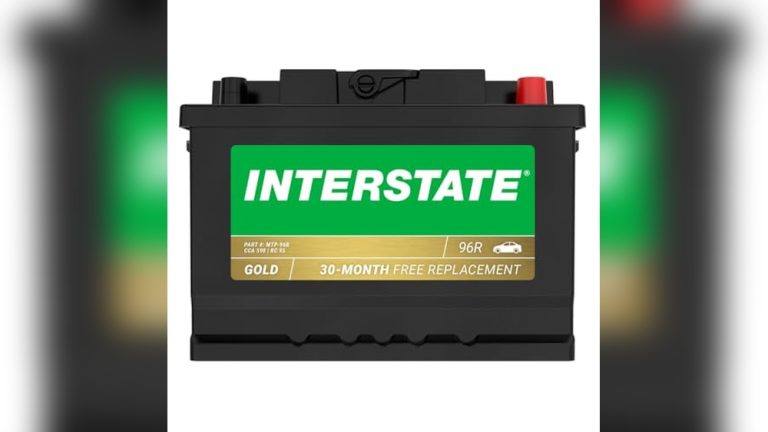
A 12V battery provides a nominal voltage of 12 volts. This is the average voltage during normal use. Many car batteries are rated at 12V.
They work well for starting engines and powering common electronics. The voltage can drop below 12 volts when the battery is in use. This is normal and expected.
These batteries are reliable and widely available. They suit many everyday applications.
What 12.8v Indicates
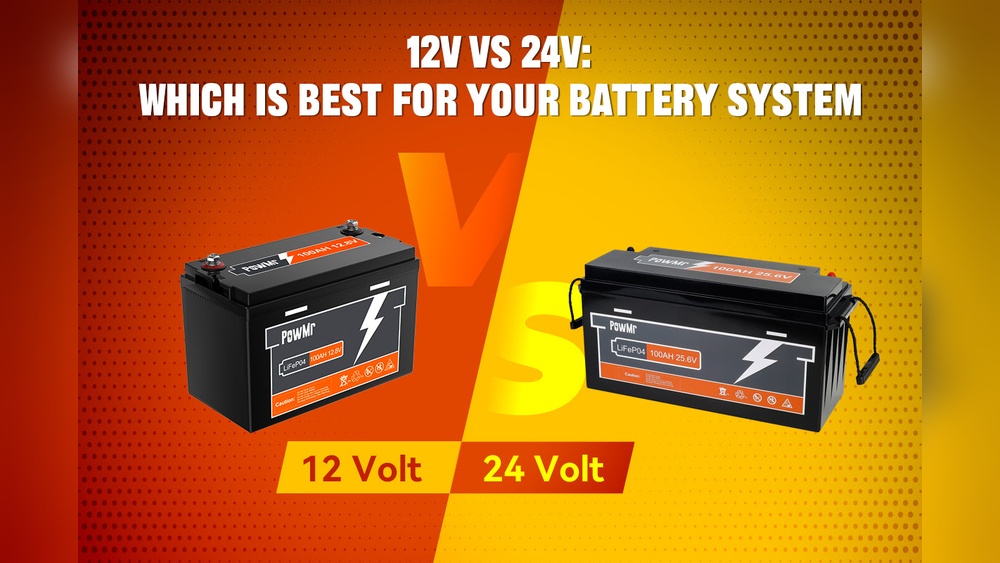
A 12.8V battery has a higher nominal voltage. This number often appears with lithium iron phosphate batteries. They deliver a steady voltage close to 12.8 volts.
This voltage stays more stable during use. It means the battery keeps devices running longer and more efficiently. These batteries have a longer life span too.
They offer better performance for deep cycling and energy storage. The 12.8V rating signals a modern, advanced battery type.

Credit: outbax.com.au
Battery Chemistry
Battery chemistry defines how a battery stores and delivers power. It affects voltage, lifespan, and safety. Understanding the chemistry helps choose the right battery for your needs. The 12V and 12.8V batteries use different chemistries. These differences impact performance and use cases.
Lead-acid Batteries
Lead-acid batteries are common and affordable. They provide a standard 12V output. These batteries use lead plates and sulfuric acid. They are heavy and require regular maintenance. Lead-acid batteries work well for cars and backup power. Their voltage can drop under heavy load. They have a shorter lifespan compared to newer types.
Lithium Iron Phosphate Batteries
Lithium iron phosphate (LiFePO4) batteries offer a stable 12.8V output. They use lithium and iron phosphate in their cells. These batteries are lighter and safer than lead-acid types. LiFePO4 batteries last longer and handle deep discharges better. They charge faster and need less maintenance. They suit solar systems, RVs, and electric vehicles. The higher voltage improves efficiency and power delivery.
Performance Differences
Performance differences between 12V and 12.8V batteries affect how they work in devices. These differences impact how long the battery lasts and how well it delivers power. Understanding these factors helps choose the best battery for your needs.
Capacity And Efficiency
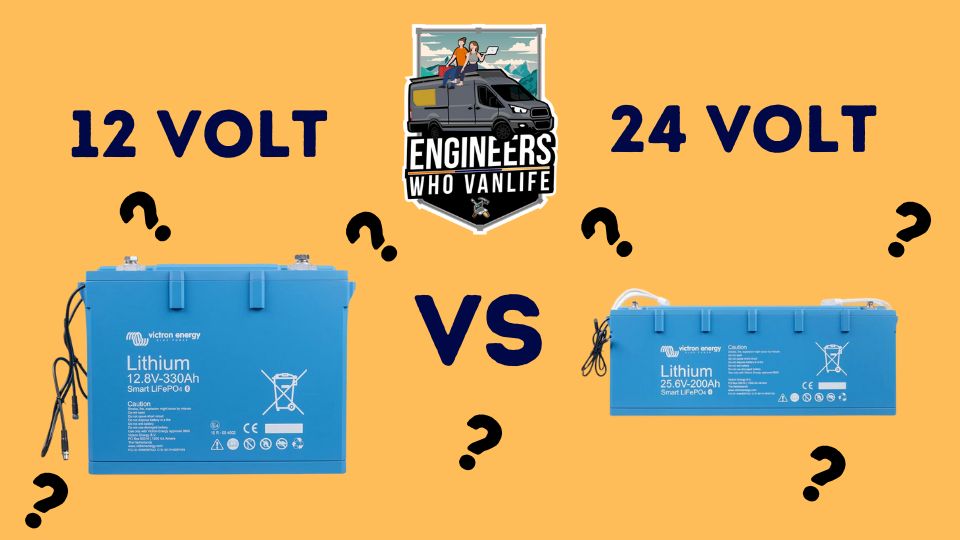
12.8V batteries often have higher capacity than 12V ones. This means they store more energy for longer use. They also maintain voltage better as they discharge. This improves overall efficiency and device performance. 12V batteries may lose voltage faster during use. This can reduce the time your device runs before recharging.
Discharge Rates
Discharge rates show how quickly a battery loses power. 12.8V batteries handle higher discharge rates without damage. This suits devices needing strong, steady power. 12V batteries may struggle with high discharge rates. They can overheat or degrade faster under heavy load. Choosing the right battery depends on your device’s power needs.
Credit: engineerswhovanlife.com
Lifespan And Durability
Lifespan and durability are key factors in choosing between 12V and 12.8V batteries. These qualities affect how long the battery lasts and how well it handles use over time. A battery with a longer lifespan saves money and hassle. Durability means the battery can resist damage and keep working in tough conditions.
Cycle Life Comparison
Cycle life measures how many times a battery can charge and discharge fully. A 12.8V battery typically offers more cycles than a 12V battery. This means the 12.8V battery lasts longer before its capacity drops. The 12V battery usually has fewer cycles and wears out faster. Choosing a battery with a higher cycle life reduces replacement costs.
Environmental Resistance
Environmental resistance shows how well a battery works under harsh conditions. The 12.8V battery often has better resistance to temperature changes. It also handles vibrations and shocks better than the 12V battery. The 12V battery may fail sooner in extreme heat or cold. A durable battery keeps performance steady in many environments.
Charging Characteristics
Understanding the charging characteristics of 12V and 12.8V batteries helps in choosing the right battery for your needs. Charging behavior affects battery life and efficiency. Both voltage types have unique features during charging that influence their performance.
Charging Time
12V batteries usually take less time to charge fully. Their chemistry allows faster acceptance of current. 12.8V batteries charge a bit slower but maintain charge longer. They have a stable voltage that prevents quick power loss. This means fewer charging cycles over time. Choosing a battery with the right charging time depends on your usage pattern.
Charger Compatibility
Not all chargers work well with both battery types. 12V chargers often do not support 12.8V batteries properly. Using the wrong charger can reduce battery life. 12.8V batteries need chargers designed for their specific voltage. Always check charger specifications before use. Proper matching ensures safe charging and better battery health.
Cost Implications
Choosing between a 12V and a 12.8V battery involves understanding cost implications. The price difference affects your budget and long-term satisfaction. Knowing these costs helps pick the right battery for your needs.
Initial Investment
12V batteries usually cost less upfront. They are widely available and use older technology. 12.8V batteries tend to be more expensive at purchase. Their advanced design and materials raise the price. This initial cost can be a deciding factor for many buyers.
Long-term Value
12.8V batteries last longer and have better performance. They provide more stable voltage over time. This reduces the need for frequent replacements. 12V batteries may need replacement sooner. Over time, the higher price of 12.8V batteries can save money. It is a smart choice for long-term use and reliability.
Applications
Batteries power many devices and systems every day. Choosing the right battery voltage is key. The choice between 12V and 12.8V batteries depends on the device and its needs. Each type suits different applications. Understanding these uses helps pick the best battery.
Suitable Uses For 12v Batteries
12V batteries fit most common devices. Cars, motorcycles, and small boats often use them. They supply enough power for starters and lights. These batteries work well in simple solar setups. They also power household alarms and backup systems. Their wide availability makes them easy to replace.
Ideal Scenarios For 12.8v Batteries
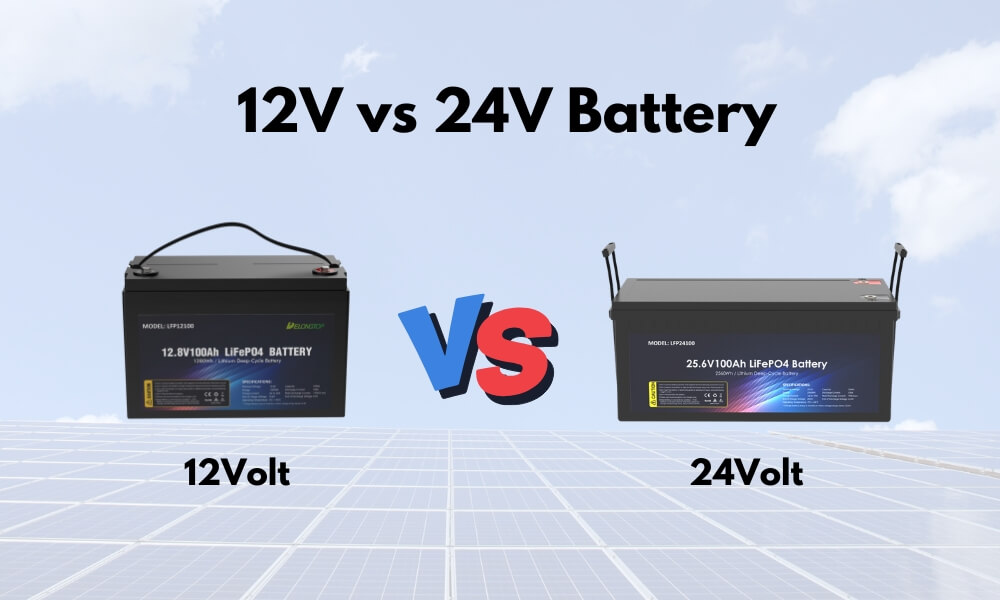
12.8V batteries suit advanced and heavy-duty needs. They excel in deep cycle use, like RVs and campers. Solar energy systems benefit from their stable voltage. They power electric wheelchairs and medical devices reliably. Their longer lifespan suits critical applications. These batteries handle frequent charging and discharging better.
Credit: www.delongtop.com
Safety Considerations
Safety is a key factor when choosing between a 12V and 12.8V battery. Both types require careful handling to avoid accidents. Understanding the safety aspects helps protect users and equipment.
Handling And Maintenance
Always handle batteries with clean, dry hands. Avoid touching terminals directly to prevent shocks. Store batteries in a cool, dry place away from metal objects. Check regularly for any signs of damage or leaks. Clean terminals using a soft cloth and a little baking soda if corrosion appears. Follow manufacturer guidelines for charging to prevent overcharging or deep discharging. Use compatible chargers designed for each battery type to ensure safety.
Potential Risks
Batteries can cause fires if damaged or improperly used. Overcharging may lead to overheating and swelling. Short circuits pose risks of sparks and burns. Acid leaks from batteries can cause skin irritation or damage. Incorrect disposal of batteries harms the environment and may cause fires. Use protective gear like gloves and goggles when working with batteries. Keep batteries away from children and pets to avoid accidents.
Frequently Asked Questions
What Is The Main Difference Between 12v And 12.8v Batteries?
The main difference is voltage output. A 12V battery delivers nominal 12 volts, while a 12. 8V battery offers slightly higher voltage, improving efficiency and power delivery.
Are 12.8v Batteries Better Than 12v Batteries?
Yes, 12. 8V batteries generally perform better. They provide higher voltage, longer life, and improved energy efficiency compared to standard 12V batteries.
Can I Replace A 12v Battery With A 12.8v One?
Often, yes. Most devices compatible with 12V batteries can use 12. 8V batteries, but check device specs to avoid voltage-related issues.
Why Choose A 12.8v Lithium Battery Over 12v Lead-acid?
12. 8V lithium batteries are lighter, last longer, and charge faster than 12V lead-acid batteries, offering better performance and durability.
Conclusion
Choosing between a 12V and a 12. 8V battery depends on your needs. A 12. 8V battery offers better performance and longer life. It suits devices that need steady power. The 12V battery works well for basic uses. Think about your device’s power demands and budget.
Both have their place in everyday use. Understanding their differences helps you pick the right one. Choose wisely for reliable and efficient power. Simple decisions lead to better battery performance.