12V Vs 24V Battery: Which One Powers Your Needs Better?
Are you confused about whether to choose a 12V or 24V battery for your needs? You’re not alone.
Picking the right battery can make a big difference in how well your device or vehicle performs. This isn’t just about numbers—it’s about power, efficiency, and getting the most out of your investment. By the end of this article, you’ll clearly understand which option fits your situation perfectly.
Keep reading to find out how to make the best choice for your setup.

Credit: gatehousesecurity.com.au
Basics Of 12v And 24v Batteries
Batteries power many devices and systems in daily life. Two common types are 12V and 24V batteries. Each type has different uses and features. Understanding the basics helps choose the right battery for your needs.
Voltage Differences
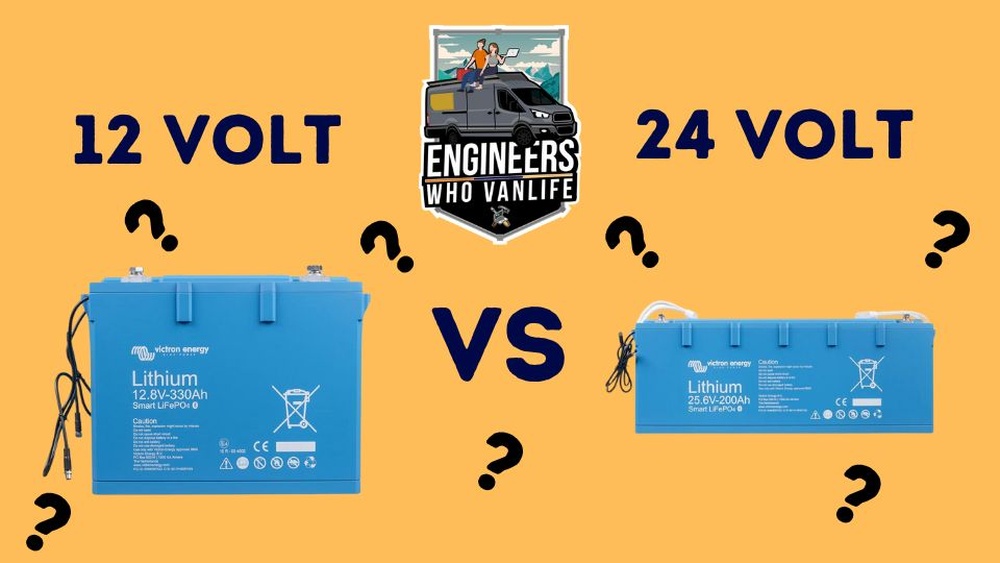
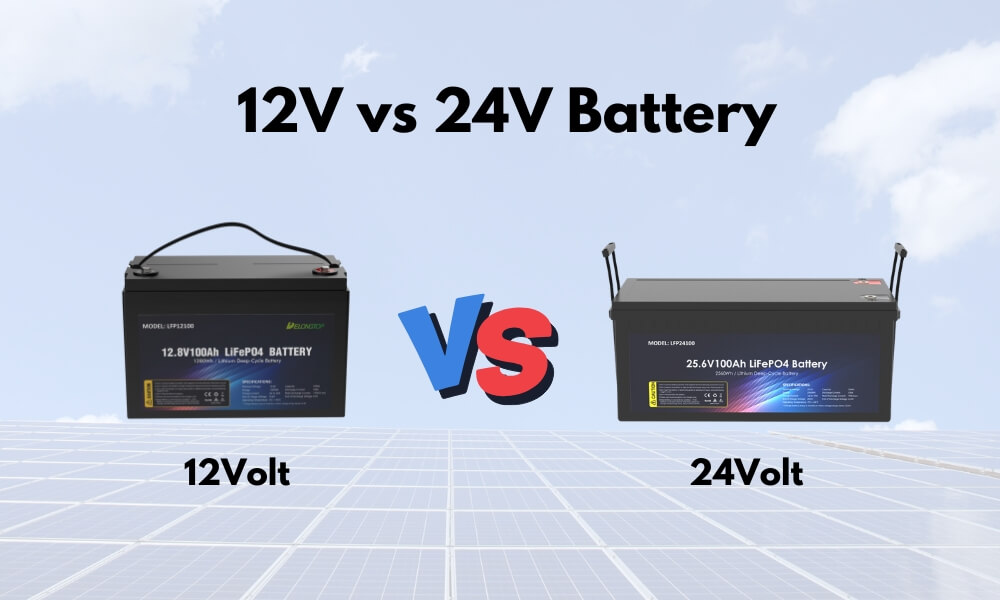
12V batteries produce 12 volts of power. 24V batteries produce twice that, 24 volts. Voltage shows how much electrical force the battery provides. Higher voltage means more power for larger devices. Lower voltage suits smaller, simpler tools. Voltage affects how devices run and how batteries connect.
Common Applications
12V batteries are popular in cars, small boats, and RVs. They work well for lights, radios, and small motors. 24V batteries fit larger vehicles and heavy equipment. They power big trucks, solar systems, and industrial machines. Choosing the right battery depends on the power needs of the device or system.
Performance Comparison
Comparing the performance of 12V and 24V batteries helps choose the right one. Understanding their power, efficiency, and life guides better decisions. This section breaks down these key areas clearly.
Power Output
24V batteries deliver higher power than 12V batteries. They can handle larger loads easily and run devices faster. In contrast, 12V batteries suit smaller devices and light tasks. The higher voltage in 24V means more energy flow. This makes them ideal for heavy-duty equipment.
Efficiency
24V systems often use less current for the same power. Lower current means less energy lost as heat. This improves overall efficiency and saves battery life. 12V batteries may waste more energy at higher loads. Efficiency gains in 24V systems benefit longer usage and better performance.
Battery Life
24V batteries tend to last longer under heavy use. They handle stress better with less strain on each cell. 12V batteries may wear out faster when powering demanding devices. Proper maintenance affects battery life for both types. Still, 24V units generally offer a longer lifespan in tough conditions.
Cost And Maintenance
Cost and maintenance are key factors in choosing between 12V and 24V batteries. Understanding these helps you save money and avoid problems. Both types have different expenses and care needs. This section breaks down the initial costs and upkeep for each battery type.
Initial Investment
12V batteries usually cost less upfront. They are common and easier to find. This makes replacement cheaper and faster. 24V batteries tend to be pricier. Their higher voltage suits larger or specialized systems. The extra cost reflects the power and size.
Upkeep And Longevity
Maintenance for 12V batteries is simple. Regular checks of water levels and terminals keep them healthy. They may need more frequent charging cycles. 24V batteries require careful monitoring to balance the cells. Proper care can extend their life significantly. Both types benefit from clean, dry storage and avoiding deep discharge.
Credit: www.delongtop.com
Safety Considerations
Safety is a key factor when choosing between a 12V and 24V battery. Both types hold power that can be dangerous without careful handling. Understanding safety helps prevent accidents and damage. This section covers the main safety points to keep in mind.
Handling Risks
Batteries contain chemicals that can cause burns or fires. Avoid touching battery acid or leaking parts. Always wear gloves and eye protection when handling batteries. Keep batteries away from sparks and open flames. High voltage batteries like 24V pose a greater shock risk. Treat both types with respect and caution to stay safe.
Installation Precautions
Install batteries in well-ventilated areas to avoid gas buildup. Secure batteries firmly to prevent movement or damage. Double-check polarity before connecting cables to avoid short circuits. Use insulated tools to reduce shock risks. Follow manufacturer guidelines for wiring and connections. Regularly inspect batteries for corrosion or damage to maintain safety.
Choosing The Right Battery
Choosing the right battery between 12V and 24V depends on several key factors. Each battery type suits different needs and settings. Picking the right one helps avoid problems and saves money. Consider your device and power needs carefully before deciding.
Application Needs
Think about what you want to power. Small devices often work well with 12V batteries. Larger equipment may need 24V for better performance. Check the power requirements of your tools or appliances. Match the battery voltage to these needs for smooth operation.
Space And Weight Constraints
Space can limit your battery choice. 12V batteries are usually smaller and lighter. They fit well in tight spots and portable devices. 24V batteries tend to be bigger and heavier. If space and weight matter, choose the battery that fits best.
Future Expansion
Plan for possible growth in power needs. 24V systems often support larger setups and upgrades. They handle more devices without extra batteries. 12V systems may need more batteries to expand. Think ahead to avoid replacing batteries soon.

Credit: faroutride.com
Frequently Asked Questions
What Are The Main Differences Between 12v And 24v Batteries?
12V batteries provide lower voltage, ideal for smaller applications. 24V batteries offer higher voltage, suited for heavy-duty uses. The difference affects power output, efficiency, and compatibility with devices.
Which Battery Is Better For Automotive Use, 12v Or 24v?
12V batteries are standard in most cars for starting and accessories. 24V batteries are common in trucks and larger vehicles needing more power.
How Does Voltage Affect Battery Performance And Lifespan?
Higher voltage batteries like 24V deliver more power, reducing current flow and heat. This can improve efficiency and lifespan compared to 12V batteries under similar loads.
Can 12v And 24v Batteries Be Used Interchangeably?
No, 12V and 24V batteries are not interchangeable without proper system adjustments. Using the wrong voltage can damage equipment and reduce battery life.
Conclusion
Choosing between 12V and 24V batteries depends on your power needs. A 12V battery suits smaller devices and simple setups. A 24V battery fits larger systems and higher power demands. Think about what you want to run and how long it should last.
Both types have pros and cons to consider. Understanding these helps you pick the right battery for your project. Simple, clear choices lead to better results and longer battery life.