12V Vs 24V Car Battery: Which One Powers Your Ride Better?
When it comes to choosing the right battery for your car, you might have come across the terms 12V and 24V. But what do these numbers really mean for your vehicle?
And how do you know which one suits your needs best? Understanding the difference between a 12V and a 24V car battery can save you from costly mistakes and keep your car running smoothly. You’ll discover the key differences, advantages, and what to consider before making your choice.
Keep reading to make an informed decision that powers your car the right way.
Basics Of 12v And 24v Batteries
Understanding the basics of 12V and 24V car batteries helps in choosing the right battery. Both batteries power vehicles but differ in voltage and application. Knowing these differences can improve vehicle performance and safety.
Voltage Differences
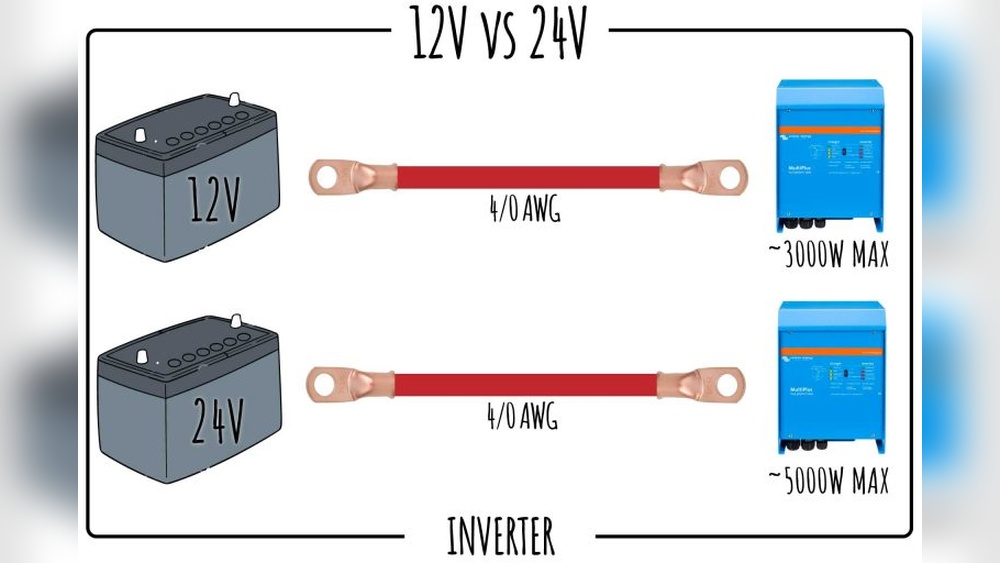
12V batteries provide 12 volts of electrical power. They are common in most cars and small vehicles. 24V batteries deliver 24 volts, twice the power of 12V batteries. This higher voltage is useful for larger vehicles needing more energy.
Common Uses In Vehicles
12V batteries power standard cars, motorcycles, and small trucks. They run lights, radios, and starter motors effectively. 24V batteries are used in heavy trucks, buses, and military vehicles. These need more power for bigger engines and extra equipment.
Performance Comparison
Comparing the performance of 12V and 24V car batteries helps choose the right one. Each battery type has strengths that affect your car’s operation. Understanding these differences can improve your vehicle’s reliability and efficiency.
Power Output
12V batteries provide enough power for most standard cars. They deliver steady and reliable energy for everyday driving. 24V batteries offer higher power, ideal for heavy vehicles or trucks. This higher voltage helps run larger electrical systems smoothly.
Starting Efficiency
12V batteries start most cars quickly in normal weather. They work well with common starters and engines. 24V batteries give stronger starting power, especially in cold conditions. This makes them useful for larger engines needing more energy to start.
Energy Storage Capacity
12V batteries store sufficient energy for regular car use. They balance size and capacity for daily needs. 24V batteries hold more energy, lasting longer during heavy use. This capacity supports vehicles with many electrical accessories or long trips.
Impact On Vehicle Systems
The choice between a 12V and 24V car battery affects many vehicle systems. The voltage impacts how electrical parts work and how the vehicle charges. Understanding this difference helps avoid problems and keeps your car running smoothly.
Vehicle systems must match the battery’s voltage. Using the wrong voltage can cause damage or poor performance. The power supply and charging setup must also fit the battery type.
Electrical Component Compatibility
Most cars use 12V batteries for their electrical parts. These parts include lights, radios, and sensors. If a 24V battery is used, it can damage these parts. Some heavy vehicles use 24V systems. Their parts are made to handle higher voltage. Mixing voltage levels leads to malfunctions or failures. Always check your vehicle’s system before changing batteries.
Charging System Requirements
A 12V battery requires a charging system designed for 12 volts. A 24V battery needs a different charger that provides 24 volts. Using the wrong charger can overcharge or undercharge the battery. This reduces battery life and can cause failures. Charging systems must match battery voltage for safety and efficiency.
Credit: www.eaa.org
Battery Size And Weight
Battery size and weight are important factors when choosing between 12V and 24V car batteries. These features affect the vehicle’s performance and handling. Smaller and lighter batteries are easier to install and carry. Larger and heavier batteries can store more power but add extra weight to the car.
Size Differences Between 12v And 24v Batteries
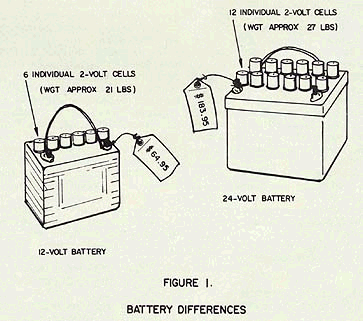
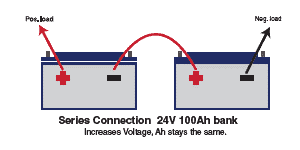
12V batteries are usually smaller in size. They fit most standard cars and take up less space under the hood. 24V batteries are larger because they combine two 12V batteries or have bigger cells. This size difference means 24V batteries need more room in the vehicle.
Weight Comparison Of 12v And 24v Batteries
12V batteries weigh less, making the car lighter overall. Lighter cars use less fuel and are easier to drive. 24V batteries weigh more due to extra cells or combined units. The added weight can affect fuel efficiency and vehicle balance.
Safety Considerations
Choosing between 12V and 24V car batteries affects safety. Higher voltage means greater risk of electric shock. Proper handling and installation prevent accidents and damage.
Understanding Voltage Risks
Car batteries store electrical energy that powers your vehicle. The 12V and 24V batteries differ in voltage levels. Higher voltage means more power but also more risk. A 24V battery can cause stronger electric shocks. Handle both types carefully to avoid injury. Always wear gloves and eye protection when working with batteries.
Proper Handling And Installation
Install batteries with the right tools and safety gear. Make sure connections are secure to prevent sparks. Avoid touching battery terminals together. Sparks can cause explosions or fires. Keep batteries upright and stable during installation. Follow manufacturer instructions strictly for safety.
Safe Charging Practices
Use chargers made for your battery voltage. Charging a 24V battery with a 12V charger can damage it. Overcharging causes overheating and can lead to fires. Charge batteries in well-ventilated areas. Never leave charging batteries unattended. Monitor the charging process closely for safety.
Disposal And Recycling Safety
Old batteries contain harmful chemicals. Do not throw them in regular trash. Take old batteries to recycling centers. Proper disposal prevents environmental harm. Wear gloves when handling used batteries to avoid chemical burns. Follow local laws for battery disposal.
Cost And Maintenance
Cost and maintenance play a big role in choosing between a 12V and 24V car battery. These factors affect your wallet and the battery’s long-term performance. Knowing the differences helps you pick the right battery for your needs.
Initial Investment
12V batteries usually cost less than 24V batteries. They are common and easier to produce. 24V batteries need more materials and parts, making them pricier. The extra cost may suit bigger vehicles or special uses.
Lifespan And Durability
12V batteries last long if well cared for. They handle daily car use well. 24V batteries often have a longer lifespan due to stronger build. They resist wear better in heavy-duty conditions. Proper maintenance extends life for both types.
Choosing The Right Battery For Your Ride
Choosing the right battery for your vehicle is important. The battery affects your car’s performance and reliability. Picking between a 12V or 24V battery depends on several factors. Consider what type of vehicle you drive and how you use it. Also, think about the environment where you live and drive.
Vehicle Type And Usage
Small cars and most sedans usually need a 12V battery. These batteries provide enough power for daily driving and simple electrical systems. Larger vehicles like trucks and SUVs may require a 24V battery. These batteries support bigger engines and more electrical components. Think about your vehicle’s size and power needs. Also, how often you drive matters. Frequent long trips may need a stronger battery. Short city drives might work fine with a 12V battery.
Environmental Factors
Temperature affects battery performance. Cold weather can reduce a battery’s power. In cold areas, a 24V battery may offer better starting power. Hot climates can also affect battery life. High heat can cause a battery to wear out faster. Check the climate where you live. Choose a battery type that handles those conditions well. Humidity and road conditions also play a role. Rough roads may require a more durable battery.

Credit: www.redwaypower.com
Credit: battlebornbatteries.com
Frequently Asked Questions
What Is The Difference Between 12v And 24v Car Batteries?
12V batteries power most standard cars, while 24V batteries are used in heavy-duty vehicles. The voltage affects power output, size, and compatibility with the vehicle’s electrical system.
Which Battery Is Better For Car Performance, 12v Or 24v?
24V batteries provide higher power and better efficiency for large vehicles. However, 12V batteries are sufficient and more common for regular cars, offering reliable performance.
Can A 12v Battery Replace A 24v Battery In Cars?
No, a 12V battery cannot replace a 24V battery directly. The vehicle’s electrical system is designed for a specific voltage and requires the correct battery type.
Are 24v Batteries More Expensive Than 12v Batteries?
Yes, 24V batteries generally cost more due to higher power capacity and specialized applications. Their price reflects enhanced performance for larger vehicles and equipment.
Conclusion
Choosing between a 12V and 24V car battery depends on your vehicle needs. Smaller cars often use 12V batteries for basic power. Larger vehicles, like trucks, need 24V for stronger performance. Both have pros and cons in size, power, and cost.
Think about your car’s engine and electrical demands. Pick the battery that fits your driving style and budget. Proper maintenance helps any battery last longer. Understanding these differences ensures you make a smart, safe choice for your car’s power. Simple and clear.