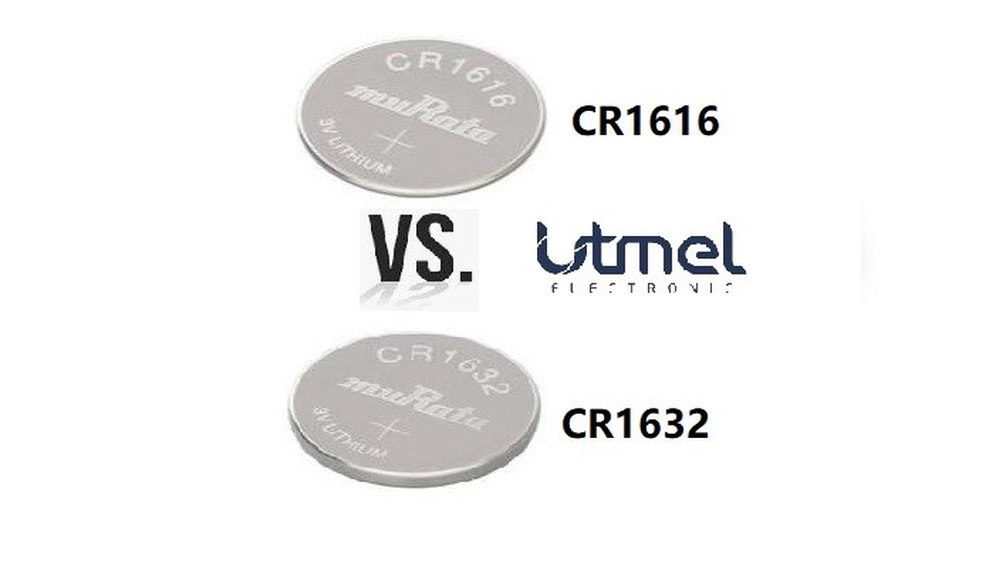
1616 Vs 1632 Battery: Key Differences You Need to Know
Are you confused about choosing between the 1616 and 1632 batteries? You’re not alone.
These tiny power sources look similar but have key differences that can affect how your devices work. Picking the wrong one might drain your gadget faster or even cause damage. You’ll discover exactly what sets these batteries apart and how to choose the right one for your needs.
Keep reading to make sure your devices get the power they deserve.
Battery Size Comparison
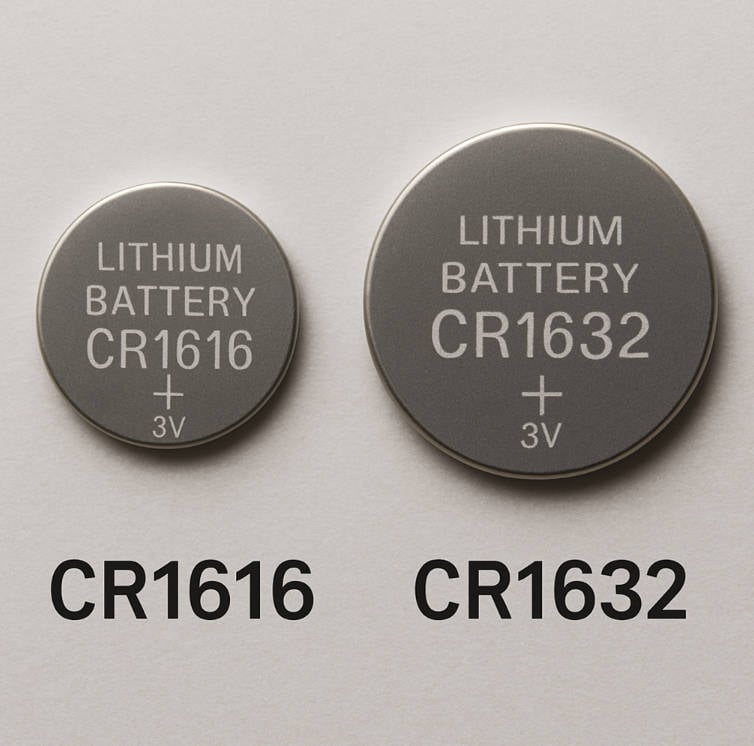
Comparing the size of 1616 and 1632 batteries helps choose the right fit for devices. Size affects how batteries fit and perform. Understanding these differences avoids device damage and poor performance.
Physical Dimensions
The 1616 battery measures 16mm in diameter and 1.6mm in thickness. The 1632 battery is 16mm wide but thicker at 3.2mm. The extra thickness in 1632 means it holds more power. Devices needing longer battery life often use 1632 cells.
Weight Differences
The 1616 battery weighs less because it is thinner. The 1632 battery weighs almost twice as much. Weight affects portable devices where every gram counts. Choose based on whether weight or battery life matters more.
Credit: www.bettlink.com
Voltage And Capacity
Voltage and capacity are key factors in choosing the right battery. These two aspects affect how well and how long a battery powers a device. Understanding these basics helps in making the best choice between the 1616 and 1632 batteries.
Voltage Ratings
Both 1616 and 1632 batteries typically have a voltage rating of 3 volts. This voltage is standard for small coin cell batteries used in many devices. The consistent voltage ensures stable power output. Devices designed for these batteries expect this voltage level. Using a battery with different voltage can harm the device or reduce performance.
Battery Life And Capacity
The main difference lies in battery capacity. Capacity is measured in milliamp hours (mAh). The 1632 battery usually offers about 125 mAh. The 1616 battery provides around 50 to 55 mAh. Higher capacity means longer battery life. Devices needing longer use benefit from the 1632 battery. Smaller capacity batteries like 1616 are better for low-power or short-term use. Knowing this helps select the right battery for your device’s needs.
Chemistry And Composition
The chemistry and composition of 1616 and 1632 batteries are key to their function. These tiny power sources have distinct materials inside. These materials affect how the batteries perform and last.
Understanding the differences in their chemistry helps choose the right battery. Each battery type uses specific chemical elements to create electrical energy. This affects voltage, capacity, and stability.
Material Differences
1616 batteries often use silver oxide or alkaline chemistry. Silver oxide offers stable voltage and good capacity. Alkaline types are cheaper but may have lower voltage.
1632 batteries usually use lithium chemistry. Lithium cells provide higher energy density. They hold power longer and work well in cold temperatures.
The casing materials can also differ. 1616 batteries typically have metal casings. 1632 batteries often use stainless steel for durability.
Impact On Performance
The chemical makeup directly impacts battery life. 1616 batteries may drain faster under high power use. 1632 batteries deliver longer run times in devices.
Lithium chemistry in 1632 allows better performance in extreme temperatures. Silver oxide batteries give steady voltage but shorter life.
Choosing the right battery depends on device needs. Chemistry defines how well a battery fits a particular use.
Compatibility And Usage
Understanding the compatibility and usage of 1616 and 1632 batteries is important. These batteries look similar but serve different purposes. Choosing the right battery helps devices work better and last longer.
Common Devices
The 1616 battery powers small devices like watches and key fobs. It fits well in gadgets that need low power. The 1632 battery is common in car remotes and calculators. It offers more power and lasts longer than the 1616. Both batteries are popular but used in different types of devices.
Replacement Guidelines
Always check the device manual before replacing a battery. Using the wrong size can damage the device or cause it to stop working. The 1632 battery is thicker and may not fit in a 1616 slot. Replace batteries with the exact type recommended for your device. Proper replacement ensures safety and good device performance.
Price And Availability
Price and availability are key factors when choosing between the 1616 and 1632 batteries. Both options serve similar devices but differ in cost and how easy they are to find. Knowing these details helps you make a smart purchase.
Cost Comparison
The 1616 battery usually costs less than the 1632. Prices for 1616 range from $1 to $3 each. The 1632 battery often sells for $2 to $5. Price depends on brand and retailer. Buying in packs can lower the price per battery. Check prices before buying to save money.
Where To Buy
Both batteries are available online and in stores. Electronics shops often stock 1632 batteries. The 1616 can be harder to find locally. Online retailers like Amazon and eBay offer a wide selection. Specialty battery stores may carry both types. Always buy from trusted sellers to avoid fake products.
Credit: abkeys.com
Safety And Handling
Safety and handling are important when using 1616 and 1632 batteries. These small power sources can be useful but need care. Proper storage and disposal keep you and the environment safe. Learn simple tips to manage these batteries well.
Storage Tips
Store batteries in a cool, dry place away from heat. Avoid keeping them in pockets or bags with metal objects. Keep each battery in its original packaging or a separate container. Do not mix old and new batteries. Check batteries often for damage or leakage.
Disposal Recommendations
Do not throw batteries in the trash. Take used batteries to a recycling center or battery collection point. Many stores accept old batteries for safe disposal. Follow local laws for battery recycling. Proper disposal prevents pollution and harm to nature.
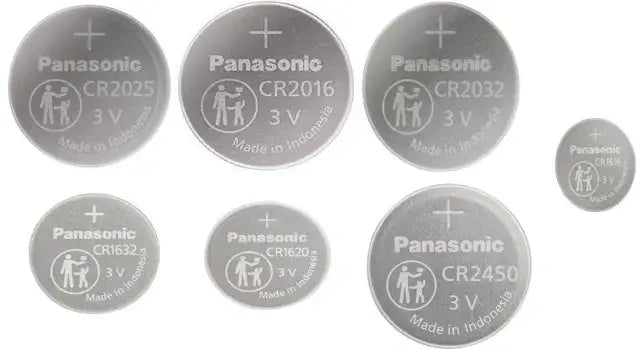
Credit: www.justbatteries.com.au
Frequently Asked Questions
What Are The Main Differences Between 1616 And 1632 Batteries?
The 1616 and 1632 batteries differ mainly in size and capacity. The 1632 is larger and has a higher mAh rating, providing longer power life. Both are 3V lithium coin cells but fit different devices based on size requirements.
Can 1616 And 1632 Batteries Be Used Interchangeably?
No, 1616 and 1632 batteries are not fully interchangeable. Their size differences affect device compatibility. Using the wrong battery can cause poor contact or damage. Always check device specifications before replacing batteries.
Which Devices Typically Use 1616 Versus 1632 Batteries?
1616 batteries are common in small remotes, calculators, and key fobs. The 1632 battery suits larger devices like medical instruments, watches, and car alarms. Device manuals or battery compartments usually specify the correct type.
How Does Battery Life Compare Between 1616 And 1632?
The 1632 battery generally lasts longer due to its larger capacity. While both provide 3 volts, the 1632’s higher mAh rating means extended usage time in compatible devices. Choosing the right battery improves device performance.
Conclusion
Choosing between 1616 and 1632 batteries depends on your device’s needs. The 1632 battery offers higher capacity and longer life. The 1616 battery is smaller and fits into compact gadgets. Both batteries provide reliable power for everyday use. Check your device’s manual before buying to avoid mistakes.
Use the right battery for better performance and safety. Small differences can affect how well your device works. Keep spare batteries handy to avoid unexpected power loss. Simple choices lead to better device care and longer use.