
18650 Vs 14500 Battery: Ultimate Comparison for Best Performance
Are you confused about choosing between 18650 and 14500 batteries? You’re not alone.
Both batteries look similar but have key differences that affect how they power your devices. Picking the wrong one can lead to poor performance or even damage. You’ll discover exactly what sets these two batteries apart. By the end, you’ll know which one is the perfect match for your needs.
Keep reading to make a smart, safe choice for your gadgets.

Credit: www.evlithium.com
Battery Size And Dimensions
Battery size and dimensions play a big role in choosing the right power source. These factors decide how well a battery fits into your device. The 18650 and 14500 batteries differ mainly in their size and shape. Understanding these differences helps you pick the best option for your needs.
Physical Differences
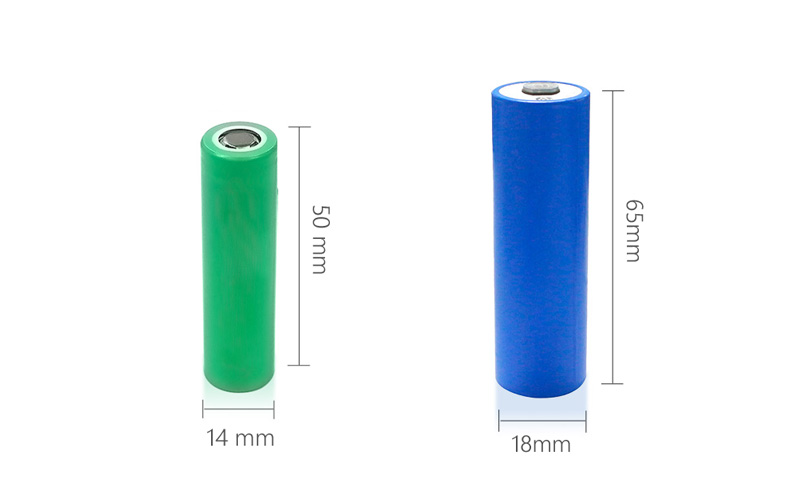
The 18650 battery is larger than the 14500. It measures about 18mm in diameter and 65mm in length. The 14500 battery is smaller, around 14mm wide and 50mm long. This size difference affects how much power each battery can hold. The bigger 18650 usually has more capacity and lasts longer. The smaller 14500 fits better in compact devices.
Impact On Device Compatibility
Device compatibility depends on battery size. Devices made for 18650 batteries cannot fit 14500 batteries due to the smaller size. The opposite is also true. Using the wrong size battery can cause damage or poor performance. Always check your device’s battery size before buying a replacement. This ensures safety and proper function.
Capacity And Energy Output
Capacity and energy output are key factors when choosing between 18650 and 14500 batteries. These two batteries differ in size, which affects how much power they can store and deliver. Understanding their capacity helps you pick the right battery for your device and needs.
Typical Mah Ratings
18650 batteries usually have a capacity between 1800 and 3500 mAh. This range allows them to store a large amount of energy. On the other hand, 14500 batteries have smaller capacities, typically around 600 to 1000 mAh. The difference in size limits their energy storage. Higher mAh means longer battery life before recharge.
Effect On Usage Time
The higher capacity of 18650 batteries means devices run longer on a single charge. Devices using 14500 batteries may need more frequent charging. This difference matters in gadgets that need constant power. Longer usage time reduces interruptions and improves convenience. Choose the battery with the right capacity for your device’s power needs.
Voltage And Power Delivery
Voltage and power delivery play a big role in choosing the right battery. These factors affect how well your device works. Different batteries have different voltage levels and power outputs. This section compares 18650 and 14500 batteries on these points.
Nominal Voltage Levels
The 18650 battery usually has a nominal voltage of 3.7 volts. This is standard for many lithium-ion batteries. The 14500 battery, on the other hand, often has a nominal voltage of 3.6 or 3.7 volts as well. Some 14500 batteries are made to match the 1.5 volts of AA batteries but are less common.
This slight difference in voltage can affect device compatibility. Devices designed for 3.7 volts work well with both types. Using a battery with lower voltage may reduce device performance.
Performance In High-drain Devices
High-drain devices demand more power quickly. The 18650 battery typically handles high drain better. It can deliver higher current without overheating or losing capacity fast. This makes 18650 batteries ideal for flashlights, laptops, and power tools.
14500 batteries have lower capacity and current limits. They suit low to moderate drain devices like small flashlights or remote controls. Using a 14500 in a high-drain device may cause shorter runtime and faster wear.

Credit: www.barchart.com
Charging And Lifespan
Charging and lifespan are key factors when choosing between 18650 and 14500 batteries. Both types need proper care to last longer and work well. Understanding how they charge and how long they last helps you get the best use from each battery.
Charge Cycles Comparison
18650 batteries usually have more charge cycles than 14500 cells. They can handle around 300 to 500 full charges. The smaller 14500 batteries often last for about 300 cycles. This means 18650 batteries can be charged and used many more times. This is important for devices used daily. The difference comes from the battery size and capacity. Larger cells hold more power and tolerate more charges.
Best Practices For Longevity
Use the right charger designed for each battery type. Overcharging or fast charging can reduce battery life. Avoid fully draining the battery before recharging. Keep batteries in a cool, dry place to prevent damage. Remove batteries from devices if not used for a long time. Regularly check battery health and replace if capacity drops. These steps help both 18650 and 14500 batteries last longer and stay safe.
Safety Considerations
Safety is a key factor when choosing between 18650 and 14500 batteries. Both types store a lot of energy in a small space. This can lead to risks if not handled properly. Understanding their safety features helps prevent accidents. It also ensures longer battery life and better performance.
Thermal Stability
Thermal stability means how well a battery handles heat. High heat can cause a battery to swell or leak. It can even lead to fires. The 18650 battery usually has better thermal stability. It can manage heat from fast charging or heavy use. The 14500 is smaller and may heat up faster. Overheating risks rise with smaller batteries. Always use batteries in devices that fit their size and power needs.
Protection Circuit Features
Protection circuits help keep batteries safe. They stop overcharging, over-discharging, and short circuits. Many 18650 batteries come with built-in protection circuits. This reduces the risk of damage and accidents. The 14500 battery often lacks these features. Users must be careful to avoid overcharging or deep discharge. Using a quality charger and monitoring battery health is important. Protection circuits make 18650 batteries safer for high-drain devices.
Cost And Availability
Cost and availability are important when choosing between 18650 and 14500 batteries. These factors affect how easy and affordable it is to use these batteries for daily needs. Understanding price and market access helps pick the best option.
Price Differences
18650 batteries usually cost more than 14500 batteries. The larger size and higher capacity raise their price. 14500 batteries are smaller and cheaper to produce. This makes them less expensive for buyers. Prices vary by brand and quality too. But generally, 14500 batteries fit tighter budgets.
Market Accessibility
18650 batteries are widely available in many stores and online. They are common in laptops, flashlights, and other gadgets. 14500 batteries are less common but still easy to find. They often appear in smaller electronics and toys. Availability depends on location and demand. Overall, 18650 batteries have better market reach.
Common Applications
Batteries come in many shapes and sizes, each made for different uses. The 18650 and 14500 batteries are popular choices. They look similar but have different power and size. Knowing where each battery works best helps you choose the right one. Let’s explore their common applications.
Devices Suited For 18650
The 18650 battery is larger and holds more power. It fits well in devices needing long battery life. Many laptops use 18650 batteries inside. They also power high-end flashlights that need strong, steady energy. Electric bikes often use these batteries for long rides. Some power tools rely on 18650 cells for heavy work. You find them in vape devices too. Their size and power suit devices that run for hours.
Devices Suited For 14500
The 14500 battery is smaller and lighter. It works best in compact devices with lower power needs. Many small flashlights use 14500 batteries. Some wireless microphones prefer this size for convenience. Remote controls and small toys often run on 14500 cells. They fit nicely in portable gadgets that need less energy. Cameras and laser pointers also use 14500 batteries. This battery suits devices where size matters more than power.
Choosing The Right Battery
Choosing the right battery is key for your device’s performance. Different batteries suit different needs. The 18650 and 14500 are common types. Each has unique features that affect how well they work. Understanding these differences helps you pick the best one for your gadget.
Battery size, power output, and usage time matter. Choosing wisely saves money and improves device life. Let’s explore how to decide between 18650 and 14500 batteries.
Assessing Device Needs
Check your device’s battery size requirements first. Some devices only fit one battery size. Look at the voltage and capacity your device needs. Higher capacity means longer battery life. The 18650 usually offers more capacity than the 14500. Devices with high power demands often use 18650 batteries. Smaller devices or compact flashlights may prefer the 14500 size. Match the battery to the device’s power and space limits.
Balancing Performance And Size
The 18650 battery is larger but lasts longer. It works well for devices needing strong, long power. The 14500 is smaller and fits tight spaces. It is lighter and more portable. Sometimes, size matters more than battery life. Consider how often you want to recharge. A bigger battery means fewer charges but more weight. A smaller battery makes the device easier to carry. Choose the battery that fits your daily use and comfort.
Credit: www.ecolithiumbattery.com
Frequently Asked Questions
What Is The Difference Between 18650 And 14500 Batteries?
18650 batteries are larger and have higher capacity than 14500 batteries. The 18650 measures 18mm by 65mm, while the 14500 is 14mm by 50mm. This size difference affects power output and usage in devices.
Which Battery Lasts Longer, 18650 Or 14500?
Generally, 18650 batteries last longer due to their larger capacity. They store more energy, making them suitable for high-drain devices. Meanwhile, 14500 batteries have lower capacity and shorter runtime.
Can I Use A 14500 Battery In Place Of 18650?
No, 14500 batteries cannot replace 18650 batteries directly. Their smaller size and lower voltage make them incompatible with devices designed for 18650 cells.
Are 18650 Batteries Safer Than 14500 Batteries?
Both batteries are safe when used properly. However, 18650 batteries often include better safety features due to their common use in high-power devices.
Conclusion
Choosing between 18650 and 14500 batteries depends on your device needs. The 18650 offers more power and longer life. The 14500 is smaller and fits compact gadgets. Both have their uses and advantages. Think about size, capacity, and device compatibility.
Pick the battery that matches your daily use. This ensures better performance and safety. Simple choices lead to better results. Stay informed to keep your devices running well.