24F Vs 27F Battery: Ultimate Comparison for Best Performance
Are you trying to choose between a 24F and a 27F battery but feeling confused by all the technical details? You’re not alone.
Picking the right battery can make a big difference in how your device performs and lasts. You’ll discover the key differences between these two popular battery types. By the end, you’ll know exactly which one suits your needs best. Keep reading—your perfect battery match is just a few minutes away.
Battery Size Differences
Batteries come in different sizes, affecting their fit and use. Choosing between a 24F and 27F battery means knowing how they differ in size. Size affects where the battery fits and how it performs in a device or vehicle.
Physical Dimensions
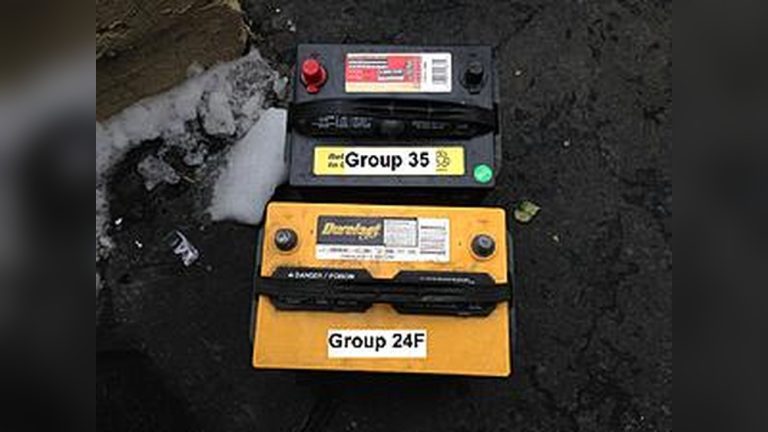
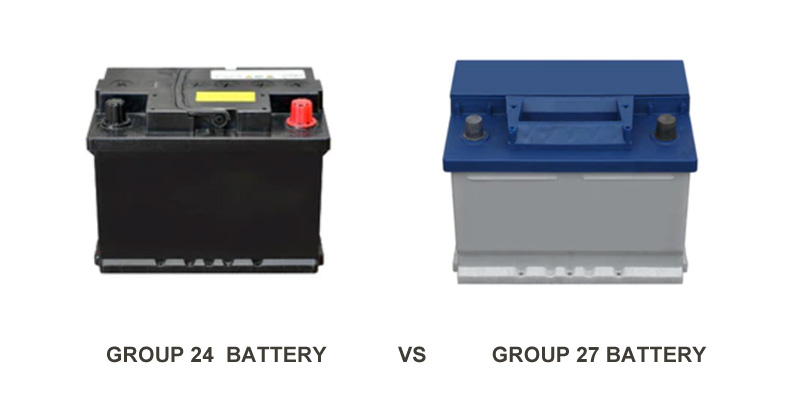
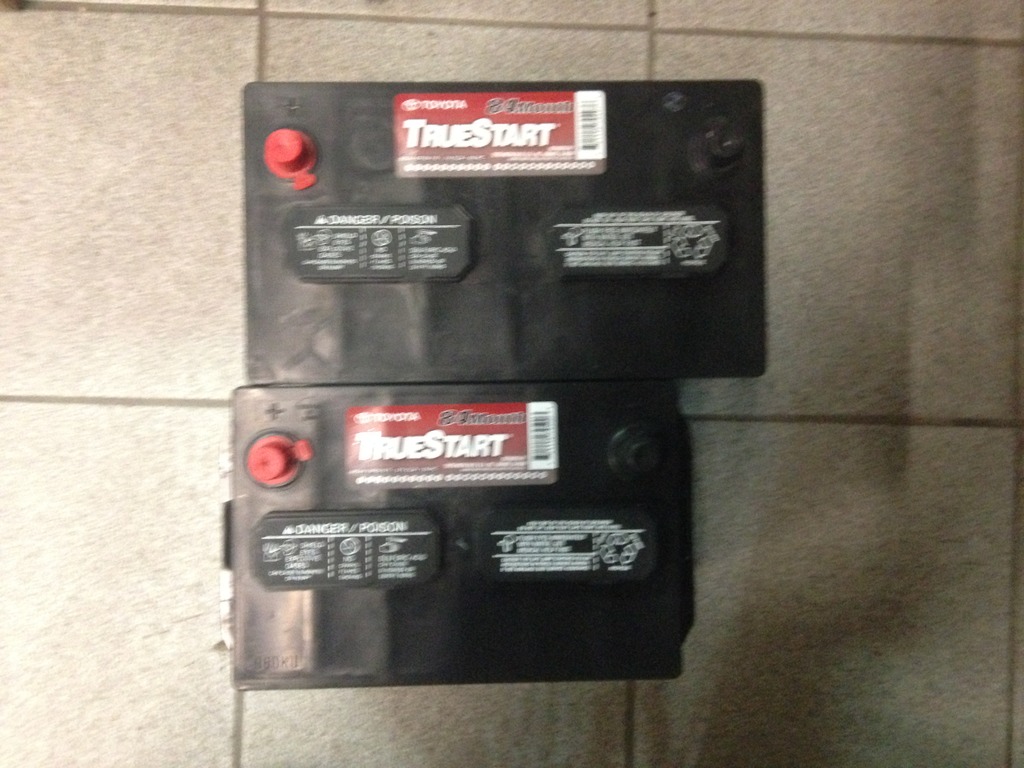
The 24F battery is smaller in length and width than the 27F. It usually measures about 10 inches long and 6.8 inches wide. The 27F battery is larger, around 12 inches long and 6.8 inches wide. Both have similar widths, but the 27F is longer. This extra length can mean more power but needs more space.
Weight Comparison
The 27F battery weighs more than the 24F due to its size. The 24F battery weighs about 40 pounds. The 27F battery can weigh around 48 pounds. This weight difference can affect handling and installation. Heavier batteries may need stronger support but often provide longer power.
Capacity And Power
Capacity and power are key factors when choosing between 24F and 27F batteries. These features affect how long the battery lasts and how much energy it can deliver. Understanding these details helps in picking the right battery for your needs.
Ampere-hour Ratings
Ampere-hour (Ah) rating measures a battery’s capacity. It shows how much charge the battery can store. The 27F battery usually has a higher Ah rating than the 24F. This means it can power devices longer before needing a recharge. A higher Ah rating suits longer trips or heavy power use. The 24F battery may have a lower Ah, making it lighter but shorter-lasting.
Voltage Output
Voltage output defines the power level a battery provides. Both 24F and 27F batteries offer similar voltage, often around 12 volts. This voltage is standard for many vehicles and equipment. Consistent voltage ensures stable performance. Slight differences in voltage between these models do not greatly affect daily use. Choosing between them depends more on capacity than voltage.
Performance In Various Conditions
Understanding how 24F and 27F batteries perform in different environments helps pick the right choice. Both batteries handle conditions differently, affecting their efficiency and lifespan. Examining their behavior in cold and hot weather shows their true strengths.
Cold Weather Efficiency
Cold temperatures reduce battery power. The 27F battery holds charge better in cold. It starts engines more easily in freezing weather. The 24F battery loses power faster when cold. This can cause slower starts and less reliable performance. For cold climates, 27F is a stronger option.
Heat Resistance
Heat impacts battery life and safety. The 24F battery resists heat well. It maintains stable performance on hot days. The 27F battery heats up quicker under high temperatures. This can shorten its lifespan. For warm areas, 24F offers better durability and safety.
Durability And Lifespan
Durability and lifespan are key factors when choosing between 24F and 27F batteries. These batteries power devices over time, so knowing how long they last and how tough they are matters. Both types have strengths in lasting through many uses and handling daily wear. Understanding their cycle life and maintenance needs helps pick the right battery.
Cycle Life Expectancy
Cycle life shows how many full charge and discharge cycles a battery can handle. The 24F battery usually lasts around 300 to 500 cycles. The 27F battery tends to have a longer life, often reaching 500 to 700 cycles. More cycles mean the battery stays useful longer before it needs replacement. The 27F is better for users needing longer battery life.
Maintenance Needs
Both 24F and 27F batteries need regular checks to stay healthy. The 24F may need more frequent watering and cleaning. The 27F requires less attention but still needs proper care to avoid damage. Keeping terminals clean and checking fluid levels helps both last longer. Proper maintenance improves battery performance and lifespan.
Compatibility And Applications
Choosing the right battery depends on its compatibility with your vehicle and its intended use. The 24F and 27F batteries differ in size, power, and fitment. Understanding where each battery fits best helps avoid installation issues and performance problems.
Vehicle Fitments
The 24F battery suits mid-size trucks and SUVs. It fits well in vehicles needing moderate power. Common models include some Chevrolet and GMC trucks.
The 27F battery fits larger trucks and SUVs. It provides more power for heavy-duty vehicles. Many full-size trucks and vans use the 27F battery.
Check your vehicle’s manual before buying. Battery size must match the hold-down and terminal placement.
Other Uses
Both 24F and 27F batteries work outside vehicles. They power boats, RVs, and off-road equipment. The 27F is preferred for devices needing higher power output.
For backup power systems, these batteries can provide reliable energy. Choose the battery based on power needs and size limits.
Credit: www.ecolithiumbattery.com
Cost And Value
Cost and value play a big role in choosing between 24F and 27F batteries. Buyers want to know which battery offers the best price without sacrificing quality. Understanding the price and long-term benefits helps make a smart choice.
Price Comparison
The 24F battery usually costs less upfront than the 27F battery. This makes it a good pick for budgets. The 27F battery costs more but offers higher capacity. The price difference can be noticeable in stores. Both batteries come from reliable brands, so price reflects capacity and features.
Long-term Investment
Spending more on a 27F battery can save money over time. It lasts longer before needing replacement. This battery also holds charge better in cold weather. The 24F battery may need replacing sooner, adding to costs. Choosing a battery that fits your needs avoids extra expenses later. Think about how long you need the battery to work efficiently.
Choosing The Right Battery
Choosing the right battery is key to getting the best performance and life from your device. The 24F and 27F batteries have different features. Picking the right one depends on your specific needs and how you use your device. Understanding the differences helps you make a smart choice.
Assessing Your Needs
Start by thinking about your device’s power demands. The 24F battery offers a balance of size and capacity. It fits well in devices with moderate energy use. The 27F battery has a larger capacity. It suits devices that run longer or need more power. Check the space available for the battery. Size matters for a perfect fit. Also, consider how often you use the device. Frequent users benefit from higher capacity batteries. Light users may find the 24F enough for daily tasks.
Expert Recommendations
Experts suggest matching battery capacity with device needs. For heavy use, the 27F is often better. It lasts longer and reduces charging frequency. For smaller devices or less use, the 24F saves space and weight. Experts also recommend checking battery quality. Choose brands known for durability and safety. Proper care extends battery life regardless of type. Follow charging tips and avoid extreme temperatures. This advice helps you get the most from either battery.
Credit: www.clublexus.com
Credit: www.tacomaworld.com
Frequently Asked Questions
What Is The Main Difference Between 24f And 27f Batteries?
The primary difference lies in their size and capacity. 24F batteries are smaller with lower amp-hour ratings. 27F batteries are larger, offering higher capacity and longer run times.
Which Battery Lasts Longer: 24f Or 27f?
27F batteries generally last longer due to higher amp-hour capacity. They provide more power for extended use compared to 24F batteries.
Are 24f And 27f Batteries Interchangeable?
They are not always interchangeable. Size and terminal placement differ, so ensure compatibility with your vehicle before swapping.
Which Battery Is Better For Cold Weather: 24f Or 27f?
27F batteries usually perform better in cold weather. Their larger size helps provide more cold cranking amps for reliable starts.
Conclusion
Choosing between 24F and 27F batteries depends on your device needs. The 24F offers higher power but shorter life. The 27F lasts longer with moderate power. Think about what suits your usage best. Both types serve well in different situations.
Match battery size and capacity to your device. This helps your device work smoothly and longer. Now, you can pick the right battery with confidence. Simple choices lead to better device performance.