
2S Vs 3S Lipo Battery: Ultimate Comparison for Power and Performance
Choosing the right battery can make or break your device’s performance. When it comes to LiPo batteries, you might be stuck deciding between 2S and 3S options.
Which one gives you better power? How do they affect your device’s speed, runtime, and safety? If you want to get the most out of your battery without risking damage or frustration, understanding the key differences is crucial. Keep reading to discover how 2S and 3S LiPo batteries compare, so you can make the best choice for your needs.
Lipo Battery Basics
Lipo batteries power many devices like drones, RC cars, and more. Understanding their basics helps you choose the right battery. The 2S and 3S types are common options. Both have unique features and uses. Knowing these can improve your device’s performance and safety.
Let’s explore what makes 2S and 3S Lipo batteries different. This includes their meaning, voltage, and cell setup.
What Does 2s And 3s Mean?
2S and 3S refer to the number of cells in a Lipo battery. “S” stands for series connection of cells. A 2S battery has two cells linked together. A 3S battery has three cells connected in series. More cells mean higher voltage and power.
Voltage Differences
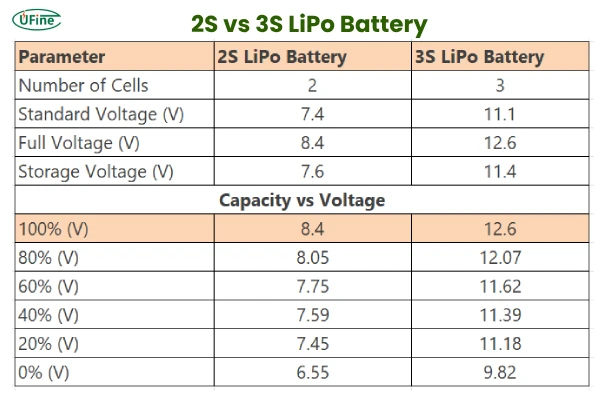
Each Lipo cell has a voltage of about 3.7 volts. A 2S battery’s total voltage is around 7.4 volts. A 3S battery provides about 11.1 volts. Higher voltage means stronger power for your device. Choose voltage based on what your device needs.
Cell Configuration
Cells in Lipo batteries connect in series. This adds their voltages together. The capacity, measured in mAh, stays the same. For example, 2S and 3S can have similar capacity but different voltages. Series connection affects voltage, not capacity.
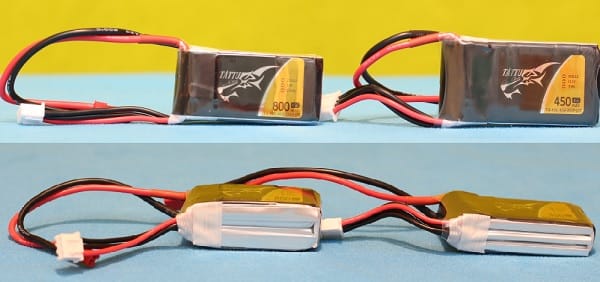
Credit: www.firstquadcopter.com
Power Output Comparison
Comparing the power output of 2S and 3S LiPo batteries helps decide which suits your needs. Power output affects how your device runs and performs. Understanding voltage and current delivery is key to this comparison.
Voltage And Current Delivery
A 2S LiPo battery has two cells in series, providing about 7.4 volts. A 3S battery has three cells, giving around 11.1 volts. More voltage means more power potential for the device.
Current delivery depends on the battery’s capacity and discharge rate. Both 2S and 3S can deliver high current, but 3S usually supports higher current due to its higher voltage. This means devices can run faster or stronger with a 3S battery.
Impact On Device Performance
Higher voltage from a 3S battery can make motors spin faster. This improves speed and efficiency in devices like drones or RC cars. A 2S battery gives less speed but can last longer in some cases.
Devices designed for 2S may not handle 3S voltage safely. Using the right battery ensures stable and safe performance. The choice depends on device requirements and your power needs.
Battery Size And Weight
Battery size and weight affect device design and user experience. Choosing between 2S and 3S LiPo batteries means balancing power and portability. These factors influence how easy it is to carry and use your device.
Physical Dimensions
2S LiPo batteries are smaller in size compared to 3S batteries. They have fewer cells, so their length and width are less. This makes them easier to fit in compact devices. 3S batteries have an extra cell, increasing their overall size. The added size means they take up more space inside your device. Thickness may also increase slightly with 3S batteries. This affects how the battery fits in tight spaces.
Effect On Portability
Lighter batteries improve portability and comfort. 2S LiPo batteries weigh less than 3S types. This makes devices easier to carry for long periods. Heavier batteries add bulk and can cause fatigue. Devices with 3S batteries might feel heavier and less balanced. Portability matters for drones, RC cars, and portable gadgets. A lighter battery helps you move freely and use your device longer.
Runtime And Efficiency
Runtime and efficiency are key factors when choosing between 2S and 3S LiPo batteries. These aspects affect how long your device runs and how well it performs. Understanding these differences can help pick the right battery for your needs.
Discharge Rates
Discharge rate shows how fast a battery can release energy. A 3S battery usually has a higher discharge rate than a 2S. This means it can provide more power in a short time. Devices that need quick bursts of energy benefit from a higher discharge rate. However, a 2S battery often discharges slower, which can be good for steady power use. Choosing the right discharge rate depends on your device’s power needs.
Battery Life Expectations
Battery life depends on capacity and usage. A 3S battery can offer longer runtime because it has more cells. This means more voltage and energy storage. But higher voltage can also mean faster battery wear if used improperly. A 2S battery may last longer under moderate use because it generates less heat. Heat reduces battery life. Careful charging and discharging help extend battery life for both types.
Safety And Handling
Handling LiPo batteries safely is crucial for all users. Both 2S and 3S LiPo batteries store a lot of power in a small space. This power can be dangerous if the batteries are not handled properly. Understanding the risks and following best practices helps prevent accidents and prolongs battery life.
Risks With 2s Vs 3s
2S batteries have two cells, while 3S have three cells in series. More cells mean higher voltage and more energy stored. This increases the risk of overheating or short circuits. 3S batteries can cause more severe damage if they fail. Both types can swell, catch fire, or explode under stress. Incorrect charging or physical damage raises these risks. Proper care is necessary for both 2S and 3S batteries.
Best Practices For Use
Always charge LiPo batteries with a compatible charger. Avoid overcharging or discharging below safe limits. Store batteries in a cool, dry place away from metal objects. Inspect batteries regularly for swelling or damage. Use fireproof charging bags for extra safety. Handle batteries gently to avoid punctures or dents. Never leave batteries unattended while charging. Follow these steps to keep your LiPo batteries safe and reliable.

Credit: www.youtube.com
Cost Considerations
Cost plays a big role when choosing between 2S and 3S LiPo batteries. Understanding price and value helps make the right decision. Both types have different costs and benefits that affect your budget.
Price Differences
2S batteries usually cost less than 3S batteries. They have fewer cells, so production is cheaper. The price gap can be noticeable for larger battery packs. Some brands may charge more for higher quality or capacity. The size and brand also affect the final price.
Value For Money
3S batteries offer more power and longer run time. This may justify their higher price for some users. 2S batteries can be good for simple or low-power projects. Check if the extra cost fits your needs. Spending more might save money in the long run by reducing battery swaps.
Choosing The Right Battery
Choosing the right battery is key for good device performance. The choice between 2S and 3S LiPo batteries depends on many factors. Understanding these helps you pick the best battery for your needs. This section breaks down how to match batteries to devices and the usage scenarios for each type.
Matching Battery To Device
Check your device’s voltage requirements first. A 2S LiPo battery has two cells and provides about 7.4 volts. A 3S battery has three cells and gives around 11.1 volts. Some devices only support one voltage type. Using the wrong battery can damage your device or reduce performance.
Look at your device’s manual or label to find the recommended battery type. Some drones, RC cars, or helicopters may need a 3S battery for higher speed. Smaller gadgets often work best with a 2S battery to avoid overheating.
Usage Scenarios
For beginner or casual users, 2S batteries offer safer, stable power. They last longer in smaller devices and are easier to handle. 3S batteries suit advanced users needing more power and speed. These batteries work well in racing drones or fast RC cars.
If you want longer flight or run times, a 3S battery can be better. It delivers more energy but may weigh more. Consider the balance between power, weight, and device limits. Your usage style should guide your battery choice.
Credit: www.ufinebattery.com
Frequently Asked Questions
What Is The Main Difference Between 2s And 3s Lipo Batteries?
2S LiPo batteries have 2 cells in series, providing 7. 4V, while 3S batteries have 3 cells, providing 11. 1V. The extra cell in 3S offers higher voltage and power output, affecting speed and performance in RC models.
Which Battery Is Better For Rc Cars: 2s Or 3s?
3S batteries deliver higher voltage and more speed, ideal for advanced RC cars. 2S batteries offer moderate power and longer run time, suitable for beginners or smaller models.
How Does Battery Voltage Affect Rc Device Performance?
Higher voltage batteries like 3S increase motor speed and power. Lower voltage batteries such as 2S provide smoother control and longer usage but less speed.
Are 2s Or 3s Lipo Batteries Safer To Use?
2S batteries are generally safer due to lower voltage and heat production. 3S batteries require careful handling and proper charging to avoid risks like overheating or fire.
Conclusion
Choosing between 2S and 3S LiPo batteries depends on your device’s needs. 2S batteries offer lighter weight and safer use. 3S batteries provide more power but can be heavier. Think about what fits your model and flying style best. Balance power, weight, and flight time carefully.
Both types have their own strengths. Pick the one that matches your goals and experience. This way, you get good performance and longer battery life. Simple choices lead to better flying fun.