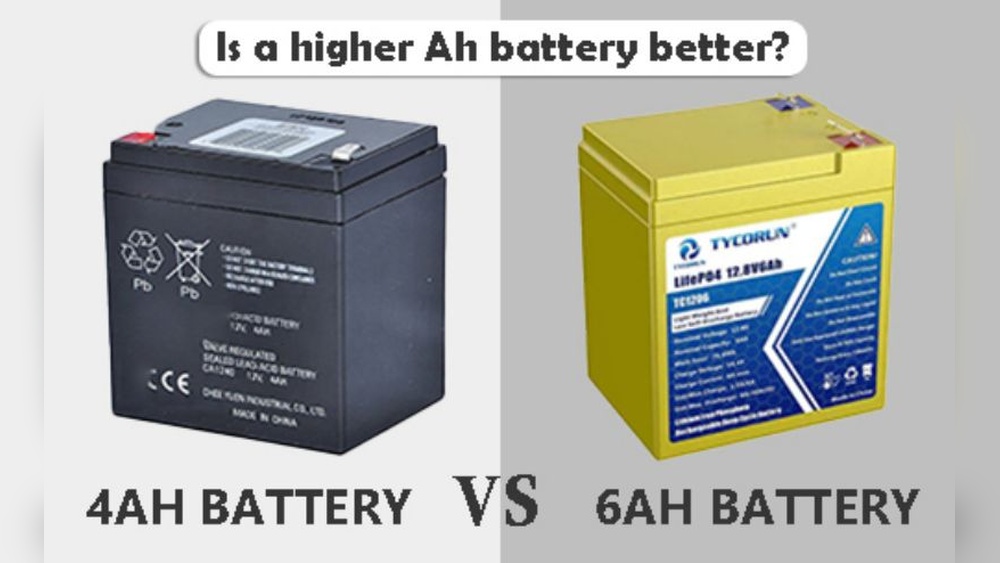
4Ah Vs 6Ah Battery: Which One Delivers Better Performance?
When it comes to choosing the right battery for your power tools or gadgets, you might find yourself stuck between a 4Ah and a 6Ah battery. Which one really gives you more value?
How does the difference affect your device’s performance and runtime? If you want to make the best choice without wasting money or time, understanding these batteries is key. Keep reading, and you’ll discover exactly what sets 4Ah and 6Ah batteries apart—and which one fits your needs perfectly.
Battery Capacity Basics
Understanding battery capacity is key to choosing the right battery for your needs. Capacity tells you how long a battery can power a device before it needs charging. This section breaks down the basics of battery capacity. It helps you compare 4Ah and 6Ah batteries clearly.
What Does Ah Mean?
Ah stands for ampere-hour. It measures the electric charge a battery can hold. A 4Ah battery holds 4 ampere-hours of charge. A 6Ah battery holds 6 ampere-hours. Higher Ah means more stored energy. It means the battery lasts longer before recharging.
How Capacity Affects Performance
Battery capacity affects how long a tool or device runs. A 6Ah battery runs longer than a 4Ah battery. It powers devices for more time on one charge. Higher capacity batteries are heavier. They may add weight to your tool. Choosing between 4Ah and 6Ah depends on your work length and comfort.
Comparing 4ah And 6ah Batteries
Comparing 4Ah and 6Ah batteries helps you choose the right power source. Both types offer distinct benefits. Understanding their differences can improve your tool’s performance and efficiency.
Runtime Differences
6Ah batteries last longer than 4Ah batteries. You get more work done without stopping to recharge. This means fewer interruptions during tasks. For heavy use, 6Ah batteries provide better endurance. 4Ah batteries suit lighter, shorter jobs well.
Weight And Portability
4Ah batteries are lighter and easier to carry. This makes tools more comfortable to use for long periods. 6Ah batteries weigh more, adding bulk to your tool. Portability matters if you move a lot while working. Choose 4Ah for easier handling and 6Ah for longer power.
Charging Time Variations
4Ah batteries charge faster than 6Ah batteries. You spend less time waiting and more time working. Charging a 6Ah battery takes longer but gives more power. Quick jobs benefit from 4Ah batteries’ faster recharge. For extended projects, slower charging is acceptable for 6Ah batteries.
Application Suitability
Choosing the right battery depends on the tool and task. Battery capacity affects how long your tool runs. It also impacts the weight and size of the battery. Understanding which battery suits your needs saves time and effort. It helps you work without frequent stops for charging.
Best Uses For 4ah Batteries
4Ah batteries fit well with light to medium tasks. They provide enough power for small tools like drills and screwdrivers. These batteries are lighter, making tools easier to handle. Ideal for home repairs and DIY projects. They offer decent runtime for quick jobs. Perfect for users who prefer less weight over longer battery life.
Ideal Scenarios For 6ah Batteries
6Ah batteries suit heavy-duty tasks and long work periods. They deliver more power and longer runtime. Great for professional use and large tools like saws and grinders. These batteries keep tools running longer without stopping. Best for outdoor work or jobs with no easy charging access. They are heavier but provide better performance for tough tasks.

Credit: www.topbullshop.com
Cost And Value Considerations
Cost and value matter a lot when choosing between 4Ah and 6Ah batteries. The price difference can affect your budget. But value is more than just the cost. It includes how long the battery lasts and how it performs. Understanding these points helps you buy the best battery for your needs.
Price Comparison
4Ah batteries usually cost less than 6Ah ones. The price gap can be noticeable. This makes 4Ah batteries a good option for simple tasks. They fit smaller budgets well. On the other hand, 6Ah batteries come with a higher price. This reflects their bigger capacity and longer run time. You pay more upfront but get more power.
Long-term Investment
Choosing a battery is about more than the initial price. A 6Ah battery lasts longer per charge. This means fewer battery swaps and less downtime. Over time, this saves money. It also reduces the need for extra batteries. A 4Ah battery might need charging more often. This can slow your work or project. So, the 6Ah battery often gives better value in the long run.
Impact On Tool Performance
The impact of battery capacity on tool performance is significant. Choosing between a 4Ah and a 6Ah battery affects how a tool runs. Battery capacity influences power output and efficiency during use. These factors matter for job quality and tool lifespan. Understanding these differences helps pick the right battery for your needs.
Power Output
The battery capacity directly affects power output. A 6Ah battery can deliver more consistent power for longer. This means tools run stronger and stay powerful during heavy tasks. A 4Ah battery may lose power faster under load. For demanding jobs, higher capacity batteries keep tools performing better.
Efficiency And Heat Generation
Battery efficiency impacts tool heat and energy use. A 6Ah battery often runs cooler than a 4Ah battery. Less heat means less stress on the tool’s motor and electronics. Higher efficiency also leads to longer run times per charge. Using a larger battery can reduce overheating and improve tool durability.

Credit: www.reddit.com
Battery Maintenance Tips
Proper battery care helps both 4Ah and 6Ah batteries last longer. Good maintenance keeps your tools ready and safe. Small habits can protect battery health and improve performance.
Extending Battery Life
Store batteries in a cool, dry place. Avoid extreme heat or cold as it harms the battery. Use the battery regularly to keep it active. Remove the battery from the tool after use. Clean battery contacts with a dry cloth. Avoid dropping or banging the battery. Follow the manufacturer’s instructions for use and storage.
Safe Charging Practices
Charge batteries on a flat, stable surface. Use only the charger made for your battery type. Avoid overcharging by removing the battery once full. Do not charge near water or in wet places. Keep the charger and battery away from flammable materials. Check for damage before charging. Unplug the charger when not in use.
Credit: www.tycorun.com
Frequently Asked Questions
What Is The Main Difference Between 4ah And 6ah Batteries?
The main difference is capacity. A 6Ah battery holds 50% more charge than a 4Ah. This means longer run time for tools and devices.
Which Battery Lasts Longer, 4ah Or 6ah?
A 6Ah battery lasts longer due to higher amp-hour capacity. It provides extended use before needing a recharge compared to a 4Ah battery.
Are 6ah Batteries Heavier Than 4ah Batteries?
Yes, 6Ah batteries are generally heavier. They contain more cells to store extra energy, making them bulkier and slightly heavier than 4Ah batteries.
Is A 6ah Battery Better For Heavy-duty Tasks?
Yes, a 6Ah battery suits heavy-duty tasks well. It delivers longer power and supports demanding tools better than a 4Ah battery.
Conclusion
Choosing between 4Ah and 6Ah batteries depends on your needs. A 4Ah battery is lighter and suits short tasks well. A 6Ah battery lasts longer but weighs more. Think about how long you work and the weight you can handle.
Both types power tools effectively. Pick the one that fits your work style best. Simple choices make your work easier and faster.