Mca Vs Cca Battery: Key Differences You Must Know
When it comes to choosing the right battery for your vehicle, you might have come across terms like MCA and CCA. But what do these acronyms really mean, and why should you care?
Understanding the difference between MCA and CCA batteries can save you from unexpected breakdowns and help you get the best performance out of your car. If you want to make a smart choice and keep your vehicle running smoothly, keep reading.
This guide will clear up the confusion and give you the facts you need to pick the perfect battery for your ride.
Credit: www.marshallbatteries.com.au
Mca Battery Basics
MCA batteries are important for many vehicles and machines. Understanding their basics helps you choose the right battery. This section explains what MCA means and why these batteries are useful.
Learn about their common uses and benefits. This knowledge helps you compare MCA batteries with other types easily.
What Mca Stands For
MCA means Marine Cranking Amps. It measures the battery’s power at 32°F (0°C). This rating shows how much current the battery can give for 30 seconds. The battery must stay above 7.2 volts during this time.
Common Uses Of Mca Batteries
MCA batteries are mostly used in boats and marine vehicles. They provide strong power to start engines in cold water. Some trucks and heavy equipment also use MCA batteries. They work well in wet and harsh conditions.
Advantages Of Mca Batteries
MCA batteries deliver reliable starting power in cold weather. They last longer in tough environments. These batteries resist corrosion from water and salt. MCA batteries also have strong build quality for marine use.

Credit: manlybattery.com
Cca Battery Essentials
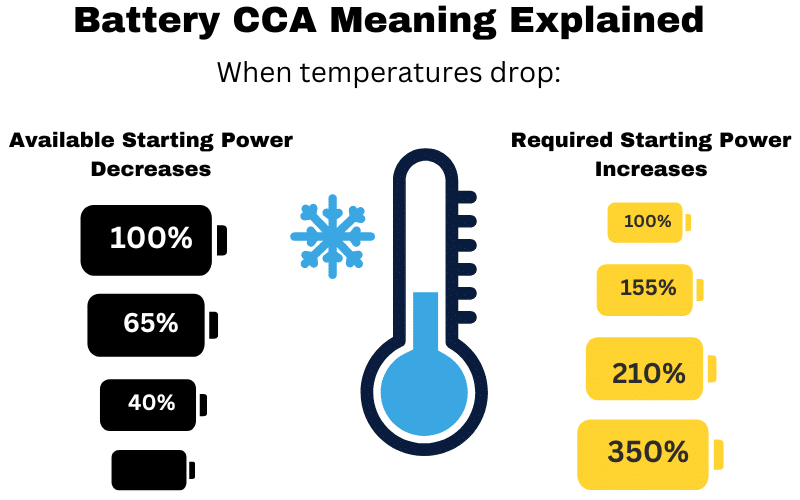
Understanding CCA battery essentials helps you choose the right battery for cold weather. CCA stands for Cold Cranking Amps. This rating shows how well a battery starts an engine in cold conditions. The higher the CCA, the better the battery performs in winter.
Meaning Of Cca
Cold Cranking Amps (CCA) measures the battery’s starting power at 0°F (-18°C). It shows how many amps a battery can provide for 30 seconds. This power is enough to start the engine in cold weather. CCA helps compare batteries for winter use.
Typical Applications
CCA batteries work well in cars, trucks, and SUVs. They are best for cold climates and harsh winters. These batteries help start engines quickly in freezing temperatures. Boats and motorcycles also benefit from CCA-rated batteries.
Benefits Of Cca Batteries
High CCA batteries start engines faster in cold weather. They reduce the chance of battery failure in winter. These batteries improve vehicle reliability and performance. Long-lasting and strong, they handle extreme cold well.
Performance Comparison
Comparing MCA and CCA batteries helps in choosing the right power source. Each battery type performs differently under various conditions. Understanding these differences improves your battery selection for specific needs.
Cold Weather Starting Power
CCA measures battery power in cold weather. It shows how many amps a battery delivers at 0°F. MCA measures amps at 32°F, the freezing point of water. CCA batteries provide more reliable starts in very cold places. MCA batteries work well in milder cold. For very cold climates, CCA ratings matter more.
Battery Lifespan Differences
Battery lifespan depends on usage and design. MCA batteries often last longer in moderate climates. CCA batteries handle harsher conditions but may wear out faster. Proper maintenance extends both battery types. Choose based on climate and how long you need the battery.
Durability And Reliability
Durability varies by battery construction and material quality. CCA batteries usually have thicker plates for extra strength. MCA batteries focus on steady performance in less extreme conditions. Both types are reliable if matched to the environment. Check warranty and brand reputation for added trust.
Measurement And Ratings
Battery ratings help you choose the right power source. Understanding these numbers is key. Two common ratings are MCA and CCA. Each shows how well a battery performs under different conditions. Knowing how to read these ratings ensures better battery choices.
How Mca Is Measured
MCA stands for Marine Cranking Amps. It measures the battery’s power at 32°F (0°C). This rating shows how much current the battery can deliver for 30 seconds. The battery voltage must stay above 7.2 volts during this time. MCA is useful for boats and warmer climates.
Understanding Cca Ratings
CCA means Cold Cranking Amps. It measures battery power at 0°F (-18°C). This rating shows how well a battery starts an engine in cold weather. The battery must provide a certain current for 30 seconds. Voltage must stay above 7.2 volts during this time. Higher CCA means better cold-weather performance.
Interpreting Battery Specs
Check MCA and CCA ratings to match your climate. Higher numbers mean more starting power. MCA suits mild or warm weather. CCA is important in cold places. Look at both ratings for a balanced choice. Also, consider battery size and type for best results.
Choosing The Right Battery
Choosing the right battery for your vehicle is important for its performance and longevity. Batteries with different ratings like MCA and CCA serve different needs. Picking the correct type can help your car start smoothly and last longer.
Factors To Consider
Check the battery’s rating carefully before buying. MCA means Marine Cranking Amps, good for moderate cold starts. CCA stands for Cold Cranking Amps, better for very cold weather. Consider the battery size and fit for your vehicle’s battery tray. Also, look at the battery life and warranty period offered.
Vehicle And Climate Impact
Your vehicle type affects the battery choice. Smaller cars may not need high CCA ratings. Larger engines require batteries with higher cranking power. Climate plays a big role too. Cold regions need batteries with higher CCA to start the engine easily. Warm climates can work well with batteries having lower CCA or MCA values.
Cost Vs Performance
Batteries with higher ratings often cost more. They provide better performance in cold weather and heavy use. Lower-cost batteries may suit mild climates and small engines. Balance your budget with the battery’s expected performance. Investing a bit more can avoid frequent replacements and starting troubles.
Maintenance Tips
Proper maintenance helps both MCA and CCA batteries work longer and better. Taking simple steps can protect your battery and avoid early failure. Small efforts keep your battery strong and reliable for everyday use.
Extending Battery Life
Keep your battery clean and dry. Dirt and moisture cause corrosion and reduce performance. Check the terminals often and wipe off any dirt with a dry cloth. Avoid deep discharges; recharge the battery regularly to maintain its charge. Use the right charger designed for your battery type to prevent damage.
Handling And Storage
Handle batteries with care. Avoid dropping or shaking them. Store batteries in a cool, dry place away from direct sunlight. Extreme heat or cold harms battery health. Remove batteries from devices if storing for a long time. Store batteries upright to prevent leaks and damage.
Signs Of Battery Failure
Watch for slow starts or dim lights in your vehicle. Swollen battery cases or leaks signal trouble. Corrosion on terminals can also reduce power. Strange odors or excessive heat indicate a failing battery. Catching these signs early helps prevent sudden breakdowns.
Credit: www.ufinebattery.com
Frequently Asked Questions
What Is Mca In Battery Terms?
MCA stands for Marine Cranking Amps. It measures a battery’s ability to start an engine at 32°F. Higher MCA means better starting power in cold water conditions.
How Does Cca Differ From Mca Batteries?
CCA means Cold Cranking Amps, measuring starting power at 0°F. MCA tests at 32°F. CCA is crucial for colder climates, while MCA suits milder temperatures.
Which Battery Is Better For Cold Weather, Mca Or Cca?
CCA batteries are better for cold weather. They provide reliable starting power at lower temperatures, ensuring your engine starts smoothly in freezing conditions.
Can Mca And Cca Batteries Be Used Interchangeably?
MCA and CCA batteries can sometimes be used interchangeably but consider temperature conditions. Choose MCA for moderate climates and CCA for colder environments for optimal performance.
Conclusion
Choosing between MCA and CCA batteries depends on your needs. MCA measures cold cranking power at 32°F, while CCA does it at 0°F. Cold climates often require higher CCA ratings for reliable starts. MCA can be helpful in warmer areas.
Both ratings help you understand battery strength in cold conditions. Always check your vehicle’s manual before buying. Pick a battery that fits your climate and vehicle requirements. This ensures smooth starts and better battery life. Understanding these ratings makes battery shopping easier and safer.