Lithium Battery Vs Nickel Cadmium: Ultimate Performance Showdown
When it comes to choosing the right battery for your devices, you might feel overwhelmed by all the options out there. Two popular choices you’ll often come across are lithium batteries and nickel-cadmium batteries.
But which one is truly better for your needs? Understanding the key differences between these two can save you money, improve your device’s performance, and even protect the environment. Keep reading to discover how lithium batteries and nickel-cadmium batteries stack up against each other—and find out which one fits perfectly with your lifestyle.
Battery Chemistry Basics
Batteries store energy through chemical reactions. Different types use different chemicals.
This affects how they work, last, and perform. Understanding basic chemistry helps choose the right battery.
How Lithium Batteries Work
Lithium batteries use lithium ions to move between two electrodes. These ions travel through an electrolyte solution.
During charging, lithium ions move from the positive electrode to the negative electrode. When discharging, they move back to the positive side.
This movement creates an electric current. Lithium batteries have high energy density and low weight. They also last longer than many other types.
How Nickel Cadmium Batteries Work
Nickel cadmium batteries use nickel oxide hydroxide and cadmium as electrodes. The electrolyte is usually potassium hydroxide.
When charging, chemical reactions store energy inside the battery. During discharge, these reactions reverse to release energy.
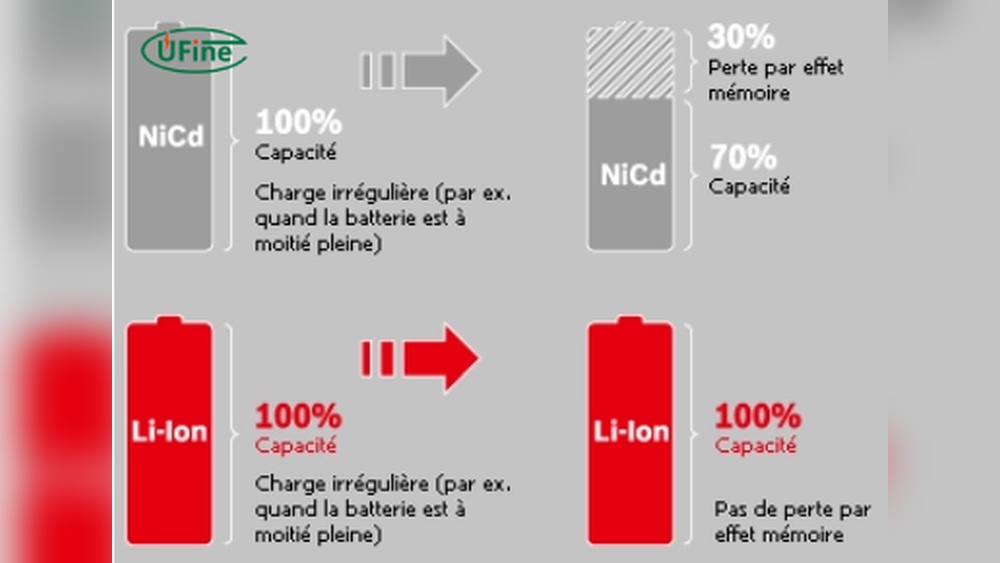
Nickel cadmium batteries are durable and handle high discharge rates. They suffer from memory effect, which reduces capacity over time.
Energy Density Comparison
Energy density is a key factor in comparing lithium batteries and nickel cadmium batteries. It tells us how much energy a battery can store in a given space or weight. A higher energy density means the battery lasts longer and powers devices better. This section explains the differences in energy density between these two battery types.
The energy density affects battery size, weight, and how well devices work. Choosing the right battery depends on these factors.
Capacity And Weight Differences
Lithium batteries have higher energy density than nickel cadmium batteries. They store more energy in a smaller and lighter package. This means lithium batteries can power devices longer without adding extra weight.
Nickel cadmium batteries are heavier and bulkier. They hold less energy for the same size. This makes them less ideal for portable devices where weight matters.
Impact On Device Performance
Lithium batteries improve device performance by delivering stable power for longer times. Devices run smoothly and last longer between charges. This benefits smartphones, laptops, and electric cars.
Nickel cadmium batteries may lose power quickly and need frequent recharging. They also suffer from memory effect, which reduces capacity over time. This can lower device performance and user experience.
Charge And Discharge Characteristics
Understanding charge and discharge characteristics is key to choosing the right battery. These features affect how fast a battery charges and how long it lasts during use. Lithium batteries and nickel cadmium batteries behave differently in these areas. This section explains their differences clearly.
Charging Speed And Efficiency
Lithium batteries charge faster than nickel cadmium batteries. They can reach full charge in about one to two hours. This speed saves time and energy. Nickel cadmium batteries take longer, often three to five hours. They also lose more energy as heat during charging. Lithium batteries keep more energy, making them more efficient. This means less electricity waste and lower costs over time.
Discharge Rates And Stability
Lithium batteries deliver a steady power output during discharge. Their voltage remains stable until nearly empty. This provides reliable performance in devices. Nickel cadmium batteries show a drop in voltage as they discharge. This can cause devices to work less effectively. Lithium batteries also handle high discharge rates better. They maintain power in demanding uses. Nickel cadmium batteries may struggle under heavy loads. Their capacity can fade faster with repeated use.
Credit: www.tycorun.com
Lifespan And Durability
Lifespan and durability are key factors in choosing between lithium batteries and nickel-cadmium batteries. These traits affect how long a battery lasts and how well it performs over time. Understanding these differences helps users pick the right battery for their needs.
Cycle Life Expectations
Cycle life means how many charge and discharge cycles a battery can handle. Lithium batteries typically last much longer. They often provide 500 to 1,000 full cycles. Nickel-cadmium batteries usually offer around 300 to 500 cycles. This means lithium batteries often need fewer replacements, saving money and effort.
Effects Of Memory And Maintenance
Nickel-cadmium batteries suffer from a memory effect. This means they lose capacity if not fully discharged before recharging. This lowers their lifespan and performance. Lithium batteries do not have this problem. They need less maintenance and stay efficient longer. Proper care extends battery life for both types, but lithium batteries are easier to manage.
Environmental Impact
The environmental impact of batteries is an important topic today. Batteries power many devices but affect the planet in different ways. Lithium batteries and nickel-cadmium (NiCd) batteries each have unique effects on the environment. Understanding these effects helps us make smarter choices.
Recycling And Disposal Challenges
Lithium batteries are harder to recycle than nickel-cadmium batteries. Their chemical makeup requires special processes. Many recycling centers do not accept lithium batteries. This leads to more waste in landfills.
Nickel-cadmium batteries have been recycled for years. They contain valuable metals that can be reused. Still, improper disposal causes pollution. Cadmium is a heavy metal that harms soil and water.
Toxicity And Resource Extraction
Nickel-cadmium batteries contain toxic cadmium. Cadmium exposure affects human health and wildlife. Mining cadmium also damages ecosystems. It causes soil erosion and water pollution.
Lithium batteries use lithium, cobalt, and other metals. Mining these metals can harm the environment too. Lithium extraction consumes large amounts of water. This can affect local communities and wildlife.
Cost And Availability
Cost and availability are important factors when choosing between lithium batteries and nickel-cadmium batteries. These aspects affect your budget and the ease of finding the right battery. Understanding these differences helps you make a smarter choice.
Manufacturing Costs
Lithium batteries cost more to make than nickel-cadmium batteries. The materials for lithium cells are pricier and harder to source. Nickel-cadmium batteries use cheaper metals and simpler processes. This makes nickel-cadmium batteries less expensive upfront.
Despite higher costs, lithium batteries last longer and hold more energy. This can save money over time. The initial price might seem high, but the longer use balances it out.
Market Availability And Trends
Lithium batteries are becoming more common in many devices. They dominate markets like smartphones and electric cars. Many companies focus on lithium technology because of its performance benefits.
Nickel-cadmium batteries are still available but less popular. Environmental concerns about cadmium metal reduce its use. Some industries use nickel-cadmium batteries for specific needs, like power tools.
The trend favors lithium batteries. Their availability grows as production increases worldwide. Nickel-cadmium batteries remain niche but accessible for certain uses.
Safety Considerations
Safety is a key concern when choosing between lithium and nickel-cadmium batteries. Each type has different risks and care needs. Knowing these helps prevent accidents and keeps devices safe.
Risk Of Overheating And Fire
Lithium batteries can overheat if damaged or charged incorrectly. This may cause fires or explosions. Nickel-cadmium batteries are less likely to catch fire but can leak toxic chemicals when damaged.
Proper charging and avoiding physical damage reduce these risks. Using the right charger and avoiding overcharging is very important for lithium batteries.
Handling And Storage Guidelines
Store batteries in a cool, dry place away from metal objects. Avoid extreme temperatures to protect battery life and safety. Keep nickel-cadmium batteries away from moisture to prevent corrosion.
Handle batteries gently to avoid punctures or dents. Dispose of old batteries according to local rules to protect the environment and health.
Credit: www.tycorun.com
Applications And Use Cases
Batteries power many devices in daily life and work. Choosing the right battery depends on the device and its needs. Lithium and nickel-cadmium batteries serve different roles. Each has unique strengths suited for specific uses.
Consumer Electronics
Lithium batteries are popular in smartphones, laptops, and tablets. They last longer and weigh less. This makes devices easy to carry and use all day. Nickel-cadmium batteries appear in older gadgets like cordless phones and power tools. They can handle high power but lose charge quickly. Lithium batteries deliver better performance for most users today.
Industrial And Medical Uses
Industries use nickel-cadmium batteries in emergency systems and backup power. They work well in harsh conditions and extreme temperatures. Medical devices often rely on lithium batteries for their reliability. Portable equipment like monitors and pumps need lightweight, long-lasting power. Choosing the right battery supports safety and efficiency in these fields.
Future Developments
The future of batteries is bright, with many changes ahead. Both lithium and nickel-cadmium batteries will evolve. New technologies aim to make batteries safer, cheaper, and longer-lasting. These improvements will affect many devices, from phones to electric cars.
Technological Innovations
Scientists work to improve lithium batteries. They want faster charging and more power. New materials like solid electrolytes may replace liquid ones. This change can make batteries safer and last longer.
Nickel-cadmium batteries also see updates. Researchers try to reduce toxic cadmium. They explore safer, eco-friendly alternatives. These changes help lower pollution and health risks.
Emerging Battery Alternatives
New battery types are coming. Lithium-sulfur and sodium-ion batteries show promise. They could be cheaper and lighter than current batteries. These options might replace lithium and nickel-cadmium soon.
Researchers study flexible and thin batteries. These could fit wearable devices better. Energy storage could become more efficient and versatile. The future holds many choices beyond traditional batteries.

Credit: tritekbattery.com
Frequently Asked Questions
What Are The Main Differences Between Lithium And Nickel Cadmium Batteries?
Lithium batteries offer higher energy density and longer life. Nickel Cadmium batteries are cheaper but suffer from memory effect and lower capacity.
Which Battery Type Lasts Longer In Everyday Use?
Lithium batteries generally last longer due to better charge cycles. Nickel Cadmium batteries degrade faster and require regular full discharges.
Are Lithium Batteries Safer Than Nickel Cadmium Batteries?
Lithium batteries have advanced safety features but can overheat if damaged. Nickel Cadmium batteries are more stable but contain toxic cadmium.
Which Battery Is More Environmentally Friendly To Dispose Of?
Nickel Cadmium batteries contain toxic metals harmful to the environment. Lithium batteries are less toxic but still require proper recycling.
Conclusion
Choosing between lithium and nickel-cadmium batteries depends on your needs. Lithium batteries last longer and weigh less. Nickel-cadmium batteries can handle tough conditions well. Both types have strengths and weaknesses. Consider what matters most: battery life, cost, or durability. Think about where and how you will use the battery.
This will help you pick the best option. Understanding these basics makes your choice easier. Choose smartly for better power and performance.