1.5 V Battery Vs Aa: Ultimate Comparison for Best Power Choice
Are you confused about the difference between a 1.5 V battery and an AA battery? You’re not alone.
Many people use these terms interchangeably without realizing they might not always mean the same thing. Understanding how these batteries compare can help you choose the right power source for your gadgets, saving you money and avoiding frustration. Keep reading, and you’ll discover the key facts that make all the difference when picking batteries for your devices.
Battery Basics
Batteries power many devices we use every day. They come in different sizes and types. Understanding their basics helps choose the right battery for your needs. This section explains the key facts about 1.5 V and AA batteries.
What Is A 1.5 V Battery
A 1.5 V battery produces 1.5 volts of electric power. It is a standard voltage for many small batteries. This voltage level powers devices like remote controls and clocks. Many common battery sizes, including AA, use 1.5 volts.
What Is An Aa Battery
An AA battery is a popular size of 1.5 V battery. It measures about 50 millimeters long and 14 millimeters wide. These batteries are easy to find and replace. They are often used because of their balance between size and power.
Common Uses
1.5 V and AA batteries power many household gadgets. These include flashlights, toys, wireless mice, and remote controls. Their widespread use makes them a convenient power source. Many devices are designed specifically for AA batteries.
Size And Shape Differences
Size and shape play a big role in choosing between a 1.5 V battery and an AA battery. Both types power many devices, but they look different. These differences affect where and how you can use them.
Physical Dimensions
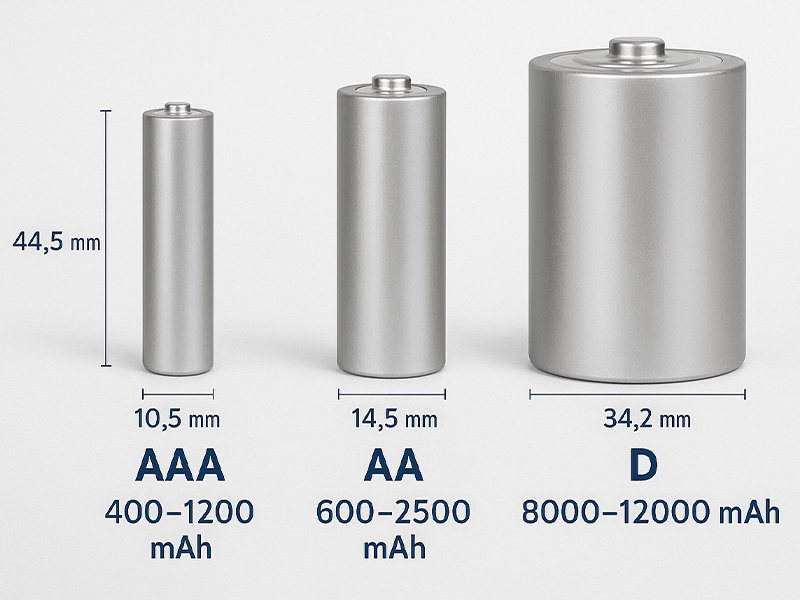
1.5 V batteries come in many sizes. AA batteries are a specific size of 1.5 V battery. An AA battery is about 50 millimeters long and 14 millimeters wide. Other 1.5 V batteries, like AAA, C, or D, have different lengths and widths. The size affects the fit in your device. Devices need the exact size to work properly.
Weight Comparison
Weight changes with size. AA batteries usually weigh about 23 grams. Smaller 1.5 V batteries like AAA weigh less, around 11 grams. Larger 1.5 V batteries like D can weigh over 140 grams. The weight influences how heavy your device feels. It also affects portability and comfort during use.
Power And Capacity
Understanding power and capacity helps to choose the right battery for devices. These two factors affect how long and how well a battery works. Comparing 1.5 V batteries and AA batteries reveals key differences.
Voltage Output
Both 1.5 V and AA batteries provide the same voltage output. The 1.5 V means the battery delivers 1.5 volts of electric power. This voltage suits many household devices like remotes and clocks. The voltage stays steady until the battery drains.
Energy Storage
Energy storage shows how much charge a battery holds. AA batteries often have more capacity than smaller 1.5 V cells. This means AA batteries last longer in devices. The capacity is measured in milliampere-hours (mAh). Higher mAh means longer usage time.
Discharge Rates
Discharge rate shows how fast a battery loses power. AA batteries handle higher discharge rates better. They can power devices that need more energy quickly. Smaller 1.5 V batteries may drain faster under heavy use. Choosing the right type depends on device power needs.

Credit: npplithium.com
Battery Chemistry Types
Batteries come in different types based on their chemistry. This chemistry affects how they perform and last. Understanding these types helps you choose the best battery for your devices. The common types include alkaline, lithium, and rechargeable batteries. Each has unique features and uses.
Alkaline Batteries
Alkaline batteries are the most common type. They use zinc and manganese dioxide in their chemical mix. These batteries offer good power and last longer than old-style zinc-carbon batteries. Alkaline batteries are great for low to medium drain devices like remote controls and clocks.
Lithium Batteries
Lithium batteries provide higher energy density than alkaline types. They use lithium metal or lithium compounds inside. These batteries work well in extreme temperatures and last much longer. Lithium batteries suit high-drain gadgets such as digital cameras and flashlights.
Rechargeable Options
Rechargeable batteries save money over time. Common rechargeable types include nickel-metal hydride (NiMH) and lithium-ion. They can be used many times by recharging. These batteries work well in devices that need frequent power, like gaming controllers and cordless phones.
Performance In Devices
Performance in devices depends on battery type and usage. Both 1.5 V batteries and AA batteries offer the same voltage. Yet, their performance varies in different devices. Choosing the right battery affects how long your device lasts and how well it works.
High-drain Devices
High-drain devices need more power quickly. Examples include digital cameras and toys. AA batteries often perform better here. They supply steady power for longer periods. Some 1.5 V batteries may lose power fast in such devices. This causes the device to stop working sooner.
Low-drain Devices
Low-drain devices use less power over time. Examples include remote controls and clocks. Both 1.5 V and AA batteries can last long here. These devices do not need constant high power. So, battery type matters less. Still, choosing quality batteries improves device life.
Longevity And Shelf Life
Longevity and shelf life are key factors when choosing between a 1.5 V battery and an AA battery. Both types deliver the same voltage, but their lasting power and storage abilities can differ. Understanding these differences helps pick the best battery for your needs. Let’s explore how each performs over time and in storage.
Storage Life
Storage life means how long a battery stays good before use. Most 1.5 V batteries have a shelf life of 5 to 10 years. AA batteries usually last around the same time. Proper storage in a cool, dry place helps keep batteries fresh. Avoid heat and moisture as they reduce shelf life.
Usage Duration
Usage duration is how long a battery powers a device. AA batteries often provide longer use in high-drain devices. Some 1.5 V batteries may drain faster in heavy use. The actual duration depends on the battery brand and device type. Checking device requirements helps choose the right battery for longer use.
Cost And Availability
Cost and availability play a big role in choosing between a 1.5 V battery and an AA battery. Both types offer power for many devices, but their prices and how easy they are to find can differ. Understanding these differences helps you pick the best option for your needs.
Price Comparison
1.5 V batteries usually cost less per unit than AA batteries. The size and brand affect the price of both types. Bulk packs often reduce the cost per battery. Low-cost options may have shorter lifespans. Spending a bit more can mean better quality and longer use. Comparing prices at local stores and online helps find good deals.
Market Availability
AA batteries are widely available almost everywhere. Most shops, supermarkets, and online stores stock them. 1.5 V batteries may be less common in some places. Specialty stores or electronics shops often carry 1.5 V sizes. Easy access to AA batteries makes them a popular choice. Checking availability before buying saves time and effort.
Environmental Impact
Batteries power many devices in daily life. The environmental impact of 1.5 V batteries and AA batteries is important. Both types often contain chemicals that harm nature. Proper handling reduces pollution and health risks. Understanding disposal and recycling helps protect the environment.
Disposal Concerns
Batteries contain heavy metals like mercury, cadmium, and lead. Throwing batteries in the trash can pollute soil and water. These metals can poison animals and plants. Landfills can leak harmful chemicals over time. Burning batteries releases toxic fumes into the air. Many people do not know how to dispose of batteries safely. Safe disposal helps prevent environmental damage.
Recycling Options
Recycling batteries recovers valuable materials. It reduces the need for new mining. Many stores and centers accept used batteries for recycling. This process prevents toxic chemicals from entering landfills. Recycled metals can be used in new products. Check local recycling programs for battery drop-off points. Recycling 1.5 V and AA batteries helps conserve resources and protect nature.
Choosing The Right Battery
Choosing the right battery is important for your devices. The right battery gives your device the power it needs. It also helps the battery last longer. This section explains how to pick the best battery for your device.
Device Compatibility
Check the device’s manual for battery type. Many devices need AA batteries. Some devices work with other 1.5 V batteries. Using the wrong battery can damage your device. Always match the battery size and type.
Power Needs
Some devices use more power than others. Toys and cameras often need strong batteries. AA batteries usually offer good power for many devices. Consider how long you want the device to run. Choose a battery that meets those power demands.
Budget Considerations
Batteries come in different prices. AA batteries are often affordable and easy to find. Some 1.5 V batteries may cost more. Think about how often you use the device. Balance cost with battery life and performance.

Credit: www.allelcoelec.com
Credit: www.sinexcel-re.com
Frequently Asked Questions
What Is The Difference Between 1.5v And Aa Batteries?
1. 5V refers to the voltage, while AA is a battery size. Most AA batteries provide 1. 5 volts. Voltage measures power, and size defines physical dimensions. They are often used interchangeably in common devices.
Can A 1.5v Battery Replace An Aa Battery?
Yes, if the 1. 5V battery matches the AA size and voltage, it can replace an AA battery. Always check compatibility with your device first.
Are All Aa Batteries 1.5 Volts?
Most standard AA batteries are 1. 5 volts. However, rechargeable AA batteries usually have 1. 2 volts. Voltage depends on battery chemistry and type.
Why Do Devices Specify Aa Batteries Instead Of Just 1.5v?
Devices specify AA to ensure the battery fits correctly. Voltage alone doesn’t guarantee proper size or contact points. AA is a standard physical format.
Conclusion
Choosing between a 1. 5 V battery and an AA battery depends on your device’s needs. Both provide the same voltage but differ in size and capacity. AA batteries are common and fit many gadgets easily. Smaller 1. 5 V batteries may suit compact devices better.
Always check your device’s requirements before buying. Understanding these differences helps you pick the right power source. This ensures your device works well and lasts longer. Simple choices can make a big difference in everyday use.