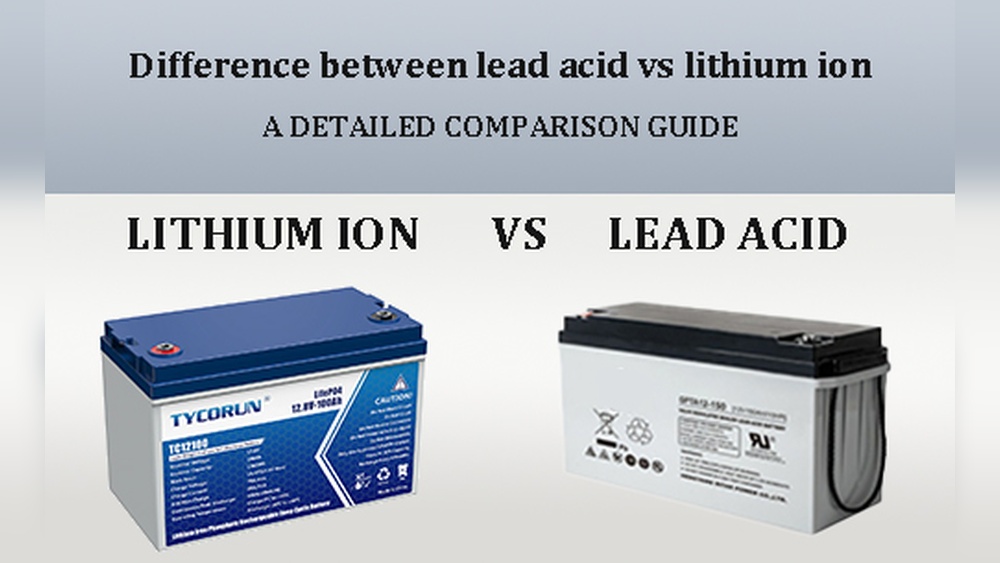
Lithium Ion Car Battery Vs Lead Acid: Ultimate Performance Showdown
When it comes to choosing the right car battery, you might feel overwhelmed by all the options. Two popular choices are lithium-ion and lead-acid batteries.
But which one fits your needs better? Understanding the key differences can save you money, boost your car’s performance, and even extend your battery’s life. Keep reading, and you’ll discover which battery is the smarter choice for your vehicle—and why it matters more than you think.
Battery Basics
Batteries power many vehicles today. They store energy to run the car’s engine and electronics. Two common types are lithium ion and lead acid batteries. Each works differently and suits different needs.
Understanding how these batteries work helps you make better choices. It also explains why one may last longer or weigh less than the other.
How Lithium Ion Batteries Work
Lithium ion batteries use lithium ions to store and release energy. Inside, ions move between the battery’s positive and negative sides. This movement creates an electric current that powers the car.
These batteries use lightweight materials. They hold more energy for their size. Charging and discharging happen without much energy loss. This makes them very efficient.
How Lead Acid Batteries Work
Lead acid batteries work with a chemical reaction between lead and acid. When the battery powers the car, lead sulfate forms on the plates inside. This reaction produces electrical energy.
They are heavier and bulkier than lithium ion batteries. Lead acid batteries cost less but have shorter life spans. They are common in older cars and backup power systems.
Energy Density And Weight
Energy density and weight play a key role in choosing car batteries. These factors affect how far and how efficiently a vehicle can run. Understanding the differences between lithium-ion and lead-acid batteries helps make a smart choice. Both types store energy differently and have distinct weights. These details impact vehicle performance and design.
Comparing Energy Storage
Lithium-ion batteries hold more energy per kilogram than lead-acid batteries. They have a higher energy density, which means more power in less space. Lead-acid batteries are heavier and store less energy. This limits their range and efficiency in electric vehicles. Lithium-ion packs can last longer and deliver steady power output. This makes them popular for modern electric cars.
Impact On Vehicle Weight
Lead-acid batteries add significant weight to vehicles. Their heavy mass reduces acceleration and increases energy use. Extra weight also affects handling and braking. Lithium-ion batteries weigh much less for the same energy storage. Lighter batteries improve vehicle speed and control. They help increase driving range by reducing overall weight. This makes lithium-ion a better option for many car makers.
Charge And Discharge Rates
Charge and discharge rates are key factors in choosing a car battery. They affect how fast a battery charges and how well it delivers power. These rates impact driving range, battery life, and overall car performance. Understanding these differences helps pick the best battery for your needs.
Charging Speed Differences
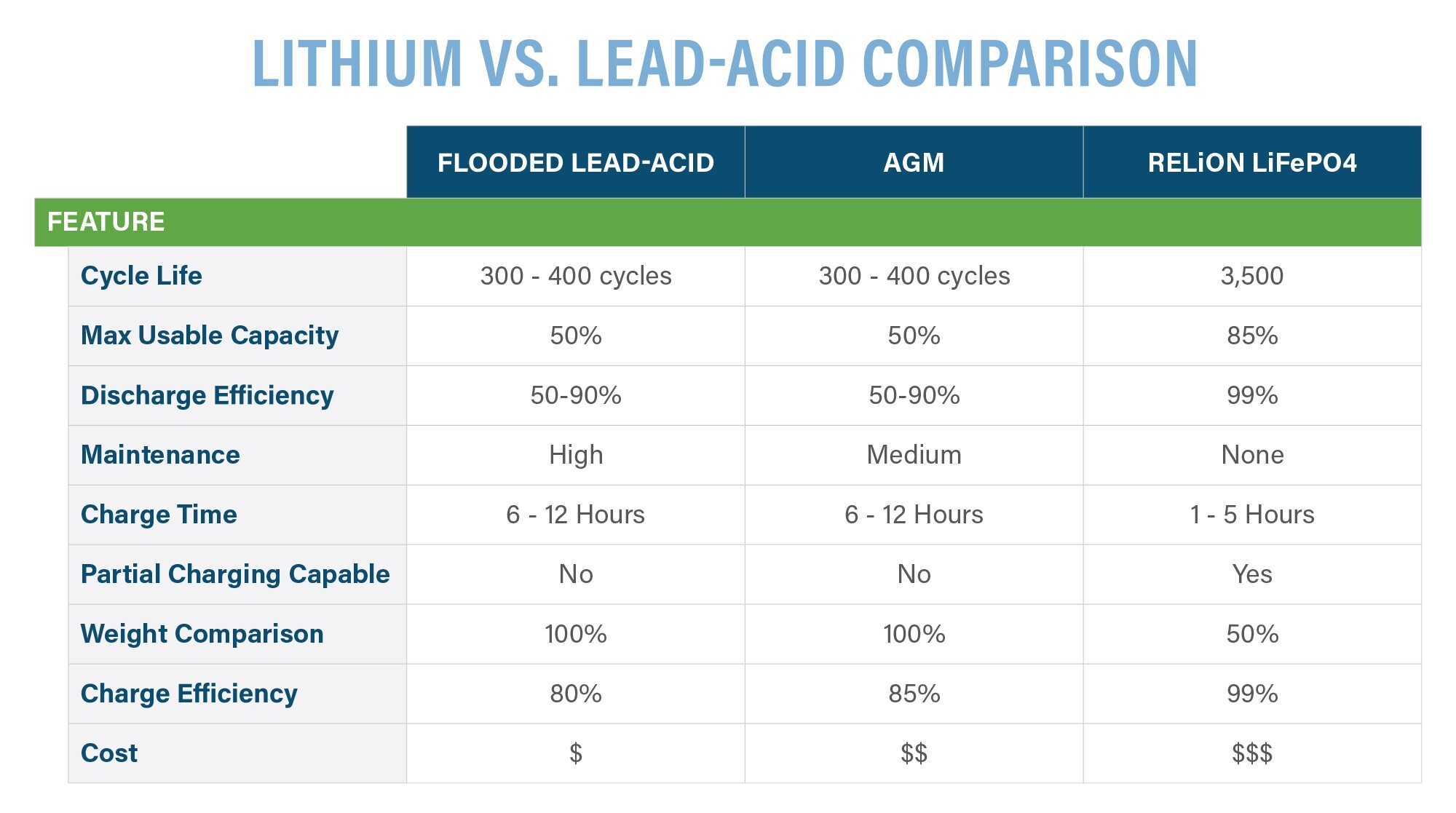
Lithium-ion batteries charge much faster than lead-acid batteries. They can reach full charge in a few hours. Lead-acid batteries often take 8 to 12 hours to charge fully. Faster charging means less downtime for electric vehicles. This is helpful for daily use and long trips.
Discharge Efficiency
Lithium-ion batteries release energy more efficiently. They maintain stable voltage during discharge. Lead-acid batteries lose voltage quickly as they discharge. This means lithium-ion batteries can power a car longer on one charge. Efficient discharge also reduces energy waste and heat generation.
Credit: www.relionbattery.com
Lifespan And Durability
The lifespan and durability of car batteries greatly affect vehicle performance and maintenance costs. Choosing the right battery type depends on how long it lasts and how well it handles daily use. Lithium ion and lead acid batteries differ significantly in these areas. Understanding their strengths helps make a better choice for your car.
Cycle Life Comparison
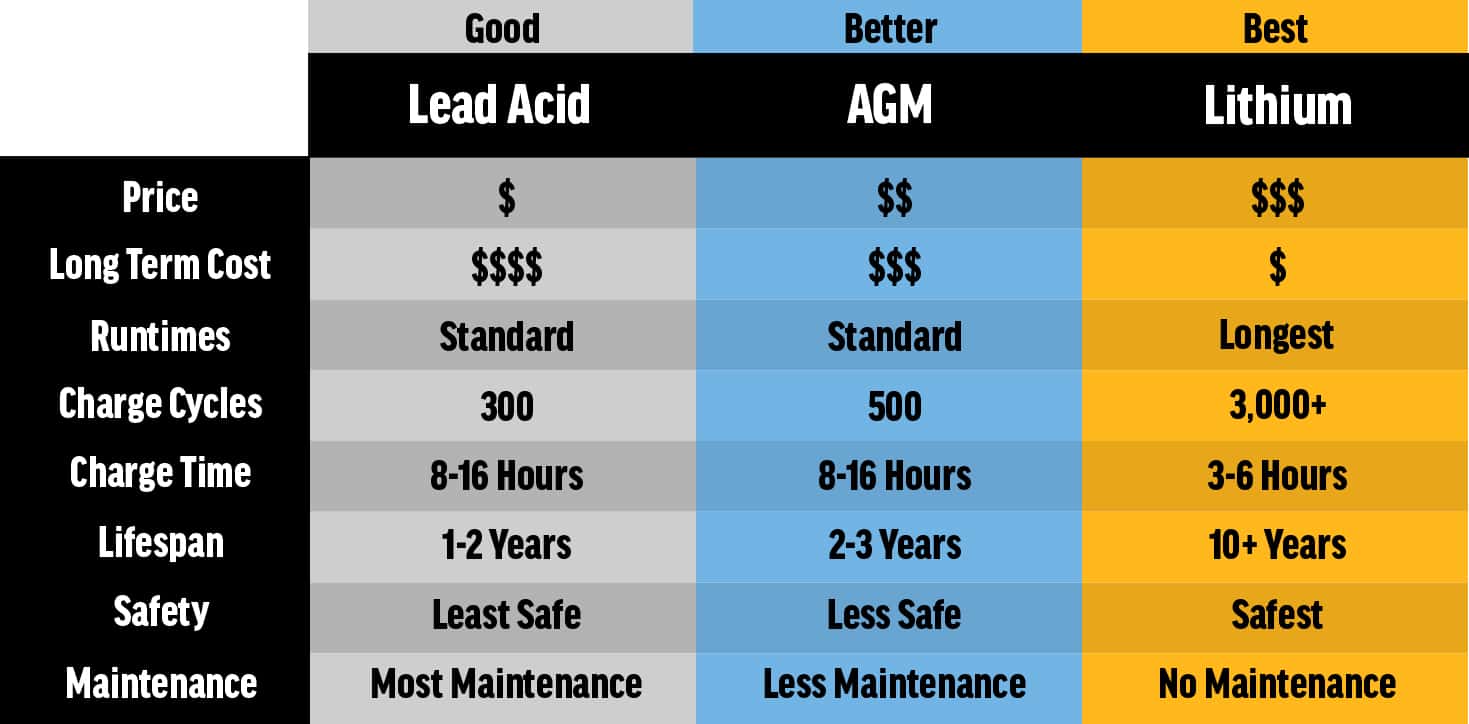
Cycle life means how many times a battery can charge and discharge before it fails. Lithium ion batteries usually have a cycle life between 1,000 and 2,000 cycles. Lead acid batteries often last only 300 to 500 cycles. This means lithium ion batteries can work for years longer without needing replacement. The longer cycle life reduces the cost and hassle of changing batteries often.
Resistance To Temperature And Stress
Temperature affects battery performance and lifespan. Lead acid batteries lose power quickly in cold weather. They also suffer damage from overheating. Lithium ion batteries handle temperature changes better. They perform well in both hot and cold conditions. Stress from vibrations and shocks is also less harmful to lithium ion batteries. This makes them more durable for daily driving and rough roads.
Cost And Maintenance
Cost and maintenance are key factors when choosing a car battery. Understanding these can help you pick the right one for your needs. Lithium ion and lead acid batteries differ a lot in these areas.
Initial Investment
Lithium ion batteries usually cost more upfront. Their advanced technology raises the price. Lead acid batteries are cheaper to buy. This makes them popular for budget-conscious buyers. The higher price of lithium ion may be offset by longer life and better performance.
Ongoing Maintenance Needs
Lead acid batteries need regular checks. They require water refilling and cleaning. Corrosion on terminals can be a problem. Lithium ion batteries need very little care. They do not leak or need water. This lowers the hassle and cost over time. Fewer maintenance tasks save time and money.
Credit: www.delongtop.com
Environmental Impact
Choosing between lithium-ion and lead-acid car batteries involves more than cost and performance. Environmental impact plays a big role. Understanding how these batteries affect the planet helps make better choices.
Material Sourcing And Recycling
Lithium-ion batteries use metals like lithium, cobalt, and nickel. Mining these materials can harm ecosystems and use a lot of water. Recycling lithium-ion batteries is complex but improving. Proper recycling reduces waste and recovers valuable metals.
Lead-acid batteries use lead, a toxic metal. Lead mining also damages the environment. Luckily, lead-acid batteries are highly recyclable. Around 95% of lead-acid battery materials get recycled. This high recycling rate lowers environmental harm.
Carbon Footprint
Lithium-ion batteries require more energy to produce. This results in a higher initial carbon footprint. Yet, they last longer and hold more charge. Over time, their carbon footprint per use drops significantly.
Lead-acid batteries need less energy to make. Their carbon footprint starts lower. But they have a shorter lifespan. Frequent replacements increase their overall environmental cost.
Safety Considerations
Safety is a key factor when choosing between lithium-ion and lead-acid car batteries. Each type has different risks and handling needs. Knowing these helps keep you and your vehicle safe. Understanding these safety points can prevent accidents and environmental harm.
Risk Of Fire And Explosion
Lithium-ion batteries store a lot of energy in a small space. This makes them more prone to catching fire if damaged or overheated. Faulty charging or physical damage can cause sparks or flames. Lead-acid batteries have a lower risk of fire but can produce explosive gases.
Lead-acid batteries release hydrogen gas during charging. This gas can ignite if exposed to sparks. Proper ventilation and careful charging reduce this risk. Both battery types require caution to avoid accidents.
Handling And Disposal
Lithium-ion batteries must be handled carefully to avoid damage. They should not be punctured or crushed. Disposal requires special recycling processes to recover valuable materials and prevent pollution.
Lead-acid batteries contain toxic lead and acid. These substances can harm people and the environment. Recycling lead-acid batteries is common and important for safety. Proper disposal prevents soil and water contamination.
Performance In Real-world Driving
Performance in real-world driving is a key factor when choosing between lithium-ion and lead-acid car batteries. Drivers want reliable power and good range without frequent stops for recharging or replacement. Each battery type offers different benefits and limits under normal driving conditions.
Range And Power Delivery
Lithium-ion batteries provide longer driving range compared to lead-acid batteries. They store more energy in a smaller space. This allows electric cars to travel farther on a single charge. Power delivery from lithium-ion batteries is steady and strong. They maintain voltage well even when the battery is low.
Lead-acid batteries have lower energy density. They deliver less driving range before needing a recharge. Power output can drop as the battery discharges. This may cause weaker acceleration and less consistent performance during driving.
Adaptability To Different Vehicles
Lithium-ion batteries suit a wide range of modern vehicles. They work well in electric cars, hybrids, and even some plug-in models. Their lightweight design helps improve vehicle efficiency and handling. These batteries adapt well to different driving styles and climates.
Lead-acid batteries fit traditional vehicles and some older electric models. Their heavier weight affects vehicle performance and fuel efficiency. These batteries need more maintenance and may not perform well in extreme temperatures. They are less flexible for use in newer vehicle technologies.
Future Trends And Innovations
The future of car batteries is changing fast. New ideas and better tech will shape how batteries work in cars. This section talks about the trends and innovations in lithium-ion and lead-acid batteries. These changes aim to make batteries last longer, charge quicker, and stay safer.
Both types of batteries have room to grow. They will become more useful for electric vehicles and other car needs. Here is a look at what might come next.
Advancements In Lithium Ion Tech
Lithium-ion batteries are getting better every year. Scientists work on making them hold more energy. This means cars can drive farther on one charge. New materials help batteries charge faster and reduce heat.
Battery life is also improving. This lowers the need to replace batteries often. Research focuses on making batteries safer by cutting risks of fires. Solid-state lithium-ion batteries are a key area. They promise higher energy and better safety.
Potential Improvements In Lead Acid
Lead-acid batteries still have a place in cars. Engineers find ways to make them last longer. New designs reduce weight and improve power output. This makes them better for start-stop car systems.
Recycling lead from old batteries is getting more efficient. Cleaner production methods reduce environmental impact. Innovations in lead-acid tech aim to keep costs low. They remain reliable for many car models.
Credit: www.axcs.com
Frequently Asked Questions
What Are The Main Differences Between Lithium Ion And Lead Acid Batteries?
Lithium ion batteries are lighter, last longer, and charge faster. Lead acid batteries are heavier, cheaper, and have shorter lifespans. Lithium ion offers better energy density and efficiency, making it ideal for electric vehicles. Lead acid is commonly used in traditional cars due to lower cost.
Which Battery Type Is Better For Electric Cars?
Lithium ion batteries are better for electric cars due to higher energy density and longer cycle life. They provide more range and faster charging, enhancing vehicle performance. Lead acid batteries are less efficient and heavier, making them less suitable for modern electric vehicles.
How Does Battery Lifespan Compare Between The Two Types?
Lithium ion batteries typically last 8 to 10 years or 1,000 to 2,000 cycles. Lead acid batteries last around 3 to 5 years or 300 to 500 cycles. Lithium ion batteries maintain performance longer, reducing replacement frequency and overall costs.
Are Lithium Ion Batteries More Expensive Than Lead Acid?
Yes, lithium ion batteries have higher upfront costs than lead acid batteries. However, their longer lifespan and efficiency reduce long-term expenses. Lead acid batteries are cheaper initially but require more frequent replacements and maintenance.
Conclusion
Choosing between lithium-ion and lead-acid batteries depends on your needs. Lithium-ion batteries last longer and weigh less. Lead-acid batteries cost less and are easier to recycle. Both types have pros and cons. Consider your budget, vehicle type, and use. Think about how often you drive and recharge.
Each battery fits different situations. Knowing the differences helps you pick the right one. This saves money and avoids problems later. Choose smartly for better car performance and reliability.