Marine Vs Rv Battery: Ultimate Comparison for Power and Durability
Choosing the right battery can make all the difference when you’re out on the water or hitting the road. You might be wondering, should you go for a marine battery or an RV battery?
Each type is designed for specific needs, and picking the wrong one could leave you stranded or damage your equipment. You’ll discover the key differences between marine and RV batteries, so you can make the best choice for your adventures.
Keep reading to find out which battery fits your lifestyle and keeps your power running smoothly.

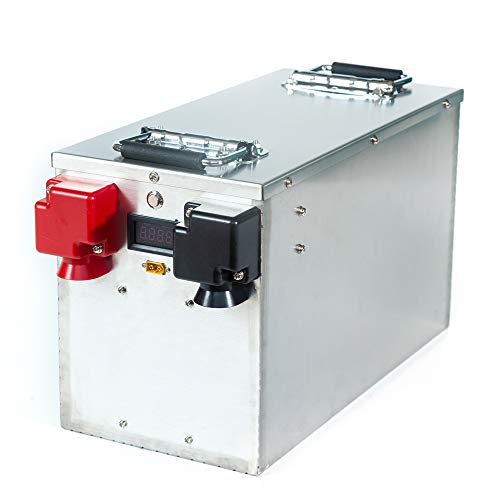
Credit: www.amazon.com
Types Of Marine Batteries
Marine batteries power boats and water vehicles. Choosing the right type helps your boat run well. There are three main types of marine batteries. Each one serves a different purpose on the water.
Starting Batteries
Starting batteries provide a quick burst of power. They help start the boat’s engine fast. These batteries have many thin plates. They deliver high power for a short time. Not made for long, deep discharges. Best for engine starting only.
Deep Cycle Batteries
Deep cycle batteries give steady power over time. Made with thick plates to last longer. They can be deeply discharged and recharged many times. Used for running lights, fish finders, and other devices. Ideal for continuous energy use on boats.
Dual Purpose Batteries
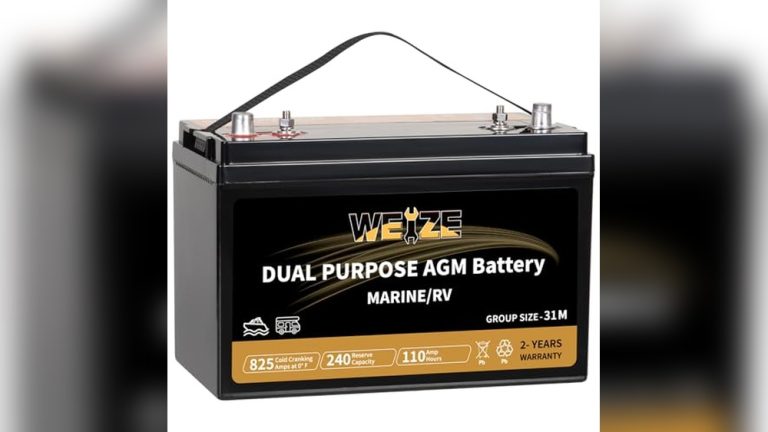
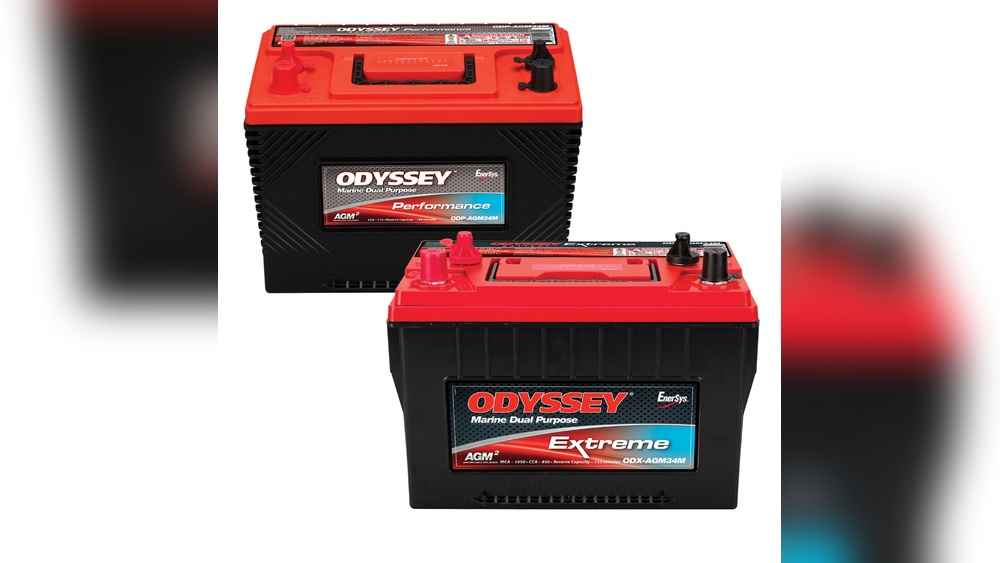
Dual purpose batteries combine features of both types. They provide engine starting power and steady energy for devices. Good choice for boats with moderate power needs. Offer a balance between quick bursts and long use. Save space by serving two roles.
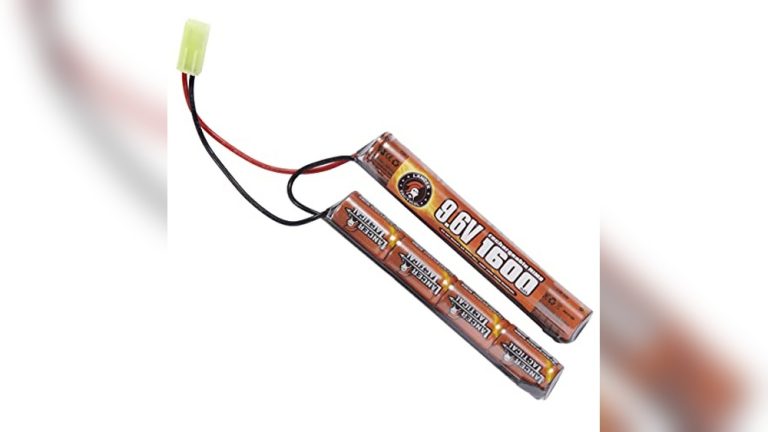
Credit: www.odysseybattery.com
Types Of Rv Batteries
Choosing the right battery for your RV matters. Different battery types offer unique benefits and drawbacks. Understanding these types helps you pick the best power source for your needs. Here are the main types of RV batteries.
Flooded Lead Acid Batteries
Flooded lead acid batteries are the traditional choice for RVs. They are affordable and widely available. These batteries require regular maintenance, like checking water levels. They need to be kept upright to avoid leaks. Flooded batteries work well for long, steady energy use.
Agm Batteries
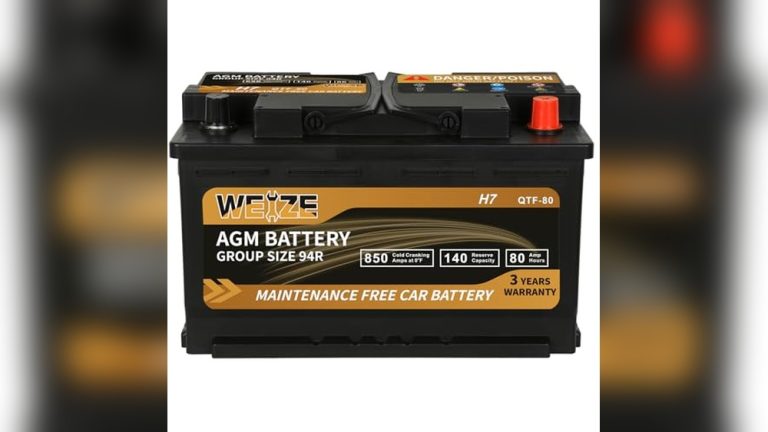
AGM stands for Absorbed Glass Mat. These batteries are sealed and maintenance-free. They offer better resistance to vibration and shocks. AGM batteries charge faster than flooded ones. They are safer since they do not spill acid. These batteries perform well in cold weather.
Lithium-ion Batteries
Lithium-ion batteries are lighter and more compact. They have a longer lifespan compared to lead acid types. These batteries charge quickly and hold power longer. They cost more but save weight and space. Lithium-ion batteries are good for frequent RV travelers.
Power Output And Capacity
Power output and capacity are key factors in choosing the right battery for marine or RV use. These batteries must supply enough energy for different needs. Marine batteries face rough conditions and need strong bursts of power. RV batteries focus on long-lasting energy for appliances and lights. Understanding these differences helps pick the best battery.
Amp Hour Ratings
Amp hour (Ah) ratings show how much energy a battery stores. Higher Ah means longer energy supply. RV batteries often have higher Ah for extended use. Marine batteries have lower Ah but provide quick power bursts. Knowing Ah helps match the battery to your energy needs.
Cranking Power
Cranking power is the battery’s ability to start an engine. Marine batteries need high cranking power to start boat engines fast. This power is measured in cold cranking amps (CCA). RV batteries usually have lower CCA since they don’t start engines often. Strong cranking power protects against engine starting problems.
Sustained Energy Delivery
Sustained energy delivery means how long a battery can provide steady power. RV batteries excel here, powering lights and devices for hours. Marine batteries focus less on steady power and more on short bursts. Choosing a battery with proper energy delivery ensures your devices keep running smoothly.
Durability And Lifespan
Durability and lifespan are key factors when choosing a battery for marine or RV use. These batteries face different conditions that affect their performance and longevity. Understanding these differences helps pick the right battery for your needs. This section explores how marine and RV batteries stand up to vibration, their cycle life, and maintenance demands.
Resistance To Vibration And Shock
Marine batteries are built to resist constant vibration and shock from waves and boat movement. Their sturdy design helps avoid damage in rough water conditions. RV batteries face less vibration but still need some durability for travel on roads. Marine batteries usually have stronger cases and internal supports to handle harsher environments.
Cycle Life Expectancy
Cycle life means how many times a battery can be charged and discharged before it loses capacity. Marine batteries often have deeper cycle life because boats use power steadily over long trips. RV batteries may have fewer cycles as they often support short bursts of power. Choosing a battery with the right cycle life ensures longer use without replacement.
Maintenance Requirements
Marine batteries need regular checks for water levels and corrosion due to exposure to saltwater. They often require more care to keep them working well. RV batteries usually demand less maintenance but still need charging and cleaning to avoid damage. Proper care extends battery life and keeps performance steady.
Environmental Factors
Environmental factors affect how well marine and RV batteries work. These batteries face different conditions that can impact their life and performance. Understanding these factors helps choose the right battery for your needs. The main aspects are temperature, moisture, and corrosion.
Temperature Tolerance
Marine batteries handle wide temperature ranges better than RV batteries. Boats often face cold nights and hot days on water. Marine batteries stay stable and deliver power in these changes. RV batteries work well in moderate temperatures but can lose efficiency in extreme heat or cold. High heat may reduce battery life. Cold can lower battery output.
Water And Moisture Resistance
Marine batteries are built to resist water and moisture. Saltwater and rain can damage regular batteries quickly. Marine batteries have sealed cases to prevent water entry. RV batteries are less resistant to moisture. They need to be kept dry to avoid damage. Proper placement inside the vehicle helps protect RV batteries.
Corrosion Protection
Saltwater causes corrosion on battery terminals and parts. Marine batteries use special coatings and materials to fight corrosion. This extends their life and keeps them working well. RV batteries face less corrosion risk but still need maintenance. Cleaning terminals and checking connections prevent corrosion issues in any battery.
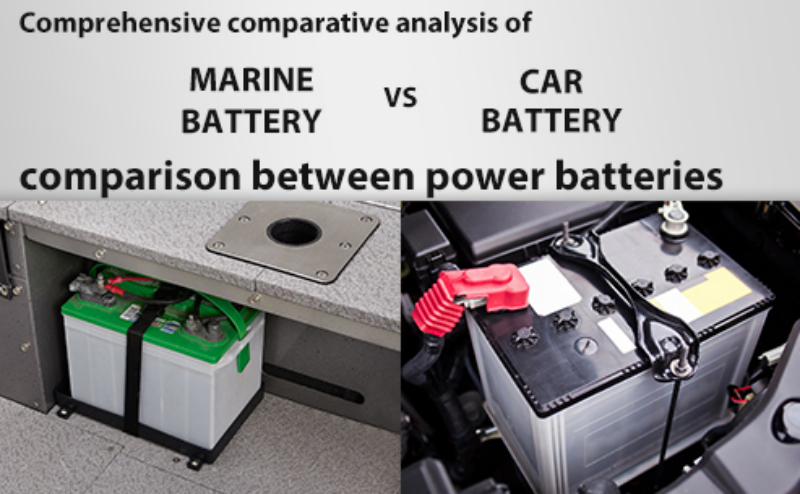
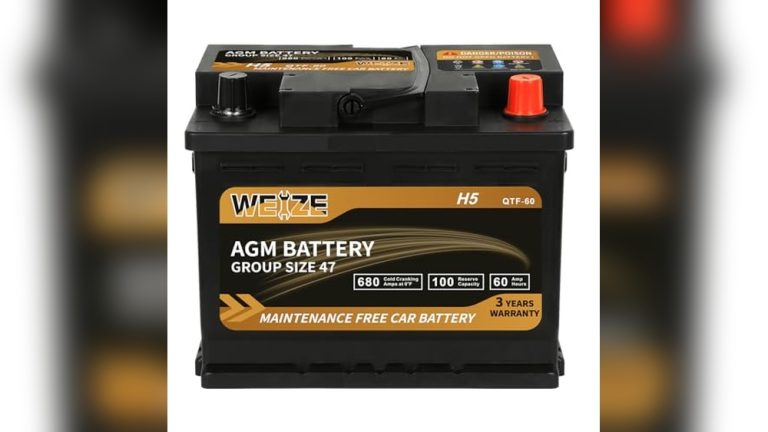
Credit: www.tycorun.com
Cost And Value
Choosing between marine and RV batteries means considering both cost and value. Cost covers the money spent at first and later. Value is about how well the battery performs for its price. Understanding these helps make the best choice for your needs.
Initial Purchase Price
Marine batteries often cost more than RV batteries. This price difference is due to their design for tough water conditions. RV batteries tend to be cheaper because they handle less harsh environments. The initial cost depends on battery size and type too. Knowing your budget helps pick the right battery.
Long-term Cost Efficiency
Marine batteries usually last longer with deep cycles. This means fewer replacements and less money spent over time. RV batteries might need more frequent changes, raising long-term costs. Maintenance also affects expenses. Marine batteries often require more care but give better performance. Consider usage to balance cost and efficiency.
Warranty And Support
Warranties protect your investment by covering defects and failures. Marine batteries often have stronger warranties due to their higher price. RV batteries sometimes offer shorter warranty periods. Support from manufacturers can help solve problems fast. Check warranty terms carefully before buying. Good support adds value beyond just price.
Installation And Compatibility
Installing a battery in a marine or RV setting requires attention to compatibility. The right fit ensures safety and performance. Each type has unique needs for size, voltage, and connectors. Understanding these differences helps avoid problems.
Physical Size And Weight
Marine batteries are often heavier and larger. They need extra durability against water and motion. RV batteries tend to be lighter and more compact. This helps save space in tight compartments. Measuring your battery space before buying is key.
Voltage And Connector Types
Most marine and RV batteries use 12 volts. Some setups may require 6 or 24 volts. Connector types also vary by model and brand. Marine batteries usually have terminals built for wet conditions. RV connectors focus on easy access and quick swaps.
Ease Of Replacement
Marine battery replacement can be tricky due to tight spaces and safety rules. RV batteries often allow easier access and faster changes. Knowing how to disconnect and reconnect is important. Proper tools and clear space make the job smoother.
Best Use Cases
Choosing the right battery depends on the task. Marine and RV batteries serve different needs. Each type fits specific environments and power demands. Knowing their best uses helps pick the right one for your adventure.
Ideal Applications For Marine Batteries
Marine batteries are built for water use. They handle rough waves and constant vibration well. These batteries power boat engines and onboard electronics. They work best in saltwater and freshwater boats. Marine batteries supply high bursts of power for starting engines. They also support trolling motors and fish finders. Their design resists corrosion from moisture and salt. This makes them perfect for boating trips and fishing days.
Ideal Applications For Rv Batteries
RV batteries support living needs on the road. They provide steady, long-lasting power for appliances. Lights, refrigerators, and fans run smoothly on RV batteries. They handle slow, deep discharges during camping stays. RV batteries work well in dry and stable conditions. They charge from solar panels or vehicle alternators. This type fits well for weekend trips and long travels. Their strength lies in keeping your RV comfortable and alive.
Cross-usage Considerations
Using marine batteries in RVs or vice versa requires care. Marine batteries deliver quick power bursts but may lack deep cycle ability. RV batteries provide steady power but might not start engines well. Check battery size and voltage before swapping. Consider climate and moisture exposure too. Using the right battery extends life and improves performance. Match battery type to your main power needs for best results.
Frequently Asked Questions
What Is The Main Difference Between Marine And Rv Batteries?
Marine batteries are designed for wet, salty environments and handle constant vibrations. RV batteries focus on deep cycling to power appliances for long durations. Both types differ in construction, durability, and usage needs.
Can I Use A Marine Battery In An Rv?
You can use a marine battery in an RV, but it may not last long. Marine batteries aren’t optimized for deep cycling like RV batteries. Using the correct battery type ensures better performance and longevity.
How Long Do Marine Batteries Typically Last?
Marine batteries usually last 3 to 5 years with proper care. Their lifespan depends on usage, maintenance, and charging habits. Frequent deep discharges can shorten their life.
Are Rv Batteries Suitable For Marine Environments?
RV batteries are not ideal for marine use. They lack the corrosion resistance and vibration durability required for boats. It’s best to use marine-specific batteries on watercraft.
Conclusion
Choosing between marine and RV batteries depends on your power needs. Marine batteries handle rough water conditions well. RV batteries focus on steady power for appliances. Both types have strengths in different areas. Think about how and where you will use the battery.
Proper care can make any battery last longer. Match the battery to your lifestyle and equipment. This helps avoid problems and saves money. Pick the right battery and enjoy reliable power every trip.