Aa Battery Vs 18650: Ultimate Comparison for Power and Performance
Choosing the right battery can feel confusing, especially when you see options like AA batteries and 18650 batteries everywhere. But which one is really better for your needs?
Whether you’re powering a flashlight, a remote, or a gadget, understanding the difference between AA and 18650 batteries can save you time, money, and frustration. You’ll discover the key facts that make these two types unique, so you can pick the perfect power source with confidence.
Keep reading to unlock the secrets that most people miss when comparing AA batteries vs 18650!
Credit: www.tycorun.com
Basics Of Aa Battery
AA batteries are among the most popular power sources worldwide. They are simple, reliable, and easy to use. Understanding their basics helps in choosing the right battery for your needs. Let’s explore what makes AA batteries a common choice.
Size And Design
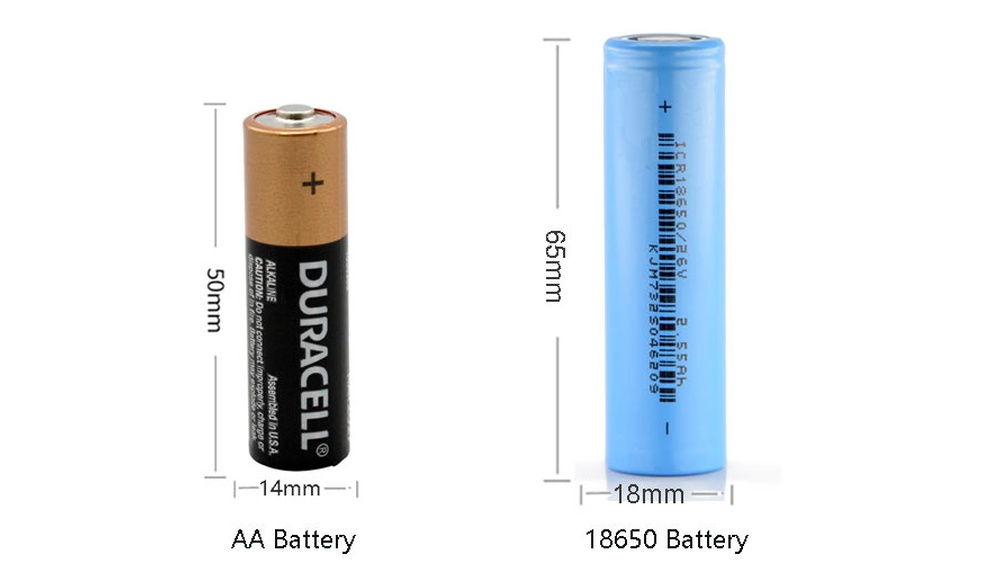
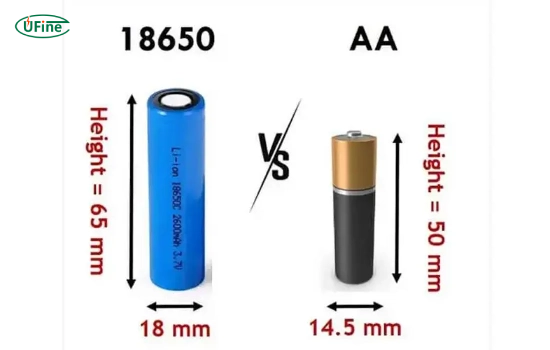
AA batteries are small and cylindrical. They measure about 50.5 mm in length and 14.5 mm in diameter. This compact size fits many devices easily. Their design includes a positive terminal on one end and a flat negative end. This shape makes them easy to insert correctly.
Chemistry Types
AA batteries come in different chemical types. The most common are alkaline and lithium. Alkaline batteries are cheaper and good for low-drain devices. Lithium AA batteries last longer and work well in extreme temperatures. Rechargeable nickel-metal hydride (NiMH) types are also popular for repeated use.
Common Uses
AA batteries power many household items. Remote controls, clocks, toys, and flashlights often use AA cells. Their availability and low cost make them a favorite choice. Many portable electronics rely on AA batteries for easy replacement.
Basics Of 18650 Battery
The 18650 battery is a popular choice for many electronic devices. It offers more power than standard batteries. Understanding its basics helps to see why it is widely used. This battery is different from the common AA battery in size, capacity, and design. Here is a closer look at the key aspects of the 18650 battery.
Size And Design
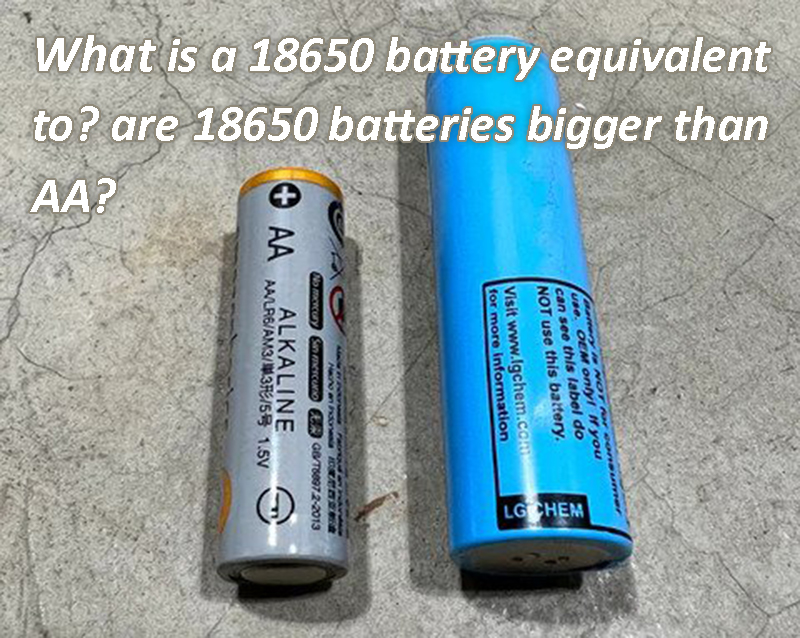
The 18650 battery is cylindrical and larger than AA batteries. It measures 18mm in diameter and 65mm in length. The number 18650 comes from these dimensions. It has a flat or button top design. This size allows it to hold more energy. The design supports high current output for devices.
Chemistry Types
Most 18650 batteries use lithium-ion chemistry. This type stores more energy than alkaline AA batteries. Common variants include Lithium Cobalt Oxide and Lithium Iron Phosphate. Each type has different power and safety features. Lithium-ion cells recharge many times without losing capacity.
Common Uses
18650 batteries power laptops, flashlights, and electric vehicles. They also appear in vape devices and portable power banks. Their high energy density suits high-drain devices. Many DIY electronics projects use 18650 cells too. Their versatility makes them a preferred choice over AA batteries.
Power Output Comparison
Comparing the power output of AA batteries and 18650 batteries reveals clear differences. Each battery type serves different devices and needs. Understanding these differences helps choose the right battery for your device.
Voltage Differences
AA batteries usually provide 1.5 volts. This is the standard for alkaline AA cells. Rechargeable AA batteries offer around 1.2 volts. On the other hand, 18650 batteries deliver about 3.7 volts. This higher voltage suits devices needing more power. The voltage difference means 18650 batteries can power more demanding gadgets.
Capacity And Runtime
Capacity measures how long a battery lasts. AA batteries typically have 2000 to 3000 mAh capacity. 18650 batteries often range from 2000 to 3500 mAh or more. Higher capacity means longer runtime. Devices using 18650 batteries generally run longer between charges. This makes 18650 batteries ideal for high-drain devices like flashlights and laptops.
Performance In Devices
Performance in devices varies greatly between AA batteries and 18650 cells. Each battery type suits different needs and device types. Understanding their strengths helps you choose the right battery for your gadget.
High Drain Applications
18650 batteries perform well in high drain devices like flashlights and power tools. They deliver more continuous power and last longer under heavy use. Their larger size allows for higher capacity and better current flow. AA batteries struggle to keep up in these situations. They may drain quickly or cause device power to drop.
Low Drain Applications
AA batteries work well in low drain devices such as remote controls and clocks. They provide steady power over a long period at a low current. 18650 batteries are often too large and powerful for these small gadgets. Using AA batteries here is more cost-effective and convenient. They fit better and do not waste excess energy.
Rechargeability And Lifespan
Rechargeability and lifespan are key factors in choosing between AA batteries and 18650 batteries. These aspects affect cost, convenience, and environmental impact. Understanding how each battery performs helps you make a smart choice for your devices.
Recharge Cycles
18650 batteries typically support more recharge cycles than AA batteries. They can often be recharged 300 to 500 times. Standard AA rechargeable batteries usually last around 100 to 200 cycles. More recharge cycles mean the battery lasts longer before replacement. This makes 18650 batteries a better choice for frequent use.
Shelf Life
Shelf life refers to how long a battery holds its charge when unused. AA batteries usually hold charge well for 3 to 5 years. 18650 batteries can last 2 to 3 years on the shelf. Proper storage keeps both types effective longer. Cool, dry places help maintain battery health and lifespan.
Safety Considerations
Safety is important when using AA batteries and 18650 batteries. Both types have risks if not handled correctly. Knowing how to store and use them can prevent accidents. This section explains key safety points for each battery type.
Handling And Storage
AA batteries are usually safe and simple to handle. Keep them in a cool, dry place. Avoid mixing old and new batteries together. Do not carry loose batteries in pockets. This can cause a short circuit.
18650 batteries need more care. They are powerful and can be dangerous if damaged. Store them in a battery case or cover the terminals. Avoid dropping or bending these batteries. Keep them away from metal objects.
Overcharge And Short Circuit Risks
AA batteries rarely face overcharge issues because they are mostly non-rechargeable. Rechargeable AA batteries require a proper charger to avoid damage. Overcharging can cause leakage or swelling.
18650 batteries are rechargeable but sensitive to overcharging. Use a charger made for 18650 type only. Overcharging may lead to overheating or fire. Short circuits in 18650 batteries can cause sparks or explosions. Proper protection circuits are essential to reduce these risks.
Cost And Availability
Cost and availability play a big role in choosing between AA batteries and 18650 batteries. Both types have clear differences in price and how easy they are to find. This affects what you might buy for your devices.
Price Comparison
AA batteries usually cost less per unit. They are often sold in packs of four or more, lowering the cost. 18650 batteries tend to be more expensive. Their price is higher because of larger capacity and rechargeable features. Over time, 18650 batteries can save money due to rechargeability. But the upfront cost is a key point to consider.
Market Availability
AA batteries are widely available almost everywhere. Stores, supermarkets, and online shops carry them. They fit many common devices like remotes, toys, and clocks. 18650 batteries are less common in regular stores. They mostly appear in specialty shops or online. These batteries are popular for high-drain devices like flashlights and laptops. Availability depends on your location and device needs.
Credit: www.ufinebattery.com
Choosing The Right Battery
Choosing the right battery can make a big difference in how your device works. Both AA batteries and 18650 batteries have unique features. Picking the best one depends on what you need and where you will use it. This guide helps you decide by looking at key points like device compatibility, performance needs, and budget factors.
Device Compatibility
Check your device’s battery slot size first. Most small gadgets use AA batteries. These fit easily and are widely available. Larger devices or high-power tools may need 18650 batteries. These batteries are longer and thicker. Using the wrong battery can damage your device or reduce its life. Always match the battery type with the device’s requirements.
Performance Needs
Performance depends on battery capacity and power output. AA batteries usually offer moderate power for everyday tasks. They work well in remotes, clocks, and small toys. 18650 batteries provide higher capacity and better power. They suit flashlights, laptops, and electric tools. Think about how long you want your device to run. Choose a battery that meets those power demands without frequent changes.
Budget Factors
Price can affect your choice between AA and 18650 batteries. AA batteries cost less upfront and are easy to replace. They come in disposable and rechargeable types. 18650 batteries are more expensive but last longer per charge. They save money over time if you use high-drain devices. Consider how often you use your device and how much you want to spend on batteries.

Credit: npplithium.com
Frequently Asked Questions
What Are The Main Differences Between Aa And 18650 Batteries?
AA batteries are smaller, usually 1. 5V alkaline cells. 18650 batteries are larger, rechargeable lithium-ion cells with 3. 7V. 18650s offer higher capacity and power output, suitable for high-drain devices. AA batteries are common in everyday gadgets with lower power needs.
Which Battery Lasts Longer, Aa Or 18650?
18650 batteries generally last longer due to higher capacity, often 2000-3500mAh. AA batteries have lower capacity, typically 1500-3000mAh for alkaline. Rechargeable 18650s provide extended use and recharge cycles, making them more durable for frequent use compared to disposable AA cells.
Can Aa Batteries Replace 18650 Batteries?
AA batteries cannot directly replace 18650 batteries due to voltage and size differences. 18650 cells provide 3. 7V, while AA batteries offer 1. 5V. Devices designed for 18650 require specific voltage and size, so using AA batteries may damage the device or cause malfunction.
Are 18650 Batteries Safer Than Aa Batteries?
Both batteries are safe when used properly, but 18650 lithium-ion cells require careful handling. 18650s can overheat or catch fire if damaged or improperly charged. AA alkaline batteries pose less risk but can leak if left unused for long periods.
Conclusion
Choosing between AA batteries and 18650 depends on your device needs. AA batteries are common and easy to find. They work well for low-power gadgets. 18650 batteries hold more energy and last longer. They suit high-power devices like flashlights and laptops.
Think about size, power, and cost before buying. Each battery type has its strengths. Use the one that fits your device best. Simple and smart choice saves you time and money.