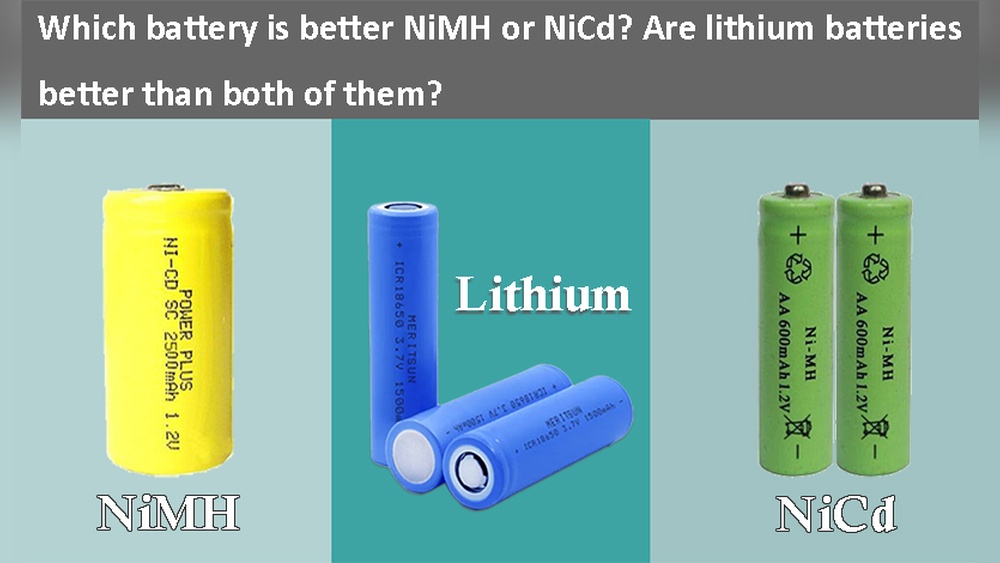
Nickel Metal Hydride Battery Vs Nickel Cadmium: Ultimate Comparison Guide
When it comes to choosing the right rechargeable battery for your devices, you might feel overwhelmed by all the technical names and options. Two popular types you’ve probably heard of are Nickel Metal Hydride (NiMH) and Nickel Cadmium (NiCd) batteries.
But which one is better for your needs? Understanding the key differences between these batteries can save you money, improve your device’s performance, and even protect the environment. Keep reading, and you’ll discover exactly how NiMH and NiCd batteries stack up against each other—so you can make the smartest choice every time.
Battery Chemistry
The chemistry inside a battery decides how it works and how long it lasts. Nickel Metal Hydride (NiMH) and Nickel Cadmium (NiCd) batteries use different materials. These materials affect their power, weight, and safety. Understanding the chemistry helps you choose the right battery for your needs.
Composition Of Nickel Metal Hydride
NiMH batteries use a metal alloy for the negative electrode. The positive electrode is made of nickel oxide hydroxide. The electrolyte is usually potassium hydroxide. The metal alloy can store more hydrogen atoms than nickel cadmium. This gives NiMH batteries higher capacity.
Composition Of Nickel Cadmium
NiCd batteries have nickel oxide hydroxide as the positive electrode too. Their negative electrode is made of cadmium. The electrolyte is also potassium hydroxide. Cadmium is toxic and heavy. It makes NiCd batteries more durable but less environmentally friendly.
Chemical Reactions In Both Batteries
In NiMH batteries, the negative electrode absorbs and releases hydrogen ions. The positive electrode changes between nickel oxide and nickel hydroxide. This process stores and releases energy efficiently. NiCd batteries work by exchanging electrons between cadmium and nickel electrodes. Cadmium changes from metal to cadmium hydroxide during discharge. Nickel changes between nickel hydroxide and nickel oxide. Both batteries use reversible chemical reactions to charge and discharge.
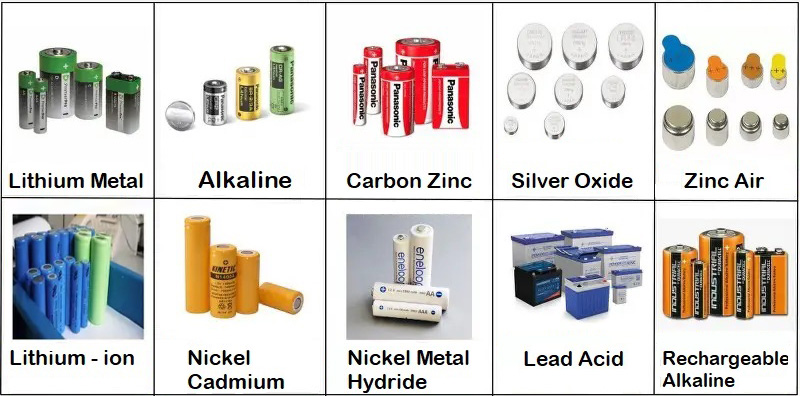
Credit: www.fairfaxcounty.gov
Performance Factors
Performance factors play a key role in choosing between Nickel Metal Hydride (NiMH) and Nickel Cadmium (NiCd) batteries. These factors affect how well the battery works in real life. They help users understand which battery fits their needs best. Three main areas to consider are energy density, charge and discharge rates, and the memory effect.
Energy Density Comparison
Energy density means how much energy a battery stores in a certain size. NiMH batteries hold more energy than NiCd batteries. This makes NiMH better for devices needing longer use. NiCd batteries have lower energy density, so they need more space for the same power. NiMH batteries are lighter and last longer between charges.
Charge And Discharge Rates
Charge rate is how fast a battery can recharge. Discharge rate is how quickly it can release energy. NiCd batteries handle high charge and discharge rates well. They are good for tools and devices needing quick power bursts. NiMH batteries charge slower but offer steady power output. They work best for devices needing long, consistent use.
Memory Effect Impact
Memory effect reduces battery capacity if recharged before fully drained. NiCd batteries suffer more from memory effect. This means they lose capacity if not fully used before charging. NiMH batteries have less memory effect, so they keep capacity longer. Users do not need to fully discharge NiMH batteries each time.
Environmental Impact
Batteries impact the environment differently based on their materials and disposal. Nickel Metal Hydride (NiMH) and Nickel Cadmium (NiCd) batteries contain metals that affect soil and water. Understanding their environmental impact helps choose safer options. This section explains the differences in toxicity, recycling, and sustainability.
Toxicity Levels
NiCd batteries contain cadmium, a highly toxic metal. Cadmium can harm humans and wildlife. It can cause kidney damage and cancer. NiMH batteries use nickel and metal hydrides, which are less harmful. Nickel is toxic but less dangerous than cadmium. NiMH batteries pose lower health risks during use and disposal.
Recycling And Disposal
Both batteries need proper recycling to prevent pollution. NiCd batteries require special handling due to cadmium’s toxicity. Improper disposal can release cadmium into the environment. NiMH batteries are easier to recycle and less hazardous. Recycling programs help recover valuable metals and reduce waste. Avoid throwing batteries in regular trash bins.
Sustainability Considerations
NiMH batteries are more sustainable than NiCd types. NiMH uses fewer toxic materials, reducing environmental harm. Their longer life span means fewer replacements are needed. NiCd batteries have shorter life cycles and higher pollution risks. Choosing NiMH supports eco-friendly battery use and disposal.
Cost And Availability
Cost and availability play a big role in choosing between Nickel Metal Hydride (NiMH) and Nickel Cadmium (NiCd) batteries. These factors affect how easy it is to buy and use these batteries. Understanding the differences helps buyers make smart choices for their needs.
Manufacturing Costs
NiCd batteries cost less to make because their materials are cheaper. Cadmium is a common metal and easy to process. NiMH batteries use rare metals like lanthanum, making them more expensive to produce. The complex design of NiMH cells also raises costs.
Market Availability
NiCd batteries have been around longer and are widely available in many stores. Many industries still rely on NiCd batteries for specific uses. NiMH batteries are growing in popularity but may be harder to find in some regions. Online stores often stock more NiMH options than physical shops.
Price Trends
NiCd battery prices have stayed stable for years due to steady demand. NiMH prices have dropped recently as technology improves and production scales up. This trend may continue, making NiMH more affordable over time. Buyers can expect better deals on NiMH batteries soon.
Applications And Usage
Batteries power many devices in daily life. Choosing the right battery depends on its application and use. Nickel Metal Hydride (NiMH) and Nickel Cadmium (NiCd) batteries serve different needs. Their strengths fit different products and environments.
Understanding where each battery type works best helps in making smart choices. This section explains common uses and how they suit consumer electronics.
Common Uses For Nickel Metal Hydride
NiMH batteries are popular in devices needing long battery life. They often power digital cameras, cordless phones, and portable music players. Rechargeable power tools also use NiMH batteries for better energy capacity. Electric vehicles sometimes rely on NiMH for their balance of weight and power. These batteries handle frequent charging well.
Common Uses For Nickel Cadmium
NiCd batteries work well in devices that need high discharge rates. Emergency lighting and medical equipment often use NiCd for reliable power. They perform well in extreme temperatures. Some cordless power tools still use NiCd due to their toughness. These batteries handle heavy use and quick recharging better than many others.
Suitability For Consumer Electronics
NiMH suits consumer electronics needing longer run times and less memory effect. Devices like cameras and portable audio benefit from NiMH’s higher capacity. NiCd fits devices that need rugged, fast power delivery. Older electronics and tools often use NiCd for their durability. For everyday gadgets, NiMH usually offers better performance and less maintenance.

Credit: www.ovonicshop.com
Lifespan And Durability
The lifespan and durability of batteries are crucial for many users. Choosing between Nickel Metal Hydride (NiMH) and Nickel Cadmium (NiCd) batteries depends largely on these factors. Both types have strengths and weaknesses that affect how long they last and how well they perform over time. Understanding these differences helps make a better choice for your needs.
Cycle Life Comparison
NiMH batteries usually last through more charge cycles than NiCd batteries. NiCd batteries tend to handle fewer full charges and discharges before their capacity drops. NiMH batteries can endure around 500 to 1000 cycles. NiCd batteries typically last about 300 to 500 cycles. This means NiMH batteries often provide longer service life in regular use.
Resistance To Temperature Variations
NiCd batteries handle extreme temperatures better than NiMH batteries. They can perform well in both cold and hot conditions. NiMH batteries may lose capacity faster in very high or low temperatures. This makes NiCd a better choice for harsh environments. But NiMH batteries work fine in normal everyday temperatures.
Maintenance Requirements
NiCd batteries need more maintenance to stay healthy. They suffer from memory effect, which reduces their capacity if not fully discharged. Regular full discharges are necessary to keep NiCd batteries working well. NiMH batteries have less memory effect and need less maintenance. Users can charge NiMH batteries more flexibly without worrying about full discharge.
Safety Considerations
Safety is a key factor when choosing between Nickel Metal Hydride (NiMH) and Nickel Cadmium (NiCd) batteries. Both types have unique risks and require careful handling to avoid accidents. Understanding these safety considerations helps in using batteries properly and extending their life.
Risk Of Leakage
NiCd batteries can leak harmful chemicals if damaged or old. This leakage can cause skin irritation and damage devices. NiMH batteries are less likely to leak, but they can still release fluid if abused. Keeping batteries clean and dry reduces the risk of leakage.
Overcharging Effects
Overcharging NiCd batteries leads to overheating and gas release. This may cause swelling or rupture. NiMH batteries also face overheating risks but are generally safer during overcharge. Using proper chargers designed for each battery type prevents damage and hazards.
Handling Precautions
Always avoid dropping or crushing batteries to prevent short circuits. Store batteries in a cool, dry place away from metal objects. Dispose of NiCd batteries carefully due to their toxic cadmium content. NiMH batteries are easier to recycle and safer for the environment.
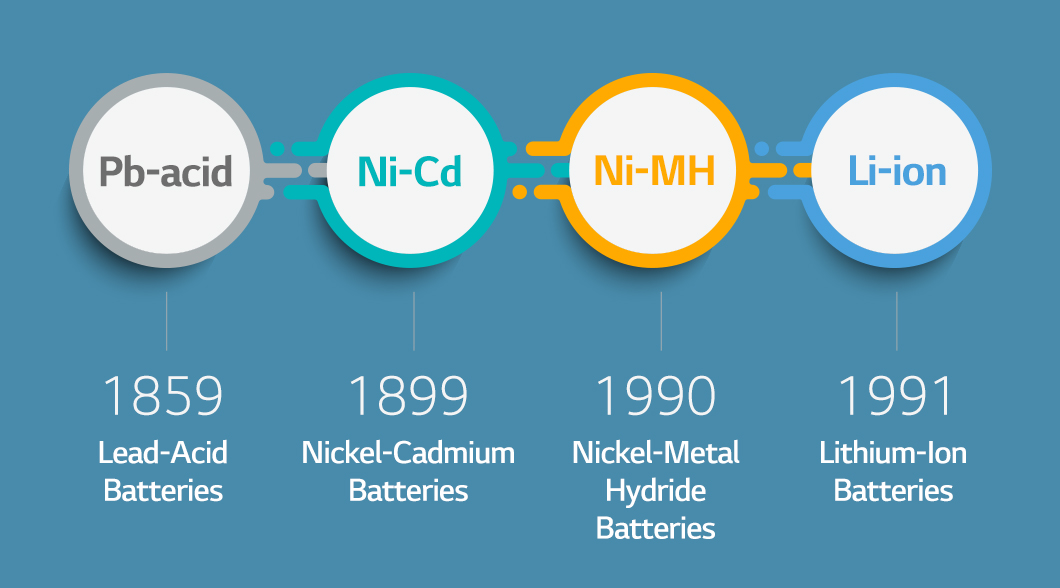
Credit: inside.lgensol.com
Frequently Asked Questions
What Are The Main Differences Between Nimh And Nicd Batteries?
NiMH batteries have higher capacity and are more environmentally friendly. NiCd batteries offer better durability and handle extreme temperatures well. NiMH is preferred for everyday use, while NiCd suits heavy-duty applications.
Which Battery Lasts Longer, Nimh Or Nicd?
NiCd batteries generally have a longer cycle life and better tolerance for deep discharges. NiMH batteries have improved but still tend to have shorter overall lifespan compared to NiCd under heavy use.
Are Nimh Batteries Better For The Environment Than Nicd?
Yes, NiMH batteries are less toxic and contain fewer harmful metals. NiCd batteries contain cadmium, a hazardous heavy metal, making NiMH the greener choice.
Can Nimh Replace Nicd In All Devices?
NiMH batteries can replace NiCd in many devices but may require compatible chargers. Some older devices may not support NiMH due to voltage differences.
Conclusion
Nickel Metal Hydride batteries hold more energy than Nickel Cadmium ones. They last longer and harm the environment less. Nickel Cadmium batteries are cheaper but contain toxic materials. Both types have their uses in different devices. Choose based on your needs and budget.
Remember, proper care can extend battery life. Understanding these differences helps you pick the right battery. Simple and smart choices save money and protect nature. Which battery fits your device best?