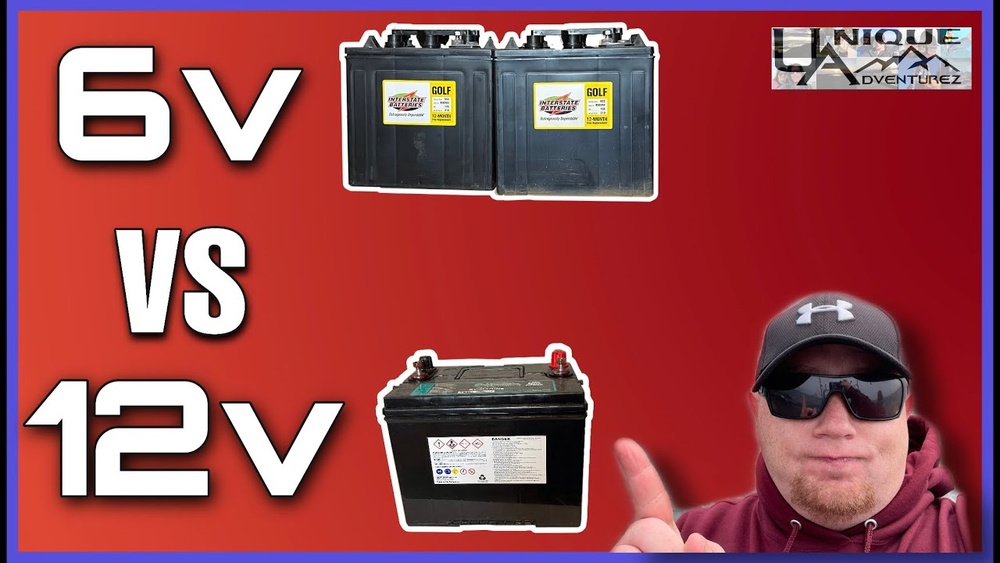
6V Vs 12V Batteries for Rv: Ultimate Guide to Choose Right Power
Choosing the right battery for your RV can feel confusing, especially when deciding between 6V and 12V options. You want a power source that lasts longer, charges faster, and fits your travel needs perfectly.
But which one truly delivers the best performance for your adventures? Understanding the key differences can save you time, money, and frustration on the road. Keep reading to discover which battery suits your RV lifestyle and how to get the most out of every trip.
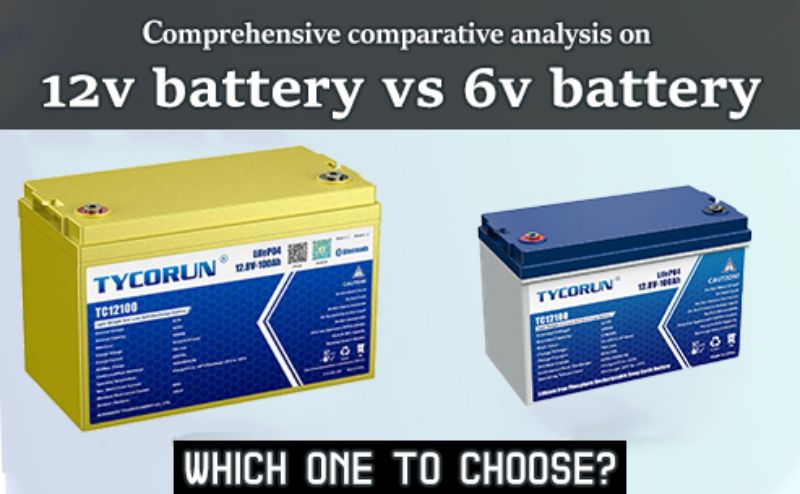
Credit: www.tycorun.com
Battery Basics
Batteries power many parts of your RV. Understanding the basics helps you pick the right one. Two common battery voltages for RVs are 6V and 12V. Each has unique features that affect performance and use. Let’s explore these battery basics to help you make a smart choice.
What 6v And 12v Mean
The numbers 6V and 12V show the battery’s voltage. Voltage measures the electric force the battery provides. A 6V battery gives 6 volts of power. A 12V battery gives 12 volts. Voltage affects how much energy the battery can deliver.
Common Battery Types For Rvs
RV batteries come in different types. The most popular are lead-acid and lithium-ion. Lead-acid batteries include flooded and AGM types. Flooded batteries need water and regular care. AGM batteries are sealed and need less maintenance. Lithium-ion batteries are lighter and last longer but cost more.
How Voltage Affects Performance
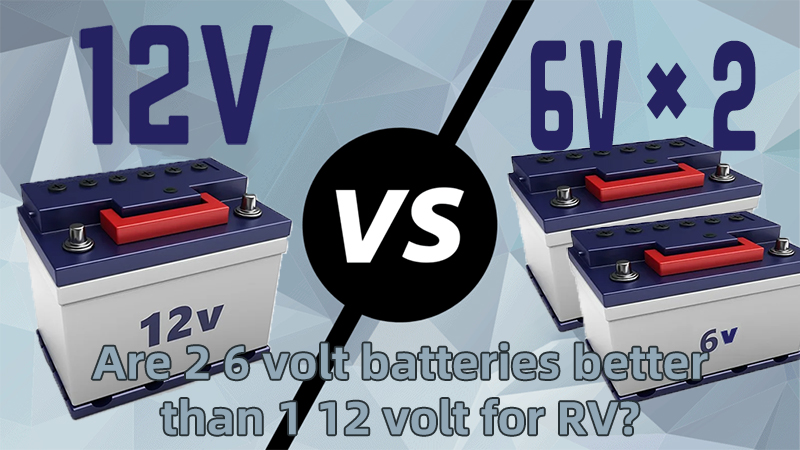
Voltage impacts how batteries connect and deliver power. Two 6V batteries wired together create 12V power. This setup often lasts longer and handles deep discharges better. A single 12V battery is easier to install and use. The right voltage depends on your RV’s power needs and space.
Advantages Of 6v Batteries
6V batteries hold many benefits for RV owners. They offer reliability and strong performance. These batteries are a popular choice for many campers and travelers. Their design suits long trips and heavy use. Understanding their advantages helps in making the right decision for your RV power needs.
Longer Lifespan
6V batteries usually last longer than 12V ones. They handle deep discharges better, which means more cycles. This makes them cost-effective over time. A longer lifespan means less frequent replacements. This is ideal for RV users who need steady power.
Better Durability
These batteries are built tougher to resist damage. Their thicker plates provide strength and stability. This helps them survive rough roads and vibrations. Durability means less maintenance and fewer breakdowns. It suits the outdoor lifestyle of many RV travelers.
Higher Capacity In Series
6V batteries connect easily in series for higher capacity. They combine to give more amp hours than a single 12V battery. This setup provides longer power supply for your RV. It ensures you have enough energy for lights, appliances, and devices. This feature makes them very flexible for various power needs.
Advantages Of 12v Batteries
12V batteries offer many benefits for RV owners. They provide a simple, reliable power source for various needs. Choosing the right battery is key to a smooth RV experience. Understanding the advantages of 12V batteries helps make a smart choice.
Ease Of Installation
12V batteries are easy to install in most RVs. Their design fits well with existing battery compartments. You do not need special tools or skills. This saves time and effort during setup. Many RV owners can handle the installation themselves.
Wider Availability
12V batteries are widely available in many stores. You can find them in auto shops, hardware stores, and online. This makes replacement or upgrades simple. You can choose from many brands and price options. Having easy access helps avoid long waits or shipping delays.
Compatibility With Rv Systems
Most RV electrical systems run on 12 volts. This means 12V batteries fit perfectly without extra adapters. They power lights, appliances, and other devices efficiently. Using a battery that matches system voltage reduces risk of damage. It ensures smooth and safe operation inside your RV.
Credit: www.tycorun.com
Comparing Cost And Maintenance
Choosing between 6V and 12V batteries for your RV involves understanding their cost and maintenance differences. These factors affect your budget and the effort needed to keep your battery system running smoothly. Knowing what to expect can help you make a smart decision for your travels.
Initial Investment
6V batteries usually cost less per unit than 12V batteries. But, RV setups often require two or more 6V batteries to match a 12V system. This can increase the total initial price. On the other hand, 12V batteries come ready to use alone, which may save money upfront. Your choice depends on your RV’s power needs and budget.
Upkeep Requirements
6V batteries often need more regular checks. They may require water refills and cleaning to last longer. 12V batteries typically have lower maintenance demands, especially sealed types. Less upkeep means less time and effort spent on battery care. Consider how much time you want to dedicate to battery maintenance.
Replacement Frequency
6V batteries can last longer under proper care. They tend to handle deep discharges better, which extends their life. 12V batteries might need replacement sooner if used heavily or poorly maintained. Frequent replacements add to long-term costs. Think about how often you want to replace your batteries during your RV trips.
Sizing Batteries For Your Rv
Sizing batteries for your RV is important for a smooth travel experience. The right battery size keeps your devices running and avoids power problems. It depends on your power needs, battery type, and available space.
Choosing between 6V and 12V batteries means understanding how much power you use. Also, how you connect batteries affects the total voltage and capacity. Space and weight in your RV matter for battery choices too.
Calculating Power Needs
Start by listing all devices you want to power in your RV. Check each device’s wattage and how many hours you use it daily. Multiply wattage by hours to get watt-hours for each device. Add all watt-hours for total daily energy needs. This helps decide battery capacity in amp-hours you need to store enough energy.
Series Vs Parallel Connections
Connecting batteries in series increases voltage but keeps amp-hours the same. Two 6V batteries in series give 12V but the same amp-hours. Parallel connections keep voltage the same but add up amp-hours. Two 6V batteries in parallel stay 6V but double the amp-hours. Choose connection type based on your RV’s voltage system and power needs.
Space And Weight Considerations
6V batteries are usually smaller and lighter than 12V batteries. They fit better in tight spaces and are easier to move. But you may need more 6V batteries to reach the right voltage and capacity. 12V batteries take more space but need fewer units. Think about your RV’s battery compartment size and weight limits when choosing.

Credit: www.rvtravel.com
Charging And Efficiency
Charging and efficiency are key factors for RV batteries. They affect how long your battery lasts and how well it powers your RV. Understanding these points helps you choose the right battery and maintain it properly.
Charging Methods
Both 6V and 12V batteries can charge with solar panels, generators, or shore power. Charging 6V batteries usually means connecting two in series to get 12 volts. This setup requires balanced charging to avoid damage. 12V batteries charge directly without extra steps. Proper chargers match battery type and voltage for best results.
Energy Loss Factors
Energy loss happens during charging and use. 6V batteries wired in series may have small voltage drops between cells. This reduces overall efficiency slightly. 12V batteries have fewer connections, so less energy is lost. Temperature affects both types; cold weather lowers battery performance and charging speed.
Battery Management Systems
Battery management systems (BMS) protect batteries from overcharging and deep discharge. They monitor voltage, current, and temperature. BMS helps keep batteries safe and extends their life. Many 12V batteries come with built-in BMS, while 6V batteries may need an external system. Using BMS improves efficiency and reliability.
Safety And Handling Tips
Handling RV batteries safely is important. Both 6V and 12V batteries need care to last long and work well. Proper safety reduces risks of accidents and damage. Follow basic rules to keep yourself and your RV safe.
Proper Installation Practices
Place batteries on a flat, stable surface. Secure them to prevent movement during travel. Connect cables tightly and correctly. Wrong connections cause sparks or damage. Use insulated tools to avoid short circuits. Check battery terminals for corrosion regularly. Clean terminals with a baking soda solution if needed.
Avoiding Overcharging
Use a charger made for your battery type. Overcharging can cause overheating and reduce battery life. Monitor the charging process often. Disconnect the charger once batteries reach full charge. Avoid leaving batteries plugged in for too long. Overcharging can lead to leaks or swelling.
Safe Storage And Disposal
Store batteries in a cool, dry place away from direct sunlight. Keep them away from heat sources and flames. Avoid stacking batteries on top of each other. Dispose of old or damaged batteries at a recycling center. Do not throw batteries in regular trash. Proper disposal protects the environment and prevents hazards.
Making The Final Choice
Choosing between 6V and 12V batteries for your RV can feel tricky. The right battery powers your adventures smoothly. It matches your travel style and energy needs. Focus on key factors to make the best choice. Consider your lifestyle, cost, and expert advice. This approach helps you find the perfect fit.
Assessing Your Rv Lifestyle
Think about how often you use your RV. Daily trips need different power than occasional camping. A 6V battery suits long trips and deep power needs. A 12V battery works well for short, simple drives. Check your RV’s power devices and how much energy they use. This step shows which battery type fits your lifestyle best.
Balancing Cost And Performance
Compare the price and power of each battery option. 6V batteries cost more but last longer and deliver steady power. 12V batteries are cheaper upfront but may need replacement sooner. Calculate your budget for buying and maintaining batteries. Find the balance between saving money and getting strong performance.
Expert Recommendations
Experts often suggest 6V batteries for serious RV users. They offer more cycles and better durability. For casual RV owners, 12V batteries provide easy installation and lower cost. Always check battery reviews and ask professionals. Their tips help you avoid costly mistakes and choose wisely.
Frequently Asked Questions
What Are The Main Differences Between 6v And 12v Rv Batteries?
6V batteries provide higher capacity and longer life, ideal for deep cycling. 12V batteries offer convenience and easy installation. Your choice depends on power needs and space availability in your RV.
Which Battery Type Lasts Longer For Rv Use?
6V batteries generally last longer due to thicker plates and better deep cycle performance. They handle repeated discharges better than most 12V batteries, making them more durable for extended RV trips.
Can I Use 6v Batteries Instead Of 12v In My Rv?
Yes, but 6V batteries must be connected in series to provide 12V output. This setup improves capacity and lifespan but requires more space and wiring compared to a single 12V battery.
Are 12v Batteries Easier To Maintain Than 6v Batteries?
Yes, 12V batteries are typically easier to maintain and replace. They are more common, lighter, and require less complex wiring, making them a convenient choice for casual RV users.
Conclusion
Choosing between 6V and 12V batteries depends on your RV needs. 6V batteries often last longer and handle deep discharge well. 12V batteries offer easier installation and more options. Think about your power use, space, and budget. Both types can work fine if matched right.
Take time to weigh pros and cons carefully. Your RV’s battery choice affects comfort and trip success. Make a smart choice for reliable RV power.