Gel Cell Battery Vs Lithium: Ultimate Guide to Choosing Power
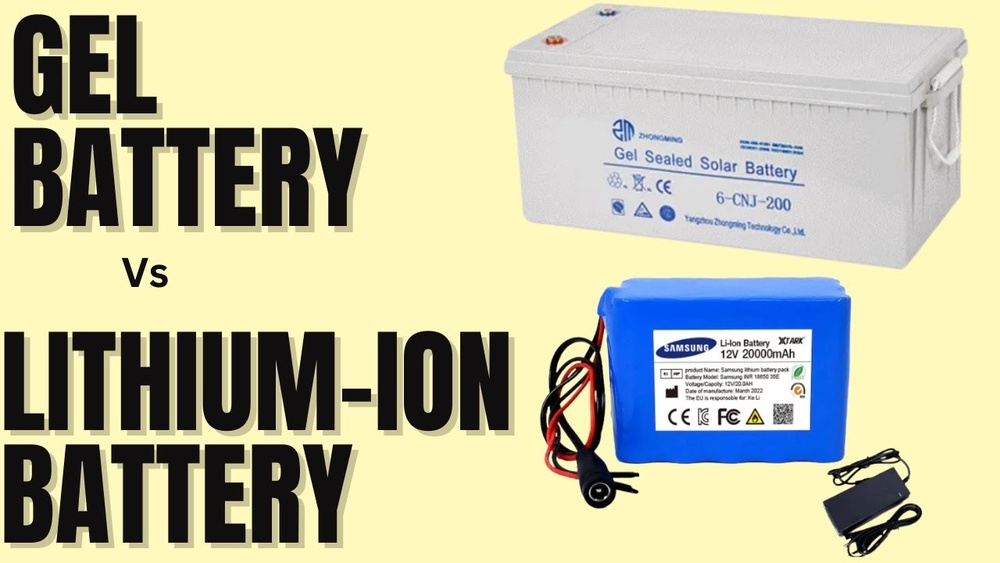
Choosing the right battery can make a huge difference in how your devices perform and last. When it comes to Gel Cell batteries and Lithium batteries, you might wonder which one suits your needs better.
Are you looking for something reliable, long-lasting, or budget-friendly? Understanding the key differences between these two can save you time, money, and frustration. You’ll discover what sets Gel Cell and Lithium batteries apart, helping you make the smartest choice for your power needs.
Keep reading to find out which battery truly fits your lifestyle and why it matters to you.
Gel Cell Battery Basics
Gel cell batteries are a type of lead-acid battery. They use a special gel instead of liquid acid. This design makes them safer and less likely to leak. Gel cell batteries work well in many settings. Understanding their basics helps you see how they differ from lithium batteries.
Composition And Design
Gel cell batteries contain a thick, silica-based gel. This gel holds the acid in place. The gel reduces acid spills and corrosion risks. The battery plates are made of lead. They are sealed inside a tough plastic case. This design makes gel batteries leak-proof and vibration-resistant.
Performance Characteristics
Gel cell batteries perform well in deep discharge cycles. They handle slow charging better than other lead-acid types. These batteries work well in hot and cold climates. They have a lower self-discharge rate. Gel cells need less maintenance than flooded batteries.
Common Applications
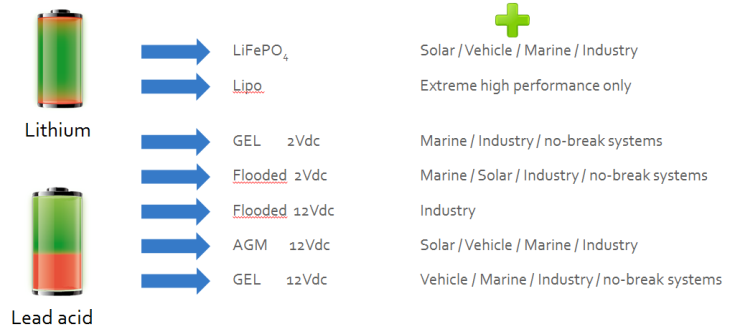
Gel cell batteries power wheelchairs and scooters. They are common in solar energy storage systems. These batteries are used in marine and RV applications. Backup power supplies often use gel cells. Their safety and durability make them popular in many fields.
Credit: www.victronenergy.com
Lithium Battery Essentials
Lithium batteries power many devices today. They store energy in a small, light package. These batteries last longer and charge faster than older types. Understanding lithium batteries helps you choose the right one for your needs.
Not all lithium batteries are the same. Different types suit different uses. Their energy and lifespan vary. Knowing these details makes a big difference.
Types Of Lithium Batteries
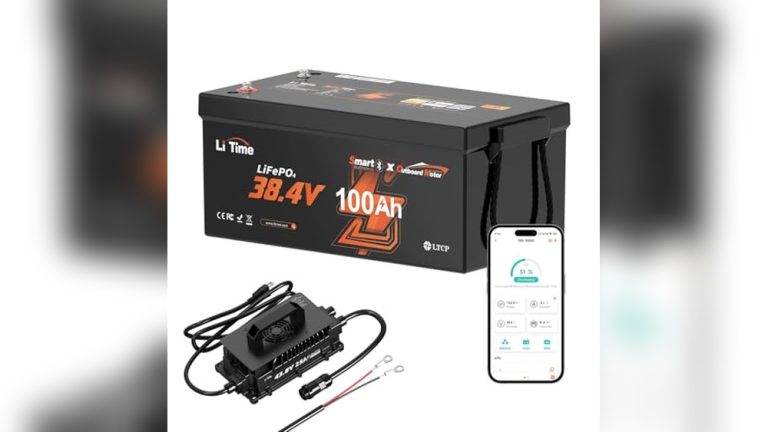
There are several types of lithium batteries. Lithium-ion (Li-ion) is common in phones and laptops. Lithium polymer (Li-Po) batteries are flexible and lightweight. Lithium iron phosphate (LiFePO4) batteries are safe and last long. Each type has its strengths and limits.
Energy Density And Lifespan
Lithium batteries have high energy density. They store more power in a smaller space. This means longer use between charges. Lifespan depends on the type and usage. Some batteries can last thousands of charge cycles. Proper care extends battery life significantly.
Typical Uses
Lithium batteries power many gadgets and vehicles. Phones, laptops, and cameras use Li-ion or Li-Po batteries. Electric cars mostly use lithium iron phosphate types. Renewable energy systems also rely on lithium batteries for storage. Their light weight and efficiency make them popular.
Comparing Power And Efficiency
Power and efficiency are key factors in choosing between gel cell and lithium batteries. Both types serve different needs in energy storage and use. Understanding their strengths helps in making the right choice for specific applications. Let’s break down how they perform in terms of energy output, charge and discharge rates, and efficiency in different conditions.
Energy Output
Gel cell batteries provide steady energy over a long period. They are good for slow and continuous power needs. Lithium batteries deliver more power in a smaller size. They offer higher energy density, meaning more energy in less space. This makes lithium batteries ideal for devices that need strong bursts of power.
Charge And Discharge Rates
Gel cell batteries charge and discharge at a slower pace. They handle low to moderate power loads well. Lithium batteries charge faster and can release energy quickly. They handle high power demands without losing performance. This makes lithium better for fast charging and quick energy use.
Efficiency In Different Conditions
Gel cell batteries work well in cooler environments. They are less affected by temperature changes. Lithium batteries perform efficiently across a wider temperature range. They maintain capacity and power even in extreme heat or cold. This makes lithium batteries more versatile for various climates and uses.
Durability And Maintenance
Durability and maintenance are key factors when choosing between gel cell and lithium batteries. These aspects affect the battery’s lifespan and your overall experience. Knowing their differences helps in making the right choice for your needs.
Cycle Life Expectations
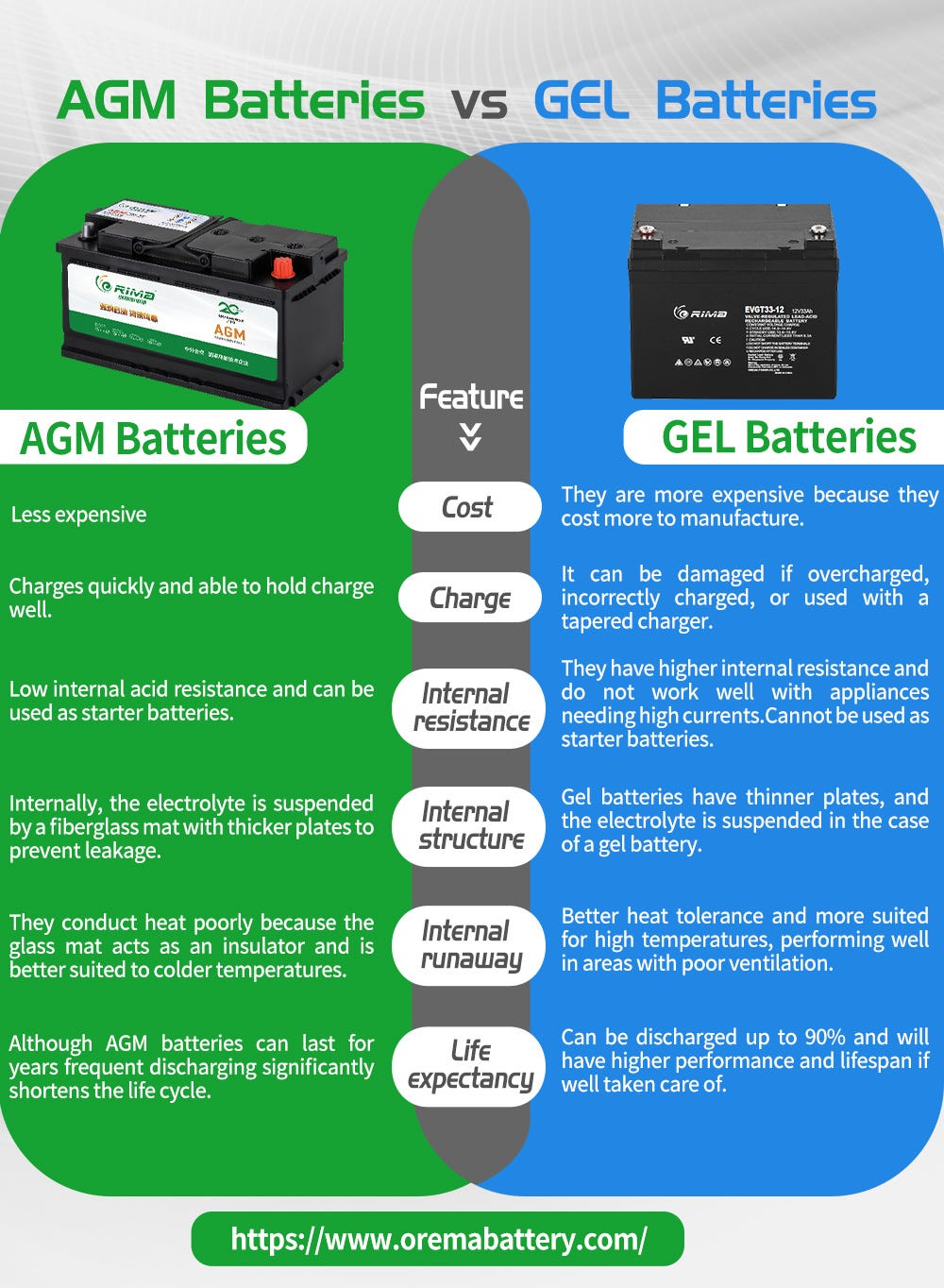
Gel cell batteries usually last around 500 to 1,000 cycles. Lithium batteries can provide 2,000 to 5,000 cycles. This means lithium batteries often last much longer before they need replacement. The higher cycle life reduces the need for frequent changes.
Maintenance Requirements
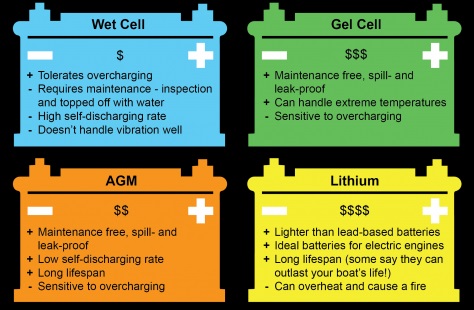
Gel cell batteries require regular checks to avoid damage. They need to be kept clean and properly charged. Lithium batteries demand very little maintenance. No need to check water levels or clean terminals often. This makes lithium batteries easier to manage.
Resistance To Environmental Factors
Gel cell batteries tolerate heat and cold better than traditional lead-acid types. Yet, extreme temperatures can still harm their performance. Lithium batteries handle a wider temperature range without damage. They resist vibrations and shocks better too. This makes lithium batteries more reliable in tough conditions.
Cost And Value Analysis
Understanding the cost and value of Gel Cell and Lithium batteries helps in making smart choices. Both types have different price points and benefits. Evaluating these costs over time gives a clear picture of their true value.
Initial Investment
Gel Cell batteries usually cost less upfront. They are simpler to produce and widely available. Lithium batteries have a higher initial price. Their advanced technology and materials increase the cost. The choice depends on your budget and needs.
Long-term Savings
Lithium batteries last longer than Gel Cell ones. They hold charge better and can handle more cycles. This means fewer replacements and less downtime. Gel Cell batteries need more frequent changes. Over time, Lithium batteries can save money despite the high start cost.
Replacement And Disposal Costs
Gel Cell batteries require regular replacement. Their shorter lifespan leads to more waste. Disposal can be tricky due to acid inside. Lithium batteries last longer and need fewer replacements. Recycling programs for Lithium batteries are improving. Proper disposal reduces environmental impact and costs.
Credit: medium.com
Safety And Environmental Impact
Safety and environmental impact are important when choosing batteries. Both gel cell and lithium batteries have different risks and effects on nature. Understanding these differences helps make better choices for health and the planet.
Risk Factors
Gel cell batteries contain acid that can leak if damaged. This acid can cause burns and harm surfaces. They may also release gases during charging, which need proper ventilation.
Lithium batteries pose fire risks if short-circuited or overcharged. They can overheat quickly and catch fire. Proper handling and charging are critical to avoid accidents.
Recycling And Disposal
Gel cell batteries are easier to recycle because they contain lead and acid. Specialized centers can reclaim these materials safely. Throwing them in trash can pollute soil and water.
Lithium batteries are harder to recycle due to complex materials inside. Recycling processes are developing but not widespread. Improper disposal can cause fires or release toxic chemicals.
Environmental Considerations
Gel cell batteries have heavy metals that can harm the environment. Acid spills from damaged batteries pollute soil and water sources.
Lithium batteries use rare metals and minerals, which require mining. Mining can damage ecosystems and use large water amounts. Proper recycling reduces the need for new mining.
Choosing The Right Battery
Choosing the right battery is key for good performance and long life. Different batteries suit different needs. Understanding the differences helps you pick the best one for your device or system. Let’s explore how to match batteries to your specific use.
Matching Battery To Application
Gel cell batteries work well in steady, low-drain settings. They handle deep discharges and resist vibration. Common uses include wheelchairs and solar setups. Lithium batteries suit high-drain and fast-charging needs. They weigh less and last longer. Portable electronics and electric vehicles benefit from lithium’s power.
Evaluating Power Needs
Calculate how much power your device uses. Check voltage, current, and expected runtime. Gel cells provide steady power but have lower energy density. Lithium offers higher energy in smaller size. Consider temperature and charging cycles. Choose a battery that meets your energy demand safely.
Future Trends In Battery Technology
Battery tech keeps evolving rapidly. Solid-state batteries promise higher safety and capacity. Lithium remains popular but faces supply challenges. Gel cell designs improve for better durability. New chemistries aim to reduce costs and environmental impact. Staying updated helps you make smarter battery choices.
Credit: www.bravabatteries.com
Frequently Asked Questions
What Are The Main Differences Between Gel Cell And Lithium Batteries?
Gel Cell batteries use a gel electrolyte, offering spill-proof safety and deep discharge capability. Lithium batteries are lighter, have higher energy density, and charge faster, making them ideal for portable electronics and electric vehicles.
Which Battery Type Lasts Longer, Gel Cell Or Lithium?
Lithium batteries typically have a longer lifespan, often lasting 2-3 times longer than Gel Cell batteries. This makes them more cost-effective over time despite a higher initial price.
Are Gel Cell Batteries Safer Than Lithium Batteries?
Gel Cell batteries are generally safer due to their stable gel electrolyte, reducing leakage risks. Lithium batteries require protective circuits to prevent overheating and potential fire hazards.
Which Battery Charges Faster, Gel Cell Or Lithium?
Lithium batteries charge significantly faster than Gel Cell batteries. This quick charging ability suits applications needing rapid power replenishment.
Conclusion
Choosing between gel cell battery and lithium depends on your needs. Gel cell batteries last long and handle rough use well. Lithium batteries weigh less and charge faster. Both have good points for different uses. Think about cost, weight, and how often you use the battery.
This helps you pick the right one. Understanding these basics makes buying easier. Your choice affects how well your device works. Simple and clear decisions lead to better results.