Lithium Battery Vs Nickel Metal Hydride: Ultimate Performance Showdown
When it comes to choosing the right battery for your devices, you might feel overwhelmed by all the options. Two popular choices you’ll often hear about are Lithium batteries and Nickel Metal Hydride (NiMH) batteries.
But which one is truly better for your needs? Understanding the key differences can save you money, improve your device’s performance, and even protect the environment. Keep reading, because we’ll break down everything you need to know so you can make the smartest choice for your gadgets.
Battery Chemistry Basics
Understanding battery chemistry helps you choose the right battery for your needs. Different batteries store and release energy in unique ways. These differences affect battery life, power, and safety.
Two common types are lithium batteries and nickel metal hydride batteries. Each uses different materials and reactions to create electrical energy.
How Lithium Batteries Work
Lithium batteries use lithium ions to carry charge between the battery’s electrodes. Inside the battery, lithium ions move from the anode to the cathode during discharge. When charging, the ions move back to the anode. This movement creates electric current.
These batteries use a liquid or gel electrolyte to help ions move. Lithium batteries hold a lot of energy in a small space. They also deliver power quickly and last many charge cycles.
How Nickel Metal Hydride Batteries Work
Nickel metal hydride (NiMH) batteries use a metal alloy to store hydrogen ions. When the battery discharges, hydrogen ions move from the metal alloy to the nickel oxide electrode. This flow generates electric current. When charging, hydrogen ions return to the metal alloy.
NiMH batteries use an alkaline electrolyte to support ion movement. They have good energy capacity and work well in many devices. NiMH batteries are safer and less expensive than lithium batteries.
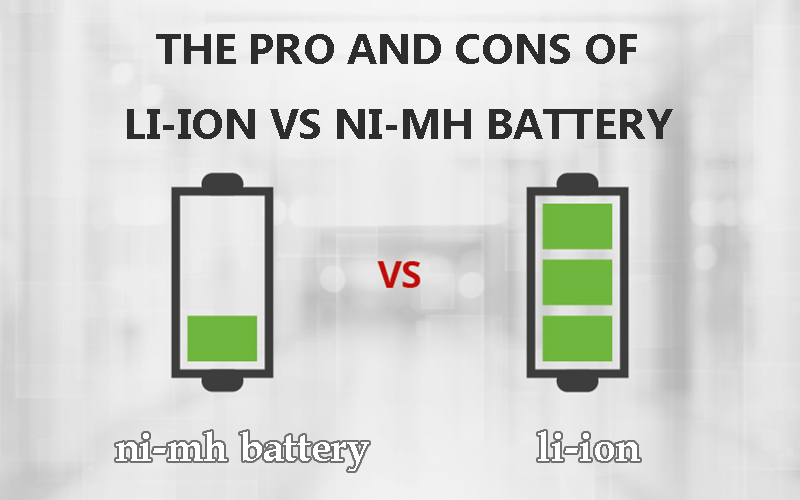
Credit: www.tycorun.com
Energy Density Comparison
Energy density plays a key role in battery choice. It shows how much energy a battery holds compared to its weight and size. Comparing lithium batteries and nickel metal hydride (NiMH) batteries reveals clear differences in energy density. These differences affect how devices perform and how long they run between charges.
Weight And Volume Considerations
Lithium batteries store more energy in less weight. They weigh about half as much as NiMH batteries for the same energy. This means lighter batteries in gadgets and tools.
Volume matters too. Lithium batteries take up less space. NiMH batteries need more room to hold the same energy. This affects battery design and device layout.
Impact On Device Size And Portability
Devices with lithium batteries can be smaller and thinner. Less battery bulk means more compact gadgets. Portability improves because devices weigh less and fit easily in pockets or bags.
NiMH batteries lead to bigger, heavier devices. This can limit where you carry them. The extra size may reduce user comfort and ease of use.
Charge And Discharge Rates
Charge and discharge rates are key factors in battery performance. They affect how fast a battery powers a device and how quickly it can be recharged. These rates impact device uptime and user experience. Understanding the differences helps choose the right battery type for your needs.
Charging Speed Differences
Lithium batteries charge faster than nickel metal hydride (NiMH) batteries. Lithium cells can reach full charge in about one to two hours. NiMH batteries usually take three to five hours to charge fully. Faster charging saves time and keeps devices ready to use.
Charging speed depends on battery chemistry and design. Lithium batteries handle higher current without damage. NiMH batteries need slower charging to avoid overheating. This makes lithium batteries better for quick turnaround use.
Discharge Efficiency
Lithium batteries discharge energy more efficiently than NiMH batteries. They maintain higher voltage during use, providing steady power output. NiMH batteries show more voltage drop, which can reduce device performance.
Lithium cells have low self-discharge rates. They hold charge longer when not in use. NiMH batteries lose charge faster even when idle. This makes lithium batteries more reliable for long-term use.
Lifespan And Durability
The lifespan and durability of batteries play a key role in choosing the right power source. Batteries that last longer reduce the need for frequent replacements. Durability ensures batteries handle regular use without damage. Both lithium and nickel metal hydride (NiMH) batteries offer different strengths in these areas.
Cycle Life Expectations
Cycle life means how many times a battery can charge and discharge. Lithium batteries usually offer between 500 and 1,000 cycles. NiMH batteries typically provide around 300 to 500 cycles. This makes lithium batteries last longer in daily use. Longer cycle life means fewer battery changes and less waste.
Performance Over Time
Lithium batteries hold their charge better over time. They lose less capacity after many cycles. NiMH batteries tend to lose capacity faster. This results in shorter usage time between charges. Lithium batteries also work well in cold and hot conditions. NiMH batteries may struggle in extreme temperatures. Overall, lithium batteries maintain performance longer and stay reliable.
Environmental Impact
The environmental impact of batteries is an important topic today. Batteries power many devices, but their effects on nature differ. Lithium batteries and nickel metal hydride (NiMH) batteries vary in how they affect the environment. Understanding these differences helps us make better choices.
Material Sourcing And Recycling
Lithium batteries require mining for lithium, cobalt, and other metals. Mining can harm land and water. It uses a lot of energy. Nickel metal hydride batteries use nickel and rare earth metals. Mining these also affects the environment but often less than lithium mining.
Recycling lithium batteries is complex but improving. Many parts can be reused if processed correctly. NiMH batteries are easier to recycle. Their materials break down with less pollution. Proper recycling reduces waste and saves resources.
Disposal Concerns
Improper disposal of lithium batteries can cause fires or leaks. Toxic chemicals may enter soil and water. NiMH batteries are less likely to cause fires but still contain harmful metals. Throwing batteries in the trash pollutes the environment.
Safe disposal and recycling are key. They prevent pollution and protect wildlife. Both battery types need careful handling after use. Choosing recyclable batteries helps reduce environmental harm.
Cost And Market Availability
Cost and market availability play a big role in choosing between lithium batteries and nickel metal hydride (NiMH) batteries. Both have different price points and availability in the market. These factors affect buyers and industries that rely on battery power.
Understanding the initial cost and long-term value helps make a smart choice. It also shows how each battery type fits different budgets and needs.
Initial Purchase Price
Nickel metal hydride batteries usually cost less upfront. They have been around longer and use cheaper materials. This makes them a good option for low-budget projects or devices.
Lithium batteries tend to have a higher initial price. The raw materials and technology are more advanced. Still, prices have been dropping steadily as production grows.
Long-term Value
Lithium batteries last longer and hold charge better over time. This means fewer replacements and less waste. Over years, the cost per use often becomes lower than NiMH.
NiMH batteries may need replacing more often. They also lose charge faster when not in use. This can add to costs in the long run.
Market availability favors lithium batteries for many devices now. They are widely used in electronics and electric vehicles. NiMH batteries remain common in specific areas like power tools and older electronics.
Safety And Reliability
Safety and reliability are key factors in choosing between lithium batteries and nickel-metal hydride (NiMH) batteries. Both types power many devices, but their safety features differ. Understanding these differences helps you pick the right battery for your needs. Below, we explore risks of overheating and fires, and the protection mechanisms in each battery type.
Risk Of Overheating And Fires
Lithium batteries store high energy in a small size. This can cause overheating if damaged or charged incorrectly. Overheating may lead to fires or explosions. NiMH batteries have a lower risk of overheating. They generate less heat during use and charging. Still, overheating can occur if the battery is old or faulty. Overall, NiMH batteries are generally safer in extreme conditions.
Protection Mechanisms
Lithium batteries often include built-in protection circuits. These circuits stop overcharging, over-discharging, and short circuits. They help prevent damage and accidents. NiMH batteries usually do not have advanced protection circuits. Instead, devices using NiMH batteries rely on external chargers with safety features. Both battery types benefit from careful handling and proper charging methods.

Credit: www.researchgate.net
Best Use Cases For Each Battery
Choosing the right battery depends on the device and how it will be used. Lithium batteries and nickel-metal hydride (NiMH) batteries each have strengths. Understanding their best use cases helps pick the perfect match. This section explains where each battery performs best.
Consumer Electronics
Lithium batteries shine in small gadgets like smartphones and laptops. They last longer and hold more power than NiMH batteries. Their light weight makes devices easier to carry. NiMH batteries work well in toys and remote controls. They are cheaper and safe for everyday use. Both types fit different needs in consumer electronics.
Electric Vehicles
Lithium batteries dominate electric cars and bikes. They store lots of energy and recharge quickly. Their long life reduces replacement costs. NiMH batteries appear in some hybrid cars. They handle many charging cycles but weigh more. Lithium suits vehicles needing range and speed. NiMH fits models focused on cost and durability.
Power Tools And Other Applications
Power tools often use lithium batteries for high power and light weight. This helps users work longer without fatigue. NiMH batteries fit in cordless phones and cameras. They offer steady power and good recharge ability. NiMH also works well in emergency lighting. Each battery type supports different tools and devices well.

Credit: www.researchgate.net
Frequently Asked Questions
What Are The Main Differences Between Lithium And Nimh Batteries?
Lithium batteries offer higher energy density and longer life than NiMH. NiMH batteries are cheaper but heavier and have lower capacity. Lithium cells charge faster and work better in extreme temperatures. NiMH batteries are more environmentally friendly but have higher self-discharge rates.
Which Battery Type Lasts Longer In Daily Use?
Lithium batteries generally last 2-3 times longer than NiMH under normal use. They have more charge cycles and retain capacity better over time. NiMH batteries degrade faster with repeated charging and discharging. For long-term reliability, Lithium batteries are preferred.
Are Lithium Batteries Safer Than Nickel Metal Hydride?
Both batteries have safety features, but Lithium batteries require more careful handling. Lithium cells can overheat if damaged or improperly charged. NiMH batteries are less volatile and safer in extreme conditions. Proper chargers and usage guidelines ensure safety for both types.
Which Battery Is Better For High-drain Devices?
Lithium batteries perform better in high-drain devices like cameras and power tools. They provide consistent voltage and longer runtime. NiMH batteries can struggle under heavy loads and drain quickly. For performance and efficiency, Lithium is the preferred choice.
Conclusion
Both lithium batteries and nickel metal hydride have clear strengths. Lithium batteries offer higher energy and longer life. Nickel metal hydride batteries cost less and handle cold better. Choose based on your device and budget needs. Think about what matters most—power or price.
Each type fits different uses and preferences. Understanding these basics helps you make a smart choice. Batteries power our world, so pick wisely. Simple and clear.