Lithium Iron Phosphate Battery Vs Lithium Ion: Ultimate Comparison Guide
Are you trying to choose the right battery for your device or project but feel overwhelmed by all the options? When it comes to powerful and reliable energy storage, two names often come up: Lithium Iron Phosphate (LiFePO4) and Lithium Ion batteries.
But which one is truly better for your needs? Understanding the key differences can save you money, improve performance, and keep you safe. You’ll discover the real strengths and weaknesses of each battery type, helping you make a smart choice that fits your lifestyle perfectly.
Keep reading to find out which battery will power your future the best.
Battery Chemistry
Battery chemistry defines how batteries store and release energy. It affects battery life, safety, and performance. Two common types are Lithium Iron Phosphate and Lithium Ion batteries. Each has a unique chemical makeup that impacts its use and benefits. Understanding these differences helps choose the right battery for your needs.
Lithium Iron Phosphate Basics
Lithium Iron Phosphate (LiFePO4) batteries use iron and phosphate in their cathode. This chemistry makes them very stable and safe. They resist overheating and are less likely to catch fire. LiFePO4 batteries last longer, with more charge cycles. They provide steady power, ideal for many applications.
Lithium Ion Composition
Lithium Ion batteries use different materials like cobalt, nickel, or manganese in their cathode. These materials allow a higher energy density. They store more energy in a smaller space. But they are less stable and can overheat. This type is common in phones and laptops due to its compact size.
Performance Metrics
Performance metrics help compare Lithium Iron Phosphate (LiFePO4) batteries and Lithium Ion batteries. These metrics show how each battery works in real use. Understanding these factors helps choose the right battery for your needs.
Energy Density
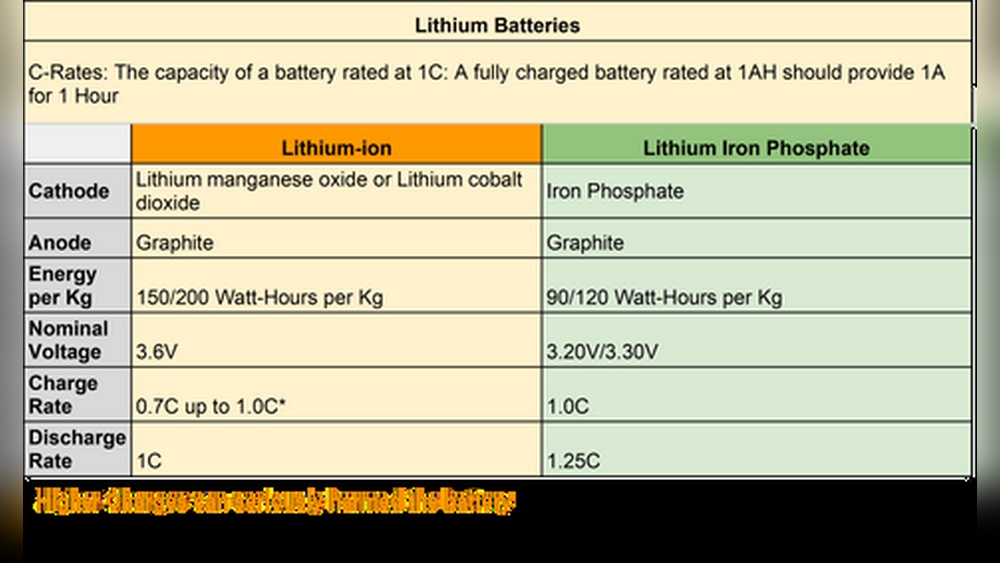
Energy density measures how much energy a battery stores in a certain size or weight. Lithium Ion batteries have higher energy density than Lithium Iron Phosphate ones. This means Lithium Ion batteries store more power in smaller and lighter packs. LiFePO4 batteries are heavier and bigger for the same energy. They suit uses where size and weight matter less.
Power Output
Power output shows how much energy a battery can give quickly. Lithium Iron Phosphate batteries deliver strong and steady power. They handle high power loads without losing performance. Lithium Ion batteries also provide good power but may heat up faster at high loads. LiFePO4 batteries are safer for heavy and constant power use.
Charge And Discharge Rates
Charge and discharge rates tell how fast a battery can charge or release energy. Lithium Iron Phosphate batteries accept faster charging speeds. They can also discharge energy quickly without damage. Lithium Ion batteries charge slower and may degrade if charged too fast. LiFePO4 batteries last longer with frequent fast charges.
Safety Factors
Safety is a key concern when choosing between Lithium Iron Phosphate (LiFePO4) batteries and traditional Lithium-Ion batteries. Both types store energy efficiently but differ in how they handle heat and risks of fire. Understanding these differences helps users select the safer option for their needs.
Thermal Stability
Thermal stability means how well a battery handles heat without breaking down. LiFePO4 batteries have strong thermal stability. They resist high temperatures better than Lithium-Ion batteries. This trait lowers the chance of overheating during use or charging. Lithium-Ion batteries can become unstable if exposed to heat. This instability may lead to battery damage or failure.
Risk Of Fire And Explosion
Fire and explosion risks depend on battery chemistry and design. LiFePO4 batteries have a lower risk of catching fire or exploding. Their chemical makeup is more stable and less reactive. Lithium-Ion batteries use materials that can ignite if damaged or overheated. This makes them more dangerous in certain conditions. Safer battery choice means safer devices and less worry for users.
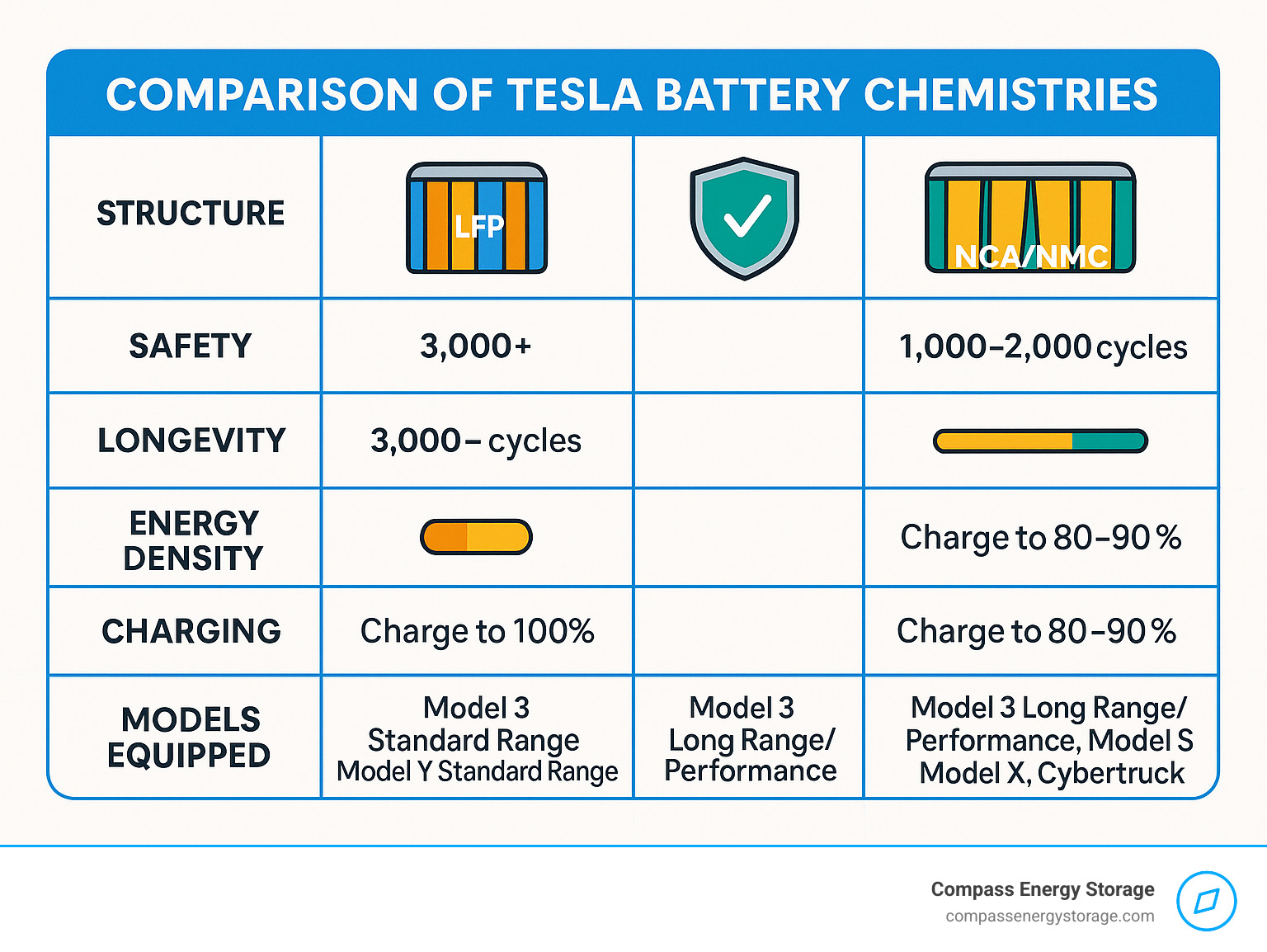
Credit: compassenergystorage.com
Lifespan And Durability
Lithium Iron Phosphate (LiFePO4) and Lithium Ion batteries differ in lifespan and durability. These factors matter for devices that need long-term power. Understanding how each type ages helps pick the right battery. This section explains their cycle life and degradation patterns.
Cycle Life
Cycle life means how many charge and discharge cycles a battery can handle. LiFePO4 batteries usually last about 2000 to 5000 cycles. Lithium Ion batteries last around 500 to 1500 cycles. LiFePO4’s longer cycle life means it stays useful for more years. This makes it a good choice for heavy daily use. Lithium Ion batteries wear out faster but have higher energy density.
Degradation Patterns
Battery degradation means loss of capacity over time. LiFePO4 batteries degrade slowly and steadily. Their capacity stays high for a long time. Lithium Ion batteries lose capacity faster, especially if charged at high rates. Heat and deep discharges harm Lithium Ion more. LiFePO4 handles high temperatures better and is more stable. This makes LiFePO4 more reliable in tough conditions.
Environmental Impact
The environmental impact of batteries matters a lot today. Both Lithium Iron Phosphate (LiFePO4) and Lithium Ion batteries affect nature differently. Understanding these effects helps us choose better options for the planet.
Material Sourcing
LiFePO4 batteries use iron and phosphate, which are more common and less harmful to mine. Lithium Ion batteries need cobalt and nickel, which come from mining that can damage ecosystems. Mining these metals often causes pollution and harms wildlife. Less toxic materials mean a smaller footprint for LiFePO4 batteries.
Recycling And Disposal
Recycling LiFePO4 batteries is easier and safer due to their simple chemistry. They do not contain heavy metals like cobalt, reducing toxic waste risks. Lithium Ion batteries are harder to recycle and may release harmful chemicals if not handled correctly. Proper disposal protects soil and water from contamination. Recycling both types helps lower environmental harm and saves resources.
.jpeg)
Credit: www.recurrentauto.com
Cost Considerations
Cost plays a big role in choosing between Lithium Iron Phosphate (LiFePO4) and Lithium Ion batteries. These batteries vary in price due to their materials and production methods. Understanding these costs helps buyers decide which battery fits their needs and budget best.
Manufacturing Expenses
LiFePO4 batteries use cheaper materials like iron and phosphate. These materials are easier to find and cost less than cobalt and nickel. The production process for LiFePO4 is simpler, which lowers the manufacturing cost. Lithium Ion batteries have higher material costs, mainly due to cobalt. Cobalt is rare and expensive, making the battery pricier. Complex manufacturing steps also add to Lithium Ion battery costs.
Long-term Value
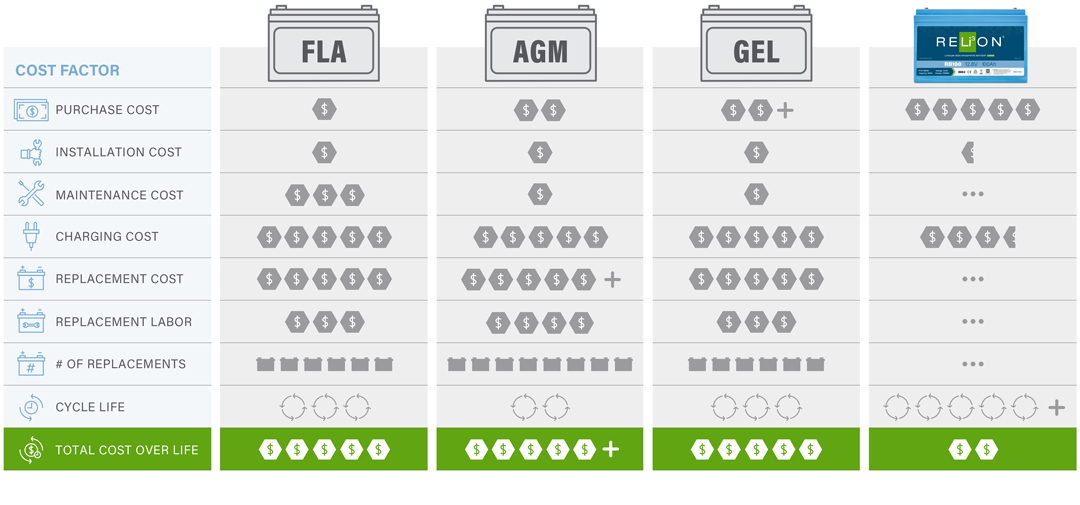
LiFePO4 batteries last longer, often over 2000 charge cycles. This means fewer replacements and less money spent over time. They also maintain stable performance with lower maintenance costs. Lithium Ion batteries may cost less upfront but wear out faster. They often need replacing sooner, increasing long-term expenses. Choosing a battery with a better lifespan can save money in the long run.
Common Applications
Both Lithium Iron Phosphate (LiFePO4) and Lithium Ion batteries power many devices. Each type fits different needs and uses. Understanding where they work best helps in choosing the right battery.
Electric Vehicles
Electric vehicles need strong and safe batteries. Lithium Iron Phosphate batteries are popular for their safety and long life. They handle heat well and are less likely to catch fire. This makes them good for electric buses and cars that drive long distances.
Lithium Ion batteries offer more energy in a smaller size. They help cars go faster and travel farther. Many electric cars use Lithium Ion for a lighter battery pack and longer range.
Energy Storage Systems
Homes and businesses use batteries to store energy from solar panels or wind turbines. Lithium Iron Phosphate batteries last longer in these systems. They can charge and discharge many times without losing power. This makes them reliable for daily use.
Lithium Ion batteries are also used for energy storage. They are smaller and lighter, fitting into tight spaces. These batteries are good when space is limited and high energy is needed.
Portable Electronics
Portable devices like laptops, phones, and cameras mostly use Lithium Ion batteries. They provide more power in a small size. This helps devices stay light and easy to carry.
Lithium Iron Phosphate batteries are less common in small electronics. They are heavier and larger but safer. Some devices that need long battery life and safety may use them.
Choosing The Right Battery
Choosing the right battery can affect your device’s performance and lifespan. Both Lithium Iron Phosphate (LiFePO4) and Lithium Ion batteries have strengths. Understanding your needs helps pick the best option. Consider how you plan to use the battery, what performance you expect, and your budget limits.
Use Case Scenarios
Think about where and how you will use the battery. LiFePO4 batteries work well for electric vehicles and solar energy storage. They last longer and are safer in hot climates. Lithium Ion batteries are common in smartphones and laptops. They hold more energy in a smaller size. Choose based on the device and environment.
Performance Needs
Look at what performance matters most. LiFePO4 offers steady power and longer cycles. It keeps working well after many charges. Lithium Ion gives higher energy density. It can power small gadgets longer per charge. Match battery type to how much power and life you want.
Budget Constraints
Consider the cost of the battery and its maintenance. LiFePO4 batteries often cost more upfront. They save money over time with fewer replacements. Lithium Ion batteries usually cost less at first. They may need replacement sooner. Balance your budget with how long you want the battery to last.
Credit: relionbattery.com
Frequently Asked Questions
What Is The Main Difference Between Lfp And Lithium-ion Batteries?
LFP batteries use lithium iron phosphate as cathode material. Lithium-ion batteries use various metal oxides like cobalt or nickel. This difference affects energy density, safety, lifespan, and cost.
Which Battery Type Lasts Longer, Lfp Or Lithium-ion?
LFP batteries generally have a longer cycle life, often exceeding 2000 cycles. Lithium-ion batteries typically last between 500 to 1000 cycles. LFP’s longer lifespan makes it ideal for applications needing durability.
Are Lfp Batteries Safer Than Lithium-ion Batteries?
Yes, LFP batteries are more thermally stable and less prone to overheating. They have a lower risk of fire or explosion compared to traditional lithium-ion batteries, making them safer for many uses.
Which Battery Offers Higher Energy Density?
Lithium-ion batteries usually provide higher energy density, meaning more energy storage per weight. LFP batteries have lower energy density but compensate with greater safety and longevity.
Conclusion
Choosing between Lithium Iron Phosphate and Lithium Ion depends on your needs. LFP batteries last longer and are safer. Lithium Ion batteries store more energy and weigh less. Both have strengths and weaknesses. Think about what matters most: lifespan, safety, or energy density.
This will guide your choice wisely. Batteries power many devices today. Picking the right one helps you get the best use. Simple and clear decisions lead to better results.