Marine Battery Vs Regular Battery: Key Differences Explained
Choosing the right battery can make all the difference in how well your boat or vehicle performs. You might be wondering, what sets a marine battery apart from a regular battery?
If you want power that lasts longer and can handle tough conditions, knowing the key differences is essential. This article will help you understand which battery fits your needs, so you can avoid costly mistakes and keep your equipment running smoothly.
Keep reading to find out what you should really look for when deciding between a marine battery and a regular battery.
Credit: www.tycorun.com
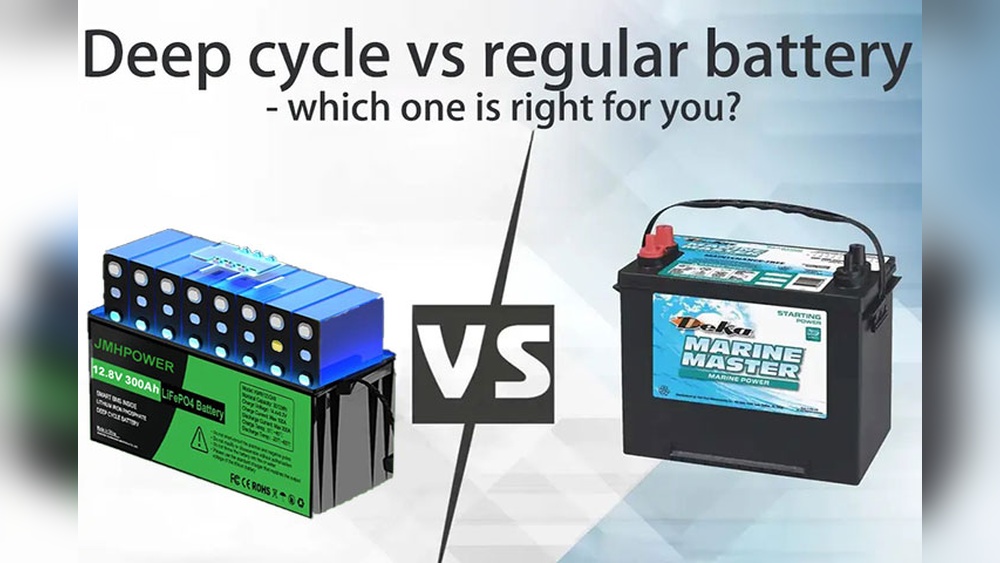
Battery Types Compared
Batteries power many devices and vehicles every day. Choosing the right type is important. Marine batteries and regular batteries serve different needs. They have unique features and uses. Understanding these differences helps pick the best battery for your needs.
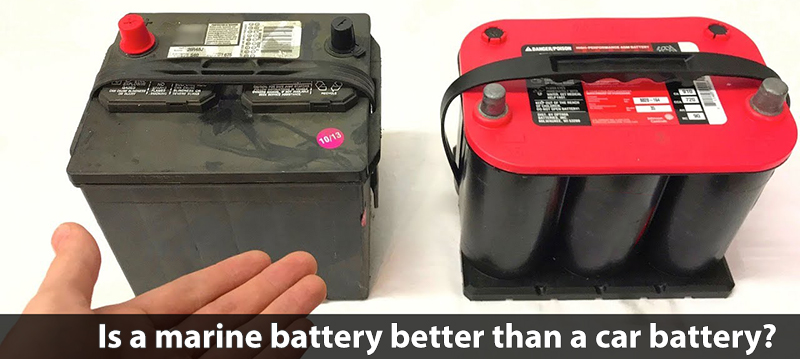
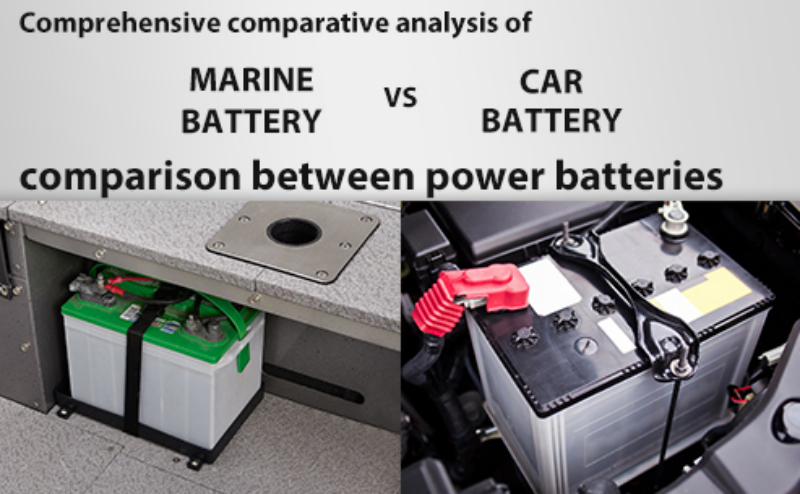
Marine batteries are designed for boats and watercraft. Regular batteries are common in cars and household devices. Let’s explore their key features to see how they differ.
Marine Battery Features
Marine batteries provide strong power for long periods. They handle rough conditions like vibration and water exposure. These batteries support both starting engines and running electronics. Many marine batteries allow deep cycling, which means repeated charging and discharging. They often have a sealed design to prevent leaks. Marine batteries resist corrosion and extreme temperatures. Their durability ensures reliable performance on water.
Regular Battery Features
Regular batteries are made mostly for cars and light machinery. They deliver high bursts of power to start engines quickly. These batteries focus on short, strong energy output. Regular batteries usually cannot handle deep cycling well. They work best in dry, stable environments. Their design is simpler, often with vent caps. Regular batteries cost less but offer less durability in tough conditions.
Credit: www.tycorun.com
Design And Construction
The design and construction of marine batteries differ significantly from regular batteries. These differences help marine batteries perform well in harsh water environments. The materials used and how they are built make a big difference in their lifespan and reliability.
Regular batteries are designed for everyday use in cars and small machines. Marine batteries face more challenges like water splashes, vibrations, and extreme weather. Their design must keep them safe and working longer under these conditions.
Durability And Build Quality
Marine batteries use stronger materials to resist damage. Thick plates inside help them last through many charge cycles. They have robust casing to protect against shocks and vibrations on boats.
Regular batteries have thinner plates and lighter cases. They work well on land but wear out faster in rough conditions. Marine batteries focus on lasting longer with tough use.
Water Resistance And Sealing
Marine batteries have special seals to keep water out. This stops corrosion and short circuits inside the battery. The casing is sealed tightly to prevent leaks.
Regular batteries often lack strong water protection. Exposure to water can cause damage and reduce battery life. Marine batteries are built to handle wet and salty environments safely.
Performance And Capacity
Performance and capacity are key factors in choosing the right battery. Marine batteries and regular batteries differ in how they deliver power and store energy. Understanding these differences helps pick the best option for your needs.
Power Output
Marine batteries provide steady power for longer periods. They handle high bursts of energy needed for starting boat engines. Regular batteries supply power mainly for short bursts, like starting a car. They are not designed for continuous power use over hours.
Discharge Rates
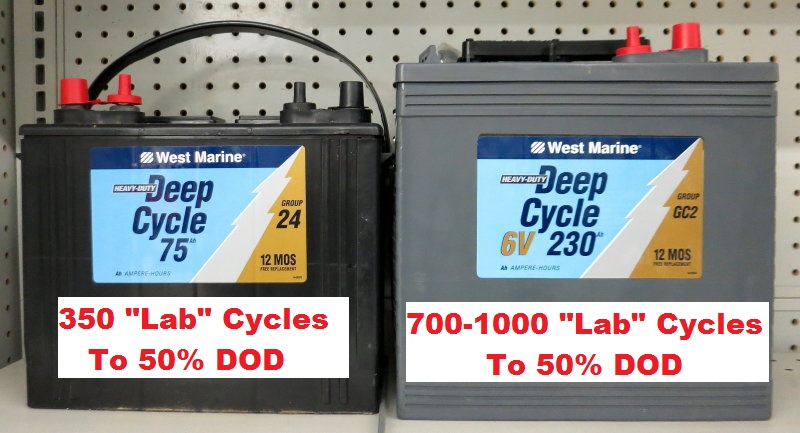
Marine batteries tolerate deep discharges without damage. They can release most of their stored energy safely. Regular batteries should not be deeply discharged. Doing so reduces their lifespan and performance quickly.
Recharge Cycles
Marine batteries have more recharge cycles than regular ones. This means they last longer with repeated use. Regular batteries wear out faster if recharged often. Marine batteries suit frequent use and long trips better.
Environmental Adaptability
Environmental adaptability is crucial for batteries used in different settings. Marine batteries face harsher conditions than regular batteries. They must perform well despite exposure to water, salt, and rough weather. Regular batteries are designed for stable environments like cars or homes. Understanding how these batteries handle environmental stress helps in choosing the right one.
Temperature Tolerance
Marine batteries can handle wide temperature changes. They work well in hot sun and cold nights on the water. Regular batteries usually operate best in moderate temperatures. Extreme heat or cold can reduce their lifespan. Marine batteries use special materials to resist temperature damage. This makes them reliable in tough outdoor climates.
Vibration And Shock Resistance
Marine batteries are built to withstand strong vibrations and shocks. Boats often face waves and rough movements. These batteries have extra protection inside to avoid damage. Regular batteries are less resistant to shocks. They may fail faster if exposed to constant shaking. Marine batteries last longer in bumpy and unstable conditions.
Maintenance Requirements
Maintaining batteries properly keeps them working longer and safer. Marine batteries and regular batteries need different care. Understanding their maintenance helps you avoid damage and extra costs. Let’s explore how their charging and lifespan differ.
Charging Needs
Marine batteries require slow, steady charging to avoid damage. They often use deep cycle charging methods. Regular batteries charge faster with standard chargers. Overcharging regular batteries can cause leaks or reduce power. Marine batteries need special chargers made for water use. Checking voltage regularly prevents overcharging and extends battery life.
Lifespan Expectations
Marine batteries last longer under harsh conditions. They resist corrosion and vibrations better than regular batteries. Regular batteries usually last 3 to 5 years with good care. Marine batteries can last up to 7 years or more. Proper maintenance, like cleaning terminals and avoiding full discharge, boosts lifespan. Knowing these differences helps choose the right battery for your needs.
Cost And Value
Cost and value are key factors when choosing between a marine battery and a regular battery. The price difference matters, but so does how long each battery lasts. Understanding both initial and ongoing expenses helps you make a smart choice.
Initial Investment
Marine batteries usually cost more upfront than regular batteries. They need special materials to resist water and corrosion. This extra protection raises the price. Regular batteries have a lower initial cost. They are simpler and made for everyday use. The choice depends on your budget and needs.
Long-term Expenses
Marine batteries last longer under tough conditions. They handle deep charging better, which means fewer replacements. This saves money over time. Regular batteries may need replacing more often. They can fail faster in wet or salty environments. Maintenance costs for marine batteries might be higher, but the lifespan often balances it out.
Choosing The Right Battery
Choosing the right battery is important for your device’s performance and safety. Different batteries suit different needs. Marine batteries and regular batteries serve unique purposes. Understanding their differences helps in selecting the best one.
Application Considerations
Marine batteries are designed for boats and watercraft. They handle vibrations and wet conditions well. Regular batteries work best in cars and small machines. Marine batteries provide strong power bursts for starting engines. Regular batteries focus more on steady power supply. Think about where and how the battery will be used.
Safety Factors
Marine batteries have extra protection against water damage. They are sealed to prevent acid leaks. Regular batteries may not have these safety features. Marine batteries resist corrosion from salt and moisture. Choosing the safer option reduces risks during use. Proper battery handling also keeps you safe.
Credit: marinehowto.com
Frequently Asked Questions
What Is The Main Difference Between Marine And Regular Batteries?
Marine batteries are designed to handle constant vibration and moisture. Regular batteries suit cars and light-duty use. Marine batteries deliver higher cranking power and deep cycle capabilities, essential for boats. Regular batteries focus mainly on starting engines with limited deep cycling.
Can Marine Batteries Be Used In Cars Or Trucks?
Marine batteries can power cars but are less efficient. They are heavier and more expensive than car batteries. Regular car batteries are optimized for quick starts and short bursts. Using marine batteries in vehicles may reduce performance and increase costs unnecessarily.
How Long Do Marine Batteries Typically Last Compared To Regular Batteries?
Marine batteries generally last longer due to durable construction. They handle deep discharges better than regular batteries. Regular batteries usually last 3-5 years in typical use. Marine batteries can last 4-7 years with proper maintenance and usage.
Are Marine Batteries More Expensive Than Regular Batteries?
Yes, marine batteries cost more due to specialized design. They require robust materials to resist water and vibration. Regular batteries are cheaper, made for everyday automotive use. The extra cost reflects marine batteries’ enhanced durability and performance.
Conclusion
Marine batteries handle water and vibrations much better than regular ones. They last longer in harsh conditions and offer steady power. Regular batteries suit cars and everyday use but may fail in marine settings. Choosing the right battery depends on your needs and environment.
Remember, using the correct battery keeps your equipment safe and working well. Simple but important.