Natural Gas Vs Gasoline Generator: Which is More Efficient?
When it comes to choosing a generator, two main options exist: natural gas and gasoline. Both types offer distinct advantages and disadvantages.
Generators are essential for providing backup power during outages. The choice between natural gas and gasoline generators can impact your convenience, cost, and environmental footprint. Natural gas generators connect to your existing gas lines and provide a continuous fuel supply.
On the other hand, gasoline generators are portable and often more affordable upfront. Understanding the differences helps you make an informed decision. This comparison will explore the key factors, helping you determine which generator fits your needs best. Dive in to discover the pros and cons of each type. Your ideal generator is just a few considerations away.
Credit: hackaday.com
Introduction To Generators
Generators have become essential in our daily lives. They provide backup power during outages. They are also used for outdoor activities and in remote locations. Understanding the different types of generators can help you choose the right one.
Importance Of Generators
Generators ensure a continuous power supply. They are vital in emergencies. Hospitals rely on them to keep critical equipment running. Businesses use generators to avoid operational losses. Homes benefit from them by maintaining comfort and safety. Generators are a reliable source of power when the main grid fails.
Types Of Generators
There are several types of generators. Each has its own advantages and uses. The main types include:
- Portable Generators: These are small and easy to move. Ideal for temporary power needs.
- Inverter Generators: These are efficient and quiet. They provide clean power for sensitive electronics.
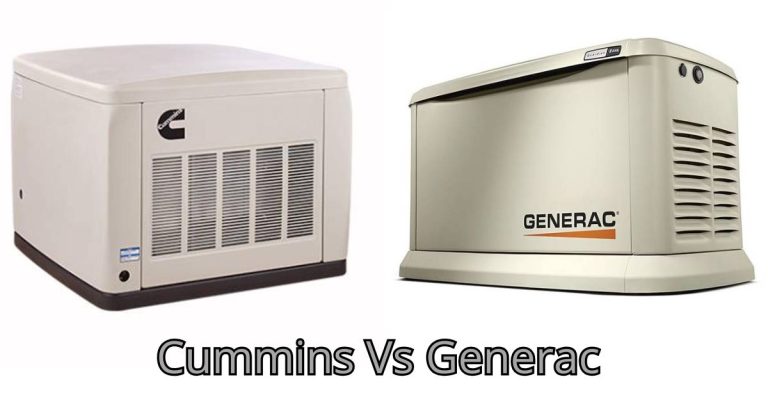
- Standby Generators: These are permanent installations. They automatically turn on during a power outage.
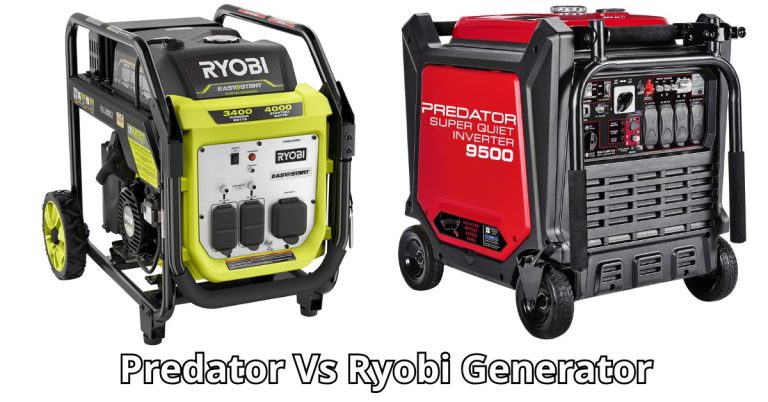
- Gasoline Generators: These are common and easy to find. They run on gasoline fuel.
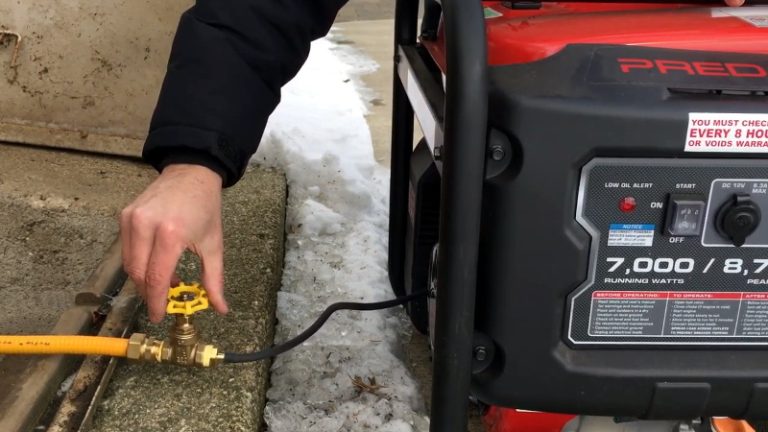
- Natural Gas Generators: These are connected to the natural gas supply. They are convenient and reliable.
Choosing the right generator depends on your specific needs. Consider the power output, fuel type, and usage. Each type has its own benefits and drawbacks.
Natural Gas Generators
Natural gas generators are a popular choice for many households and businesses. They offer a reliable and efficient way to produce electricity. These generators use natural gas as their fuel source, which is readily available and often cheaper than other fuels.
How They Work
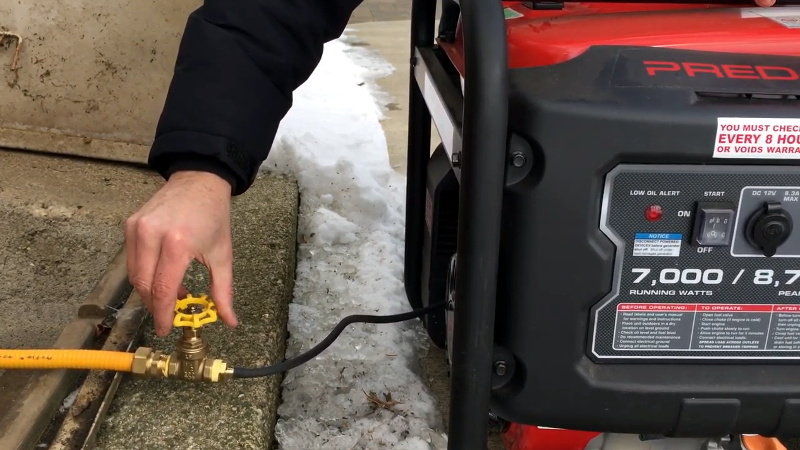
Natural gas generators operate by converting natural gas into electrical energy. The gas is burned inside the engine, creating mechanical energy. This energy then powers an alternator, producing electricity. The process is efficient and produces fewer emissions compared to gasoline generators.
Benefits
- Cost-Effective: Natural gas is often cheaper than gasoline. This makes the running cost of these generators lower.
- Environmentally Friendly: They produce fewer pollutants. This makes them a greener choice.
- Continuous Supply: Natural gas is supplied through pipelines. This means there is no need to store fuel.
- Quiet Operation: These generators tend to be quieter. They are less likely to cause noise disturbances.
Drawbacks
- Initial Cost: The initial setup can be expensive. This includes the cost of the generator and installation.
- Dependence on Pipeline: They rely on a natural gas supply. Any disruption in the gas supply can affect their operation.
- Limited Mobility: These generators are usually stationary. Moving them can be difficult due to the connection to gas pipelines.
Gasoline Generators
Gasoline generators are a popular choice for many households and businesses. They are known for their portability and affordability. These generators can provide a reliable power source during outages. Understanding how they work, their benefits, and their drawbacks can help you make an informed decision.
How They Work
Gasoline generators convert chemical energy from gasoline into electrical energy. This is achieved through an internal combustion engine. The engine burns gasoline, creating motion that drives an alternator. The alternator then produces electricity. This electricity powers your appliances and devices.
Benefits
- Portability: Gasoline generators are easy to move. This makes them ideal for outdoor activities and emergencies.
- Availability: Gasoline is widely available. You can find it at most gas stations, making it easy to refuel your generator.
- Affordability: Gasoline generators are often cheaper than other types of generators. This makes them a budget-friendly option.
Drawbacks
- Fuel Storage: Gasoline is highly flammable. Storing it safely can be challenging.
- Maintenance: Gasoline engines require regular maintenance. This includes oil changes and spark plug replacements.
- Noise: Gasoline generators can be noisy. This can be a disturbance, especially in residential areas.
Credit: www.hutchmountain.com
Efficiency Comparison
When considering generators, efficiency plays a key role in decision making. Whether you choose a natural gas or gasoline generator, understanding their efficiency can help you make the right choice. This section will dive into key aspects of efficiency, including fuel consumption and energy output.
Fuel Consumption
Fuel consumption directly affects the cost of running a generator. Natural gas generators typically consume less fuel compared to gasoline generators. They draw fuel from a constant supply line, reducing the need for frequent refills. Gasoline generators, on the other hand, require regular refueling. This can be inconvenient and potentially costly over time.
Energy Output
Energy output is another important factor in efficiency. Natural gas generators usually provide a consistent power supply. They maintain a steady energy output even during prolonged use. Gasoline generators often show variability in their energy output. This can lead to fluctuations in power, affecting the performance of connected devices.
Cost Analysis
Choosing between a natural gas generator and a gasoline generator involves understanding the costs. This section breaks down the initial costs and operational costs of both types. Understanding these will help you make an informed decision.
Initial Costs
The initial cost of a generator can vary significantly. Natural gas generators often have a higher upfront price. This is due to their advanced technology and the need for a connection to a natural gas line. On average, a natural gas generator can cost between $2,000 and $5,000.
Gasoline generators, on the other hand, usually have a lower initial cost. They are generally more affordable, ranging from $500 to $2,500. Their lower price makes them accessible for many homeowners and small businesses.
Operational Costs
Operational costs include the expenses incurred while running the generator. Natural gas is typically cheaper than gasoline. This can lead to lower operating costs over time. Here’s a comparison table for a clearer understanding:
| Type of Generator | Fuel Cost per kWh |
|---|---|
| Natural Gas Generator | $0.03 – $0.06 |
| Gasoline Generator | $0.15 – $0.20 |
Natural gas is not only cheaper but also burns cleaner. This reduces maintenance costs. Gasoline generators require frequent oil changes and spark plug replacements. Their maintenance can add up over time.
In summary, while natural gas generators have higher initial costs, their operational expenses are lower. Gasoline generators are cheaper upfront but more expensive to run.
Credit: westinghouseoutdoorpower.com
Environmental Impact
Choosing between a natural gas generator and a gasoline generator involves considering various factors. One of the most critical aspects is the environmental impact. This section will explore the differences in emissions and sustainability between these two types of generators.
Emissions
Emissions from generators significantly affect air quality. Natural gas generators emit fewer pollutants compared to gasoline generators. They produce less carbon monoxide, nitrogen oxides, and particulate matter.
- Natural Gas Generators:
- Lower carbon dioxide emissions
- Fewer nitrogen oxides
- Less particulate matter
- Gasoline Generators:
- Higher carbon dioxide emissions
- More nitrogen oxides
- Increased particulate matter
Natural gas burns cleaner than gasoline. This makes it a better choice for reducing air pollution.
Sustainability
When considering sustainability, natural gas has advantages over gasoline. Natural gas is more sustainable due to its availability and lower environmental footprint.
| Factor | Natural Gas | Gasoline |
|---|---|---|
| Renewability | Limited but better than gasoline | Non-renewable |
| Extraction Impact | Less harmful | More harmful |
| Availability | More abundant | Less abundant |
Natural gas is more sustainable in the long run. Its extraction and use result in less environmental damage compared to gasoline.
Maintenance And Longevity
Choosing between a natural gas and a gasoline generator involves considering many factors. One crucial aspect is maintenance and longevity. This section will explore the upkeep and lifespan of each type of generator, helping you make an informed decision.
Maintenance Requirements
Generators require regular maintenance to run smoothly. Natural gas generators often need less maintenance compared to gasoline generators.
- Natural gas burns cleaner, resulting in less buildup.
- Fewer oil changes and filter replacements are needed.
- Longer intervals between servicing.
On the other hand, gasoline generators need more frequent attention. They can suffer from carbon deposits and sludge buildup.
- Regular oil changes and filter replacements are essential.
- Carburetor cleaning may be required.
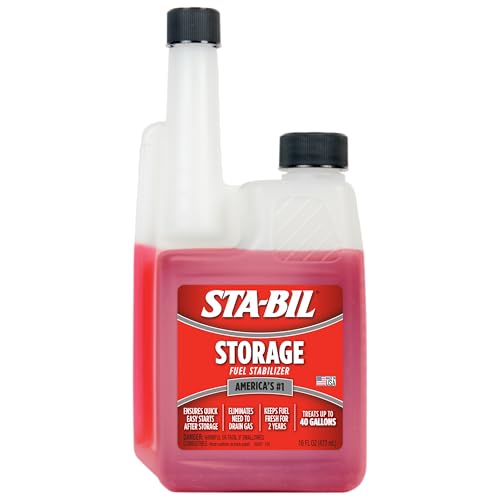
- Fuel stabilizers are needed for long-term storage.
Lifespan
The lifespan of a generator depends on usage, maintenance, and build quality.
| Generator Type | Average Lifespan |
|---|---|
| Natural Gas | 20-30 years |
| Gasoline | 10-15 years |
Natural gas generators often last longer due to cleaner fuel and fewer moving parts. Gasoline generators, with their higher maintenance needs, tend to have a shorter lifespan.
Suitability For Different Needs
Choosing the right generator type depends on your specific needs. Both natural gas and gasoline generators have their own advantages and limitations. Knowing the suitability for different scenarios can help you make an informed decision.
Home Use
For home use, reliability and cost-effectiveness are crucial. Natural gas generators offer a continuous fuel supply through your existing gas lines. You won’t need to store fuel, which is a big advantage.
On the other hand, gasoline generators are often more portable. They are ideal for temporary power needs. But remember, gasoline has a shorter shelf life. You will need to manage fuel storage carefully to avoid problems.
Here’s a quick comparison:
| Feature | Natural Gas | Gasoline |
|---|---|---|
| Fuel Supply | Continuous | Stored |
| Portability | Low | High |
| Shelf Life | Long | Short |
| Initial Cost | Higher | Lower |
Commercial Use
In commercial settings, reliability and power output are top priorities. Natural gas generators are often preferred for their steady fuel supply. They are ideal for businesses that need uninterrupted power.
Gasoline generators are useful for sites with no gas line access. They are also easier to move from place to place, making them suitable for construction sites and temporary events.
Consider the following points:
- Natural gas is less prone to supply disruption.
- Gasoline generators offer flexibility in location.
- Natural gas generators usually have lower operating costs.
- Gasoline generators have higher maintenance needs.
Choosing between natural gas and gasoline generators depends on your specific power needs. Evaluate factors like fuel availability, cost, and reliability to make the best choice.
Frequently Asked Questions
Which Is More Cost-effective: Natural Gas Or Gasoline Generator?
Natural gas generators are typically more cost-effective. Natural gas is often cheaper than gasoline. Additionally, natural gas provides continuous fuel supply, reducing refueling costs.
Are Natural Gas Generators Better For The Environment?
Yes, natural gas generators are better for the environment. They emit fewer pollutants and greenhouse gases compared to gasoline generators, making them a greener option.
How Reliable Are Natural Gas Generators?
Natural gas generators are highly reliable. They connect directly to gas lines, providing a continuous fuel supply. This eliminates the need for refueling and ensures uninterrupted power.
What Maintenance Is Required For Gasoline Generators?
Gasoline generators require regular maintenance. This includes oil changes, spark plug replacements, and fuel system checks. Proper maintenance ensures efficient operation and extends the generator’s lifespan.
Conclusion
Choosing between natural gas and gasoline generators depends on your needs. Both have their advantages. Natural gas is cleaner and more cost-effective. Gasoline generators are portable and convenient. Consider your budget and power needs. Also, think about fuel availability. Assess all these factors before making a decision.
A well-informed choice ensures reliability and efficiency.