How Long Can a Diesel Generator Run Continuously: Ultimate Guide
A diesel generator can run continuously for many hours. The exact duration depends on factors like fuel capacity, load, and maintenance.
Understanding how long a diesel generator can run continuously is crucial. Many rely on these machines during power outages or in remote locations. The duration a generator can operate without stopping affects planning and safety. This blog post will explore the key factors influencing continuous operation.
We’ll look at fuel capacity, load management, and regular maintenance. Knowing these can help you make informed decisions. Whether for home backup or commercial use, this guide will provide valuable insights. Stay tuned to learn how to maximize your generator’s performance and ensure reliable power when needed most.
Introduction To Diesel Generators
Diesel generators are a popular choice for backup power. They provide reliable electricity during power outages. Many industries and homes use them for their efficiency and durability. Let’s dive into the basics and common uses of these powerful machines.
Basics Of Diesel Generators
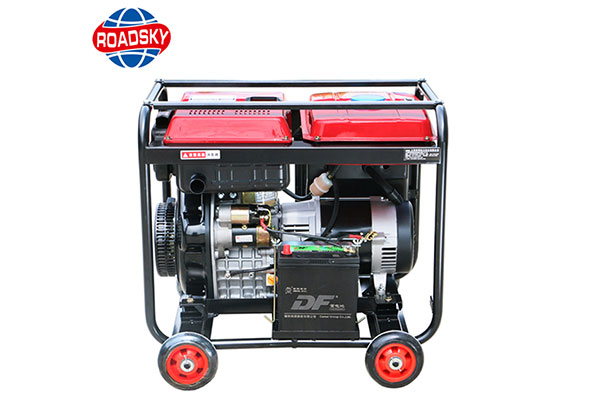
Diesel generators work by converting diesel fuel into electrical power. They consist of an engine, alternator, and fuel tank. The engine burns diesel, driving the alternator to produce electricity.
Key Components:
- Engine
- Alternator
- Fuel Tank
- Control Panel
- Battery
These generators are known for their efficiency. They use less fuel compared to other types of generators. This makes them a cost-effective option for long-term use.
Common Uses
Diesel generators are used in various industries. They provide power for critical operations. Below are some common applications:
| Industry | Usage |
|---|---|
| Healthcare | Hospital backup power |
| Construction | Power tools and machinery |
| Telecommunications | Maintaining network operations |
| Residential | Home backup power |
In healthcare, they ensure hospitals have power during outages. In construction, they keep tools and machinery running. For telecommunications, they maintain network operations. Homes use them for backup power during storms and blackouts.
Overall, diesel generators are versatile and reliable. They are essential for many sectors, providing continuous power when needed most.
Factors Influencing Continuous Run Time
Understanding how long a diesel generator can run continuously is crucial for anyone relying on this power source. Several factors influence the continuous run time of a diesel generator. These factors determine the efficiency and operational capacity of the generator. Let’s delve into the key elements that affect how long your generator can keep running.
Fuel Capacity
The fuel capacity of a diesel generator is a primary factor affecting its continuous run time. Larger fuel tanks mean longer operation periods without needing refills. Most diesel generators are designed with fuel tanks that support continuous operation for several hours.
For example, a generator with a 100-liter fuel tank can run longer than one with a 50-liter tank. This duration depends on the generator’s fuel consumption rate. Here is a basic comparison:
| Fuel Tank Capacity | Run Time (at 50% load) |
|---|---|
| 50 liters | 8-10 hours |
| 100 liters | 16-20 hours |
Smaller tanks require more frequent refueling. This can interrupt power supply. Always consider the fuel tank size when choosing a generator for long-term use.
Generator Load
The generator load refers to the amount of power the generator is supplying. Higher loads consume more fuel, reducing the continuous run time. Running a generator at full capacity will deplete fuel quicker than running it at half capacity.
Here’s a brief overview:
- Full Load: Maximum power consumption, shortest run time.
- Half Load: Moderate power consumption, extended run time.
- Quarter Load: Minimal power consumption, longest run time.
Maintaining an optimal load is essential. It ensures efficient fuel use and prolongs the generator’s operational time. Avoid running your generator at full load for extended periods to prevent wear and tear.
Design And Build Quality
The design and build quality of a diesel generator significantly impact its continuous running time. A well-built generator can run for extended periods without issues. Key factors include engine durability and effective cooling systems. Both elements are crucial for reliable, long-term operation.
Engine Durability
Engine durability determines how long a diesel generator can run continuously. High-quality engines are built to withstand prolonged use. They use robust materials and advanced manufacturing techniques. This enhances their lifespan and reliability. Regular maintenance also plays a role. It ensures the engine remains in top condition.
Durable engines can handle continuous operation without overheating or breaking down. They are designed to run smoothly for hours. This makes them ideal for critical applications. For example, hospitals and data centers. A durable engine is a key factor for uninterrupted power supply.
Cooling Systems
Effective cooling systems are essential for continuous generator operation. They prevent the engine from overheating. Overheating can cause serious damage. Diesel generators have different types of cooling systems. Air-cooled systems use fans to dissipate heat. Liquid-cooled systems use coolant fluids. Both methods aim to keep the engine temperature stable.
Regular checks and maintenance of cooling systems are crucial. This ensures they function properly. A well-maintained cooling system extends the generator’s runtime. It also improves overall efficiency. Without proper cooling, the engine may shut down or fail. This can lead to costly repairs and downtime.
Credit: csdieselgenerators.com
Maintenance And Servicing
Maintaining and servicing a diesel generator is crucial for its longevity. Regular upkeep ensures the generator runs efficiently. It also prevents unexpected breakdowns. Let’s explore some key maintenance tasks.
Routine Checks
Routine checks are essential for diesel generators. Inspect the fuel, coolant, and oil levels. Check the battery and electrical connections. Look for any signs of wear or damage. Conduct these checks daily or before each use.
Oil And Filter Changes
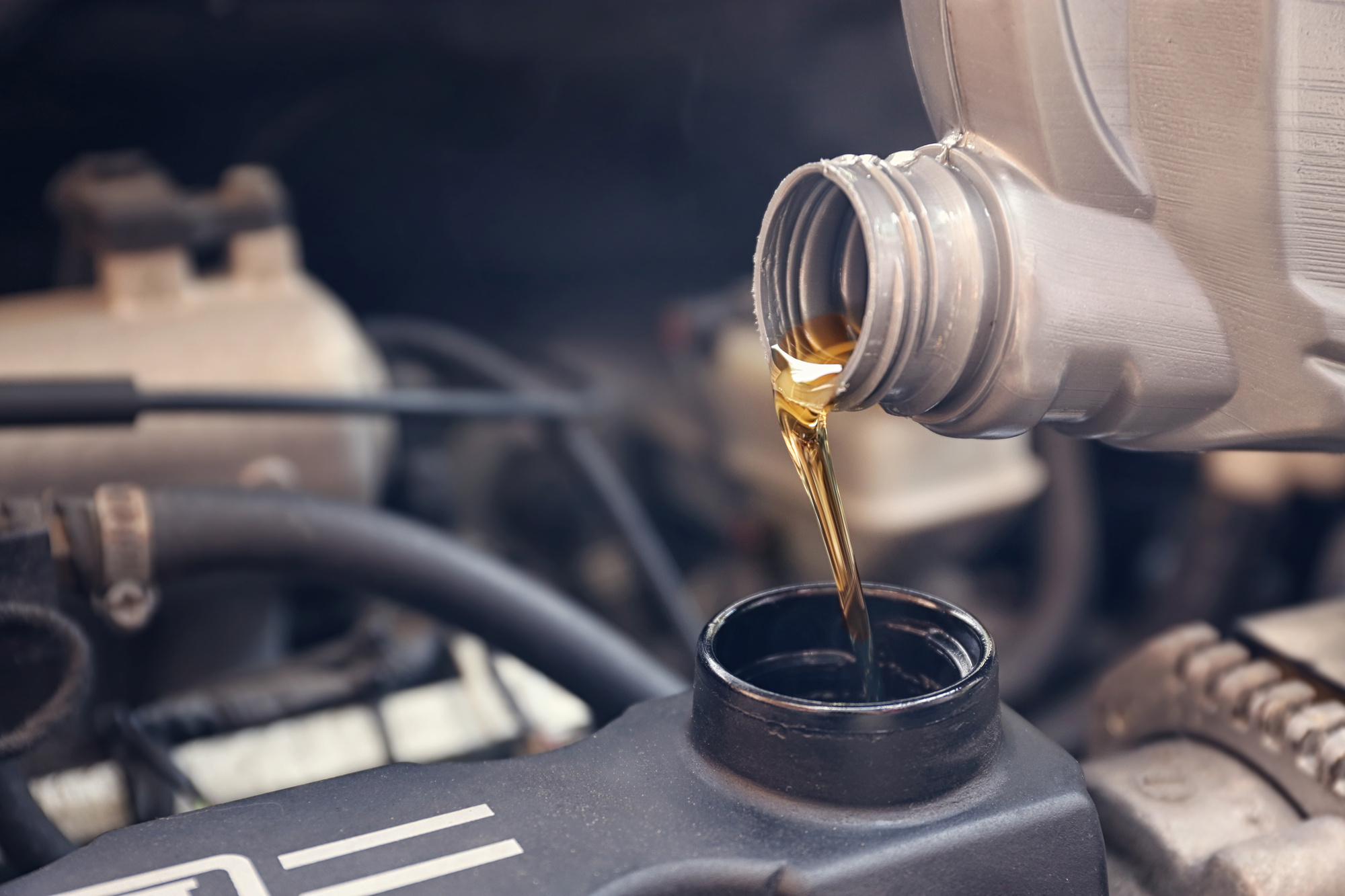
Oil and filter changes are vital for generator health. Replace the oil every 100 to 200 hours of operation. Change the filters during oil changes. Clean filters ensure the engine runs smoothly. Dirty filters can cause engine issues and reduce efficiency.
Safety Considerations
Ensuring the safe operation of a diesel generator is crucial, especially during continuous use. Safety measures can prevent many potential hazards. Focus on key aspects like overheating and proper ventilation.
Overheating Prevention
Overheating can severely damage a diesel generator. Regular monitoring of the temperature is essential. Use cooling systems to maintain optimal temperature.
Consider installing temperature sensors. These sensors alert you when the generator gets too hot. Frequent breaks can also help in cooling down the engine.
Key steps to prevent overheating:
- Regularly check coolant levels.
- Ensure the radiator is clean.
- Inspect the fan for any damage.
Proper Ventilation
Proper ventilation is vital for a diesel generator. It helps to prevent the build-up of harmful fumes and ensures efficient operation.
Ensure the generator is placed in an open space. Adequate airflow around the generator is essential. Avoid placing the generator in enclosed spaces.
Key ventilation tips:
- Install exhaust fans to remove fumes.
- Ensure there is no blockage around the generator.
- Use ducts to direct exhaust gases away.
Regular checks and maintenance will ensure the generator runs safely and efficiently. Always prioritize safety to avoid any accidents or damage.
Environmental Impact
Running a diesel generator continuously can have significant environmental impacts. These impacts include emissions and noise levels, which can affect both the environment and human health. Understanding these factors helps in making informed decisions about generator use.
Emissions Control
Diesel generators produce emissions that include carbon dioxide, nitrogen oxides, and particulate matter. These emissions contribute to air pollution and global warming. Modern generators come with emissions control technologies. These technologies reduce the amount of harmful gases released into the atmosphere. Regular maintenance also helps in keeping emissions low.
Noise Levels
Diesel generators can be noisy, which can be disruptive in residential areas. High noise levels can affect quality of life and even cause hearing issues. Using soundproof enclosures can reduce noise. Some modern generators are designed to be quieter. Positioning the generator away from living areas also helps in reducing noise impact.
Choosing The Right Generator
Choosing the right diesel generator is crucial for ensuring continuous power. Not all generators are created equal. Some are better for home use, while others suit industrial needs. Understanding your specific needs can help you pick the right generator.
Power Requirements
First, determine your power requirements. This is key. Calculate the total wattage your appliances and equipment use. Make a list of all devices you will power. Add their wattages. This will give you an idea of the minimum power output your generator should have.
- List all devices
- Find their wattage
- Add up the total wattage
For example, if you need to power a refrigerator, lights, and a few computers, your list might look like this:
| Device | Wattage |
|---|---|
| Refrigerator | 700W |
| Lights | 200W |
| Computers | 600W |
| Total | 1500W |
In this example, a generator with at least 1500 watts is needed. Always add a 20% buffer to your total wattage. This ensures your generator won’t overload.
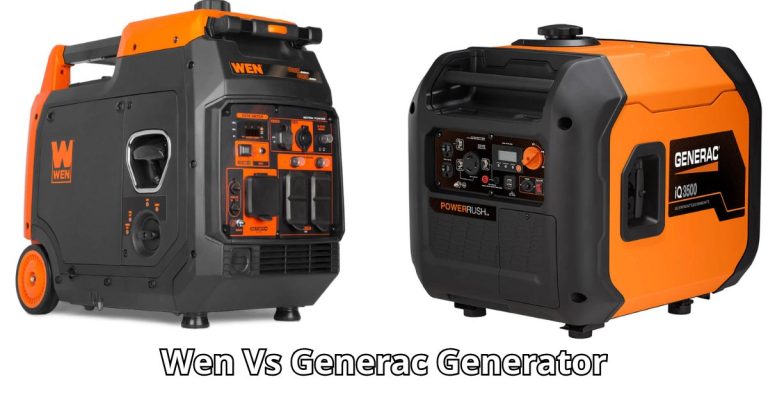
Brand Comparison
Next, compare brands. Each brand offers different features and benefits. Some focus on durability, while others prioritize fuel efficiency. Here are some popular brands:
- Caterpillar
- Generac
- Kohler
- Honda
- Yamaha
Consider what is most important for your needs. Caterpillar is known for durability. Generac offers a variety of models for different needs. Kohler is great for home backup power. Honda and Yamaha are known for their quiet operation and fuel efficiency.
Read reviews and compare prices. Pay attention to the warranty and customer service. A good warranty can save you money in the long run. Customer service is important for troubleshooting and repairs.
Credit: roadskymaintenance.com
Real-world Examples
Understanding how long a diesel generator can run continuously is crucial. Real-world examples help us grasp its practical applications. Here’s a closer look.
Industrial Applications
Industries rely on diesel generators for continuous operations. These machines must work without interruptions, especially in critical settings.
In manufacturing plants, generators often run for weeks. This ensures assembly lines keep moving.
Mining operations in remote areas use diesel generators. These generators power equipment and facilities around the clock.
Data centers also depend on generators. They need backup power to ensure servers stay online. Here, generators might run for several days during outages.
| Industry | Continuous Run Time |
|---|---|
| Manufacturing | Weeks |
| Mining | 24/7 |
| Data Centers | Several Days |
Emergency Backup
Diesel generators are vital in emergencies. They provide power when the main supply fails.
Hospitals use these generators to ensure patient care. During blackouts, they can run for several days.
Residential areas also use diesel generators. These generators can run for 24-48 hours. This helps residents maintain essential functions during outages.
Military bases often have diesel generators. These generators ensure continuous operation during critical missions.
- Hospitals: Several days
- Residential Areas: 24-48 hours
- Military Bases: Continuous during missions
Conclusion And Best Practices
Understanding how long a diesel generator can run continuously is vital. This information helps ensure optimal performance and longevity. By following some best practices, you can maximize the efficiency and durability of your generator.
Summary Of Key Points
- Fuel Supply: Ensure a continuous fuel supply to keep the generator running smoothly.
- Maintenance: Regular maintenance checks are crucial for performance.
- Cooling System: A proper cooling system prevents overheating.
- Load Management: Avoid overloading to extend generator life.
Tips For Optimal Performance
Follow these tips to get the most out of your diesel generator:
- Regular Oil Changes: Change the oil every 100-200 hours of operation. This keeps the engine lubricated and running smoothly.
- Fuel Quality: Use high-quality diesel fuel to avoid clogging and damage.
- Check Coolant Levels: Always keep the coolant at recommended levels to prevent overheating.
- Inspect Filters: Replace air and fuel filters regularly. Clean filters ensure better airflow and fuel efficiency.
- Monitor Load: Ensure the generator operates within its rated capacity. Overloading can cause damage and reduce lifespan.
- Run Periodically: Run the generator periodically, even if not in use. This prevents fuel stagnation and keeps the engine in good condition.
By adhering to these best practices, you can ensure your diesel generator runs efficiently and lasts longer.

Credit: www.solentpower.co.uk
Frequently Asked Questions
How Long Can A Diesel Generator Run Non-stop?
A diesel generator can run non-stop for around 200 hours. This depends on the model and maintenance. Regular checks are necessary.
What Affects A Diesel Generator’s Continuous Run Time?
Several factors affect run time. These include fuel capacity, engine size, and cooling system efficiency. Proper maintenance is crucial.
Can A Diesel Generator Run 24/7?
Yes, many diesel generators can run 24/7. Continuous operation requires sufficient fuel, regular maintenance, and monitoring.
Is It Safe To Run A Diesel Generator Continuously?
Yes, it is safe with proper maintenance and monitoring. Ensure adequate ventilation and follow the manufacturer’s guidelines.
Conclusion
Understanding how long a diesel generator can run is crucial. Proper maintenance helps extend its lifespan. Always follow manufacturer guidelines for safe operation. Regular checks prevent unexpected failures. Diesel generators are reliable when used correctly. Remember to monitor fuel levels and engine temperature.
Investing in quality parts ensures better performance. Stay informed and keep your generator in top shape. This way, your power supply remains uninterrupted.