Can You Run a Propane Generator Indoors? Essential Safety Tips
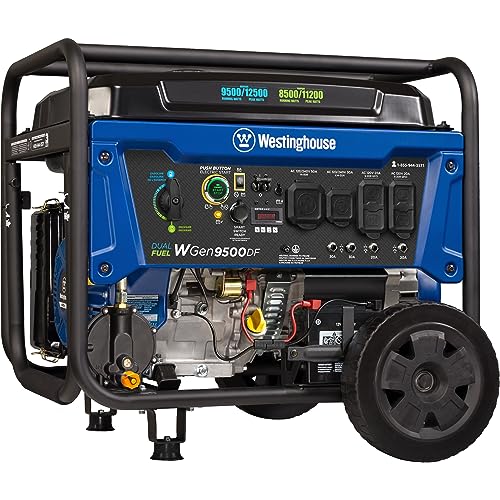
No, you should not run a propane generator indoors. It’s dangerous.
Propane generators can produce carbon monoxide, a deadly gas. Running one indoors could put you at risk of poisoning. This blog post will explain why it’s unsafe and provide safe alternatives for using a generator. Understanding the risks can help you make better decisions about where to place your generator.
Stay informed and keep your home safe.
Propane Generator Basics
Propane generators are a popular choice for many homeowners and businesses. They are reliable and provide a consistent power source. Understanding the basics of propane generators can help you decide if they are the right choice for your needs.
How Propane Generators Work
Propane generators convert propane gas into electrical power. The process starts with the combustion of propane in an engine. This combustion creates mechanical energy. Then, a generator converts this mechanical energy into electrical energy. Propane is stored in tanks and fed into the generator through a regulator.
Common Uses For Propane Generators
Propane generators have many uses. They are commonly used for backup power during outages. They are also used in remote locations where electricity is not available. Many RV owners use propane generators for camping trips. Construction sites often use propane generators to power tools and equipment.
| Use | Description |
|---|---|
| Backup Power | Provide power during outages. |
| Remote Locations | Power in areas without electricity. |
| Camping | Power for RVs and outdoor activities. |
| Construction Sites | Power tools and equipment. |
Propane generators are versatile and reliable. They offer a steady power source in many situations. Understanding their basics can help you make an informed decision.
Credit: www.reddit.com
Indoor Use Dangers
Running a propane generator indoors can be very dangerous. The risks involved can harm you and your loved ones. Understanding these dangers is crucial for safety.
Carbon Monoxide Risks
Propane generators emit carbon monoxide (CO). This gas is colorless and odorless. It is also deadly. Indoors, CO levels can rise quickly. Even a small amount can be fatal. Symptoms of CO poisoning include headaches, dizziness, and nausea. In severe cases, it can cause death. Always use generators in well-ventilated areas. Never run them inside your home or garage.
Fire Hazards
Generators produce heat and sparks. Indoor use increases the risk of fire. Propane is highly flammable. Any leak can cause a fire or explosion. Keep generators away from flammable materials. Store propane tanks properly. Ensure the generator is cool before refueling. Always have a fire extinguisher nearby. Being cautious can prevent dangerous accidents.
Ventilation Importance
Running a propane generator indoors without proper ventilation can be dangerous. Understanding the importance of ventilation can help prevent health risks. This section will discuss the significance of proper airflow and the signs of poor ventilation.
Proper Airflow
Proper airflow is crucial when using a propane generator indoors. Propane generators produce carbon monoxide (CO), a colorless, odorless gas. High levels of CO can be deadly. Ensuring proper ventilation reduces the risk of CO poisoning.
To achieve proper airflow:
- Open windows and doors.
- Use fans to circulate air.
- Install carbon monoxide detectors.
These steps help ensure the air remains safe to breathe.
Signs Of Poor Ventilation
Recognizing signs of poor ventilation is essential for safety. Here are some indicators:
- Headaches: A common symptom of CO exposure.
- Dizziness: Feeling lightheaded can signal poor air quality.
- Nausea: Another warning sign of CO poisoning.
- Fatigue: Unexplained tiredness might indicate poor ventilation.
If you notice any of these signs, turn off the generator immediately. Then, move to an area with fresh air and seek medical attention if needed.
Safety Precautions
Running a propane generator indoors can be dangerous. Taking the right safety precautions is essential. This ensures the well-being of everyone in the building. Let’s explore some key measures to take.
Installing Carbon Monoxide Detectors
Carbon monoxide is a silent killer. You cannot see or smell it. Installing carbon monoxide detectors is crucial. Place detectors in every room where the generator is used. Check them regularly. Replace batteries as needed.
Regular Maintenance
Regular maintenance of your propane generator is vital. Clean and inspect it often. Look for leaks and wear. Follow the manufacturer’s guidelines. Schedule professional inspections annually. Proper maintenance reduces risks. It ensures your generator runs safely and efficiently.
Alternative Solutions
Running a propane generator indoors is unsafe. It can lead to carbon monoxide poisoning. Therefore, seeking alternative solutions is crucial. Here are some effective alternatives.
Using Outdoor Generators
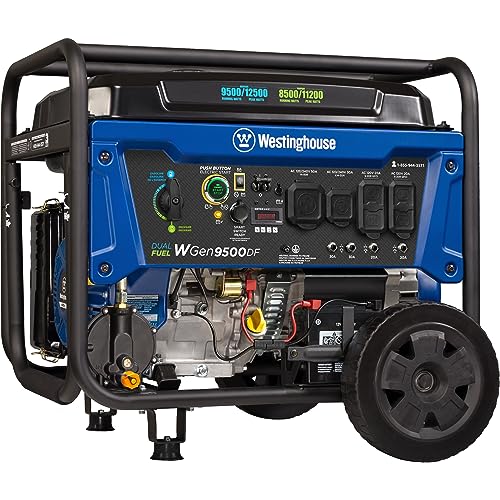
Outdoor generators are a safer choice. Place the generator outside, away from windows and doors. This setup keeps harmful gases out of your living space. Use extension cords to bring power inside. Ensure cords are heavy-duty and suitable for outdoor use.
Battery-powered Options
Battery-powered options provide a clean alternative. Portable power stations are quiet and safe. They don’t emit harmful gases. Charge them using wall outlets or solar panels. These options work well for small appliances and devices. Consider them for short-term power needs.
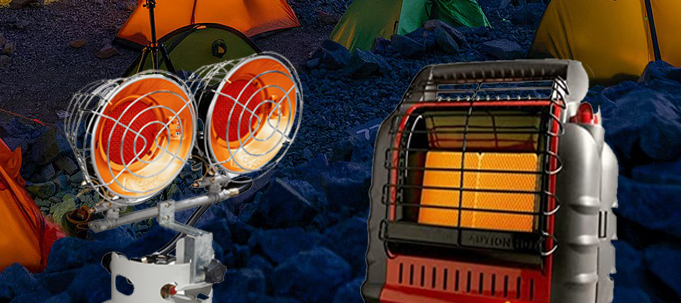
Credit: campsafe.org
Emergency Situations
Emergencies can strike without warning. A sudden power outage can leave you in the dark and disrupt daily activities. Many people turn to propane generators during such times. But can you run a propane generator indoors? Let’s delve into the details, focusing on emergency situations.
Power Outage Preparedness
Power outages can happen due to storms, accidents, or grid failures. A propane generator offers a reliable power source. Keep it ready and maintained for emergencies. Store enough propane to last several days. Have an extension cord ready to connect essential devices.
Ensure you know how to operate the generator. Read the manual carefully. Practice starting and stopping it. This preparation can save time and reduce stress during an outage.
Safe Shelter Practices
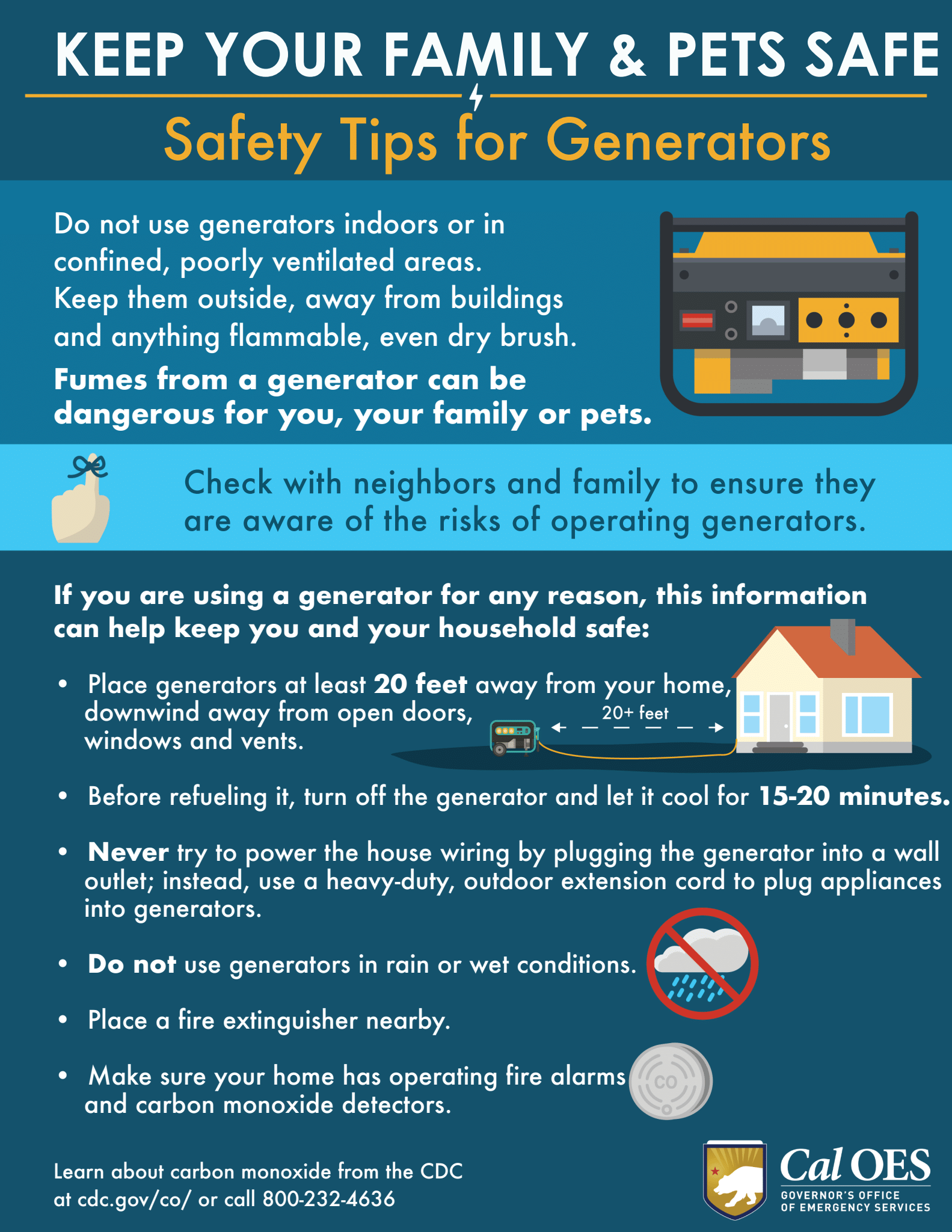
Running a propane generator indoors is dangerous. It produces carbon monoxide, a deadly gas. Always place the generator outside. Keep it at least 20 feet away from windows and doors. This distance prevents fumes from entering your home.
Use a carbon monoxide detector inside your home. This device can alert you to dangerous levels of the gas. Ensure proper ventilation in the area where the generator runs. Safety must be your top priority during an emergency.
Legal Regulations
Understanding the legal regulations for running a propane generator indoors is crucial. These regulations ensure safety and prevent accidents. Failing to follow them can lead to serious consequences. Let’s explore the key aspects of these regulations.
Local Building Codes
Local building codes vary by region. They often prohibit running propane generators indoors. These codes aim to reduce fire risks and ensure proper ventilation. Always check your local building codes. Ensure compliance to avoid penalties and hazards.
Manufacturer Guidelines
Manufacturer guidelines are essential for safe generator use. Most manufacturers advise against indoor use. Propane generators produce harmful gases. These gases can cause serious health issues. Follow the manufacturer’s instructions closely. This helps keep you and your family safe.
Expert Recommendations
Running a propane generator indoors can be dangerous. This section focuses on expert recommendations to ensure your safety and the safety of those around you.
Consulting Professionals
Experts strongly advise consulting professionals before running a propane generator indoors. These professionals can provide valuable insights and ensure your setup is safe.
- Certified Electricians: They can help with proper wiring and connections.
- HVAC Specialists: They ensure proper ventilation systems are in place.
- Propane Suppliers: They can advise on safe storage and handling of propane.
Consulting these experts can prevent mishaps and ensure your generator operates efficiently.
Following Best Practices
Adhering to best practices is crucial for safe indoor use of propane generators.
- Proper Ventilation: Ensure your space has adequate ventilation to prevent carbon monoxide buildup.
- Regular Maintenance: Schedule regular maintenance checks to keep your generator in optimal condition.
- Use Carbon Monoxide Detectors: Install detectors to alert you of dangerous levels of carbon monoxide.
Following these best practices can significantly reduce the risks associated with indoor use of propane generators.
Always prioritize safety. Consulting professionals and following best practices are essential.

Credit: www.reddit.com
Frequently Asked Questions
Is It Safe To Run A Propane Generator Indoors?
No, running a propane generator indoors is unsafe. It produces carbon monoxide, which is deadly. Always use it outdoors.
What Are The Risks Of Using A Propane Generator Indoors?
Using a propane generator indoors can lead to carbon monoxide poisoning. It also poses fire hazards due to fuel use.
Can Propane Generators Cause Carbon Monoxide Poisoning?
Yes, propane generators emit carbon monoxide, a colorless, odorless gas. Inhaling it can be fatal. Always use generators outdoors.
Are There Alternatives To Running A Propane Generator Indoors?
Yes, consider using battery-powered generators or solar generators. They are safer for indoor use and environmentally friendly.
Conclusion
Running a propane generator indoors is unsafe. Carbon monoxide can build up quickly. This gas is odorless and deadly. Always use generators outside. Ensure proper ventilation. Safety should always come first. Protect yourself and loved ones. Consider alternatives for indoor power needs.
Stay informed and stay safe.