What Size Extension Cord for Generator: Expert Guide to Safe Usage
Choosing the right size extension cord for your generator is crucial. It ensures safety and optimal performance.
Generators are essential in emergencies or places without power. But, to use them safely, you need the correct extension cord. The wrong size can cause overheating or damage. Knowing the right size will protect your devices and keep everything running smoothly.
This guide will help you understand what size extension cord you need for your generator. By the end, you’ll feel confident in making the right choice. Let’s dive in.
Choosing The Right Extension Cord
Selecting the right extension cord for your generator is crucial. It ensures safety and efficiency in power delivery. Using the wrong cord can lead to overheating and damage to your devices. Below, we explore important factors and common mistakes when choosing an extension cord.
Factors To Consider
Several factors determine the right extension cord for your generator. These include:
- Length: Longer cords experience more voltage drop. Choose a shorter cord to minimize this.
- Gauge: The gauge indicates the wire thickness. Thicker wires (lower gauge numbers) carry more current safely.
- Amperage: Match the cord’s amperage rating with your generator’s output. Exceeding the limit can cause overheating.
- Outdoor Rating: Ensure the cord is rated for outdoor use, especially in wet conditions.
- Plug Type: Make sure the plugs are compatible with your generator and devices.
Common Mistakes
Avoid these common mistakes when choosing an extension cord:
- Using an indoor cord outdoors. This can lead to safety hazards.
- Choosing a cord with an insufficient gauge. Thinner wires cannot handle high currents.
- Ignoring the length of the cord. Longer cords need higher gauges to prevent voltage drop.
- Not checking the amperage rating. Overloading the cord can cause overheating and fires.
- Using damaged or old cords. Always inspect cords for wear and tear before use.
By considering these factors and avoiding common mistakes, you can ensure safe and efficient use of your generator with the right extension cord.
Understanding Electrical Ratings
Choosing the right extension cord for your generator is crucial. It ensures safety and efficiency. Understanding electrical ratings is essential for making the right choice. This section will break down the key factors you need to consider.
Voltage And Amperage
Generators produce power at a specific voltage and amperage. Voltage is the force that drives the current. Amperage measures the amount of electric current. Check your generator’s manual for its voltage and amperage ratings. This information will help you select the right extension cord. Using the wrong cord can cause overheating and potential hazards.
Cord Gauge And Length
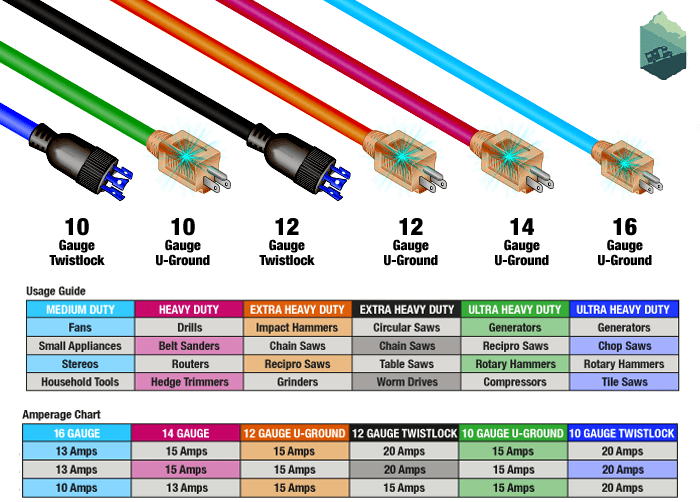
Cord gauge refers to the thickness of the wire. Thicker wires can handle more power without overheating. The gauge number indicates wire thickness. A lower number means a thicker wire. For generators, a 10-gauge or 12-gauge cord is usually ideal.
Length also affects performance. Longer cords reduce the power reaching your devices. Keep your cord as short as possible. If you need a long cord, opt for a thicker gauge to handle the distance. Always balance cord length and gauge for optimal safety and performance.
Types Of Extension Cords
Choosing the right extension cord for your generator is crucial. Different types of extension cords are available, and each serves a unique purpose. The right cord ensures safety and efficiency. Below, we explore different types of extension cords for your generator.
Heavy-duty Cords
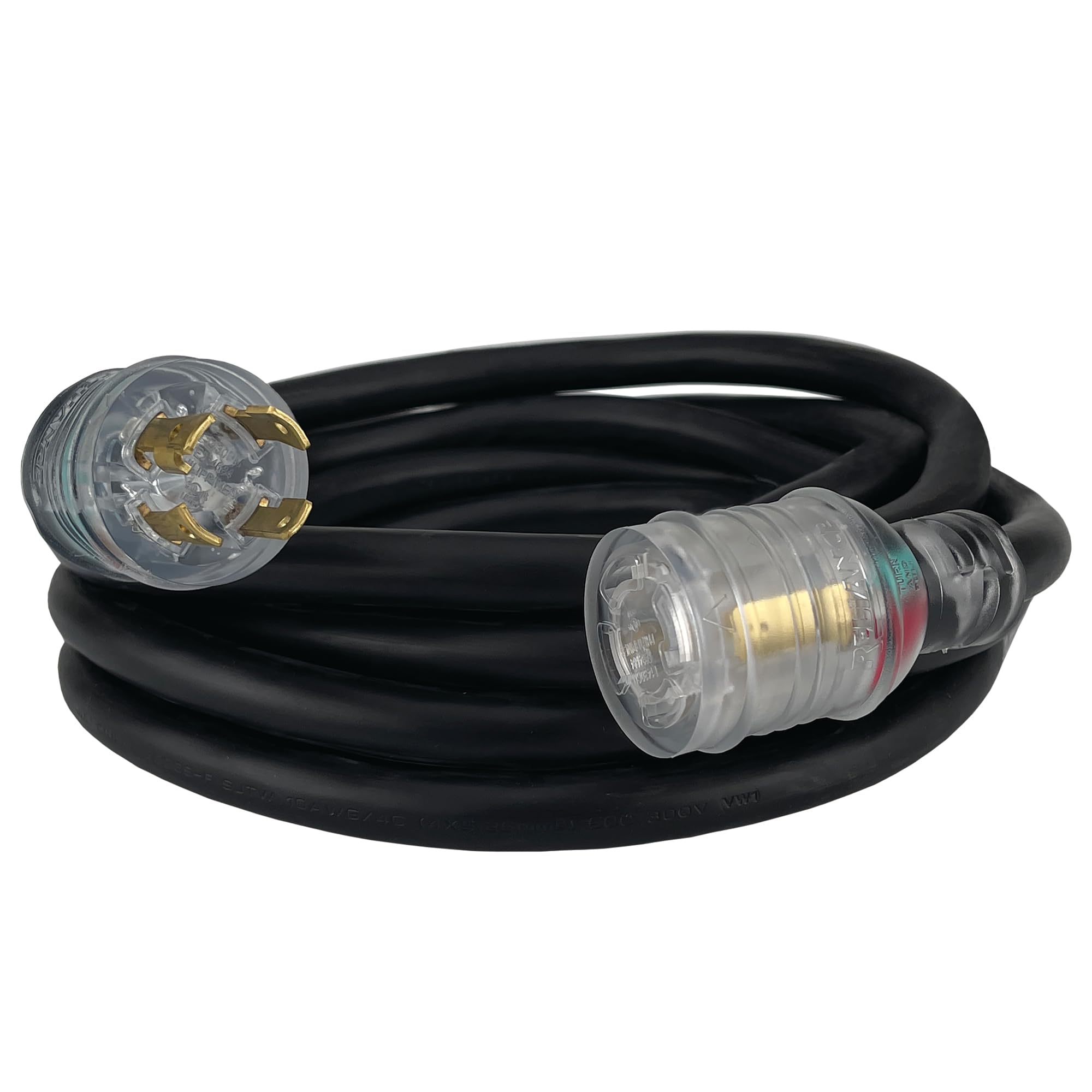
Heavy-duty cords are essential for powerful generators. They handle high power and are built to last. These cords are usually thick and have a high gauge rating.
| Gauge | Usage |
|---|---|
| 10-gauge | Ideal for heavy-duty tools and large appliances |
| 12-gauge | Suitable for medium-duty tools and appliances |
Using a heavy-duty cord reduces the risk of overheating. It also ensures that your generator runs smoothly. Always check the wattage rating on the cord to match your generator’s output.
Outdoor Vs. Indoor Use
Extension cords are classified for either outdoor or indoor use. Each has specific features tailored to its environment.
Outdoor Extension Cords:
- Weather-resistant
- Thicker insulation
- Durable and rugged
Outdoor cords are designed to withstand the elements. They are ideal for generators used outside. Always look for a “W” marking on the cord. This indicates it is safe for outdoor use.
Indoor Extension Cords:
- Lightweight
- Less insulation
- Not weather-resistant
Indoor cords are suitable for use inside homes and buildings. They should not be used outdoors. They lack the protective features needed for outside conditions.
Choosing the right extension cord is important. Always consider the power needs and location of your generator. This ensures safety and efficient operation.
Credit: www.amazon.com
Calculating Power Requirements
Choosing the right size extension cord for your generator is crucial. One key factor is calculating power requirements. Understanding your power needs ensures safety and efficiency. This section will guide you through the process.
Wattage Calculation
First, list all the devices you’ll connect to the generator. Check each device’s wattage. Most devices have a label showing their power needs. Add up the wattage of all devices. This total is your power requirement. Ensure your extension cord can handle this wattage.
Load Balancing Tips
Don’t overload one extension cord. Spread the load across multiple cords if needed. This prevents overheating and potential hazards. Use heavy-duty cords for high-wattage devices. They carry more power safely.
Keep extension cords as short as possible. Longer cords reduce power efficiency. They also increase the risk of voltage drops. Always choose cords rated for outdoor use if using them outside. This ensures durability and safety.
Safety Precautions
When using a generator, safety must be a top priority. Properly handling extension cords is crucial to prevent accidents and ensure efficient operation. Follow these safety precautions to keep your equipment and loved ones safe.
Avoiding Overheating
Overheating is a common risk when using extension cords with generators. Choose a cord with the correct wire gauge for your generator’s power output. Thicker wires handle more current, reducing the chance of overheating. Check the cord regularly for any signs of wear or damage. Replace it immediately if you find any issues. Avoid running extension cords under carpets or in confined spaces. This can trap heat and increase the risk of fire.
Proper Storage
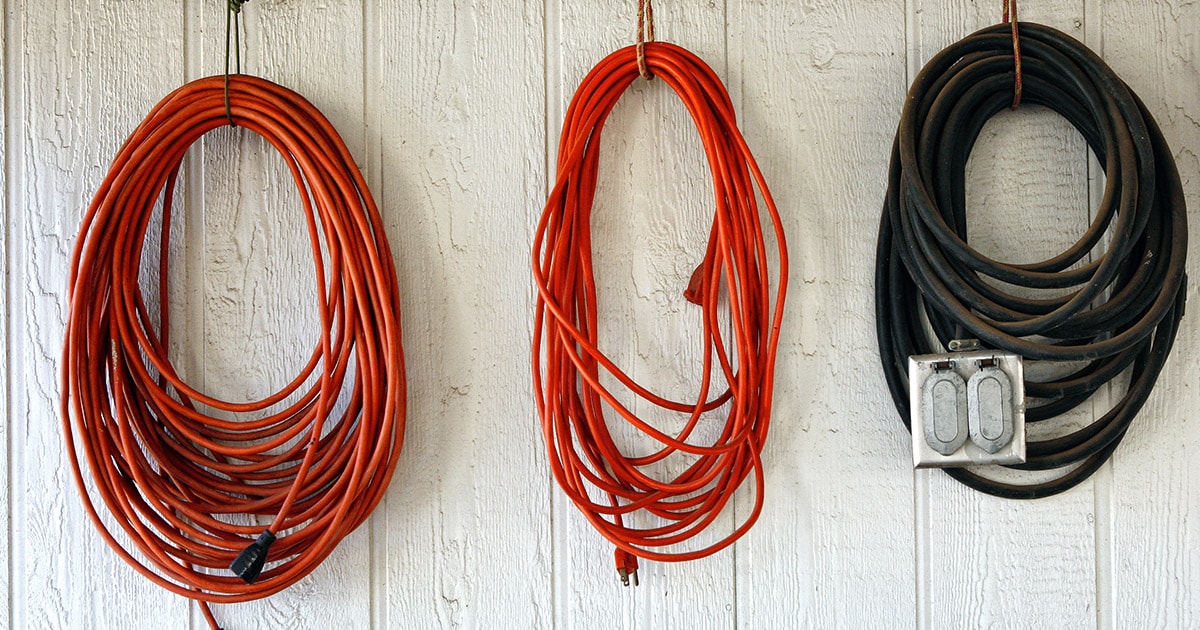
Store your extension cords correctly to prolong their lifespan and ensure safety. Coil the cord neatly to prevent kinks and tangles. Use a cord reel or similar device to keep it organized. Keep the cords in a dry, cool place to avoid moisture damage. Avoid exposing cords to direct sunlight for long periods, as this can cause deterioration. Inspect the cords before each use to ensure they are in good condition. Proper storage and regular checks can prevent many common issues.
Credit: www.electricgeneratorsdirect.com
Cord Maintenance Tips
Choosing the right size extension cord for your generator is crucial. Thicker cords can handle more power safely, reducing the risk of overheating. Always match the cord size to your generator’s power output.
Maintaining your extension cord is crucial for safety and efficiency. Regular maintenance ensures your generator operates smoothly. Follow these tips to keep your cord in top condition.Regular Inspections
Inspect your extension cord before each use. Look for any visible damage. Check for cuts, frays, or exposed wires. Ensure the plug and connectors are intact. A damaged cord can be dangerous. Regular inspections help prevent accidents.Repairing Damaged Cords
Repair any minor damage immediately. Use electrical tape for small cuts. Replace the cord if there’s major damage. Never use a cord with exposed wires. It can cause electrical shocks. Always use proper tools for repairs. Ensure the cord is unplugged before starting. Safety should be your priority. “`Top Extension Cord Brands
Choosing the right extension cord for your generator is crucial. You need a reliable brand that ensures safety and performance. There are many brands in the market. Let’s discuss some of the top extension cord brands.
Brand Comparisons
Several brands stand out in the market. They offer durability and reliability. Some of the top brands include Coleman Cable, Iron Forge, and Southwire. Coleman Cable is known for its heavy-duty options. Iron Forge provides cords that are long-lasting. Southwire offers a range of lengths and gauges.
Coleman Cable has a reputation for quality. Their cords are robust and well-insulated. Iron Forge focuses on user safety. Their cords have reinforced prongs. Southwire offers flexibility. Their cords can handle various power needs.
User Reviews
User reviews provide real insights. Many users praise Coleman Cable for its durability. They say it handles high power loads well. Iron Forge users appreciate the cord’s safety features. They find it reliable in harsh conditions. Southwire users like the flexibility. They mention it’s easy to handle and store.
One user said, “Coleman Cable never fails me. It’s sturdy and reliable.” Another user noted, “Iron Forge cords are the safest I’ve used. The reinforced prongs are a plus.” A Southwire user commented, “This cord is very flexible. It meets all my needs.”
Expert Recommendations
When choosing an extension cord for your generator, size matters. The right size ensures safety and efficiency. Our experts have shared their recommendations to help you make an informed choice.
Professional Advice
Experts suggest using a heavy-duty extension cord for generators. A 10-gauge cord is highly recommended. This size can handle more power without overheating. For smaller generators, a 12-gauge cord may suffice. Always check the generator’s wattage before deciding.
Commonly Asked Questions
What length of extension cord should I use?
Experts recommend keeping the cord as short as possible. The longer the cord, the more power it loses. Aim for a cord length under 100 feet.
Can I use a regular extension cord?
No, regular extension cords are not suitable. They can’t handle the high wattage of a generator. Always choose a cord designed for heavy-duty use.
Is it safe to connect multiple cords?
It’s not safe to connect multiple cords. This can lead to overheating and power loss. Use a single, appropriate-length cord instead.

Credit: www.andersonlumbercompany.com
Frequently Asked Questions
What Gauge Extension Cord For Generator?
A 10-gauge extension cord is recommended for most generators. It can handle high power loads and ensure safety.
How Long Can An Extension Cord Be For A Generator?
The extension cord should be no longer than 100 feet. Longer cords can cause voltage drops and reduce performance.
Can I Use A 12-gauge Extension Cord For A Generator?
A 12-gauge extension cord is suitable for generators up to 20 amps. For higher power, use a 10-gauge cord.
Why Does Extension Cord Gauge Matter For Generators?
The gauge of an extension cord affects its capacity to carry electricity. Thicker gauges prevent overheating and ensure efficiency.
Conclusion
Choosing the right extension cord for your generator is crucial. It ensures safe power delivery. Remember to consider cord length and gauge. Longer cords need thicker gauges. Always check your generator’s power requirements. Avoid overloading the extension cord. Safety first.
A proper extension cord enhances efficiency. It protects your appliances. Invest in a quality extension cord. It provides peace of mind. Proper selection avoids potential hazards. Simple steps ensure your generator performs well. Make informed decisions for your power needs.