Agm Battery Vs Gel: Ultimate Comparison for Best Performance
Choosing the right battery can feel confusing, especially when you come across terms like AGM and Gel. You want a power source that lasts longer, charges faster, and keeps your devices or vehicles running smoothly.
But how do you know which one is best for your needs? This article breaks down the key differences between AGM and Gel batteries in simple terms. By the end, you’ll feel confident making the right choice—saving you time, money, and frustration.
Keep reading to discover which battery fits your lifestyle perfectly.
Battery Types Explained
Batteries power many devices, vehicles, and systems today. Choosing the right battery is important for performance and durability. Two popular types are AGM and Gel batteries. Understanding their differences helps in making the best choice.
What Is An Agm Battery?
AGM stands for Absorbent Glass Mat. This battery uses a special glass fiber mat to hold the acid. The acid is absorbed, not liquid, making the battery spill-proof.
AGM batteries offer high power and fast charging. They are strong and work well in cold weather. These batteries need little maintenance and last longer than many others.
What Is A Gel Battery?
Gel batteries contain a thick gel instead of liquid acid. This gel prevents acid leaks and makes the battery very safe. It also protects the battery from shaking and vibration.
Gel batteries discharge slowly and can handle deep discharges better. They work well in hot climates and require minimal maintenance. Their slow charge rate means they need careful charging to avoid damage.
Design And Construction
The design and construction of AGM and Gel batteries differ greatly. These differences affect their performance and uses. Understanding these can help choose the right battery for your needs.
Internal Structure Differences
AGM batteries use a fiberglass mat to hold the electrolyte. This mat keeps the acid in place and prevents leaks. The plates inside are tightly packed to improve power output.
Gel batteries have a thick gel electrolyte. This gel is made by mixing silica with acid. It stops the acid from moving inside the battery. This makes the battery safer and more stable under pressure.
Material Composition
AGM batteries use lead plates and a glass mat separator. The separator absorbs the acid and keeps the plates moist. This design helps deliver high currents quickly.
Gel batteries also use lead plates but with a gel electrolyte. The gel acts like a solid but still allows ion flow. It protects the battery from damage due to vibration or heat.
Performance Factors
Performance is a key factor when choosing between AGM and Gel batteries. It affects how well each battery works in different situations. Understanding these factors helps you pick the right battery for your needs.
Charge And Discharge Rates
AGM batteries handle fast charging better than Gel batteries. They accept higher charge currents without damage. Gel batteries charge slower but discharge more steadily. This makes Gel batteries good for deep, slow energy use.
Temperature Tolerance
AGM batteries work well in cold and hot climates. They resist heat damage better than Gel batteries. Gel batteries perform best in moderate temperatures. Extreme heat can reduce their life span quickly.
Lifespan And Durability
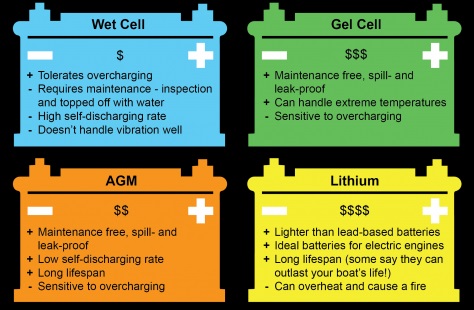
Gel batteries last longer under deep discharge conditions. They handle rough use and vibrations well. AGM batteries have a shorter life if deeply discharged often. Both types are sealed and leak-proof, but Gel is tougher over time.
Credit: www.bravabatteries.com
Maintenance Needs
Understanding the maintenance needs of AGM and Gel batteries helps extend their lifespan. Both types require care but differ in routine tasks and handling. Proper attention keeps these batteries working well and safe.
Routine Care
AGM batteries need occasional checks for dirt and corrosion on terminals. Cleaning terminals with a dry cloth improves connection and performance. Gel batteries require less frequent checks since they are sealed and less prone to leaks. Both batteries benefit from regular charging to prevent deep discharge, which can shorten life.
Handling And Storage
Handle AGM batteries carefully to avoid damage to the plates inside. Store them in a cool, dry place to reduce self-discharge. Gel batteries are more sensitive to high temperatures and must stay in stable, cool environments. Both types should be stored fully charged to maintain capacity and avoid damage.
Application Suitability
Choosing between AGM and Gel batteries depends on where you will use them. Each type suits different needs and environments. Understanding their application helps pick the right battery for your project. Here is a simple guide on their best uses.
Use In Vehicles And Rvs
AGM batteries work well in vehicles and RVs. They handle vibrations and shocks better than Gel batteries. AGM batteries start engines quickly and deliver strong power. Gel batteries are less common here due to slower charging.
Renewable Energy Systems
Gel batteries excel in renewable energy setups. They tolerate deep discharges and long cycles without damage. This makes them ideal for solar and wind power storage. AGM batteries can work but wear out faster in these uses.
Marine And Off-grid Use
Marine and off-grid systems need reliable, spill-proof batteries. Gel batteries resist heat and vibration well. They last longer in harsh conditions at sea or remote locations. AGM batteries are lighter and easier to install but may need more care.
Credit: www.tycorun.com
Cost And Value
Cost and value play a major role in choosing between AGM and Gel batteries. Understanding these aspects helps in making a smart purchase. Both battery types have different price points and benefits that affect overall expenses.
Initial Investment
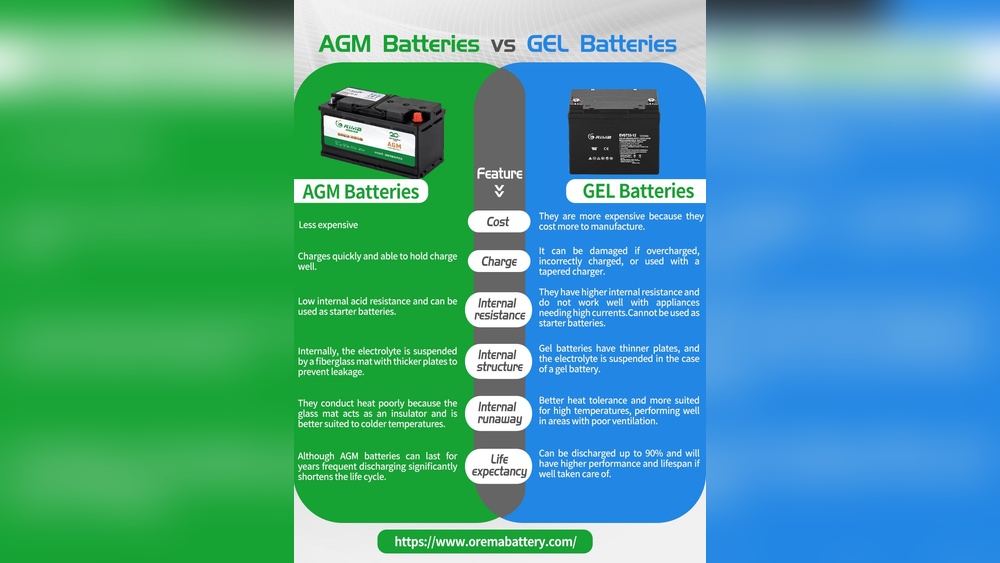
AGM batteries generally cost less upfront than Gel batteries. This lower price can be attractive for tight budgets. Gel batteries have a higher initial price due to their advanced design. They offer better resistance to heat and deep discharges. The upfront cost reflects their durability and technology.
Long-term Cost Efficiency
Gel batteries often last longer than AGM batteries. This longer lifespan means fewer replacements over time. Gel batteries handle deep discharges better, reducing damage risks. AGM batteries may need replacement sooner if deeply discharged often. Maintenance costs are low for both types. Gel batteries’ longer life can lower total ownership costs.
Safety Considerations
Safety matters a lot when choosing between AGM and Gel batteries. Both types have unique features that affect their safe use. Knowing these safety points helps prevent accidents and damage. This section covers key safety aspects of AGM and Gel batteries.
Leak And Spill Risks
AGM batteries use absorbent glass mats to hold acid. This design reduces acid leaks. Still, damage or cracks can cause spills. Gel batteries contain silica gel, making the acid thick and stable. This gel form lowers spill risks even if the battery breaks. Both types are safer than traditional flooded batteries, but Gel batteries offer the best protection against leaks.
Overheating And Ventilation
AGM batteries handle heat well but need good ventilation to avoid pressure build-up. Poor airflow can cause overheating and damage. Gel batteries produce less gas and heat during charging. They require less ventilation but still benefit from cool, airy spaces. Proper installation and avoiding overcharging keep both battery types safe from overheating.
Choosing The Right Battery
Choosing the right battery is important for your device or system. The right choice saves money and improves performance. AGM and Gel batteries serve different needs. Understanding their differences helps you pick the best one.
Matching Battery To Application
Consider where you will use the battery. AGM batteries work well in cars and motorcycles. They handle high power bursts and quick charging. Gel batteries suit deep cycle uses like solar systems. They last longer in slow discharge situations.
Think about the environment. Gel batteries perform better in hot climates. AGM batteries tolerate cold weather better. Match the battery to the device’s power needs and use pattern.
Key Decision Factors
Check battery maintenance needs. AGM batteries need less care than Gel types. Look at price too. AGM batteries usually cost less upfront. Gel batteries offer longer life but cost more.
Weight and size matter in some devices. AGM batteries are lighter and smaller. Gel batteries are heavier but safer from leaks. Decide based on your priority: cost, lifespan, or safety.

Credit: canbat.com
Frequently Asked Questions
What Is The Main Difference Between Agm And Gel Batteries?
AGM batteries use absorbed glass mats to hold electrolyte, while Gel batteries use silica to form a gel. Gel batteries are more resistant to extreme temperatures and deep discharges, making them ideal for harsh environments. AGM batteries offer lower internal resistance and faster charging.
Which Battery Lasts Longer, Agm Or Gel?
Gel batteries generally have a longer lifespan due to better resistance to deep discharges and temperature extremes. AGM batteries have a shorter cycle life but provide high power output and faster recharge. Proper maintenance affects the longevity of both types.
Are Agm Batteries Better For High-drain Applications?
Yes, AGM batteries are better suited for high-drain devices because of their low internal resistance. They deliver higher current bursts and recharge faster, making them ideal for vehicles and power tools requiring quick energy delivery.
Can Gel Batteries Be Used In Cold Climates?
Gel batteries perform well in cold climates due to their stable electrolyte gel that resists freezing. They maintain consistent performance in low temperatures and are less prone to damage compared to AGM batteries in freezing conditions.
Conclusion
AGM and gel batteries both serve specific needs well. AGM batteries handle high power and quick charging better. Gel batteries last longer in deep discharge and hot conditions. Choosing depends on your device and environment. Think about cost, maintenance, and performance.
Both types provide reliable energy storage. The right choice improves your battery life and efficiency. Keep these points in mind to pick wisely. Your device deserves the best power source. Simple and smart decisions lead to better results.