C Vs D Cell Battery: Ultimate Comparison for Power and Longevity
Are you confused about choosing between C and D cell batteries for your devices? You’re not alone.
Both types look similar but serve different purposes. Picking the right one can save you money, boost your device’s performance, and keep things running smoothly. You’ll discover the key differences, which battery suits your needs best, and how to get the most out of your power source.
Keep reading, and you’ll never have to guess again when it comes to C vs D cell batteries.
Size And Dimensions
Size and dimensions play a key role in choosing between C and D cell batteries. These factors affect how the battery fits in devices and how much power it can deliver. Understanding the physical size helps in picking the right battery for your needs.
Physical Differences
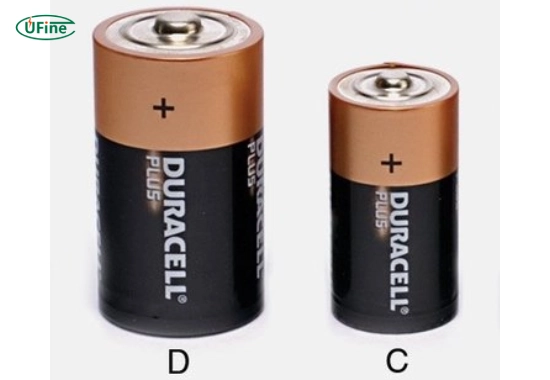
C and D cell batteries differ mainly in their height and diameter. A C cell battery is about 50 mm tall and 26 mm wide. A D cell battery is larger, around 61 mm tall and 34 mm wide. This makes the D cell bulkier and heavier than the C cell. Both are cylindrical, but the D cell’s bigger size allows it to hold more energy.
Impact On Device Compatibility
The size difference affects which devices can use these batteries. Devices needing more power often use D cells due to their larger size. Smaller devices or those with limited space usually require C cells. Using the wrong battery size can cause problems, such as loose connections or damage to the device. Always check the device’s battery compartment to match the correct size.

Credit: www.youtube.com
Power Output
Power output is a key factor when choosing between C and D cell batteries. It determines how well a battery can run a device. Both types offer reliable power, but they differ in important ways. Understanding these differences helps you pick the right battery for your needs.
Power output depends on two main aspects: voltage levels and current capacity. These aspects affect battery life and device performance. Let’s explore each one in detail.
Voltage Levels
C and D cell batteries usually have the same voltage, about 1.5 volts. This voltage level is standard for many single-use alkaline and rechargeable batteries. The voltage remains steady during most of the battery’s life. This makes both batteries suitable for devices needing consistent power.
Despite having the same voltage, the size difference affects how long the battery can maintain this voltage. The voltage alone does not tell the full story of power output.
Current Capacity
Current capacity, measured in milliamp hours (mAh), shows how much energy a battery can store. D cell batteries have a higher capacity than C cells. This means D cells can power devices for longer periods.
Devices that use more power or run longer benefit from D cells. C cells are smaller and fit in compact devices but may need more frequent replacement. Choosing between C and D depends on how much current your device needs.
Battery Life
Battery life is a key factor when choosing between C and D cell batteries. It shows how long the battery can power a device before it needs replacement. Understanding battery life helps you pick the right battery for your needs.
Usage Duration
D cell batteries usually last longer than C cells in most devices. This is because D cells have a bigger size and higher capacity. They can supply power for many hours, especially in high-drain devices.
C cell batteries work well for medium-drain devices. They offer a good balance between size and power. For gadgets that use less energy, C cells can provide enough life without being too large.
Factors Affecting Longevity
Device type affects how long a battery lasts. High-drain devices use more power and shorten battery life. Low-drain devices extend battery life since they use energy slowly.
Battery quality also matters. Premium brands usually last longer than cheaper ones. Storage conditions impact longevity too. Batteries kept in cool, dry places hold charge better.
Usage patterns play a role as well. Continuous use drains batteries faster than occasional use. Turning off devices when not needed saves battery life.
Credit: www.ufinebattery.com
Common Applications
Batteries power many devices in our daily lives. Both C and D cell batteries serve important roles. Each type fits better in certain gadgets. Understanding where to use each battery helps save money and energy.
Common applications vary because of size and power needs. C cells are smaller and lighter. D cells are larger and hold more energy. This difference affects device performance and run time.
Devices Suited For C Cell
C cell batteries work well in medium-drain devices. Flashlights often use C cells for balanced power and size. Toys with moderate energy needs also fit C cells. Portable radios use C cells to stay light and last longer. Some medical devices, like blood pressure monitors, rely on C batteries. These devices need steady power without heavy batteries.
Devices Suited For D Cell
D cell batteries suit high-drain and large devices. Large flashlights and lanterns use D cells for longer light. Portable fans rely on D cells to keep running. Some toys with motors need the extra power from D batteries. Older radios and large audio devices also use D cells. Devices that run for long periods benefit from D cell batteries.
Cost Comparison
Comparing the cost of C and D cell batteries helps you decide which fits your needs. Price and value affect your choice for daily use or special devices.
Both battery types vary in price due to size, capacity, and brand. Understanding these differences can save money and ensure better performance.
Price Differences
C cell batteries usually cost less than D cells. The smaller size means less material and lower production costs.
D cell batteries are bigger and hold more power. This size makes them more expensive to produce and buy.
Prices also change based on battery type, such as alkaline or rechargeable. Alkaline C and D batteries are common and affordable.
Value For Money
D cell batteries last longer due to higher capacity. They offer more power for devices that need it.
C cell batteries work well for medium power devices. They balance cost and performance for everyday use.
Choosing the right battery depends on device needs. Spending a bit more on D cells can be worth it for long use.

Credit: www.youtube.com
Environmental Impact
Batteries power many devices around us. But their impact on the environment matters a lot. Both C and D cell batteries affect nature during use and after disposal. Understanding this impact helps us choose wisely and protect the planet.
Disposal And Recycling
Used batteries can harm soil and water if thrown away carelessly. Both C and D cells contain metals that pollute the ground. Recycling helps recover these metals and reduces waste. Many places offer battery recycling programs. Dropping old batteries in these bins keeps toxins out of landfills.
Recycling also saves energy. It uses less power than making new batteries. This lowers pollution and conserves natural resources. Proper disposal is key to reducing the environmental damage of batteries.
Sustainability Considerations
Battery size affects how long it lasts and how often you replace it. D cells usually last longer than C cells. Fewer replacements mean less waste and fewer resources used. Choosing longer-lasting batteries helps the environment.
Rechargeable options for both sizes reduce waste even more. They can be used many times before recycling. This cuts down the number of batteries thrown away. Sustainable choices in batteries lessen the overall environmental footprint.
Choosing The Right Battery
Choosing the right battery is important for your device’s performance. Different devices need different types of power. Picking the correct battery type helps devices work longer and better. This guide focuses on choosing between C and D cell batteries for your needs.
Matching Battery To Device Needs
Check the device’s battery size and power requirements. Small devices often use C batteries, while larger ones use D batteries. D batteries hold more energy and last longer in big devices. Using the wrong battery size can cause poor performance or damage. Always match the battery size with the device’s instructions.
Tips For Optimal Performance
Store batteries in a cool, dry place to keep them fresh. Avoid mixing old and new batteries in one device. Remove batteries if the device will not be used for a long time. Clean battery contacts regularly to ensure good power flow. Use batteries from trusted brands for consistent quality and safety.
Frequently Asked Questions
What Is The Main Difference Between C And D Cell Batteries?
C cell batteries are smaller in size and have less capacity. D cell batteries are larger and provide longer runtime for devices.
Which Battery Lasts Longer: C Cell Or D Cell?
D cell batteries generally last longer due to their larger size and higher capacity compared to C cells.
Are C And D Cell Batteries Interchangeable In Devices?
C and D cells are not interchangeable because of size differences. Devices require the correct battery type to fit properly.
What Devices Typically Use C Cell Batteries?
C cell batteries are used in medium-drain devices like toys, flashlights, and musical instruments.
Conclusion
Choosing between C and D cell batteries depends on your device’s needs. D cells last longer and suit high-power gadgets. C cells fit smaller devices and offer decent energy. Both types have similar voltage but differ in size and capacity.
Think about how long you want your device to run. Also, consider the space available for the battery. Understanding these points helps you pick the right battery easily. Your device will work better with the correct choice. Simple and clear—battery decisions made easy.