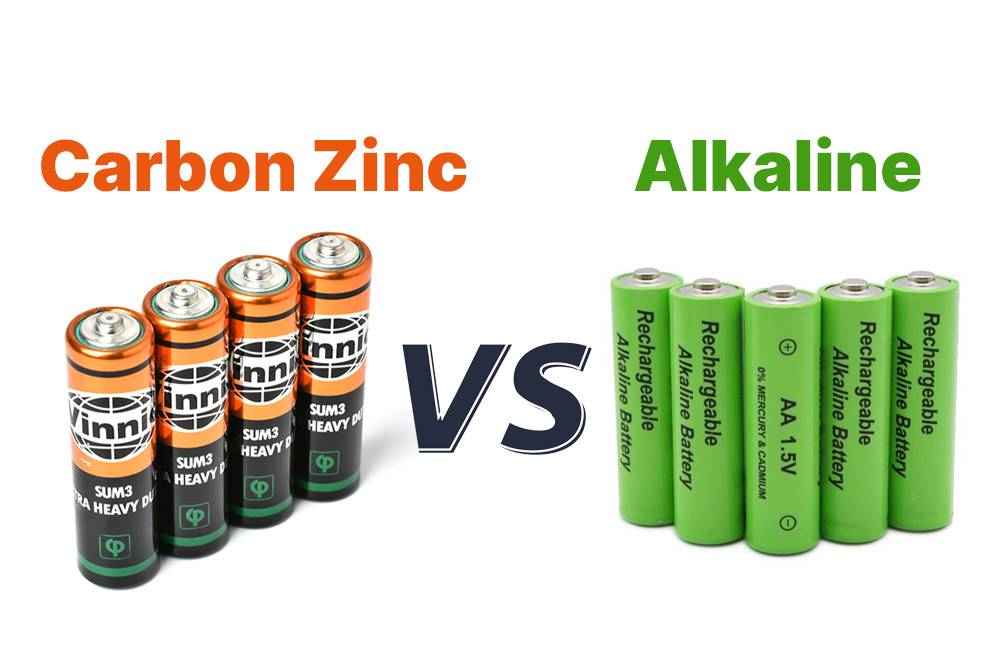
Carbon Zinc Vs Alkaline Battery: Which One Lasts Longer?
When you pick up a remote or a flashlight, do you ever stop to wonder which battery inside is better for your device? Choosing between carbon zinc and alkaline batteries can be confusing, especially when both look similar.
But your choice matters—it affects how long your gadgets run and how much you spend in the long run. You’ll discover the key differences between carbon zinc and alkaline batteries. By the end, you’ll know exactly which one suits your needs and how to get the most power from your devices.
Keep reading to make smarter, more cost-effective battery choices every time.
Credit: www.icdrex.com
Battery Basics
Batteries power many devices in daily life. They store energy and release it as electricity. Two common types are carbon zinc and alkaline batteries. Both work differently and suit various uses. Understanding how they work helps choose the right one.
Each battery type has unique features. These features affect how long the battery lasts and what devices it works best for. The next sections explain how carbon zinc and alkaline batteries work.
How Carbon Zinc Batteries Work
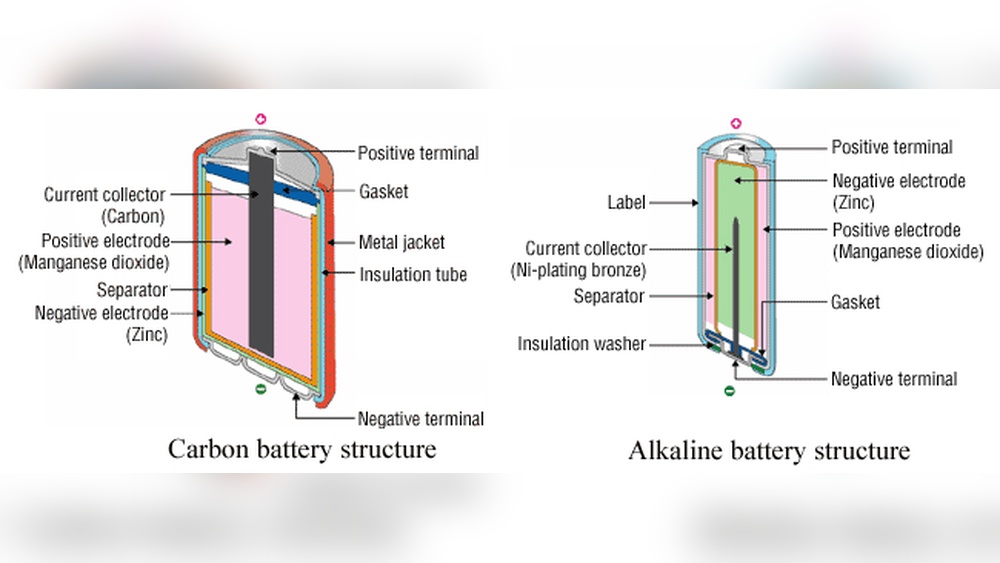
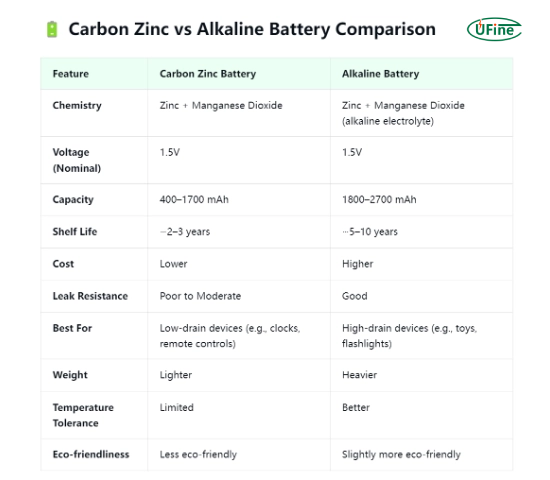
Carbon zinc batteries use zinc and manganese dioxide. Zinc acts as the negative part, called the anode. Manganese dioxide works as the positive part, called the cathode.
Inside the battery, a paste of chemicals helps carry electric charge. When the battery is in use, zinc reacts with the chemicals. This reaction creates electrons that flow out as electricity.
Carbon zinc batteries work well for low-power devices. They are cheaper but have shorter life than alkaline batteries.
How Alkaline Batteries Work
Alkaline batteries also use zinc and manganese dioxide. Their difference lies in the chemical paste, which is alkaline instead of acidic. This change improves performance.
The alkaline paste allows a stronger and longer-lasting chemical reaction. It produces more electrons, giving more power to devices.
Alkaline batteries last longer and work better in high-drain devices like cameras and toys.
Credit: www.ufinebattery.com
Performance Comparison
Comparing the performance of carbon zinc and alkaline batteries helps choose the right power source. Both types serve well but differ in key areas. Understanding these differences assists in picking the best battery for your devices.
Lifespan In Everyday Devices
Alkaline batteries last longer in devices like remotes and clocks. Carbon zinc batteries drain faster and need frequent replacement. For low-drain gadgets, carbon zinc may be enough. Alkaline is better for items used often or for long periods.
Power Output And Stability
Alkaline batteries provide higher and more stable voltage. Carbon zinc batteries have lower voltage and can drop quickly. Stable power means devices run smoother and more reliably. Alkaline is preferred for electronics needing steady energy.
Behavior Under Heavy Use
Heavy use drains carbon zinc batteries quickly. Alkaline batteries handle high drain without losing power fast. Devices like cameras or toys benefit from alkaline batteries. Carbon zinc may fail or cause poor performance in such cases.
Cost And Availability
Cost and availability are key factors when choosing between carbon zinc and alkaline batteries. Both types have distinct price points and market presence. Understanding these differences helps in making the right choice for your needs.
Price Differences
Carbon zinc batteries usually cost less than alkaline ones. They are budget-friendly and suitable for low-drain devices. Alkaline batteries have a higher price but last longer. This makes them more cost-effective for devices that use a lot of power. Buying alkaline batteries can save money over time despite the initial higher price.
Market Availability
Alkaline batteries are widely available in most stores. They come in many sizes and brands. Carbon zinc batteries are less common but still easy to find. They are often sold in packs for basic household use. Both types are stocked in supermarkets, convenience stores, and online shops.
Environmental Impact
The environmental impact of batteries is an important factor to consider. Batteries end up as waste and affect the planet in different ways. Carbon zinc and alkaline batteries have different effects on the environment. Understanding these effects helps us choose better options.
Disposal And Recycling
Carbon zinc batteries are easier to recycle but are less common now. Many places do not accept them for recycling. Alkaline batteries are more widely recycled today. Special facilities handle alkaline battery recycling to reduce waste. Throwing batteries in trash can pollute soil and water. Proper disposal helps protect nature and human health.
Toxicity Levels
Carbon zinc batteries contain fewer harmful chemicals. They have less mercury but still contain zinc and manganese. Alkaline batteries have lower toxicity overall. They use safer chemicals and less heavy metals. Both battery types can harm the environment if broken or burned. Keeping batteries intact and recycling reduces toxic leaks.
Best Use Cases
Choosing the right battery depends on the device and how often you use it. Carbon zinc and alkaline batteries serve different needs. Understanding their best use cases helps you save money and get better performance. Each type works better in certain devices.
Ideal Devices For Carbon Zinc
Carbon zinc batteries fit well in low-drain devices. Remote controls and wall clocks often use these batteries. They also work in flashlights with low power needs. Toys that do not require a lot of energy run fine on carbon zinc. These batteries are good for devices used only sometimes. They provide enough power without costing too much.
Ideal Devices For Alkaline
Alkaline batteries suit high-drain devices. Digital cameras and handheld games need strong power. Wireless mice and keyboards also work better with alkaline. Devices used for a long time benefit from these batteries. They last longer and provide steady energy. Alkaline batteries are best for gadgets that run often.
Credit: www.tycorun.com
Frequently Asked Questions
What Are The Main Differences Between Carbon Zinc And Alkaline Batteries?
Carbon zinc batteries have lower capacity and shorter life than alkaline batteries. Alkaline batteries provide longer-lasting power and better performance for high-drain devices.
Which Battery Type Is Better For Everyday Household Use?
Alkaline batteries are better for most household devices due to their longer life and higher energy output compared to carbon zinc batteries.
Are Carbon Zinc Batteries More Environmentally Friendly?
Carbon zinc batteries contain fewer harmful chemicals but have lower efficiency. Alkaline batteries last longer, reducing waste overall despite containing more metals.
Can Alkaline Batteries Replace Carbon Zinc In All Devices?
Yes, alkaline batteries can replace carbon zinc batteries in most devices and provide improved performance and longer run times.
Conclusion
Choosing between carbon zinc and alkaline batteries depends on your needs. Carbon zinc batteries cost less and work well in low-drain devices. Alkaline batteries last longer and perform better in high-drain gadgets. Think about how often you use the device and the power it requires.
Saving money or getting longer use? That’s the key question. Both types have their place. Now, you can pick the right battery with confidence. Simple, clear, and practical.