Deep Cycle Vs Regular Battery: Ultimate Guide to Choosing Right
When it comes to choosing the right battery for your needs, the options can be confusing. You might wonder: Should you go for a deep cycle battery or stick with a regular one?
The answer matters because the battery you pick affects how well your device runs and how long it lasts. You’ll discover the key differences between deep cycle and regular batteries. By the end, you’ll know exactly which type suits your lifestyle and power needs.
Keep reading—making the right choice could save you time, money, and frustration.
Credit: sunonbattery.com
Battery Basics
Batteries power many devices in our daily life. Choosing the right battery matters. Two common types are deep cycle and regular batteries. Understanding their basics helps you pick the best one for your needs.
Both types store energy but serve different purposes. Knowing how they work can save money and improve performance.
What Is A Deep Cycle Battery
A deep cycle battery provides a steady amount of power over a long time. It can be discharged deeply without damage. These batteries recharge slowly and last through many cycles. They are popular in boats, solar systems, and electric vehicles.
What Is A Regular Battery
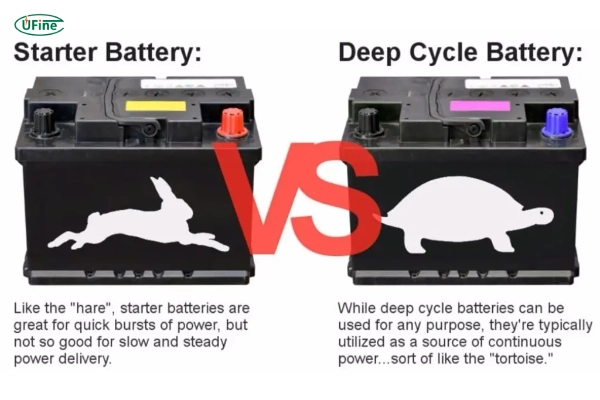
A regular battery, also called a starter battery, gives a quick burst of energy. It helps start engines in cars and trucks. This battery cannot be deeply discharged. It recharges quickly but has fewer recharge cycles than deep cycle batteries.
Key Differences
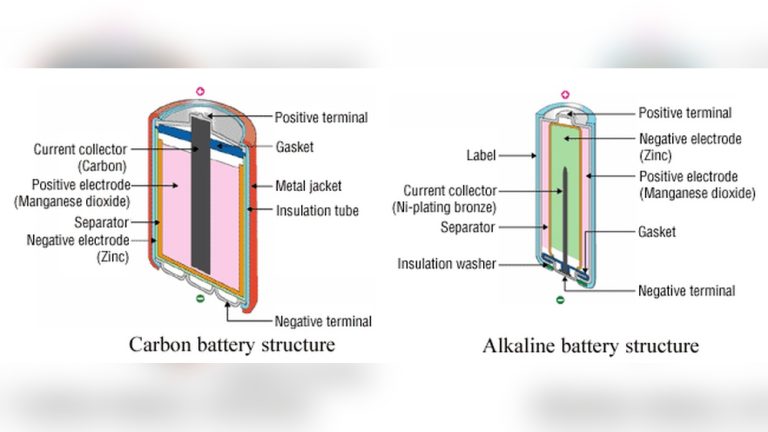
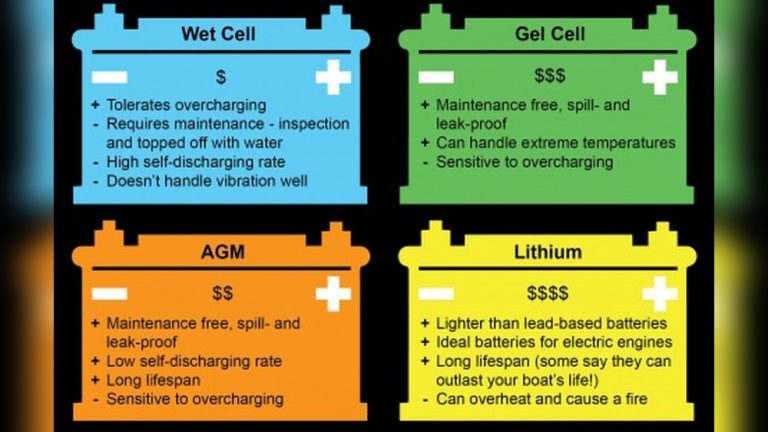
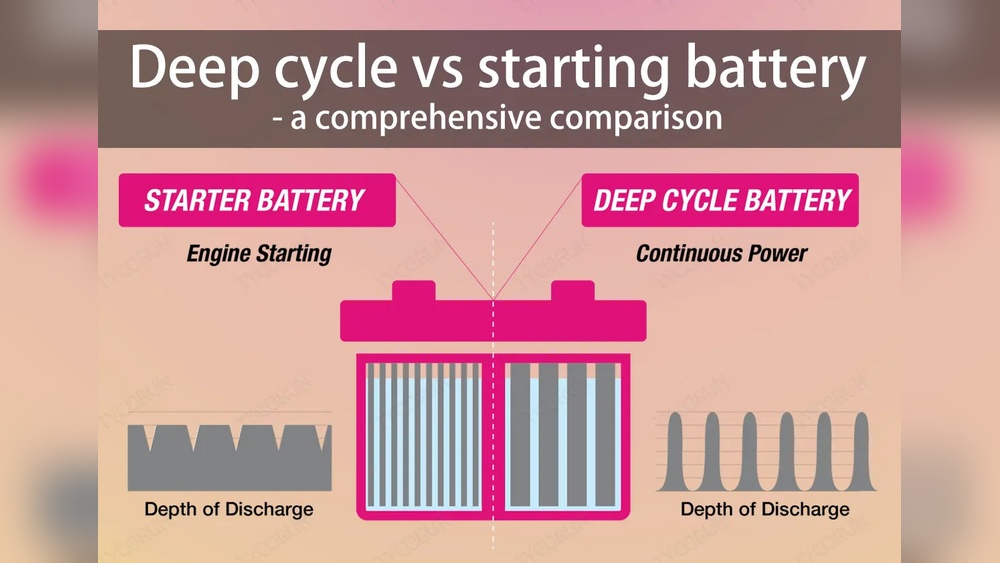
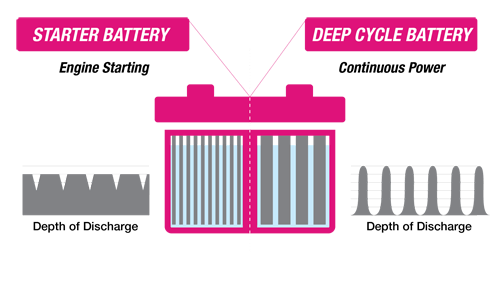
Deep cycle batteries deliver power steadily for a long time. Regular batteries give short, high bursts of power. Deep cycle batteries handle deep discharges without damage. Regular batteries are not made for deep discharges. Deep cycle types last longer under heavy use. Regular batteries are lighter and cheaper but less durable. Each battery suits different needs and tasks.
Credit: www.ufinebattery.com
Performance Comparison
Understanding the performance differences between deep cycle and regular batteries helps in choosing the right one. Each type serves a specific purpose and performs differently under various conditions. This section compares their discharge rates, recharge cycles, and capacity to highlight these differences.
Discharge Rates
Deep cycle batteries deliver a steady amount of power over a long time. They are designed to discharge slowly and deeply without damage. Regular batteries provide short bursts of high power. They cannot handle deep discharges well and may suffer damage if drained too much.
Recharge Cycles
Deep cycle batteries can be recharged hundreds to thousands of times. Their design supports repeated deep discharges and recharges. Regular batteries have fewer recharge cycles. Their performance drops quickly if they are often deeply discharged.
Capacity And Efficiency
Deep cycle batteries hold more usable energy for longer periods. They maintain efficiency even after many recharge cycles. Regular batteries have less capacity for sustained use. Their efficiency decreases faster with frequent use.
Applications And Uses
Batteries power many devices and machines. Choosing the right battery depends on how you use it. Deep cycle and regular batteries serve different purposes. Knowing their best uses helps pick the right one for your needs.
Each battery type works better in certain situations. Deep cycle batteries deliver steady power over a long time. Regular batteries provide quick bursts of energy for starting engines.
Best Uses For Deep Cycle Batteries
Deep cycle batteries suit devices needing long, steady power. They work well in boats, RVs, and solar energy systems. These batteries power electric wheelchairs and golf carts too. Their design lets them discharge deeply without damage. This makes them great for devices that run for hours. They recharge slowly but hold energy longer. Deep cycle batteries handle frequent charging and discharging cycles.
Best Uses For Regular Batteries
Regular batteries fit starting engines in cars and motorcycles. They deliver a strong burst of power to start motors. These batteries recharge quickly after starting the engine. They are not made for deep discharge. Using them for long power supply can shorten their life. Regular batteries also power small devices needing quick energy. They work well in flashlights and remote controls. Their main job is to start engines, not run devices for long.
Cost And Maintenance
Cost and maintenance are key factors when choosing between deep cycle and regular batteries. They affect your budget and how much care the battery needs. Understanding these differences helps you pick the right battery for your needs.
Initial Investment
Deep cycle batteries usually cost more upfront. They are built to handle long, steady power drains. Regular batteries are cheaper but designed for short bursts of energy. If you need a battery for frequent use, deep cycle is worth the higher price.
Lifespan And Durability
Deep cycle batteries last longer than regular ones. They can handle many charge and discharge cycles. Regular batteries wear out faster under deep discharge. Deep cycle batteries resist damage from frequent use. This makes them more durable for heavy-duty tasks.
Maintenance Tips
Check battery water levels often for deep cycle types. Keep terminals clean to avoid corrosion. Store batteries in a cool, dry place. Avoid letting batteries fully drain. Regular charging extends battery life. Simple care saves money and keeps batteries working well.
Choosing The Right Battery
Choosing the right battery is key for your device’s performance. Picking the correct type saves money and time. It also ensures your equipment runs smoothly and lasts longer.
Understanding the differences between deep cycle and regular batteries helps you decide. Each battery suits different needs and uses. Knowing your power needs guides you to the best choice.
Assessing Your Power Needs
First, find out how much power you need. Think about how long you want the battery to last on one charge. Deep cycle batteries store and release power slowly over time. Regular batteries deliver quick bursts of power. Match the battery to your device’s power use.
Matching Battery To Application
Deep cycle batteries work well for boats, RVs, and solar systems. They handle long, steady discharges. Regular batteries fit cars and motorcycles. They provide high power for short periods. Choose the battery designed for your device’s job.
Common Mistakes To Avoid
Do not use a regular battery for deep cycle needs. This can shorten battery life or cause failure. Avoid buying a battery with too little or too much power. Overloading or underusing a battery harms it. Check battery specs carefully before buying.
Future Trends In Battery Technology
Battery technology is evolving fast. New designs and materials aim to improve power storage and lifespan. These changes affect both deep cycle and regular batteries. Understanding future trends helps choose the right battery for different needs.
Advancements In Deep Cycle Batteries
Deep cycle batteries are getting better at holding charge longer. New materials reduce battery weight. They also increase charging speed. Some batteries now handle more charge cycles without losing power. These improvements make deep cycle batteries reliable for solar and electric vehicles.
Researchers focus on safer chemicals. This reduces risks of leaks and fires. Smart batteries with built-in sensors help monitor health and performance. This technology helps users know when to recharge or replace batteries.
Innovations In Regular Batteries
Regular batteries are improving in energy density. They store more power in smaller sizes. This helps portable devices last longer. New designs aim to reduce environmental impact. Recyclable and eco-friendly materials are becoming common.
Fast-charging technology is a key focus. Batteries can reach full charge in minutes. This suits modern gadgets and tools. Manufacturers also improve battery life cycles. Regular batteries now last longer before needing replacement.

Credit: www.litime.com
Frequently Asked Questions
What Is The Main Difference Between Deep Cycle And Regular Batteries?
Deep cycle batteries provide steady power over a long period. Regular batteries deliver quick bursts of energy for starting engines. Deep cycle batteries are ideal for continuous use, while regular batteries suit short, high-power demands.
Can Deep Cycle Batteries Replace Regular Car Batteries?
Deep cycle batteries can power vehicles but are not ideal for starting engines. Regular car batteries provide high current needed for ignition. Using a deep cycle battery in a car may reduce starting performance and battery life.
How Long Do Deep Cycle Batteries Last Compared To Regular Ones?
Deep cycle batteries generally last longer in repeated discharge cycles. Regular batteries have shorter life spans under deep discharge conditions. Deep cycle batteries are designed for longevity in continuous use scenarios.
Are Deep Cycle Batteries Better For Solar Energy Storage?
Yes, deep cycle batteries are well-suited for solar energy storage. They handle frequent charging and discharging effectively. Regular batteries are not designed for such repeated deep cycles and may fail quickly.
Conclusion
Choosing between deep cycle and regular batteries depends on your needs. Deep cycle batteries handle long, steady power use well. Regular batteries work best for quick bursts of energy. Each has strengths that fit different tasks. Knowing these can help you pick the right battery.
This choice saves money and improves performance. Think about how you will use the battery. Match the battery type to your device’s demands. This way, you get the best results every time.