Deep Cycle Vs Starting Battery: Ultimate Guide for Best Choice
Choosing the right battery can make a huge difference for your vehicle or boat. You might have heard about deep cycle and starting batteries but aren’t sure which one fits your needs best.
Understanding how these two types work will save you time, money, and frustration. You’ll discover the key differences between deep cycle and starting batteries, so you can pick the perfect power source for your setup. Keep reading to learn which battery will keep you powered up and running smoothly.
Credit: www.ufinebattery.com
Battery Basics
Batteries power many devices and vehicles. Choosing the right type is important. Two common types are deep cycle and starting batteries. Both serve different purposes. Understanding their basics helps make the best choice.
Each battery type works in a unique way. Knowing their roles can save money and improve performance. This section explains the main features of deep cycle and starting batteries. It also highlights key differences between them.
What Is A Deep Cycle Battery
A deep cycle battery supplies steady power over a long time. It is designed to be deeply discharged and recharged many times. These batteries are common in solar power systems, boats, and electric vehicles.
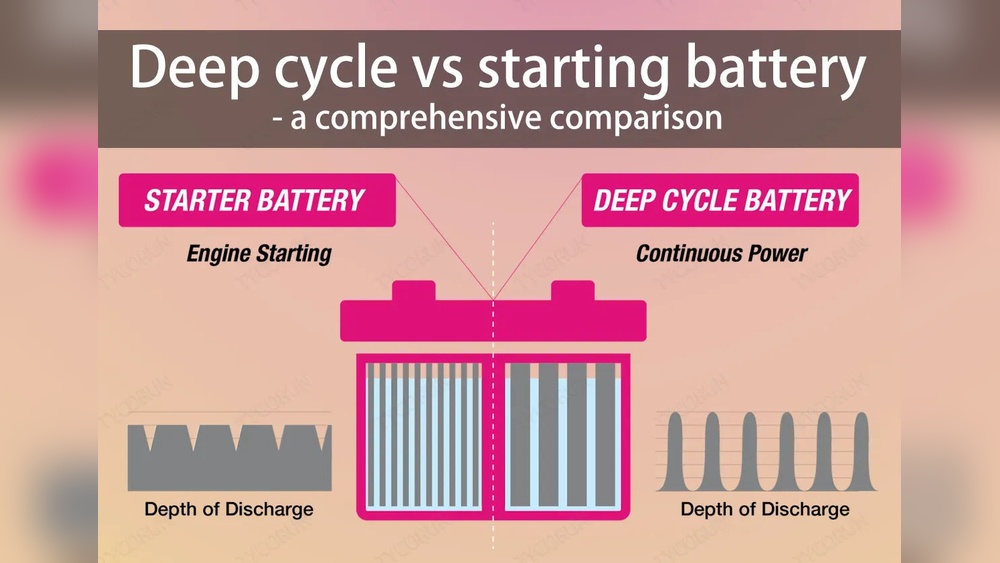
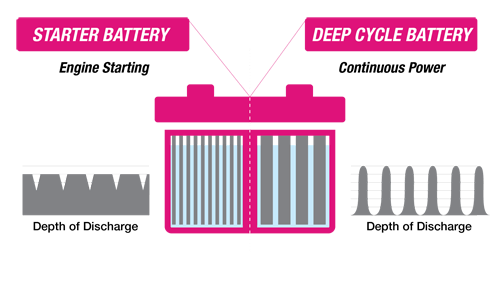
They have thicker plates inside. This helps them last longer during repeated discharges. Deep cycle batteries provide reliable energy for devices that need power all day.
What Is A Starting Battery
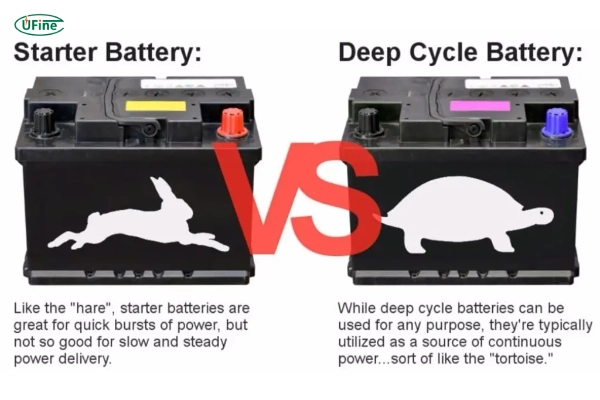
A starting battery delivers a quick burst of energy. This power starts engines in cars, trucks, and motorcycles. It provides a high current for a short time.
Starting batteries have thin plates to produce strong bursts of power. They are not made to run devices for long periods. Their main job is to start engines quickly and efficiently.
Key Differences
Deep cycle batteries release power slowly and last longer with repeated use. Starting batteries give a short, strong burst of power to start engines. Deep cycle batteries have thicker plates; starting batteries have thinner plates.
Using a starting battery for deep cycling can damage it quickly. Using a deep cycle battery to start an engine may not provide enough power. Each battery suits specific needs based on how power is used.
Performance Factors
Performance matters a lot when choosing between deep cycle and starting batteries. Each type works best under different conditions. Understanding their performance can help pick the right battery for your needs. Below are key factors that affect how these batteries perform.
Discharge And Recharge Cycles
Deep cycle batteries handle many discharge and recharge cycles. They provide steady power over long periods. Starting batteries deliver a strong burst of power but handle fewer cycles. Deep cycle batteries last longer if you use them often. Starting batteries wear out faster if deeply discharged.
Power Delivery
Starting batteries give a quick, high burst of power. This helps start engines or machines fast. Deep cycle batteries release power slowly and steadily. They work well for devices needing constant energy. The power delivery depends on what the battery is made for.
Capacity And Longevity
Deep cycle batteries have higher capacity to store energy. They are built to last many charges. Starting batteries have less capacity but peak power is higher. Deep cycle batteries usually last longer under regular use. Choosing the right battery ensures better performance and life span.
Common Applications
Batteries power many devices and machines every day. Choosing the right battery depends on what you need it for. Deep cycle and starting batteries serve different roles. Understanding their common applications helps pick the best option.
Uses For Deep Cycle Batteries
Deep cycle batteries deliver steady power over a long time. They are ideal for devices that run continuously. Many boats rely on deep cycle batteries for navigation and lights. Solar energy systems use them to store power for night use. RVs and campers use these batteries for appliances and lighting. Electric wheelchairs and golf carts also benefit from deep cycle batteries. These batteries handle many charge and discharge cycles without damage.
Uses For Starting Batteries
Starting batteries provide a quick burst of power to start engines. Cars and motorcycles depend on starting batteries to ignite the engine. Trucks and buses use them for the same reason. Lawn mowers and boats often have starting batteries. They deliver high current for a short period. These batteries are not designed for deep discharge. Their main role is to start engines, then recharge quickly.
Choosing The Right Battery
Choosing the right battery is important for your device’s performance and lifespan. Batteries store and deliver power differently. Picking the best type depends on what you need. Knowing the differences helps you avoid problems and saves money.
Assessing Your Power Needs
Think about how much power you use daily. Starting batteries give quick bursts of energy. They start engines and machines fast. Deep cycle batteries provide steady power over a long time. They work well for devices that run continuously. Match your battery to how you use your device. This choice keeps your system running smoothly.
Environmental Considerations
Consider where you will use the battery. Extreme heat or cold affects battery life. Deep cycle batteries tolerate harsh conditions better. Starting batteries can lose power quickly in tough weather. Also, think about space and weight limits. Some batteries are heavy and large. Choose a battery that fits your environment well.
Budget And Maintenance
Set a clear budget before buying. Starting batteries are usually cheaper upfront. Deep cycle batteries cost more but last longer. Maintenance needs differ between types. Deep cycle batteries require regular care to stay healthy. Starting batteries need less maintenance but may need replacing sooner. Choose a battery that fits your budget and time for care.
Battery Maintenance Tips
Proper battery maintenance extends the life of both deep cycle and starting batteries. Knowing how to care for them keeps performance steady. Simple habits help avoid damage and costly replacements. This section covers key tips for charging, storing, and fixing common problems.
Charging Best Practices
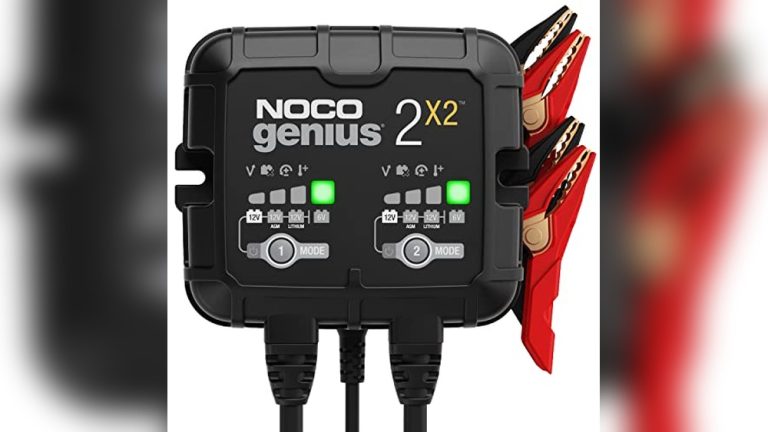
Use the right charger for your battery type. Deep cycle batteries need slower, steady charging. Starting batteries charge faster but avoid overcharging. Always charge in a well-ventilated area. Check the battery voltage regularly. Stop charging once the battery is full. Overcharging causes heat and shortens battery life.
Storage Guidelines
Store batteries in a cool, dry place. Avoid freezing temperatures and direct sunlight. Keep batteries clean and dry before storage. Disconnect batteries from devices. Charge batteries to about 50% before storing. Check and recharge every few months. Proper storage prevents corrosion and capacity loss.
Troubleshooting Common Issues
Check for loose or corroded terminals first. Clean terminals with a baking soda solution if needed. If the battery won’t hold charge, test its voltage. Swollen battery cases indicate damage; replace immediately. Slow charging often means a faulty charger or battery. Monitor for unusual smells or leaks and act fast.

Credit: www.litime.com
Advanced Battery Technologies
Batteries have changed a lot over the years. New types now offer better power and longer life.
These advances affect both deep cycle and starting batteries. They help users choose the right battery for their needs.
Lithium Vs Lead Acid
Lithium batteries weigh less and last longer than lead acid types. They charge faster and handle more cycles.
Lead acid batteries cost less and are easy to recycle. They work well for short bursts of power.
Lithium suits deep cycle uses like solar systems or electric vehicles. Lead acid often fits starting batteries in cars.
Hybrid Battery Options
Hybrid batteries combine features of lithium and lead acid types. They balance cost, weight, and performance.
These options offer decent cycle life and good power output. They suit users who want middle-ground solutions.
Hybrids work well for applications needing both deep cycle and starting power. They bring flexibility in one pack.
Credit: sunonbattery.com
Frequently Asked Questions
What Is The Main Difference Between Deep Cycle And Starting Batteries?
Deep cycle batteries provide steady power over a long time. Starting batteries deliver quick bursts of energy to start engines. They serve different purposes in vehicles and equipment.
Can A Deep Cycle Battery Replace A Starting Battery?
No, deep cycle batteries are not ideal for starting engines. They are designed for slow, consistent power output, not quick starts. Using them as starters can damage the battery and reduce performance.
How Long Do Deep Cycle Batteries Typically Last?
Deep cycle batteries usually last 4 to 6 years with proper care. Their lifespan depends on usage, charging habits, and maintenance. Regular charging and avoiding deep discharges extend battery life.
Which Battery Is Best For Rvs And Solar Systems?
Deep cycle batteries are best for RVs and solar setups. They provide continuous power for appliances and devices. Starting batteries cannot handle the repeated deep discharges required in these systems.
Conclusion
Choosing between a deep cycle and a starting battery depends on your needs. Deep cycle batteries work well for long, steady power use. Starting batteries deliver a quick burst of energy to start engines. Using the right battery helps your device or vehicle work better and last longer.
Think about how you use your battery every day. This will help you pick the best one. Remember, both types have their own strengths and uses. Make your choice simple and clear for the best results.