How to Test Generac Generator: Step-by-Step Guide
Testing a Generac generator ensures it works during power outages. It’s crucial for safety and reliability.
Generators are vital for backup power in homes and businesses. Regular testing ensures your Generac generator is ready when needed. This guide will help you understand the steps to test your generator properly. Whether you’re a new owner or experienced user, knowing how to test your generator can save you from unexpected power failures.
Let’s dive into the essentials of testing a Generac generator, ensuring it’s in top condition and ready to perform when you need it the most.
Introduction To Generac Generators
Generac generators are known for their reliability and efficiency. They provide backup power during outages and keep essential systems running. In this section, we will explore the importance of regular testing and common issues you might face.
Importance Of Regular Testing
Regular testing ensures your Generac generator works when needed. It helps detect issues early and prevents unexpected failures. Here are some key reasons to test your generator regularly:
- Reliability: Regular tests confirm your generator is ready for use.
- Safety: Testing helps identify potential hazards.
- Maintenance: Regular checks keep your generator in good condition.
Common Issues And Solutions
Even the best generators can face problems. Here are some common issues and their solutions:
| Issue | Solution |
|---|---|
| Generator won’t start | Check the fuel level and battery. Replace if needed. |
| Low power output | Inspect the air filter and spark plug. Clean or replace them. |
| Strange noises | Check for loose parts. Tighten or replace as necessary. |
Regular maintenance and testing help avoid these issues and ensure your generator runs smoothly.
Credit: support.generac.com
Safety Precautions
Testing your Generac generator is essential to ensure its proper operation. Before starting, take necessary safety precautions to avoid accidents. Safety should always be the top priority. This section will cover the protective gear and work area preparation needed for testing your generator safely.
Protective Gear
Wear appropriate protective gear to safeguard yourself. Safety goggles protect your eyes from debris. Use gloves to protect your hands from electrical hazards and sharp edges. Wear ear protection to shield your ears from loud noises. Additionally, wear sturdy shoes to protect your feet.
Work Area Preparation
Prepare your work area to ensure a safe environment. Clear any clutter to avoid tripping hazards. Ensure the generator is on a flat, stable surface to prevent tipping. Keep the area well-ventilated to avoid inhaling harmful fumes. Make sure all tools and equipment are within reach. Finally, keep a fire extinguisher nearby in case of emergencies.
Gathering Necessary Tools
Testing your Generac generator is an essential task. Proper tools make the process efficient and safe. Let’s explore the tools you need and where to find them.
Tool Checklist
Ensure you have all necessary tools before starting. Here’s a checklist to help you gather everything:
- Multimeter: For checking voltage and continuity.
- Oil and Fuel: Ensure the generator has enough oil and fuel.
- Wrench Set: Various sizes for different bolts and screws.
- Screwdrivers: Both Phillips and flathead for different screws.
- Flashlight: To see in dark or hidden areas.
- Safety Gear: Gloves and goggles for protection.
Where To Find Tools
You can find these tools at many local and online stores. Here are a few options:
- Hardware Stores: Stores like Home Depot or Lowe’s have a wide variety.
- Online Retailers: Websites like Amazon offer a vast selection with reviews.
- Specialty Stores: Stores focusing on electrical or mechanical tools.
- Local Markets: Smaller shops may offer specific tools at lower prices.
Having the right tools ensures your Generac generator runs smoothly. Gather them first to make the testing process easy and safe.

Credit: www.youtube.com
Initial Inspection
Conducting an initial inspection is a crucial first step in testing your Generac generator. This process ensures that the unit is in good condition and ready for operation. Below are the steps you need to follow for a comprehensive initial inspection.
Visual Inspection
Start with a thorough visual inspection. Look for any visible signs of damage or wear. Check the exterior for cracks, dents, or rust. Examine the exhaust system to ensure it is clear of obstructions. Inspect the electrical connections to confirm they are secure and free from corrosion.
Make sure the air filter is clean and in good condition. A dirty air filter can affect the generator’s performance. Inspect the fuel system for any leaks or loose connections. Check the oil level and look for any signs of leakage around the engine.
Checking Fluid Levels
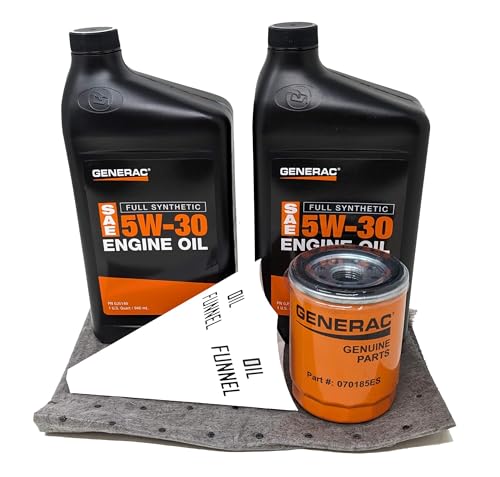
Next, focus on checking fluid levels. Start with the oil level. Use the dipstick to check the oil level and top up if necessary. Refer to the manufacturer’s guidelines for the correct oil type and level.
Check the coolant level in the radiator. Ensure it is at the recommended level. Inspect the fuel level in the tank. The generator needs enough fuel to run a complete test. Lastly, check the battery fluid level. Make sure the battery terminals are clean and corrosion-free.
Here’s a quick checklist for the fluid levels:
- Oil level
- Coolant level
- Fuel level
- Battery fluid level
Ensuring the fluid levels are correct will help maintain the generator’s performance and longevity.
Battery Check
Ensuring your Generac generator’s battery is in good shape is crucial for reliable operation. A weak or faulty battery can prevent your generator from starting when needed. Regularly testing and maintaining the battery can save you from unexpected power outages. This section will guide you through the steps of checking your generator’s battery.
Testing Battery Voltage
To test the battery voltage, you will need a multimeter. Follow these steps:
- Turn off the generator and ensure it is in a safe, stable position.
- Set your multimeter to the DC voltage setting.
- Connect the red probe to the positive terminal and the black probe to the negative terminal.
- Read the voltage displayed on the multimeter. A fully charged battery should read around 12.6 volts or higher.
If the reading is below 12.4 volts, the battery may need charging or replacement. Always consult your generator’s manual for specific voltage requirements.
Cleaning Battery Terminals
Dirty or corroded battery terminals can cause poor connections and reduce battery performance. Cleaning them regularly ensures a good electrical connection. Here’s how:
- Disconnect the battery terminals, starting with the negative terminal.
- Inspect the terminals for any corrosion or dirt buildup.
- Use a mixture of baking soda and water to clean the terminals. Apply the mixture with a brush and scrub gently.
- Rinse with clean water and dry with a cloth.
- Reconnect the terminals, starting with the positive terminal.
Apply a thin layer of petroleum jelly on the terminals to prevent future corrosion.
Testing The Generator
Testing your Generac generator ensures it works correctly when needed. Start by checking its basic functions. Then, perform a load test to verify its performance under pressure.
Starting The Generator
First, ensure the generator has enough fuel and oil. Turn the fuel valve to the “On” position. Set the choke lever to the “Choke” position if the engine is cold. Flip the engine switch to the “On” position. Pull the starter cord or press the start button. Allow the engine to run for a few minutes. This warms up the generator before the load test.
Running Load Test
Connect a few small appliances to the generator. This simulates real use. Gradually add more appliances to increase the load. Monitor the generator’s performance. Listen for any unusual sounds. Check for steady power supply to the appliances. After testing, reduce the load slowly. Turn off and unplug the appliances. Finally, turn off the generator and let it cool down.
Interpreting Test Results
Testing a Generac generator ensures it works during power outages. Check fuel levels, oil, and battery connections. Run the generator to confirm it powers your home effectively.
Testing your Generac generator is crucial. It ensures your generator works well during power outages. Once you’ve run a test, it’s time to interpret the results. Understanding test results helps you know if your generator is in good shape or needs attention.Normal Vs. Abnormal Results
Normal results mean your generator runs smoothly. It starts without delay and provides steady power. The voltage and frequency levels stay within the recommended range. There are no strange noises or smells. Abnormal results indicate issues. The generator may fail to start or run erratically. Voltage and frequency might fluctuate. You might hear unusual sounds or smell something odd. These signs need further inspection.Troubleshooting Tips
If you notice abnormal results, follow these tips. First, check the fuel level. Low fuel can cause problems. Next, inspect the oil level. Low oil can harm the engine. Look at the air filter. A dirty filter restricts airflow. Check the spark plug. A worn-out spark plug affects performance. Examine the battery. A weak battery can prevent the generator from starting. Verify all connections. Loose wires can cause malfunctions. If problems persist, consult a professional. They have the tools and knowledge to fix complex issues. Regular maintenance keeps your Generac generator in top shape. “`Maintenance Tips
Maintaining your Generac generator is essential for its longevity and performance. Regular upkeep ensures it functions well during power outages. Follow these maintenance tips to keep your generator in top shape.
Regular Service Schedule
Set a routine for servicing your Generac generator. Regular checks prevent unexpected failures. Here is a suggested service schedule:
| Task | Frequency |
|---|---|
| Oil Change | Every 100 hours |
| Air Filter Replacement | Every 200 hours |
| Spark Plug Inspection | Every 100 hours |
| Battery Check | Every month |
Replacing Worn Parts
Over time, parts of your generator will wear out. Replacing them is crucial. Here’s a list of common parts that need replacing:
- Air Filter: Replace if dirty or every 200 hours.
- Spark Plugs: Inspect every 100 hours. Replace if worn.
- Oil Filter: Replace with every oil change.
- Battery: Check monthly and replace every 2-3 years.
Keep spare parts on hand for quick replacements. Check your manual for specific part numbers.
Credit: support.generac.com
Frequently Asked Questions
How Do I Start My Generac Generator?
To start your Generac generator, ensure the fuel valve is open. Then, switch the generator to the ‘On’ position. Press the start button until the generator starts running smoothly.
How Often Should I Test My Generac Generator?
Test your Generac generator once a month. Regular testing ensures it operates correctly when needed. This helps identify any potential issues early.
What Is The Best Way To Load Test A Generac Generator?
To load test, connect the generator to a load bank. Run it at full capacity for about an hour. This verifies its performance under real-world conditions.
How Can I Check The Oil Level In My Generac Generator?
To check the oil level, locate the dipstick on the engine. Remove it, wipe it clean, reinsert it, and then check the level. Ensure it’s between the ‘Full’ and ‘Add’ marks.
Conclusion
Testing your Generac generator ensures it runs smoothly during power outages. Follow the steps regularly to maintain its performance. This practice helps in identifying issues early. Keep your generator ready and reliable. Proper testing can extend its lifespan. Remember, a well-maintained generator provides peace of mind.
Stay prepared and secure with regular checks. Your safety and comfort depend on it.