
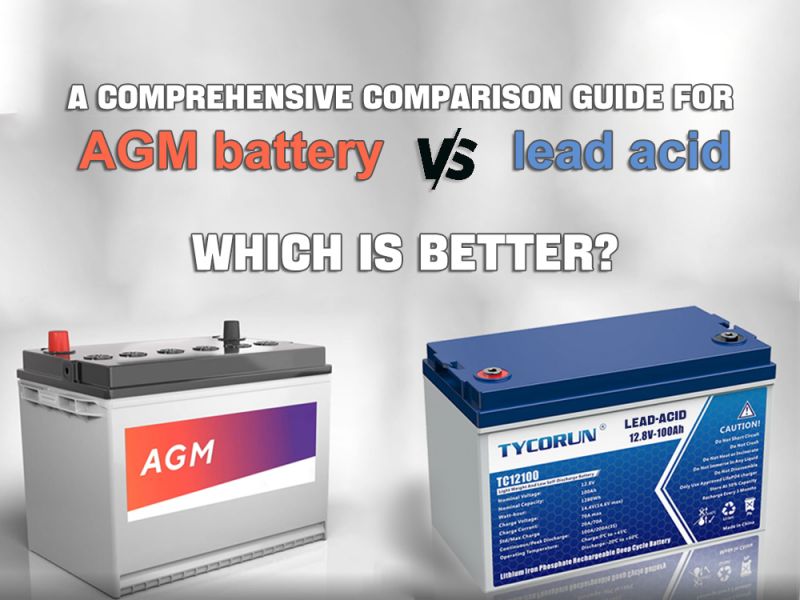
Lead Acid Vs AGM Battery: Which One Wins for Your Needs?
Choosing the right battery can be confusing, especially when you come across terms like Lead Acid and AGM. You might wonder which one suits your needs better or which lasts longer.
This guide will clear up the mystery and help you make the best choice for your device or vehicle. By the end, you’ll feel confident about picking the battery that fits your lifestyle and saves you money. Keep reading to discover the key differences that matter to you.
Lead Acid Battery Basics
Lead acid batteries are one of the oldest types of rechargeable batteries. They have been used for over a century. These batteries power many devices and vehicles. Understanding their basics helps in choosing the right battery for your needs.
Lead acid batteries are known for their reliability and strong performance. They work well in many settings. Their design is simple but effective. This makes them popular worldwide.
Construction And Chemistry
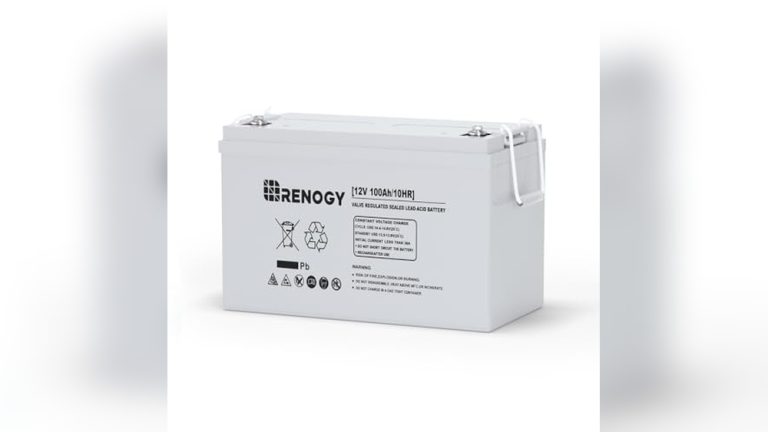
Lead acid batteries have lead plates inside. These plates are submerged in a liquid called electrolyte. The electrolyte is made of sulfuric acid and water. When the battery works, a chemical reaction happens. This reaction creates electricity. The battery can be recharged by reversing this reaction.
Common Uses
Lead acid batteries power cars, trucks, and motorcycles. They also provide backup power for homes and offices. Many solar power systems use them too. Their ability to deliver high bursts of power is useful. This makes them ideal for starting engines.
Cost And Availability
Lead acid batteries are affordable and easy to find. Many stores and online shops sell them. Their low cost makes them popular for many users. Replacement parts and service are also widely available. This helps keep maintenance costs low.
Agm Battery Basics
AGM batteries are a popular choice for many users. They offer strong performance and last longer than regular lead acid batteries. Understanding the basics helps in choosing the right battery for your needs.
AGM stands for Absorbent Glass Mat. This means the battery uses a special glass fiber mat to hold the acid. This design stops leaks and allows the battery to work well in different positions.
Design And Technology
AGM batteries use a glass mat separator between the plates. This mat soaks up the acid like a sponge. The plates are tightly packed, which helps the battery deliver high power quickly. Sealed design means no acid spills. They are also resistant to vibration and shocks.
Typical Applications
Many devices use AGM batteries. Cars, motorcycles, and boats often have them. They are common in backup power supplies too. Solar power systems and wheelchairs also use AGM batteries. Their ability to provide steady power makes them useful in many places.
Price Considerations
AGM batteries cost more than traditional lead acid batteries. The advanced design and materials raise the price. But they last longer and need less maintenance. This can save money over time. Choose AGM if you want durability and reliability.
Performance Comparison
Comparing the performance of Lead Acid and AGM batteries helps choose the right one. Both types serve different needs with unique strengths. Understanding their efficiency, charge rates, and lifespan reveals which battery suits specific uses best.
Energy Efficiency
AGM batteries offer higher energy efficiency than Lead Acid batteries. They lose less power during use, saving energy over time. Lead Acid batteries waste more energy through heat and resistance. This makes AGM a better choice for energy-conscious users.
Charge And Discharge Rates
Lead Acid batteries charge slower and cannot handle rapid discharges well. AGM batteries handle faster charging and discharging without damage. This makes AGM batteries ideal for devices needing quick power boosts. Lead Acid suits steady, slow power demands better.
Lifespan And Durability
AGM batteries last longer and resist vibrations better than Lead Acid types. They tolerate deep discharges with less damage. Lead Acid batteries wear out faster under heavy use. AGM batteries perform well in tough conditions and require less maintenance.

Credit: taraelectricvehicles.com
Maintenance Needs
Maintenance plays a big role in choosing the right battery. Lead acid and AGM batteries differ in how much care they need. Knowing these differences helps keep your battery working well for a long time.
Routine Care For Lead Acid
Lead acid batteries need regular checks. Check the water level every few weeks. Use distilled water to refill if the level is low. Clean the battery terminals to stop corrosion. Keep the battery case clean and dry. Charge the battery fully after use. Avoid deep discharges to extend battery life.
Agm Maintenance Requirements
AGM batteries need less care than lead acid. They are sealed and do not need water refills. Check terminals for corrosion once a month. Keep the battery charged to avoid damage. Avoid overcharging, which can reduce battery life. AGM batteries handle vibrations better and need less cleaning.
Safety Factors
Lead acid batteries can leak acid if damaged. Handle with care and wear gloves. Store batteries in a cool, dry place. AGM batteries are safer as they are sealed. They reduce the risk of acid leaks and gas release. Always follow safety instructions for both types.
Environmental Impact
The environmental impact of Lead Acid and AGM batteries is an important topic. These batteries are common in vehicles and backup power systems. Their production, use, and disposal affect the environment in different ways. Understanding these differences helps in choosing the right battery and handling it safely.
Recycling And Disposal
Lead Acid batteries have a high recycling rate worldwide. They contain lead and acid, which can be reused after proper processing. Recycling reduces the need for new raw materials and lowers pollution. Many centers accept old Lead Acid batteries for recycling.
AGM batteries also contain lead and acid but in a sealed design. This makes recycling a bit more complex. Still, they can be recycled like traditional Lead Acid batteries. Proper disposal is essential to avoid environmental damage.
Toxicity And Hazards
Both Lead Acid and AGM batteries contain toxic materials. Lead is harmful to humans and wildlife. Battery acid can cause burns and pollute water sources. Broken or leaking batteries pose serious risks.
AGM batteries are less likely to leak due to their sealed design. This reduces the chance of acid spills. Lead Acid batteries can leak more easily if damaged or old. Handling batteries carefully helps prevent accidents and pollution.
Credit: www.tycorun.com
Choosing The Right Battery
Choosing the right battery can affect your device’s life and performance. Picking between Lead Acid and AGM batteries depends on your needs. Each type has its benefits and drawbacks. This guide helps you decide based on key factors.
Budget And Usage Patterns
Lead Acid batteries usually cost less upfront. They work well for basic and occasional use. If you need a battery for light or short-term tasks, Lead Acid fits. AGM batteries cost more but last longer. They suit frequent use and high demand devices better.
Performance Priorities
AGM batteries perform better in tough conditions. They handle deep discharges and recharge faster. Lead Acid batteries have slower recharge times. They may lose capacity if drained deeply often. Choose AGM if you need steady power and durability.
Space And Weight Constraints
AGM batteries are lighter and smaller than Lead Acid types. They fit better in tight spaces and reduce overall weight. Lead Acid batteries are bulkier and heavier. Select AGM for compact setups and easy handling.

Credit: www.acg.aaa.com
Frequently Asked Questions
What Are The Main Differences Between Lead Acid And Agm Batteries?
Lead Acid batteries use liquid electrolyte, while AGM batteries have absorbed glass mat separators. AGM batteries offer better performance, longer life, and are maintenance-free. Lead Acid batteries are heavier, cheaper, and require regular maintenance. AGM is ideal for high-demand applications and deep cycling.
Which Battery Lasts Longer, Lead Acid Or Agm?
AGM batteries generally last longer than traditional Lead Acid batteries. AGM batteries have a lifespan of 4-7 years. Lead Acid batteries typically last 3-5 years. AGM’s sealed design reduces corrosion and water loss, contributing to their extended life and reliability.
Are Agm Batteries Better For Vehicles Than Lead Acid?
Yes, AGM batteries are better for vehicles with high electrical demands. They handle deep discharges well and recharge faster. AGM batteries are vibration-resistant and maintenance-free, making them ideal for modern cars and motorcycles compared to traditional Lead Acid batteries.
Can I Replace A Lead Acid Battery With An Agm Battery?
You can replace a Lead Acid battery with an AGM battery if the size and voltage match. AGM batteries offer better performance and require less maintenance. Ensure your charger supports AGM specifications to avoid damage and ensure optimal charging.
Conclusion
Both lead acid and AGM batteries have their strengths and weaknesses. Lead acid batteries cost less and work well for basic needs. AGM batteries last longer and handle tough conditions better. Choosing the right battery depends on your budget and usage.
Think about how often you use it and where. Both types can power your devices effectively. Pick what fits your lifestyle and needs best. This helps you save money and avoid problems later. Simple choices lead to better battery performance and satisfaction.