Lithium Ion Battery Vs Nimh: Ultimate Comparison for Best Choice
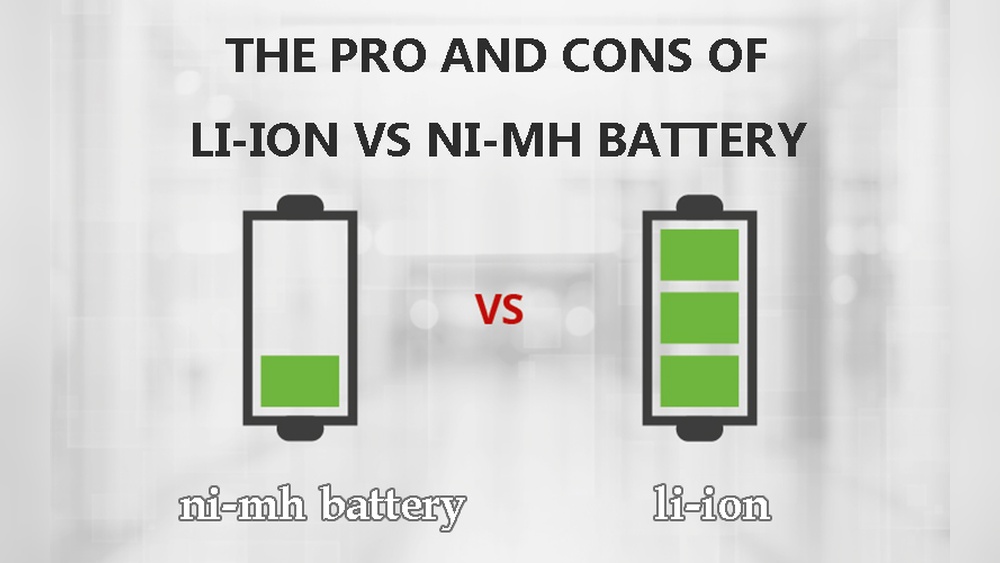
When it comes to choosing the right battery for your gadgets, you might feel overwhelmed by all the options. Two popular choices you’ll often hear about are Lithium Ion (Li-ion) and Nickel-Metal Hydride (NiMH) batteries.
But which one is better for your needs? Understanding the key differences can save you money, improve your device’s performance, and even protect the environment. You’ll discover exactly how these batteries compare, so you can make a smart, informed decision every time.
Keep reading to find out which battery truly powers your life better.
Battery Chemistry
Battery chemistry defines how a battery stores and releases energy. It affects the battery’s performance, lifespan, and safety. Understanding the difference helps in choosing the right battery for your needs.
Lithium Ion Composition
Lithium-ion batteries use lithium compounds in their cells. The anode is made of carbon, usually graphite. The cathode contains lithium metal oxides like cobalt or manganese. Electrolytes inside allow lithium ions to move during charging and discharging. This chemistry provides high energy density and light weight.
Nimh Composition
Nickel-metal hydride (NiMH) batteries use a different chemistry. The anode stores hydrogen in a metal alloy. The cathode contains nickel oxide hydroxide. The electrolyte is usually potassium hydroxide, a strong base. NiMH batteries have lower energy density but are safer and cheaper to produce.
Energy Density
Energy density measures how much energy a battery stores in a certain space or weight. It is a key factor in choosing between lithium-ion and NiMH batteries. Higher energy density means longer use without recharging. This makes a big difference for devices that need power for a long time or must be light and small.
Capacity And Size
Lithium-ion batteries hold more energy in the same size than NiMH batteries. This means lithium-ion packs last longer and need less space. NiMH batteries tend to be bulkier to store the same amount of energy. For small gadgets, lithium-ion is often the better fit due to its compact size.
Weight Considerations
Lithium-ion batteries are lighter than NiMH batteries with similar capacity. This weight difference helps in portable devices and electric vehicles. NiMH batteries add more weight, which can limit mobility. Choosing lithium-ion helps keep devices easy to carry and handle.
Performance
Battery performance is key to choosing the right power source. It affects how long devices run and how fast they recharge. Lithium Ion (Li-ion) and Nickel-Metal Hydride (NiMH) batteries have different strengths in performance. Understanding these differences helps you pick the best option for your needs.
Charge And Discharge Rates
Li-ion batteries charge faster than NiMH batteries. They can handle higher current without damage. This means shorter charging time for your devices. NiMH batteries take longer to charge and discharge more slowly. They also lose power quickly during use. Li-ion batteries deliver steady power over longer periods. This makes them better for devices needing constant energy.
Voltage Stability
Li-ion batteries keep a stable voltage throughout use. This means devices run smoothly until the battery is almost empty. NiMH batteries have a voltage drop as they discharge. Devices may slow down or stop working before the battery is fully drained. Stable voltage in Li-ion batteries improves device performance and reliability. This is important for sensitive electronics and high-power tools.

Credit: batteryswapcabinet.com
Lifespan And Durability
The lifespan and durability of batteries affect how long devices work well. Choosing the right battery depends on these factors. Lithium-ion (Li-ion) and Nickel-Metal Hydride (NiMH) batteries differ in how long they last and how tough they are. Understanding these differences helps in making smart choices for electronics, tools, or vehicles.
Cycle Life
Cycle life means how many times a battery can charge and discharge fully. Li-ion batteries usually last between 300 and 500 cycles. NiMH batteries can handle about 500 to 1000 cycles. Despite fewer cycles, Li-ion batteries keep their capacity better over time. NiMH batteries lose capacity faster after many cycles.
Memory Effect
Memory effect happens when a battery loses its full charge capacity. NiMH batteries often suffer from memory effect. This means they remember a smaller charge limit after partial charging. Li-ion batteries have very little or no memory effect. This makes Li-ion better for devices charged often without full discharge.
Safety Factors
Safety is a top concern when choosing between Lithium Ion and NiMH batteries. Both types have risks and benefits. Understanding these helps make a better choice. Let’s explore key safety factors.
Thermal Stability
Thermal stability means how well a battery handles heat. NiMH batteries are more stable at high temperatures. They rarely overheat or catch fire. Lithium Ion batteries store more energy but can heat up quickly. This can cause swelling or fire if damaged or overcharged. Proper design and care reduce these risks.
Risk Of Leakage
Battery leakage can harm devices and users. NiMH batteries have a low chance of leaking harmful chemicals. Their electrolyte is less corrosive. Lithium Ion batteries use liquid electrolytes that can leak if the casing breaks. Leakage in Lithium Ion batteries is more dangerous and can cause burns or fires. Safe handling and quality products help prevent leaks.

Credit: www.researchgate.net
Environmental Impact
Lithium-ion batteries have a smaller carbon footprint during use but need careful recycling. NiMH batteries use more materials but are easier to dispose of safely. Both impact the environment differently during production and disposal.
Recycling Challenges
Lithium-ion batteries are hard to recycle due to complex materials. They contain metals like cobalt and lithium that need special processes. NiMH batteries are easier to recycle but still need care. Recycling centers for both types are not widely available. Many batteries end up in landfills, harming the environment. Improving recycling methods is important to reduce waste.
Toxicity Levels
Lithium-ion batteries contain toxic chemicals that can leak if damaged. These chemicals can pollute soil and water. NiMH batteries have fewer toxic materials but still pose risks. Nickel, a key element in NiMH, can cause environmental harm. Safe disposal is crucial to avoid pollution. Using less toxic materials helps protect nature and health.
Cost Analysis
Cost analysis plays a key role when choosing between Lithium Ion and NiMH batteries. It helps to understand the expenses involved right from purchase to long-term usage. Comparing costs reveals which option fits your budget better and offers more value over time.
Initial Investment
Lithium Ion batteries usually cost more upfront than NiMH batteries. The technology is newer and more advanced, causing higher prices. NiMH batteries have lower initial prices, making them attractive for tight budgets. The difference in cost depends on battery size and brand. Consider what fits your wallet before deciding.
Long-term Value
Lithium Ion batteries last longer and hold charge better than NiMH types. This means fewer replacements and less spending over time. NiMH batteries have shorter lifespans and lose capacity faster. Replacing them often can add up to more costs. Lithium Ion’s efficiency and durability provide better savings in the long run.
Common Applications
Batteries power many devices and machines in daily life. Choosing the right battery depends on the device’s needs and usage. Lithium Ion and NiMH batteries each have their strengths. Their common applications show where each battery type fits best.
Consumer Electronics
Lithium Ion batteries dominate in smartphones, laptops, and tablets. They offer high energy density and long battery life. NiMH batteries appear in older or budget devices. They provide decent performance but less capacity than Lithium Ion.
Electric Vehicles
Lithium Ion batteries power most electric cars today. They deliver strong energy output and recharge quickly. NiMH batteries were common in early hybrid cars. They are heavier and hold less charge compared to Lithium Ion.
Power Tools
Both battery types are used in power tools. Lithium Ion batteries allow cordless tools to run longer and lighter. NiMH batteries are still found in some affordable or older models. They work well but have shorter run times.
Choosing The Right Battery
Choosing the right battery is key for any device or project. It affects how long your device runs and how well it performs. Both Lithium Ion (Li-ion) and Nickel-Metal Hydride (NiMH) batteries have their strengths. Knowing their differences helps you pick the best fit for your needs. Consider where and how you plan to use the battery. Also, think about your budget and personal preferences. This guide breaks down these points clearly.
Usage Scenarios
Li-ion batteries offer high energy density. They work great for portable electronics like smartphones and laptops. These batteries provide longer run times and weigh less. NiMH batteries suit devices that need frequent recharging. They handle high drain devices well, such as digital cameras and power tools. NiMH also performs better in colder temperatures. Choose based on the device’s power demands and usage pattern.
Budget And Preferences
NiMH batteries usually cost less upfront. They are easier to recycle and often last through many charge cycles. Li-ion batteries tend to be more expensive but offer better performance. They require special chargers and careful handling. Consider how much you want to spend and how often you want to replace batteries. Personal comfort with battery care also plays a role in your choice.

Credit: www.huntkeyenergystorage.com
Frequently Asked Questions
What Are The Main Differences Between Lithium Ion And Nimh Batteries?
Lithium Ion batteries offer higher energy density and lighter weight. NiMH batteries are cheaper, safer, and have a longer cycle life. Lithium Ion batteries charge faster but require careful handling due to thermal sensitivity.
Which Battery Lasts Longer: Lithium Ion Or Nimh?
Lithium Ion batteries generally last longer in terms of charge cycles. NiMH batteries have a stable lifespan but suffer from memory effect, reducing capacity over time. Lithium Ion batteries maintain capacity better with proper care.
Are Lithium Ion Batteries Safer Than Nimh Batteries?
NiMH batteries are considered safer due to less risk of overheating or explosion. Lithium Ion batteries require built-in protection circuits to prevent overheating and fires. Proper use and quality manufacturing improve safety for both types.
Which Battery Type Is More Cost-effective Overall?
NiMH batteries have a lower upfront cost and are easier to recycle. Lithium Ion batteries cost more but offer better performance and longer lifespan, leading to cost savings over time. Choice depends on usage and budget.
Conclusion
Lithium-ion and NiMH batteries each have clear strengths. Lithium-ion lasts longer and weighs less. NiMH batteries cost less and are safer to handle. Choosing depends on what matters most to you. Think about your device’s needs and budget. Both types power many everyday gadgets well.
Knowing their differences helps you pick the right battery. Simple and smart choices lead to better results. Batteries make a big difference in daily use. Choose wisely for longer, reliable power every time.