
Lithium Vs Nimh Batteries: Ultimate Comparison for Power and Life
When it comes to powering your devices, choosing the right battery can make all the difference. You might have heard about Lithium and NiMH batteries, but which one is truly better for your needs?
Understanding how these two types work can save you money, boost performance, and even protect the environment. You’ll discover clear, simple facts that help you pick the perfect battery every time. Keep reading to find out what sets Lithium and NiMH apart—and why it matters to you.
Battery Types And Chemistry
Batteries power many devices in daily life. Different types use different chemicals inside. These chemicals decide how well the battery works. Understanding battery types and chemistry helps choose the right battery.
Lithium Battery Composition
Lithium batteries use lithium ions to store energy. They have a positive electrode called cathode. The cathode contains lithium metal oxides. The negative electrode, or anode, is usually made of carbon. A liquid electrolyte moves lithium ions between electrodes during charge and discharge.
This design gives lithium batteries high energy density. They are lighter and last longer than some other batteries. These batteries work well in small devices and electric cars.
Nimh Battery Composition
NiMH stands for nickel-metal hydride. These batteries use nickel oxide hydroxide as the cathode. The anode contains a metal alloy that absorbs hydrogen. The electrolyte is usually a potassium hydroxide solution.
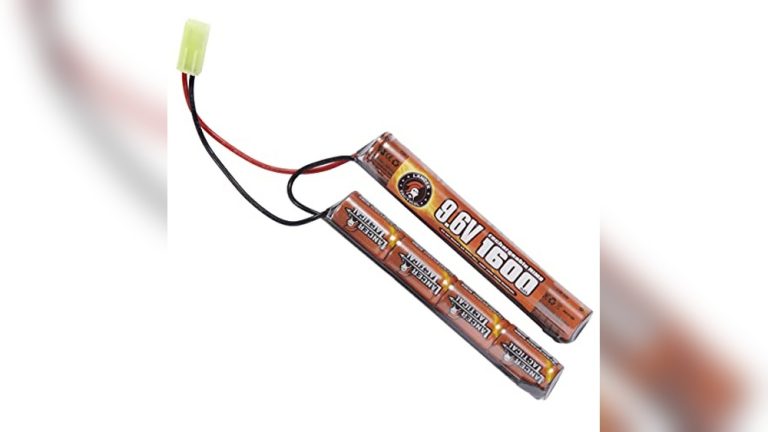
NiMH batteries are safe and easy to recycle. They store less energy than lithium batteries but are cheaper. These batteries are common in household gadgets and rechargeable AA batteries.
Energy Density And Weight
Energy density and weight play a big role in choosing batteries. These factors affect how long devices last and how easy they are to carry. Lithium and NiMH batteries differ in these areas. Understanding these differences helps pick the right battery for your needs.
Comparing Energy Storage
Lithium batteries store more energy per pound than NiMH batteries. This means they last longer on a single charge. NiMH batteries hold less energy, so they need charging more often. Higher energy density makes lithium better for devices needing long use.
Impact On Device Weight
Lithium batteries are lighter than NiMH batteries with the same power. This reduces the overall weight of devices. Lighter devices are easier to carry and use. NiMH batteries add more weight, which can make devices bulkier and less comfortable to handle.
Charging And Discharging
Charging and discharging are key factors in battery performance. They affect how fast a battery charges and how long it lasts when used. Understanding these differences helps choose the right battery for your needs.
Charge Time Differences
Lithium batteries charge much faster than NiMH batteries. They can reach full charge in about one to two hours. NiMH batteries usually take three to five hours to fully charge. Faster charging saves time and is more convenient.
Lithium batteries handle quick charging without damage. NiMH batteries may get hot if charged too fast. Proper chargers are important for both types to keep them safe and efficient.
Discharge Rates And Efficiency
Lithium batteries have a lower self-discharge rate. They keep their charge longer when not in use. NiMH batteries lose charge faster, sometimes within weeks. This makes lithium better for devices used occasionally.
During use, lithium batteries provide steady power output. NiMH batteries can drop voltage as they discharge. This means lithium batteries keep devices running smoothly for longer. Efficiency in discharge means less energy waste and better performance.

Credit: npplithium.com
Lifespan And Durability
The lifespan and durability of a battery determine how long it will last and perform well. These factors are vital for users who want reliable and cost-effective power solutions. Lithium and NiMH batteries differ significantly in these areas. Understanding these differences helps in choosing the right battery for specific needs.
Cycle Life Comparison
Cycle life means how many times a battery can be charged and discharged. Lithium batteries usually have a higher cycle life than NiMH batteries. A typical lithium battery can last between 500 to 1,000 cycles. NiMH batteries often last about 300 to 500 cycles. More cycles mean longer use before the battery needs replacement. This makes lithium batteries more durable for frequent use.
Effects Of Temperature
Temperature affects battery performance and lifespan. Lithium batteries work best in moderate temperatures. Extreme cold or heat can reduce their efficiency and lifespan. NiMH batteries handle cold temperatures better but suffer in high heat. Heat causes NiMH batteries to lose capacity faster. Proper temperature control extends both battery types’ life. Use batteries within their recommended temperature ranges for best results.
Safety And Environmental Factors
Safety and environmental impact are important when choosing between lithium and NiMH batteries. Both have benefits and risks that affect how we use and dispose of them. Understanding these factors helps us make better choices for the planet and personal safety.
Thermal Stability
NiMH batteries have good thermal stability. They handle heat better and are less likely to catch fire. Lithium batteries store more energy but can overheat if damaged or charged wrong. This may cause fires or explosions. Careful use and good design reduce these risks.
Recycling And Disposal
Recycling helps reduce waste and recovers valuable materials. NiMH batteries are easier to recycle due to fewer toxic elements. Lithium batteries contain metals that need special handling. Improper disposal can harm the environment and pollute water. Recycling programs for both types are growing to improve safety and sustainability.
Cost And Availability
Cost and availability play a big role in choosing between lithium and NiMH batteries. People want to know which option saves money and is easy to find. Both types have different price patterns and market presence. Understanding these differences helps buyers make smart choices.
Price Trends
Lithium batteries usually cost more upfront. Their technology is newer and materials are pricier. NiMH batteries tend to be cheaper and have stayed stable in price for years. Over time, lithium prices have dropped but still remain higher than NiMH. The cost depends on battery size and quality too.
NiMH batteries offer good value for everyday use. Lithium batteries may save money long term due to longer life. The initial price gap is a key factor for many buyers.
Market Accessibility
NiMH batteries are widely available in most stores. They come in common sizes like AA and AAA. Many brands produce NiMH batteries, making them easy to find. Lithium batteries are less common but growing in popularity.
Some specialized lithium types need online orders or specialty shops. Availability varies by region and product type. NiMH batteries remain the go-to choice for general use due to easy access.
Best Use Cases
Choosing the right battery depends on the device and how it will be used. Both Lithium and NiMH batteries have strengths that suit certain needs better. Understanding their best use cases helps pick the right power source for your devices.
Applications Suited For Lithium
Lithium batteries work well in devices needing long battery life. They perform better in cold weather. Small gadgets like smartphones, laptops, and cameras often use Lithium batteries. Electric vehicles also rely on Lithium for strong energy storage. These batteries recharge quickly and hold charge for a long time. They keep devices light, which is important for portable electronics.
Applications Suited For Nimh
NiMH batteries fit well in devices with medium energy needs. They are common in toys, remote controls, and cordless phones. NiMH batteries cost less than Lithium options. They recharge many times and handle repeated use well. These batteries work fine in household gadgets that don’t need very long battery life. Their lower risk of overheating makes them safe for everyday use.

Credit: batteryswapcabinet.com

Credit: www.huntkeyenergystorage.com
Frequently Asked Questions
What Are The Main Differences Between Lithium And Nimh Batteries?
Lithium batteries have higher energy density and longer life than NiMH batteries. NiMH batteries are cheaper and safer but heavier. Lithium performs better in cold temperatures and has a slower self-discharge rate compared to NiMH batteries.
Which Battery Lasts Longer: Lithium Or Nimh?
Lithium batteries generally last 2-3 times longer than NiMH batteries. They maintain capacity better over many charge cycles. NiMH batteries tend to degrade faster, especially if frequently fully discharged.
Are Lithium Batteries More Expensive Than Nimh Batteries?
Yes, Lithium batteries are typically more expensive upfront. However, their longer lifespan and higher efficiency can reduce overall costs over time compared to NiMH batteries.
Which Battery Type Is Safer For Everyday Use?
NiMH batteries are considered safer due to lower risk of overheating or fire. Lithium batteries require proper handling and protection circuits to ensure safe use, especially in high-drain devices.
Conclusion
Choosing between lithium and NiMH batteries depends on your needs. Lithium batteries last longer and weigh less. NiMH batteries cost less and are safer to handle. Both types have pros and cons to consider. Think about how you will use the battery.
For longer life and lighter weight, go lithium. For budget-friendly and simple use, choose NiMH. Understanding these differences helps you pick the right battery. Your choice affects device performance and cost. Decide what matters most for your devices today.