Marine Vs Automotive Battery: Key Differences You Must Know
Are you confused about which battery is right for your boat or car? Choosing between a marine battery and an automotive battery can feel overwhelming, especially when both seem similar at first glance.
But picking the wrong one could lead to poor performance or even damage your vehicle or vessel. You’ll discover the key differences that matter most. By the end, you’ll know exactly which battery fits your needs and why it makes all the difference.
Keep reading to make a smart, confident choice for your power source.
Battery Types
Batteries power many types of vehicles and machines. Different uses need different battery types. Marine and automotive batteries serve specific roles. Understanding the varieties helps choose the right one. Each type has unique features and strengths.
Marine Battery Varieties
Marine batteries face harsh water and weather. They must resist vibrations and stay sealed. There are three main types:
- Starting Batteries: Provide quick bursts of power to start engines.
- Deep Cycle Batteries: Supply steady power over long periods for accessories.
- Dual-Purpose Batteries: Combine features of starting and deep cycle batteries.
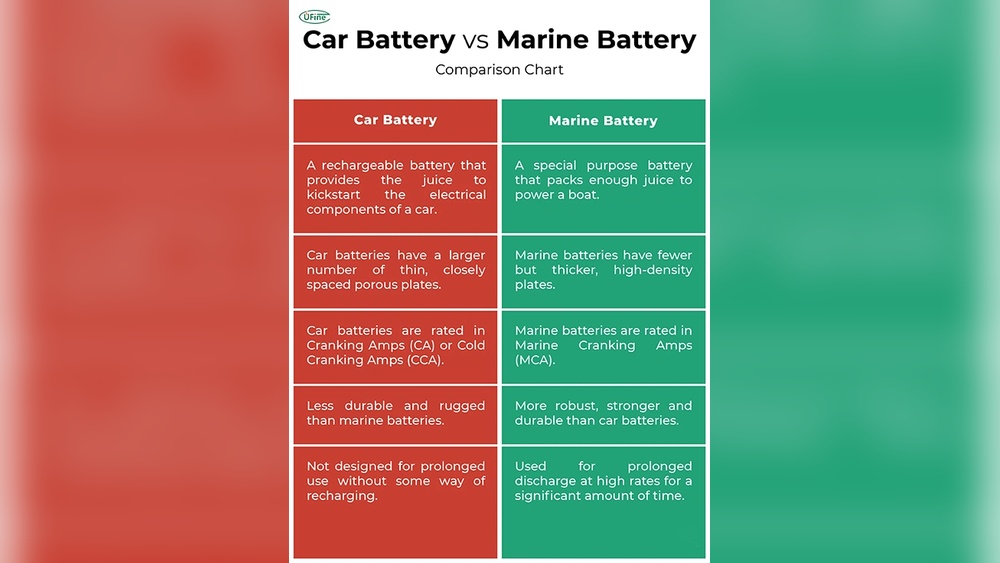
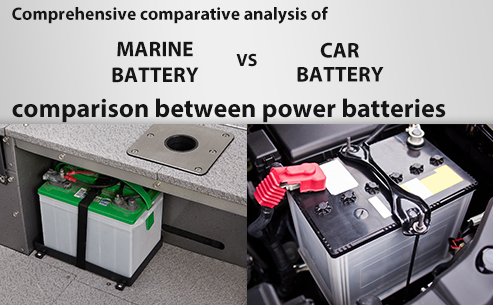
Marine batteries often have thicker plates for durability. They resist corrosion from saltwater. These traits make them last longer on boats.
Automotive Battery Varieties
Automotive batteries mainly start car engines. They deliver a strong, short burst of energy. Common types include:
- Lead-Acid Batteries: Standard, cost-effective, widely used in most vehicles.
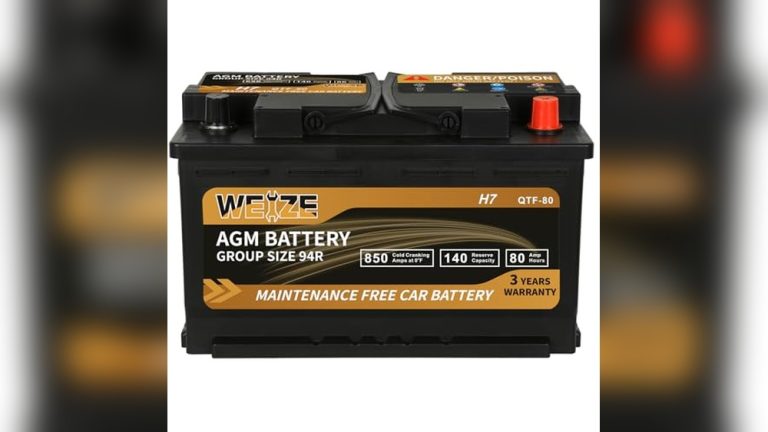
- Absorbed Glass Mat (AGM) Batteries: More durable and maintenance-free than lead-acid.
- Enhanced Flooded Batteries (EFB): Better for stop-start vehicles, with longer life.
Automotive batteries focus on quick starts and reliability. They are not designed for deep discharges like marine batteries.
Credit: www.tycorun.com
Design And Construction
Design and construction shape the core differences between marine and automotive batteries. Both types serve power needs but must meet different conditions and challenges. Their build reflects where and how they will be used. Understanding these details helps pick the right battery for each purpose.
Durability Features
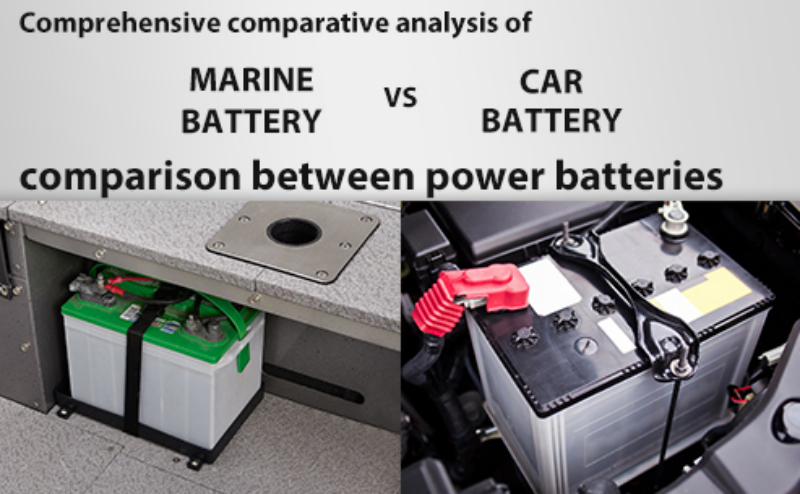
Marine batteries have strong cases to resist water and salt damage. They use sealed designs to avoid leaks and corrosion. Vibration resistance is key, as boats face rough waves and movement. Automotive batteries focus on shock resistance from road bumps. They often have vent caps for safe gas release. Both types protect internal parts but face different stress types.
Size And Weight Differences
Marine batteries are usually larger and heavier than car batteries. They need extra power for long periods and multiple functions on boats. The size supports deep cycling and long use. Automotive batteries are compact to fit under car hoods. Weight matters for cars to improve fuel efficiency. The design balances size, weight, and power for each use case.
Performance And Capacity
Performance and capacity are key factors in choosing the right battery for your needs. Marine and automotive batteries serve different purposes. Each battery type offers specific strengths in power and energy storage. Understanding these differences helps pick the best option for your vehicle or boat.
Power Output
Power output measures how much energy a battery can deliver at once. Automotive batteries provide a high burst of power to start engines quickly. Marine batteries also deliver strong power but focus on steady energy supply. Boats need reliable power for long periods without recharging.
Deep Cycle Vs. Starting Power
Automotive batteries mainly offer starting power. They deliver a quick burst to start the engine and then recharge from the alternator. Marine batteries often have deep cycle abilities. They provide steady power over longer times. This suits running electronics and equipment on boats. Deep cycle batteries resist damage from repeated discharging better than car batteries.
Environmental Resistance
Environmental resistance is a key factor in choosing between marine and automotive batteries. These batteries face different challenges due to their unique environments. A battery’s ability to resist water, corrosion, and temperature changes affects its performance and lifespan. Understanding these differences helps you pick the right battery for your needs.
Waterproofing And Corrosion Resistance
Marine batteries are built to handle wet and salty conditions. They have better waterproof seals to stop water from entering. Saltwater can cause quick corrosion on metal parts. Marine batteries use special coatings and materials to fight rust and corrosion. Automotive batteries face less moisture and usually do not have the same level of protection. Corrosion can still happen, but it is slower and less severe.
Temperature Tolerance
Marine batteries endure wide temperature changes. They must work well in cold waters and hot sun. These batteries have designs that manage heat better. Automotive batteries mainly face heat from the engine and the weather. They perform best in moderate temperatures. Extreme cold or heat can reduce battery life. Marine batteries often have a wider temperature range for safe use.
Charging And Maintenance
Charging and maintenance are key for both marine and automotive batteries. Proper care helps batteries last longer and work better. Each type has different needs based on how they are used and built.
Charging Methods
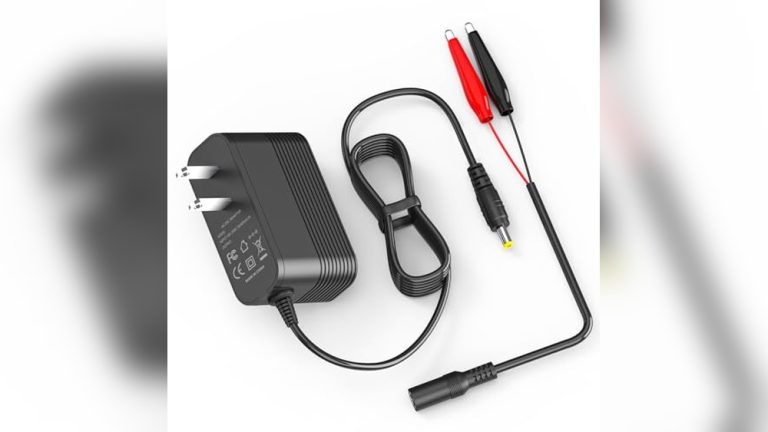
Marine batteries need slow, steady charging. This keeps them healthy during long trips. They often use smart chargers made for deep-cycle batteries. Automotive batteries charge fast from the car’s alternator. Quick charging fits the short bursts of use in cars. Using the right charger type avoids damage and improves battery life.
Maintenance Requirements
Marine batteries require more upkeep. Checking water levels and cleaning terminals is common. Saltwater and humidity can cause corrosion. Automotive batteries need less care. Regular checks for dirt and tight connections are enough. Both types benefit from storing in a cool, dry place. Proper maintenance prevents failure and saves money.
Credit: www.tycorun.com
Cost And Lifespan
Cost and lifespan are key factors when choosing between marine and automotive batteries. Both types serve different purposes, so their prices and durability vary. Knowing these differences helps you pick the right battery for your needs.
Price Comparison
Marine batteries usually cost more than automotive batteries. This is because marine batteries are built to handle rough conditions. They have stronger cases and special designs to resist water and vibration. Automotive batteries are cheaper but less rugged. The price depends on battery size, brand, and power capacity.
Longevity Factors
Marine batteries last longer under tough use. They are designed to provide steady power for long periods. Marine batteries resist deep discharges better than car batteries. Automotive batteries are made for short bursts of high power to start engines. They wear out faster if deeply discharged. Proper care, like avoiding overcharging, helps both types last longer.
Application Suitability
Choosing the right battery depends on its application. Marine and automotive batteries serve different needs. Each type suits specific environments and power demands. Understanding these differences helps pick the best battery for your use.
Choosing For Marine Use
Marine batteries must handle rough water and constant vibrations. They need deep cycling ability to power boats and equipment for long periods. Resistance to corrosion from saltwater is crucial. These batteries provide steady energy for navigation, lighting, and communication systems.
Marine batteries often support both starting engines and running electronics. They last longer under heavy use and recharge efficiently. Safety features like sealed designs prevent acid leaks. These traits make them ideal for boats and watercraft.
Choosing For Automotive Use
Automotive batteries focus on quick bursts of high power. They start car engines and run accessories like radios and lights. These batteries must work well in cold weather and recharge rapidly. They face less corrosion risk compared to marine batteries.
Automotive batteries provide strong starting current but less deep cycle capacity. They are designed for shorter, more frequent use. Lightweight and compact designs fit most vehicles. These batteries suit cars, trucks, and motorcycles.
Credit: www.tycorun.com
Frequently Asked Questions
What Is The Main Difference Between Marine And Automotive Batteries?
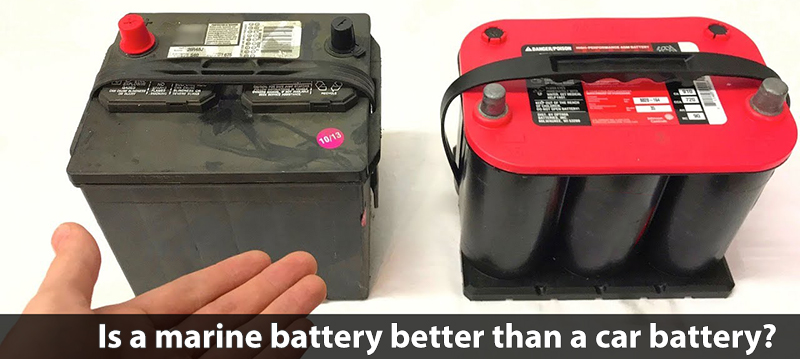
Marine batteries are designed for deep cycling and durability in wet conditions. Automotive batteries provide high bursts of power for starting engines but are not built for prolonged discharge or moisture exposure.
Can I Use An Automotive Battery In A Boat?
Using an automotive battery in a boat is not recommended. It lacks the deep cycle capacity and corrosion resistance needed for marine environments, leading to shorter lifespan and unreliable performance.
How Long Do Marine Batteries Typically Last?
Marine batteries generally last 4 to 6 years with proper maintenance. Their robust design helps them withstand frequent deep discharges common in boating applications.
Are Marine Batteries More Expensive Than Automotive Batteries?
Yes, marine batteries usually cost more due to their specialized construction. They offer enhanced durability, deep cycle capabilities, and resistance to harsh marine conditions.
Conclusion
Choosing between marine and automotive batteries depends on your needs. Marine batteries handle water and rough conditions better. Automotive batteries work well for cars and trucks. Each type offers unique benefits for power and durability. Think about where and how you’ll use the battery.
This helps you pick the right one. Understanding their differences saves time and money. A good battery keeps your vehicle or boat running strong. Make a choice that fits your lifestyle and equipment. Simple and smart decisions bring the best results.