Nicd Vs Nimh Battery: Ultimate Comparison for Best Performance
Are you confused about which battery is right for your device: NiCd or NiMH? Choosing the best battery can save you money and keep your gadgets running longer.
You’ll discover the key differences between NiCd and NiMH batteries. By the end, you’ll know exactly which one fits your needs. Keep reading to make a smarter, more confident choice for your power needs.
Credit: www.tycorun.com
Battery Basics
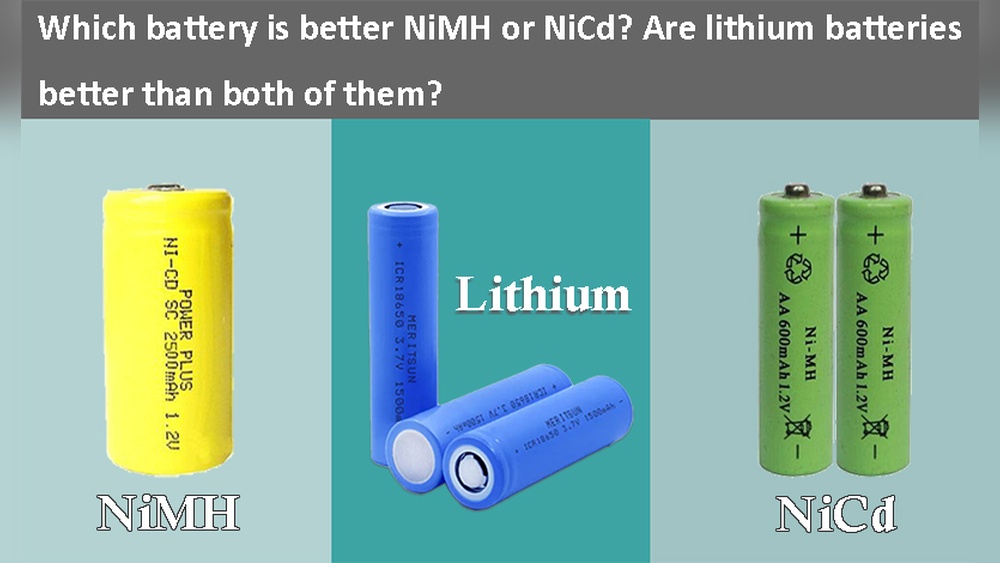
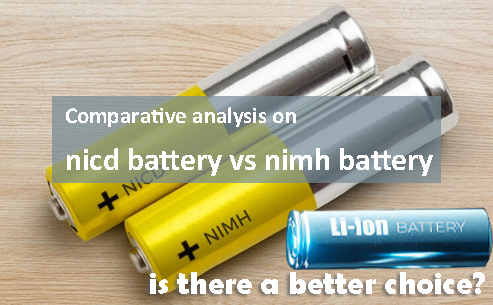
Batteries store energy that powers many devices in daily life. Two common types are NiCd and NiMH batteries. Both are rechargeable and used in similar gadgets.
Understanding their features helps to choose the right battery for your needs. Each type has strengths and weaknesses. Knowing these makes a big difference.
Nicd Battery Features
NiCd stands for Nickel-Cadmium. These batteries have been around for many years. They are known for their durability and long life.
NiCd batteries handle high discharge rates well. They work fine in cold temperatures. These batteries can be recharged hundreds of times.
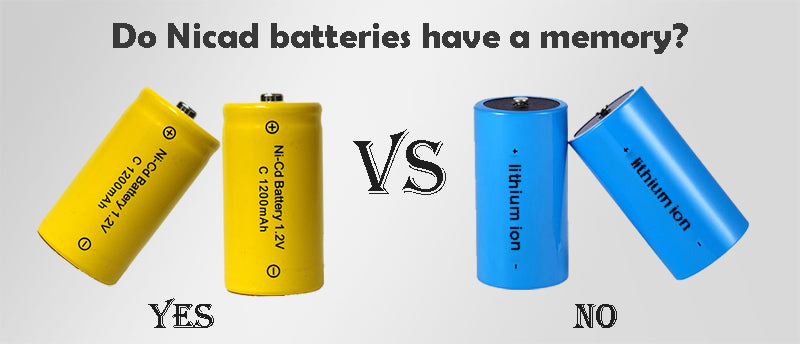
However, NiCd batteries have a memory effect. This means they lose capacity if not fully discharged before charging. They also contain toxic cadmium, which needs careful disposal.
Nimh Battery Features
NiMH means Nickel-Metal Hydride. These batteries are newer and more environmentally friendly. They hold more energy than NiCd batteries of the same size.
NiMH batteries have less memory effect. They provide longer run times for devices. These batteries recharge faster and last through many cycles.
NiMH batteries do not use toxic metals. They are safer to handle and dispose of. They work well in a wide range of devices and conditions.
Performance Factors
Performance matters most when choosing between NiCd and NiMH batteries. It affects how long devices run and how reliable they feel. Understanding key factors helps pick the right battery for your needs. Below are important points about their performance.
Capacity And Energy Density
Capacity shows how much charge a battery holds. NiMH batteries have higher capacity than NiCd. This means NiMH lasts longer between charges. Energy density means how much energy fits in a battery size. NiMH also scores better here. It stores more energy in the same space. Devices can run longer without growing bigger or heavier.
Charge And Discharge Rates
Charge rate tells how fast a battery can refill its energy. NiCd batteries charge quickly and handle high discharge rates well. They work better in devices needing quick bursts of power. NiMH charges slower but delivers steady power. They suit gadgets needing constant energy over time.
Memory Effect
Memory effect reduces battery capacity if not fully discharged. NiCd batteries suffer from this problem. They lose capacity if recharged too soon. NiMH batteries have less memory effect. They keep capacity better even with partial charges. This makes NiMH easier to use and maintain.
Durability And Lifespan
Durability and lifespan are crucial factors in choosing between NiCd and NiMH batteries. These qualities affect how long the battery lasts and how many times it can be recharged. Understanding these differences helps users pick the right battery for their needs.
Cycle Life Comparison
NiCd batteries typically last through 1,000 charge cycles. They handle deep discharges better than NiMH batteries. NiMH batteries usually support around 500 to 800 charge cycles. Their cycle life depends on how they are used and charged. NiCd batteries can be recharged many more times without losing much capacity.
Shelf Life Differences
NiCd batteries hold their charge longer when stored. They can keep power for up to 5 years without use. NiMH batteries lose charge faster in storage. They may last only about 1 to 3 years on a shelf. Proper storage helps extend the shelf life of both types.
Credit: ept-battery.com
Environmental Impact
The environmental impact of batteries matters a lot today. Batteries power many devices but can harm nature. Choosing the right battery helps reduce pollution and waste. Let’s explore the differences between NiCd and NiMH batteries in this area.
Toxicity And Disposal
NiCd batteries contain cadmium, a toxic heavy metal. Cadmium can cause serious harm to plants, animals, and people. Throwing NiCd batteries in trash can pollute soil and water. NiMH batteries use less harmful materials. They still need proper disposal but pose lower health risks. Both battery types should never go into regular waste bins. Special recycling programs keep dangerous substances out of nature.
Recyclability
NiCd batteries are highly recyclable due to cadmium content. Recycling recovers valuable metals and prevents pollution. Many recycling centers accept NiCd batteries. NiMH batteries also recycle well but with fewer toxic materials. Their metals like nickel and rare earth elements are reusable. Recycling NiMH batteries saves resources and energy. Proper recycling reduces landfill waste and supports a cleaner environment.
Cost And Availability
Cost and availability play a big role in choosing between NiCd and NiMH batteries. Both types have different prices and access levels. Understanding these factors helps in making the right choice for your needs.
Price Comparison
NiCd batteries usually cost less than NiMH batteries. This makes NiCd a cheaper option for many users. NiMH batteries, however, offer better capacity and longer life. This can make them more valuable despite the higher price. Over time, NiMH batteries may save money by lasting longer and needing fewer replacements.
Market Accessibility
NiCd batteries are widely available in many stores and online shops. Their long history means many manufacturers still produce them. NiMH batteries are also easy to find and are gaining popularity. They are common in rechargeable devices like cameras and toys. Both battery types are easy to buy, but NiMH is becoming more common in new products.
Credit: www.tycorun.com
Best Use Cases
Choosing the right battery depends on the device and how you use it. NiCd and NiMH batteries suit different needs. Understanding their best use cases helps pick the perfect battery.
Ideal Applications For Nicd
NiCd batteries work well in devices needing high power quickly. They handle heavy loads better than NiMH. Tools like cordless drills often use NiCd batteries.
They perform well in cold temperatures. This makes them good for outdoor equipment. Emergency lighting systems also use NiCd batteries because they last long on standby.
NiCd batteries tolerate many charging cycles. Devices that need frequent recharging benefit from this. Their ability to deliver steady power suits medical devices too.
Ideal Applications For Nimh
NiMH batteries have higher capacity than NiCd. They fit well in devices needing longer run times. Digital cameras and portable audio players often use NiMH batteries.
They have less memory effect, so they keep full charge better. This suits everyday gadgets like remote controls and wireless keyboards. NiMH batteries are also common in hybrid cars.
NiMH batteries are more eco-friendly than NiCd. They are good for users wanting safer battery options. Household electronics benefit from NiMH’s reliable, consistent power.
Frequently Asked Questions
What Is The Main Difference Between Nicd And Nimh Batteries?
NiCd batteries use nickel-cadmium chemistry, while NiMH uses nickel-metal hydride. NiMH batteries have higher capacity and are more environmentally friendly.
Which Battery Lasts Longer, Nicd Or Nimh?
NiMH batteries generally last longer due to higher capacity and better energy density. NiCd batteries suffer from memory effect more often.
Are Nimh Batteries Better For The Environment Than Nicd?
Yes, NiMH batteries are more eco-friendly. They contain fewer toxic metals compared to NiCd, which has harmful cadmium content.
Can Nicd Batteries Be Replaced With Nimh In Devices?
Often yes, but check device compatibility. NiMH batteries have higher voltage and capacity, which might affect device performance.
Conclusion
NiCd and NiMH batteries each have clear strengths. NiCd lasts longer in tough conditions but holds less charge. NiMH offers higher capacity and is better for daily use. Choosing depends on your device needs and budget. Think about how often you use the battery and what matters most: life or power.
Both types serve well but suit different tasks. Knowing these differences helps you pick the best battery for your gear. Simple and smart choices save money and improve performance.