Nimh Vs Lipo Battery: Ultimate Comparison for Best Performance
Choosing the right battery for your device can be confusing, especially when you come across terms like NiMH and LiPo. You might wonder which one will give you better performance, longer life, or faster charging.
Understanding the key differences between NiMH and LiPo batteries can save you time, money, and frustration. By the end of this article, you’ll know exactly which battery suits your needs and how to get the most out of it. Keep reading to make a smart choice that powers your devices the way you want.
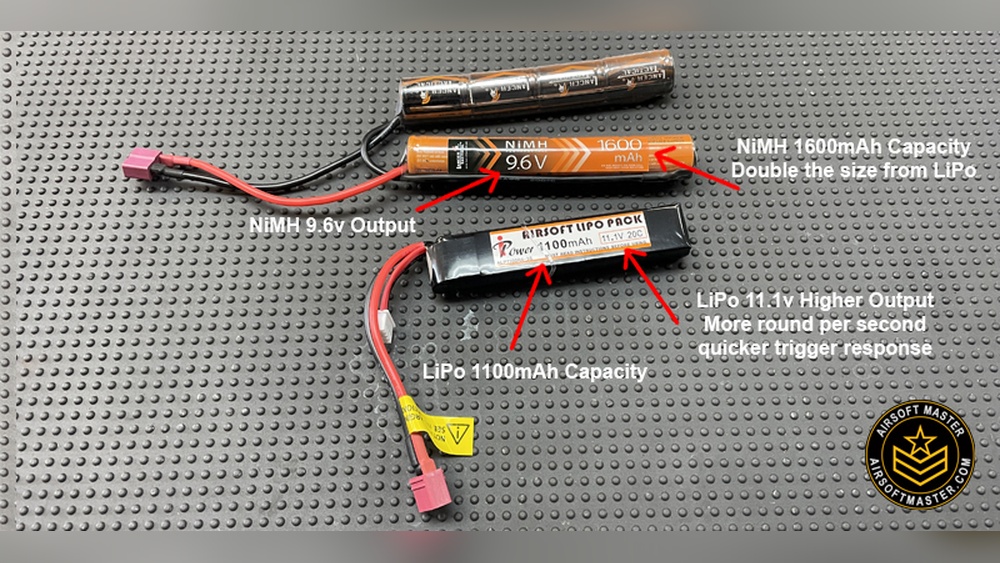
Credit: www.airsoftmaster.com
Battery Basics
Batteries power many devices around us. Understanding their basics helps in choosing the right type. NiMH and LiPo batteries are common choices. They differ in several key areas. Knowing these differences can improve battery use and care.
Chemistry Differences
NiMH batteries use nickel and metal hydride in their cells. LiPo batteries use lithium polymer. This change in chemistry affects weight, size, and performance. NiMH batteries are heavier and bulkier. LiPo batteries are lighter and flexible in shape. Chemistry impacts how batteries store and release energy.
Voltage And Capacity
NiMH cells have a voltage of about 1.2 volts each. LiPo cells deliver about 3.7 volts each. This means LiPo batteries can provide more power in smaller sizes. Capacity is measured in milliamp-hours (mAh). Higher capacity means longer battery life. LiPo batteries often have higher capacity than NiMH.
Charging Methods
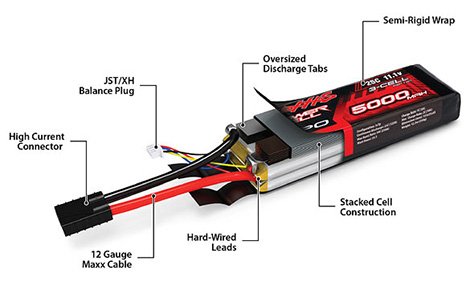
NiMH batteries need a special charger that stops when fully charged. Overcharging can reduce their lifespan. LiPo batteries require chargers with balance functions. This keeps all cells charged evenly. Incorrect charging can cause damage or safety risks with LiPo batteries. Proper charging extends battery life and safety.
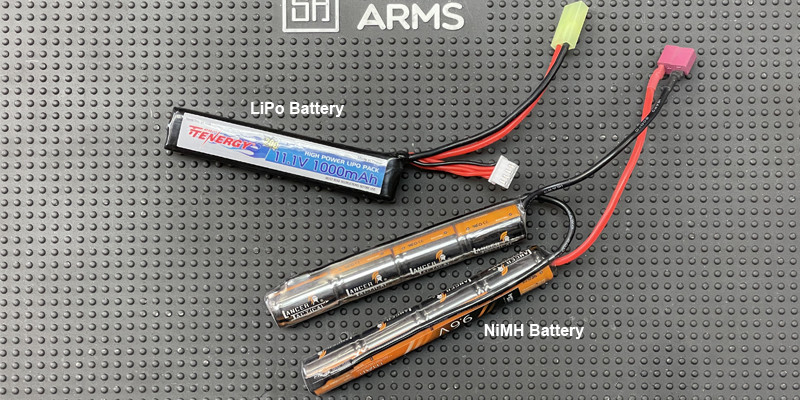
Credit: hobbiesdirect.com.au
Performance Factors
Performance factors play a big role in choosing between NiMH and LiPo batteries. These factors affect how long batteries last, how fast they deliver power, and how reliable they are over time. Understanding these key points helps in picking the right battery for your needs.
Energy Density
Energy density shows how much energy a battery can store in a small space. LiPo batteries have higher energy density than NiMH. This means LiPo packs more power in the same size. Devices using LiPo batteries run longer without needing a recharge. NiMH batteries hold less energy and are heavier for the same power level.
Discharge Rates
Discharge rate is how fast a battery can deliver power. LiPo batteries offer higher discharge rates. They can supply quick bursts of energy without losing voltage. NiMH batteries have lower discharge rates. This makes them better for devices that need steady power, not sudden spikes. Fast discharge helps in drones, RC cars, and other high-power gadgets.
Self-discharge Behavior
Self-discharge means how fast a battery loses charge when not in use. NiMH batteries self-discharge faster than LiPo batteries. This can cause NiMH batteries to lose power even when stored. LiPo batteries hold their charge longer, making them better for occasional use. Low self-discharge means less need to recharge before using the battery again.
Safety Considerations
Safety matters a lot when choosing between NiMH and LiPo batteries. Each type has unique risks and care needs. Knowing these helps prevent accidents and keeps devices running well.
Thermal Stability
NiMH batteries handle heat better than LiPo batteries. They are less likely to catch fire or explode from overheating. LiPo batteries need careful temperature control. High heat can cause swelling or dangerous fires.
Handling And Storage
NiMH batteries are easier to store and handle safely. They do not require special cases or chargers. LiPo batteries need careful handling. Use proper chargers and store them in fireproof containers.
Common Risks
NiMH batteries can leak but rarely cause fires. LiPo batteries risk punctures and swelling, which can lead to fires. Avoid dropping or crushing LiPo batteries. Always inspect batteries for damage before use.
Longevity And Maintenance
Battery life and care are key when choosing between NiMH and LiPo batteries. These factors affect how long a battery lasts and how well it performs over time. Understanding their differences helps in making the right choice for your needs.
Cycle Life Comparison
NiMH batteries usually last for about 500 to 1000 charge cycles. LiPo batteries can handle around 300 to 500 cycles. NiMH batteries tend to have a longer cycle life but may lose capacity over time. LiPo batteries deliver higher performance but wear out faster with heavy use.
Memory Effect
NiMH batteries suffer from memory effect. This means they lose capacity if recharged before fully drained. LiPo batteries do not have this problem. This makes LiPo easier to maintain without worrying about full discharge cycles.
Care Tips
Keep NiMH batteries cool and avoid overcharging. Store them partially charged to improve lifespan. For LiPo batteries, avoid deep discharges and extreme temperatures. Use a proper charger made for LiPo types. Both need careful handling to stay safe and last longer.
Cost And Availability
Cost and availability are key factors when choosing between NiMH and LiPo batteries. Budget and access influence the decision for many users. Understanding how these two types compare helps in making the right choice for your needs.
Price Differences
NiMH batteries usually cost less than LiPo batteries. Their simpler design keeps prices low. LiPo batteries offer higher performance but come with a higher price tag. The price gap depends on battery size and brand.
Market Presence
NiMH batteries have been around longer and are widely available. Most stores stock them for everyday devices. LiPo batteries are popular in specialized areas like drones and RC cars. Their availability is growing but still less than NiMH.
Replacement Options
NiMH batteries have many replacement options due to wide use. Finding a suitable replacement is easy and affordable. LiPo battery replacements are fewer and cost more. Proper care is important to extend LiPo battery life.
Ideal Applications
Batteries power many devices today. Choosing the right type matters. NiMH and LiPo batteries serve different needs. Knowing their ideal uses helps pick the best one. Each battery type has strengths for certain tasks. This section explores where each battery excels.
Best Use Cases For Nimh
NiMH batteries work well in household gadgets. They suit devices like remote controls and cordless phones. These batteries handle frequent charging without much wear. Toys and flashlights also benefit from NiMH. They offer steady power and are safer for beginners. NiMH batteries perform well in low-drain devices too.
Best Use Cases For Lipo
LiPo batteries excel in high-performance electronics. Drones and RC cars need lightweight, powerful batteries like LiPo. They provide high energy in a small size. LiPo suits devices needing quick bursts of power. Smartphones and tablets often use LiPo for longer battery life. These batteries also fit wearable tech due to their thin shape.
Choosing Based On Needs
Think about device power and size first. Low power needs fit NiMH batteries well. For light, compact devices, LiPo is ideal. Consider charging habits and safety too. NiMH is more forgiving with charging errors. LiPo requires careful handling but offers better performance. Match the battery to your device’s demands.

Credit: www.rccrush.com
Frequently Asked Questions
What Are The Main Differences Between Nimh And Lipo Batteries?
NiMH batteries use nickel-metal hydride chemistry, while LiPo batteries use lithium polymer cells. LiPo batteries are lighter, have higher energy density, and charge faster. NiMH batteries are cheaper, safer, and more durable but heavier and have lower energy output.
Which Battery Type Lasts Longer In Rc Applications?
LiPo batteries generally last longer in RC applications due to higher energy density and better discharge rates. NiMH batteries have a shorter lifespan and lower capacity but are more tolerant to overcharging and rough handling.
Are Lipo Batteries Safer Than Nimh Batteries?
NiMH batteries are generally safer because they are less prone to overheating and fire. LiPo batteries require careful handling, proper charging, and storage to avoid risks like swelling or catching fire.
How Does Charging Time Compare Between Nimh And Lipo?
LiPo batteries charge much faster, often within an hour. NiMH batteries take longer, typically 2-4 hours. Faster charging makes LiPo batteries more convenient for quick turnaround uses.
Conclusion
NiMH and LiPo batteries each have clear strengths and weaknesses. NiMH batteries cost less and handle rough use well. LiPo batteries offer more power and lighter weight. Choose based on your device’s needs and budget. Safety matters, so follow charging and handling tips carefully.
Both battery types can serve you well with the right care. Understanding these differences helps you pick the best battery. Simple and smart choices lead to longer battery life.