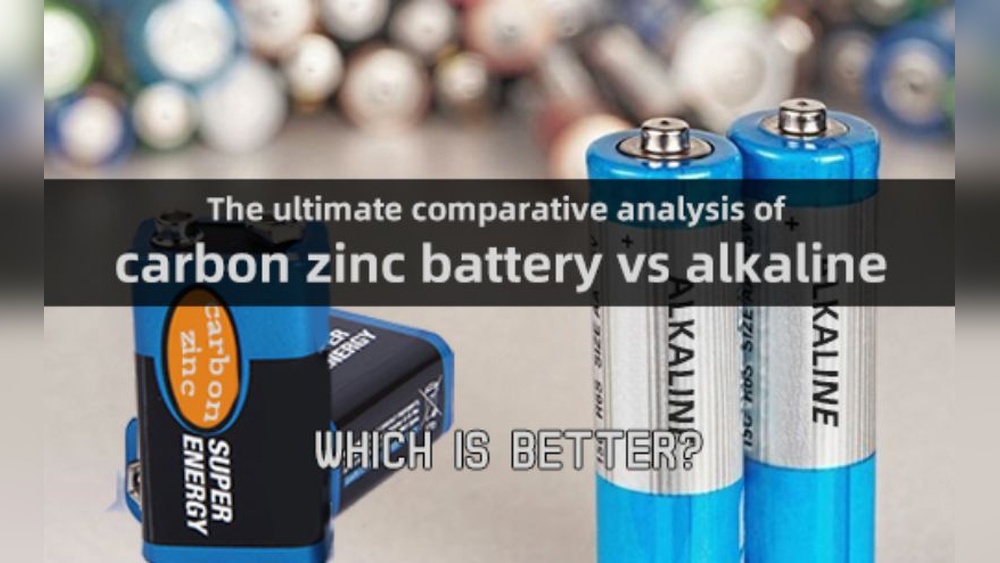
Zinc Batteries Vs Alkaline: Which Lasts Longer and Saves More?
When it comes to powering your devices, choosing the right battery can make all the difference. You might have heard about zinc batteries and alkaline batteries, but which one truly fits your needs?
Understanding how these two types compare can save you money, extend your device’s life, and reduce frustration from sudden power loss. You’ll discover the key differences between zinc and alkaline batteries, helping you pick the best option for your gadgets.
Keep reading to make smarter choices and get the most out of your power sources.
Credit: www.large-battery.com
Zinc Battery Basics
Zinc batteries have been around for many years. They provide power to many small devices. Understanding their basics helps to see how they work compared to alkaline batteries.
Composition And Design
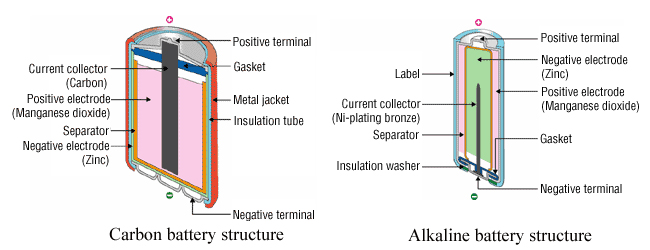
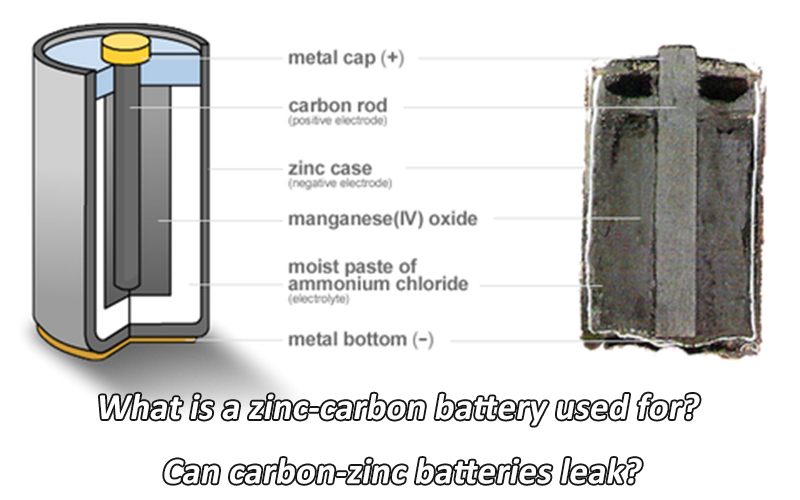
Zinc batteries use zinc as the main metal. The zinc acts as the battery’s negative side. The positive side uses manganese dioxide. The battery contains an electrolyte that helps move electricity. This design is simple and cost-effective. It often comes in a cylindrical shape.
Common Uses
Zinc batteries power low-drain devices well. Examples include remote controls, clocks, and flashlights. They work best in devices that do not need much energy. These batteries are often found in toys and radios. Their affordability makes them popular for everyday use.
Credit: www.tycorun.com
Alkaline Battery Basics
Alkaline batteries are common power sources found in many devices. They are known for their reliability and long shelf life. Understanding their basics helps in choosing the right battery for your needs.
These batteries offer steady power output. They work well in devices that need moderate to high energy. Let’s explore their composition and common uses.
Composition And Design
Alkaline batteries use zinc and manganese dioxide in their core. The zinc acts as the anode, while manganese dioxide is the cathode. The electrolyte is a potassium hydroxide solution, which is alkaline in nature.
The design includes a steel casing that holds all parts together. This casing also serves as the battery’s positive terminal. Inside, a separator keeps the anode and cathode from touching. The battery produces electricity through chemical reactions between these materials.
Common Uses
Alkaline batteries power many household devices. Remote controls, clocks, and flashlights often use them. They also work well in toys and portable radios.
These batteries suit devices with steady energy needs. They last longer than zinc-carbon batteries. Their availability and performance make them a popular choice worldwide.
Performance Comparison
Comparing the performance of zinc batteries and alkaline batteries helps choose the right power source. Both types serve many devices but differ in how they perform. Understanding these differences can save money and improve device life.
Energy Capacity
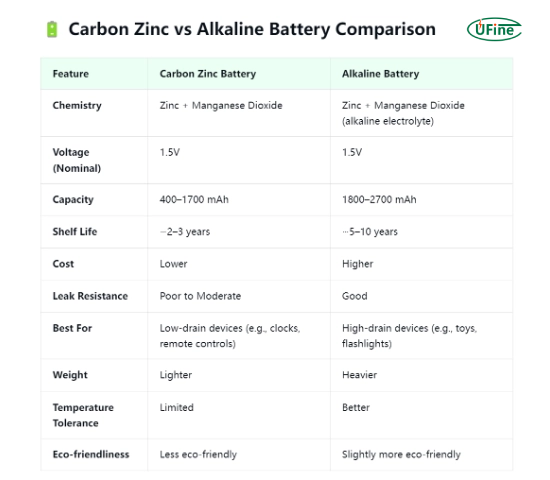
Alkaline batteries usually offer higher energy capacity than zinc batteries. This means alkaline batteries last longer in devices that use a lot of power. Zinc batteries work well in low-drain gadgets but may need frequent replacement in power-hungry tools.
Discharge Rates
Zinc batteries handle low discharge rates better than alkaline. They perform well in devices that drain power slowly, like remote controls. Alkaline batteries can provide higher bursts of power, ideal for cameras or toys that need quick energy.
Shelf Life
Alkaline batteries have a longer shelf life than zinc batteries. They can store power for years without much loss. Zinc batteries tend to lose charge faster over time, making them less ideal for emergency use or backup power.
Credit: www.ufinebattery.com
Cost Analysis
Cost analysis helps decide which battery type fits your budget best. Zinc and alkaline batteries differ in price and value over time. Understanding these differences can save money and avoid frequent replacements.
Both battery types serve different needs. Examining their initial cost and long-term value shows which is more affordable overall.
Initial Purchase Price
Zinc batteries usually cost less upfront. They are cheaper to buy in packs. Alkaline batteries have a higher initial price. This cost reflects their longer shelf life and power capacity. For simple, low-drain devices, zinc batteries can be a budget-friendly choice.
Long-term Value
Alkaline batteries last longer in most devices. This means fewer replacements and less waste. Zinc batteries drain faster, increasing replacement frequency. Over time, alkaline batteries may cost less despite the higher start price. Choosing alkaline batteries saves money in high-use electronics.
Environmental Impact
Understanding the environmental impact of batteries helps us choose better options. Batteries power many devices but affect the planet differently. Zinc and alkaline batteries are common types with distinct environmental footprints. Knowing these differences guides eco-friendly decisions.
Production Footprint
Zinc batteries use fewer toxic materials in production. They require less energy to manufacture than alkaline types. Alkaline batteries contain chemicals like manganese and potassium hydroxide. Extracting these materials can harm land and water. Zinc batteries often have a smaller carbon footprint during production.
Disposal And Recycling
Both battery types need careful disposal to protect the environment. Alkaline batteries are less toxic but still pollute soil and water if thrown away. Zinc batteries contain metals that can be recycled more easily. Recycling programs for both types exist but are not widely used. Proper recycling reduces waste and recovers valuable materials.
Best Applications For Each
Choosing the right battery depends on the device and its power needs. Zinc batteries and alkaline batteries serve different purposes. Each type works best in specific gadgets. Understanding their strengths helps pick the best option.
Low-drain Devices
Zinc batteries work well in devices that use little power. Clocks, remote controls, and flashlights last longer with zinc batteries. They hold a steady charge for a long time. Zinc batteries cost less, making them good for simple devices. These batteries provide enough energy without wasting power.
High-drain Devices
Alkaline batteries suit devices that need a lot of power fast. Digital cameras, toys, and game controllers perform better with alkaline batteries. They deliver strong and steady energy for a longer time. Alkaline batteries handle quick energy use without losing charge quickly. These batteries support gadgets that demand high power efficiently.
Tips To Maximize Battery Life
Maximizing battery life is key to saving money and reducing waste. Knowing how to care for Zinc and Alkaline batteries helps them last longer. Small habits can make a big difference in performance.
Both Zinc and Alkaline batteries perform best under certain conditions. Proper storage and use keep them ready for action. Follow these tips to get the most out of your batteries.
Store Batteries In A Cool, Dry Place
Heat speeds up battery wear. Avoid storing batteries near heaters or in direct sunlight. A cool, dry spot slows down self-discharge and keeps batteries fresh.
Use Batteries Before Expiration
Batteries lose power over time, even unused. Check expiration dates and use older batteries first. Fresh batteries always deliver better energy.
Remove Batteries From Devices Not In Use
Some devices drain batteries slowly, even when off. Take out batteries if devices sit unused for weeks. This prevents leaks and saves battery life.
Match Battery Types And Brands
Mixing different battery types or brands can cause uneven power. Use the same kind and brand in one device. This keeps the device running smoothly.
Turn Off Devices When Not Needed
Switch off gadgets after use. Leaving devices on wastes battery power. This simple step extends battery life significantly.
Use Batteries According To Device Requirements
Check device instructions for battery recommendations. Some devices work better with Alkaline, others with Zinc. Using the right type improves efficiency and lifespan.
Frequently Asked Questions
What Are The Main Differences Between Zinc And Alkaline Batteries?
Zinc batteries use zinc as the anode, while alkaline batteries use zinc with an alkaline electrolyte. Alkaline batteries typically last longer and provide more consistent power than zinc batteries.
Which Battery Type Is Better For High-drain Devices?
Alkaline batteries are better for high-drain devices. They deliver higher energy output and maintain voltage longer than zinc batteries.
Are Zinc Batteries More Environmentally Friendly Than Alkaline?
Zinc batteries are often considered more eco-friendly due to simpler chemistry and easier recycling. However, both types have environmental impacts when disposed of improperly.
Can Alkaline Batteries Replace Zinc Batteries In All Devices?
Yes, alkaline batteries can generally replace zinc batteries in most devices. They offer better performance and longer life, making them a suitable upgrade.
Conclusion
Zinc and alkaline batteries each have their own strengths and uses. Zinc batteries often cost less and work well for low-drain devices. Alkaline batteries last longer and suit high-drain gadgets better. Choosing the right battery depends on your needs and budget.
Think about how long you want the battery to last and what device you use. Both types remain popular and useful in everyday life. Simple choices lead to better battery performance and satisfaction.