Zinc Chloride Vs Alkaline Battery: Which Lasts Longer?
Are you confused about which battery to choose for your gadgets—Zinc Chloride or Alkaline? Picking the right battery can save you money, boost your device’s performance, and avoid frustrating power failures.
You’ll discover the key differences between Zinc Chloride and Alkaline batteries. By the end, you’ll know exactly which one fits your needs best. Keep reading to make smarter, longer-lasting battery choices for your everyday devices.
Credit: psiberg.com
Zinc Chloride Battery Basics
Zinc chloride batteries are common types of dry cell batteries. They are often used in small devices that need low power. These batteries are less expensive than alkaline batteries. They provide reliable energy for short-term use. Understanding their basics helps in choosing the right battery for your needs.
Composition And Design
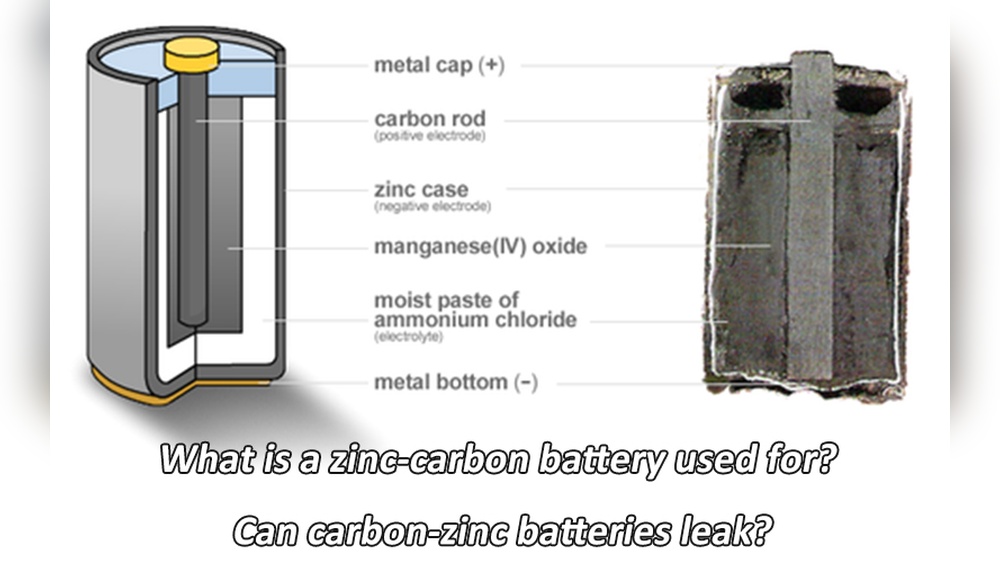
Zinc chloride batteries use a zinc anode and a carbon cathode. The electrolyte is a paste made of zinc chloride. This design is simple and cost-effective. The battery casing is usually made of steel. It helps keep the chemicals inside safe and sealed.
Typical Uses
These batteries power small electronics like remote controls, flashlights, and clocks. They work well in devices that do not need much energy. Zinc chloride batteries are common in toys and small radios. Their low cost makes them popular for everyday household items.
Performance Characteristics
Zinc chloride batteries have a shorter life than alkaline batteries. They perform best in low-drain devices. These batteries lose power faster under heavy use. Their voltage is usually around 1.5 volts. Zinc chloride batteries are less efficient but affordable for many users.

Credit: www.micropower-battery.com
Alkaline Battery Basics
Alkaline batteries are a common power source for many devices. They offer reliable energy and last longer than some other types. Understanding their basics helps in choosing the right battery for your needs.
Composition And Design
Alkaline batteries contain zinc and manganese dioxide. The electrolyte is usually potassium hydroxide. This mix helps produce electricity efficiently. The battery has a cylindrical shape with a metal casing. This design protects the chemicals inside.
Common Applications
Alkaline batteries power remote controls, flashlights, and toys. They also work in clocks and portable radios. Many small electronic devices use alkaline batteries. Their wide availability makes them easy to replace.
Performance Characteristics
Alkaline batteries provide steady voltage for a long time. They perform well in moderate and low-drain devices. These batteries have a shelf life of several years. They handle temperature changes better than some types.
Comparing Battery Lifespan
Battery lifespan plays a key role in choosing between zinc chloride and alkaline batteries. It affects how long a device works before the battery runs out. Understanding lifespan helps users pick the right battery for their needs.
Both battery types have strengths and weaknesses in how long they last. Their lifespan depends on many things, including how they are used and stored.
Factors Affecting Longevity
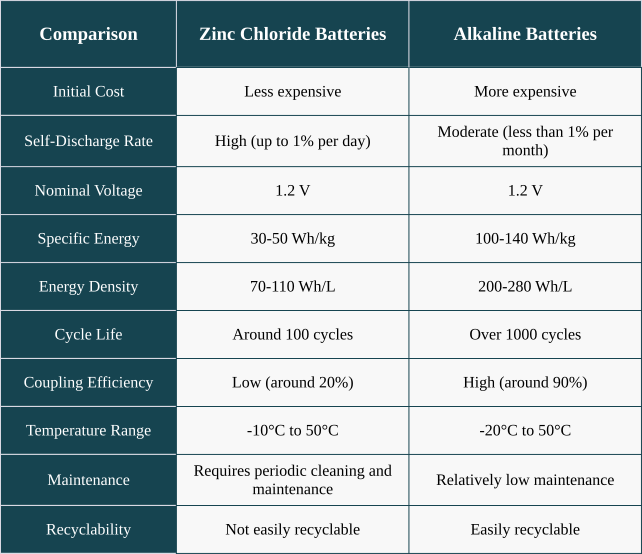
Battery lifespan depends on device power needs. High-drain devices use more energy fast. Alkaline batteries last longer in these devices. Zinc chloride batteries work better in low-drain devices.
Temperature also matters. High heat can reduce battery life. Cold can lower performance but not always lifespan. How often a battery is used affects its life too.
Real-world Usage Scenarios
For remote controls and clocks, zinc chloride batteries can last enough time. These devices need low energy. Flashlights and cameras need more power. Alkaline batteries perform better here and last longer.
In toys and portable radios, alkaline batteries often give longer use. Zinc chloride batteries may drain quickly in these cases.
Shelf Life Differences
Alkaline batteries keep their charge longer on the shelf. They can last up to 5-7 years unused. Zinc chloride batteries usually last about 2-3 years before losing power.
This means alkaline batteries are better for emergency kits or backup power. Zinc chloride batteries may lose charge faster if stored long time.
Credit: www.zscells.com
Cost And Availability
Cost and availability are key factors when choosing between zinc chloride and alkaline batteries. These factors affect your budget and convenience. Both battery types serve different needs and budgets. Understanding their price and availability helps you make a smart choice.
Price Differences
Zinc chloride batteries usually cost less than alkaline ones. They are cheaper to produce because of simpler materials. Alkaline batteries have better energy and last longer. This makes them more expensive but cost-effective over time. The initial price difference can be noticeable in large purchases.
Market Availability
Alkaline batteries are widely available in many stores worldwide. They come in various sizes and brands. Zinc chloride batteries are less common and found mostly in small shops. Some regions may not stock zinc chloride batteries regularly. Alkaline batteries dominate the market due to higher demand.
Value For Money
Alkaline batteries offer more power for longer periods. This means fewer replacements and less waste. Zinc chloride batteries suit low-drain devices like clocks or remotes. They save money upfront but may cost more in the long run. Choosing depends on how often and where you use them.
Environmental Impact
The environmental impact of batteries is an important topic today. Zinc chloride and alkaline batteries affect nature in different ways. Understanding their impact helps us make better choices for the planet. Waste, chemicals, and resource use all play roles in their environmental footprints.
Disposal And Recycling
Zinc chloride batteries often contain more harmful chemicals. They need careful disposal to avoid soil and water pollution. Recycling options for these batteries are limited in many areas. Alkaline batteries are easier to recycle and dispose of safely. Many recycling centers accept alkaline batteries for processing. Proper disposal reduces damage to the environment from battery waste.
Toxicity Concerns
Zinc chloride batteries contain toxic metals that can leak. These metals harm animals and plants if released into nature. Alkaline batteries have fewer toxic elements, but they still pose risks if broken. Both battery types can cause contamination if not handled correctly. Keeping batteries intact and disposing of them properly helps reduce toxicity.
Sustainability Considerations
Alkaline batteries are often more sustainable due to longer life spans. They also use materials that are easier to recycle and reuse. Zinc chloride batteries have a shorter life and use more harmful substances. Sustainable battery use means choosing options that last longer and recycle better. Supporting recycling programs helps conserve resources and protect nature.
Choosing The Right Battery
Choosing the right battery is important for your devices. The type of battery affects how well and how long your device works. Zinc chloride and alkaline batteries are common types. Each has benefits and fits different needs. Understanding these differences helps you pick the best option.
Device Compatibility
Some devices work better with certain batteries. Zinc chloride batteries suit low-drain devices like remote controls. Alkaline batteries fit high-drain devices such as digital cameras. Check your device manual for battery recommendations. Using the wrong battery can reduce performance or cause leaks.
Power Requirements
Power needs vary by device type and use. Alkaline batteries provide more energy and last longer. Zinc chloride batteries cost less but drain faster. For short-term use, zinc chloride is enough. For long-term or heavy use, alkaline is better.
User Preferences
Cost and availability influence user choices. Zinc chloride batteries are cheaper and easier to find. Some users prefer alkaline for longer life despite higher cost. Environmental concerns also matter. Alkaline batteries often have better recycling options.
Frequently Asked Questions
What Are The Main Differences Between Zinc Chloride And Alkaline Batteries?
Zinc chloride batteries use a zinc anode and a chloride-based electrolyte. Alkaline batteries have a zinc anode with alkaline potassium hydroxide electrolyte. Alkaline batteries generally provide longer life and better performance than zinc chloride ones.
Which Battery Lasts Longer: Zinc Chloride Or Alkaline?
Alkaline batteries last significantly longer than zinc chloride batteries. They have higher energy density and sustain voltage better under load. Zinc chloride batteries are more suitable for low-drain devices due to their shorter lifespan.
Are Zinc Chloride Batteries Cheaper Than Alkaline Batteries?
Yes, zinc chloride batteries are typically cheaper to produce and purchase. However, their shorter lifespan often leads to more frequent replacements. Alkaline batteries cost more upfront but offer better value over time.
Can Alkaline Batteries Replace Zinc Chloride Batteries In Devices?
In most cases, alkaline batteries can replace zinc chloride batteries safely. They provide improved performance and longer life. However, check device compatibility to avoid any potential damage or warranty issues.
Conclusion
Zinc chloride and alkaline batteries serve different needs. Zinc chloride batteries cost less but last shorter. Alkaline batteries offer longer life and better power. Choosing depends on your device and usage. For simple tools, zinc chloride works fine. For electronics needing more energy, alkaline is best.
Both types have pros and cons. Knowing these helps you pick the right battery. Save money and avoid frustration with the right choice. Batteries matter more than you might think.