18350 Battery Vs Cr123: Ultimate Comparison for Power & Performance
Choosing the right battery can be confusing, especially when you see names like 18350 and CR123. You might wonder which one fits your device better, lasts longer, or charges faster.
This decision affects how well your gadgets perform and how often you need to replace their power source. By the end of this article, you’ll clearly understand the key differences between 18350 and CR123 batteries. This knowledge will help you make the best choice for your needs, saving you time, money, and frustration.
Keep reading to unlock the secrets behind these two popular batteries and find out which one is right for you.
Battery Basics
Batteries power many devices in daily life. Choosing the right battery affects device performance and lifespan. Two popular types are the 18350 and CR123 batteries. Understanding their basics helps in making the right choice.
Size And Shape
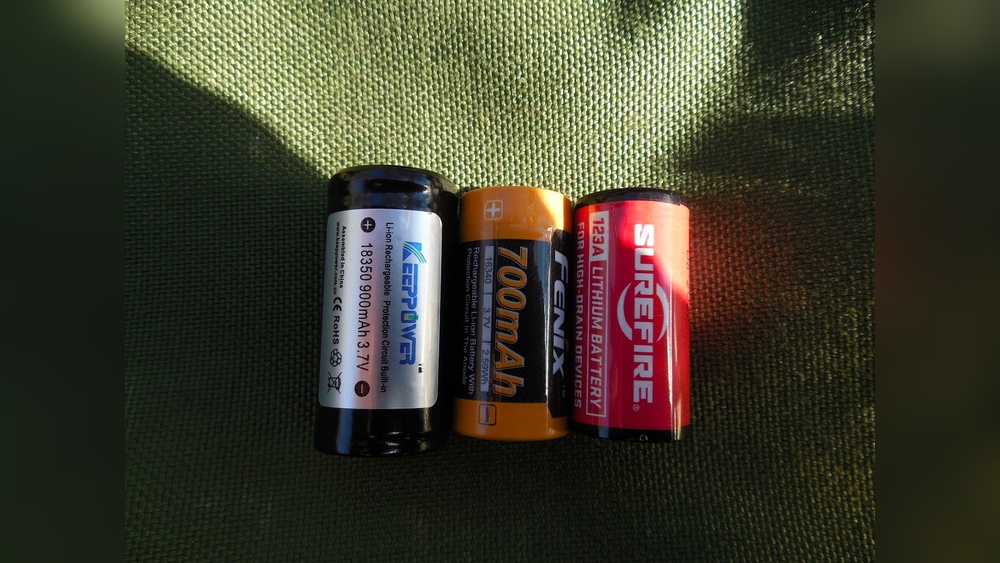
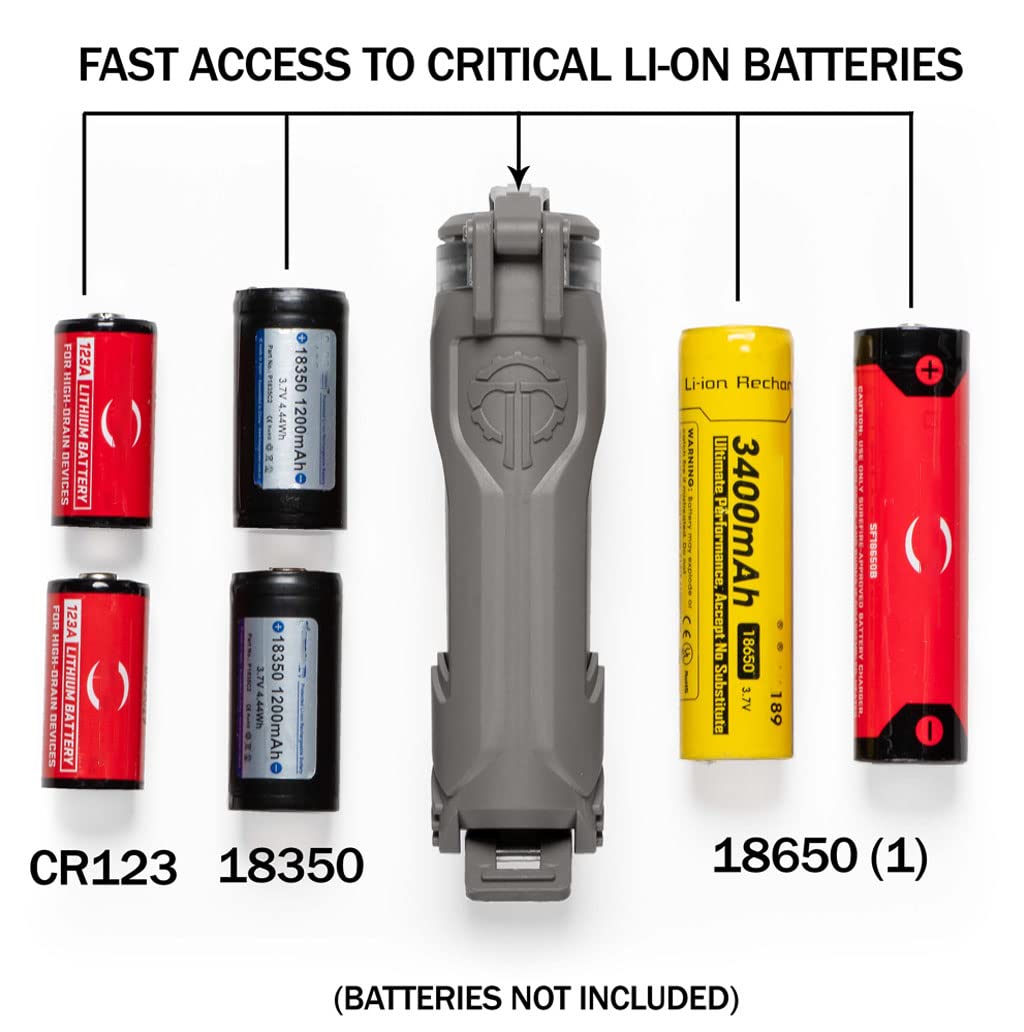
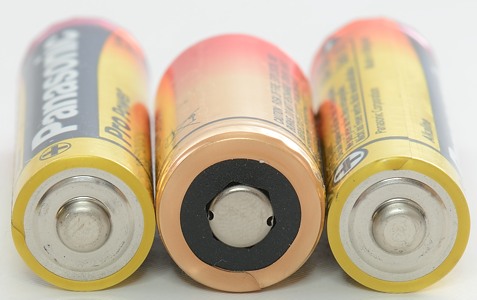
The 18350 battery is cylindrical and compact. It measures about 18mm in diameter and 35mm in length. The CR123 battery is also cylindrical but shorter and thicker. It measures about 17mm in diameter and 34mm in length. Size differences affect compatibility with devices.
Chemical Composition
18350 batteries usually use lithium-ion chemistry. This provides rechargeable power and longer use. CR123 batteries often use lithium metal chemistry. They are generally non-rechargeable and have a stable power output. Chemistry influences battery safety and recharging ability.
Voltage And Capacity
The 18350 battery typically has a voltage of 3.7 volts. Its capacity ranges from 600 to 1200 mAh, depending on the model. CR123 batteries have a standard voltage of 3 volts. Their capacity usually ranges from 1400 to 1600 mAh. Voltage and capacity affect how long the battery lasts and how much power it can provide.
Power Output
Power output is a key factor when choosing between 18350 batteries and CR123 batteries. It defines how much energy the battery can provide to devices. This affects the device’s performance and how long it runs. Understanding power output helps pick the right battery for your needs.
Discharge Rates
Discharge rate shows how fast a battery can release energy. 18350 batteries usually have higher discharge rates than CR123 cells. This means 18350 batteries can supply power quicker. Fast discharge is important for devices that need a strong burst of energy.
Current Delivery
Current delivery is the amount of electric current a battery can provide safely. 18350 batteries often deliver higher current than CR123 batteries. This allows them to power high-drain devices better. CR123 batteries provide steady current but at lower levels.
Performance In Devices
18350 batteries work well in devices needing high power quickly. Flashlights and vape pens benefit from their strong output. CR123 batteries suit devices with moderate power needs. They last longer in low-drain gadgets like cameras and sensors.
Battery Life And Longevity
Battery life and longevity play a major role in choosing the right power source. Both 18350 and CR123 batteries offer different strengths. Understanding how long they last and how well they hold charge helps make a better choice.
Let’s explore key factors like charge cycles, self-discharge rates, and shelf life. These affect how often you replace or recharge your batteries.
Charge Cycles
Charge cycles refer to how many times a battery can be charged and discharged. The 18350 is a rechargeable lithium-ion battery. It can last for hundreds of charge cycles before its capacity drops significantly.
CR123 batteries are mostly non-rechargeable lithium batteries. They do not have charge cycles like rechargeable cells. For devices needing many charges, 18350 batteries tend to be more cost-effective over time.
Self-discharge Rates
Self-discharge means a battery loses energy even when not in use. The 18350 battery has a low self-discharge rate. It can hold charge for several months without much loss.
CR123 batteries also have a low self-discharge rate. They are designed to keep power for a long time in storage. This makes CR123 good for emergency or backup devices.
Shelf Life
Shelf life is the time a battery can stay unused before it loses capacity. CR123 batteries usually have a longer shelf life. They can last up to 10 years on the shelf.
18350 batteries have a shorter shelf life, typically around 3 to 5 years. This is because they are rechargeable and have more complex chemistry.
Safety Considerations
Safety is the most important factor when choosing between 18350 batteries and CR123 batteries. Both types have risks if not handled properly. Understanding their safety features helps prevent accidents and damage.
Thermal Stability
Thermal stability means how well a battery handles heat. CR123 batteries usually have better thermal stability. They can work safely in higher temperatures. The 18350 batteries can get hot quickly if overloaded. Avoid using 18350 batteries in hot devices or places.
Short Circuit Risks
Short circuits happen when battery terminals connect directly. This causes a sudden flow of electricity. Both 18350 and CR123 batteries can short circuit. 18350 batteries have a higher risk due to their size. Always keep batteries away from metal objects like keys or coins.
Handling Precautions
Handle batteries with care. Do not drop or crush them. Store batteries in a cool, dry place. Use the correct charger for each battery type. Never mix old and new batteries. Check batteries for damage before use. Damaged batteries must be discarded safely.
Compatibility And Usage
Choosing the right battery depends on where and how you use it. Both 18350 and CR123 batteries have specific roles. Knowing their compatibility helps you make the right choice for your device.
Common Devices
CR123 batteries are popular in cameras, flashlights, and security systems. They power devices that need a strong and steady current. The 18350 battery fits smaller gadgets like compact flashlights and some vape pens. Each battery type works best in certain tools.
Adaptability
CR123 batteries often have a wider voltage range. This makes them good for devices needing consistent power. The 18350 battery is rechargeable, adding convenience. It suits devices where frequent battery change is not ideal. Their power delivery suits different needs well.
Size Constraints
Size is a major factor in battery choice. CR123 batteries are bigger and thicker. They fit devices with more space inside. The 18350 is shorter and slimmer. It fits into tight spaces where bigger batteries won’t fit. Always check your device’s battery compartment size first.
Credit: www.amazon.de
Cost And Availability
Cost and availability play a big role in choosing between 18350 batteries and CR123 batteries. Both types serve different needs, but price and how easy they are to find can affect your choice. Understanding these factors helps you pick the right battery for your device and budget.
Price Comparison
18350 batteries usually cost more than CR123 batteries. This is because 18350 batteries are rechargeable and have higher capacity. CR123 batteries are often single-use, which lowers their price per unit. Over time, 18350 batteries may save money due to recharging. CR123 batteries require regular replacement, which can add up.
Market Availability
CR123 batteries are widely available in many stores. Most convenience and electronics shops stock CR123 batteries. 18350 batteries are less common. They are mostly found in specialty shops or online. This can make it harder to get 18350 batteries quickly. Planning ahead helps if you choose 18350 batteries.
Brand Options
Many brands make CR123 batteries. This variety offers different price points and quality levels. Popular brands include Energizer, Duracell, and Panasonic. 18350 batteries have fewer brand choices. Trusted brands for 18350 include Sony, Olight, and Keeppower. Choosing well-known brands ensures safety and performance.
Environmental Impact
Batteries like the 18350 and CR123 are common power sources. Their environmental impact depends on how we handle them. Both types contain materials that can harm nature if not managed properly. Understanding their recycling, disposal, and sustainability helps reduce this harm.
Recycling Options
Recycling batteries recovers valuable metals. The 18350 battery, often lithium-ion, has specific recycling processes. CR123 batteries, usually lithium primary, also have recycling pathways. Many centers accept both types. Proper recycling keeps toxic metals out of landfills.
Disposal Concerns
Throwing batteries in trash risks soil and water pollution. The 18350 battery can leak harmful chemicals if damaged. CR123 batteries also pose risks if not disposed correctly. Both require special handling to prevent environmental damage. Local rules often ban regular trash disposal.
Sustainability
Choosing rechargeable 18350 batteries supports sustainability. They reduce waste by lasting many charge cycles. CR123 batteries are mostly single-use but some rechargeable versions exist. Using rechargeable batteries lowers demand for new resources. Sustainable choices protect the environment and save money.

Credit: urbanedc.com
Choosing The Right Battery
Choosing the right battery is important for your device’s performance and life. Different batteries suit different needs. The 18350 and CR123 are popular choices but differ in many ways. Understanding your needs helps you pick the best one.
Consider what your device requires most. This will guide your choice between these two batteries.
Application Needs
Think about what device you use the battery for. Flashlights, cameras, and vape pens may need different power levels. The 18350 is smaller and fits compact devices. The CR123 is larger and suits high-power tools. Match the battery size to your device’s slot.
Performance Priorities
Decide what matters more: battery life or power output. The CR123 usually offers longer life and more power. The 18350 provides less power but is lighter and smaller. Choose the battery that matches how long and how strong your device must run.
Budget Considerations
Check the cost of each battery type. The 18350 tends to be cheaper but may need replacing sooner. CR123 batteries cost more but last longer. Balance your budget with how often you want to buy replacements.
Credit: lygte-info.dk
Frequently Asked Questions
What Is The Main Difference Between 18350 And Cr123 Batteries?
The 18350 is a rechargeable lithium-ion battery, while the CR123 is a non-rechargeable lithium primary battery. 18350 has lower voltage but higher rechargeability, whereas CR123 offers higher voltage and longer shelf life, ideal for different device needs.
Which Battery Lasts Longer, 18350 Or Cr123?
CR123 batteries generally last longer in single-use due to higher capacity and stable voltage output. 18350 batteries can be recharged multiple times, offering longer overall use if recharged properly, but their per-charge duration is shorter than CR123.
Are 18350 And Cr123 Interchangeable In Devices?
No, 18350 and CR123 batteries differ in size and voltage. Using the wrong battery can damage your device or reduce performance. Always check device specifications before swapping between these two battery types.
Which Battery Is Safer For High-drain Devices?
18350 batteries, being rechargeable lithium-ion, handle high-drain devices well but require protection circuits. CR123 batteries are safer for moderate drain and have built-in safety features but can’t be recharged. Choose based on device power demands and safety needs.
Conclusion
Choosing between the 18350 battery and CR123 depends on your needs. The 18350 offers rechargeable use and longer life. The CR123 is known for reliability and easy replacement. Both have good power but suit different devices. Think about cost, device type, and how often you use it.
This helps pick the best battery for you. Simple and clear choices save time and money. Decide what matters most and choose wisely.