18650 Battery Vs 26650 Battery: Ultimate Power & Performance Showdown
Are you trying to choose the right battery for your device but feel confused by all the numbers and specs? When it comes to powerful rechargeable batteries, 18650 and 26650 are two popular options you’ve probably come across.
But which one really fits your needs? Understanding the key differences between these batteries can save you time, money, and frustration. Keep reading, and you’ll discover which battery will give your gadgets the power and performance you want.
Credit: forum.planetofthevapes.co.uk
Battery Size And Dimensions
Battery size and dimensions play a big role in choosing between the 18650 and 26650 batteries. Size affects power storage, weight, and device fit. Understanding these differences helps pick the right battery for each device.
Physical Differences
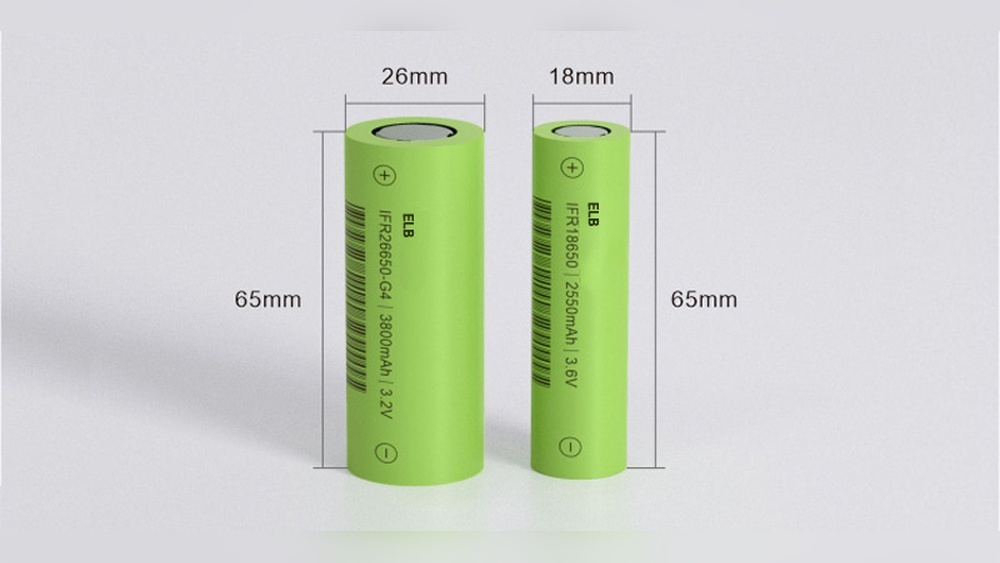
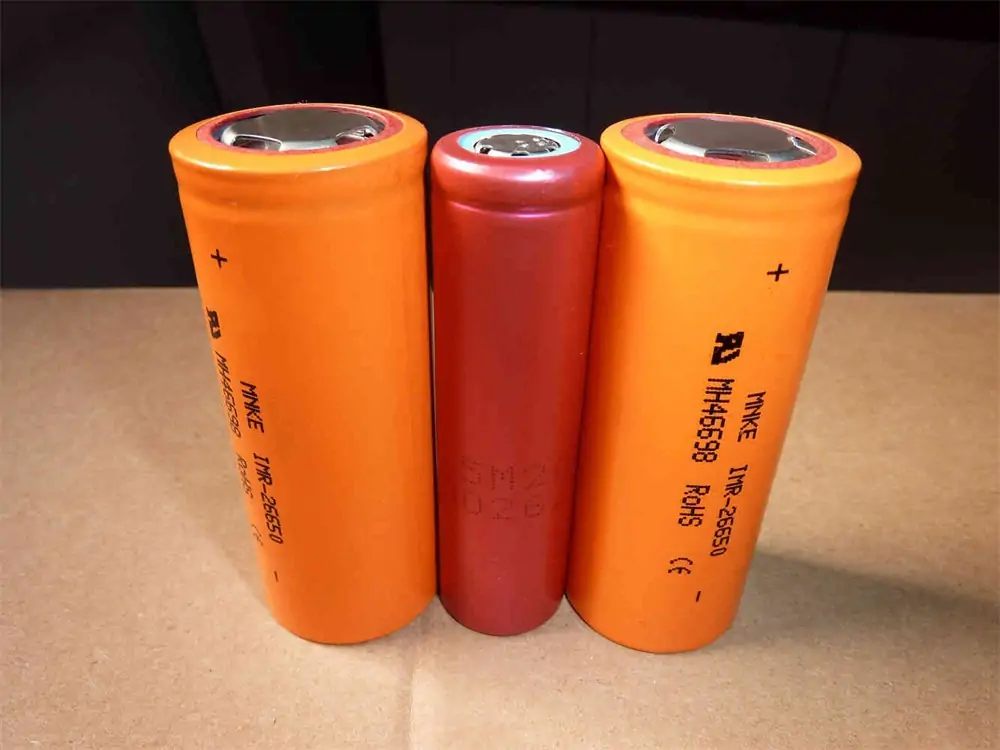
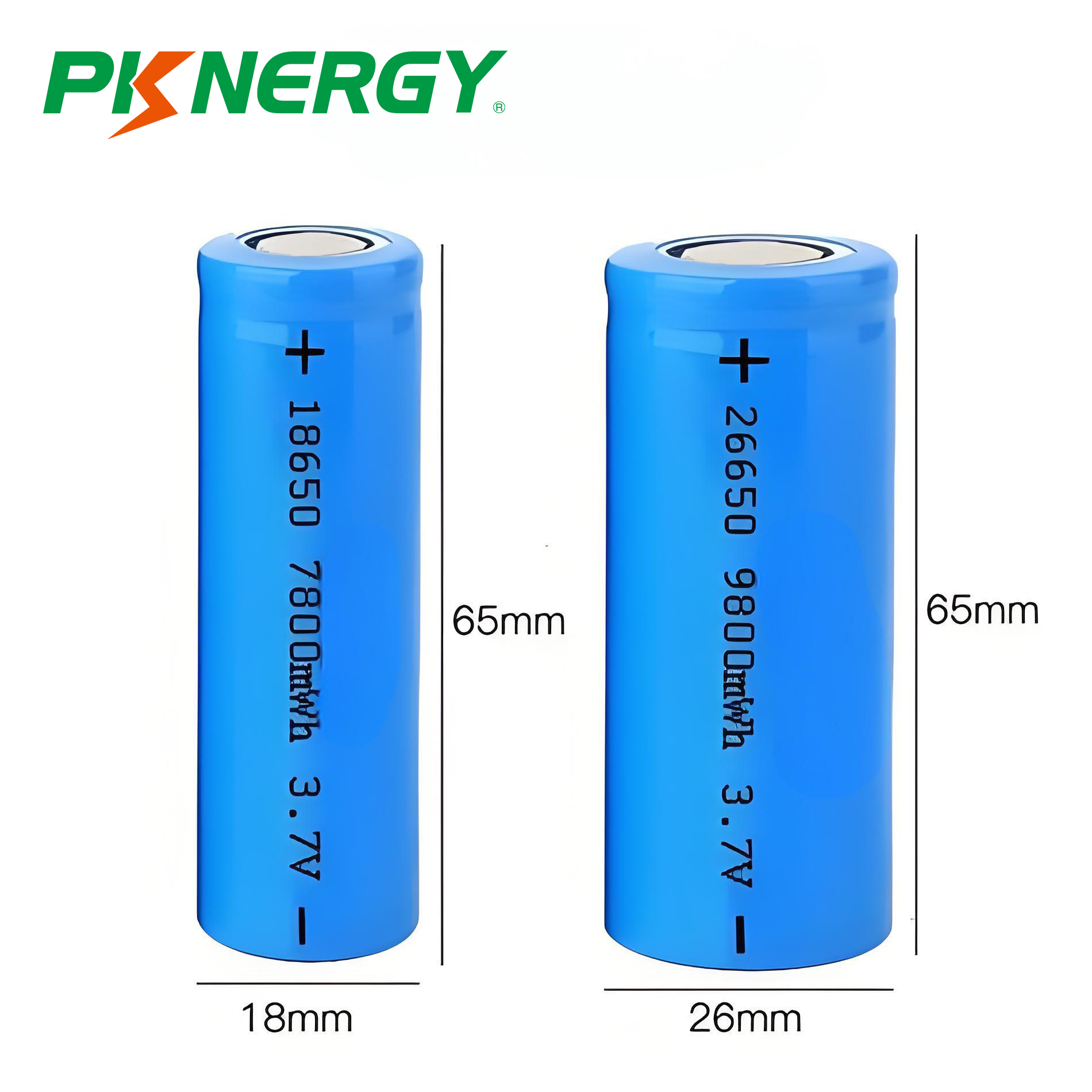
The 18650 battery measures about 18mm in diameter and 65mm in length. The 26650 battery is larger, with a diameter of 26mm and length of 65mm. This makes the 26650 thicker but the same length. The larger size of the 26650 means it can hold more energy. The 18650 is slimmer and lighter, fitting smaller spaces easily. Size affects how much power each battery can deliver.
Impact On Device Compatibility
Device designs limit what battery size can fit inside. Many devices accept 18650 batteries due to their compact size. Devices needing more power might use the larger 26650 batteries. Using the wrong size battery can cause problems or damage. Always check device specifications before choosing a battery. Size differences mean 26650 batteries often do not fit in devices built for 18650 batteries.
Credit: www.evlithium.com
Capacity And Energy Storage
Capacity and energy storage are key factors for choosing between 18650 and 26650 batteries. These features determine how long a battery lasts and how much power it can deliver. Understanding these aspects helps pick the right battery for devices like flashlights, e-cigarettes, and power tools.
Typical Mah Ratings
18650 batteries usually have capacities between 1800mAh and 3500mAh. This range suits many everyday devices. The 26650 batteries are larger and hold more charge, often between 4000mAh and 6000mAh. This means 26650 batteries store more energy due to their bigger size.
The difference in size directly affects the mAh rating. A higher mAh means longer use before recharging. Smaller batteries like 18650s fit compact devices but offer less capacity. Bigger 26650s fit devices needing more power and longer run times.
Battery Life Comparison
Battery life depends on capacity and device power needs. A 26650 battery lasts longer in high-drain devices because of its higher mAh rating. For example, a flashlight with a 26650 battery runs longer than one with an 18650.
On the other hand, 18650 batteries recharge faster due to smaller capacity. They suit devices with moderate power use. Choosing between the two depends on how long the battery must last during use.
Discharge Rates And Performance
Discharge rates and performance are key factors in choosing between 18650 and 26650 batteries. These rates affect how much power the battery can deliver over time. They also impact battery life and device efficiency. Understanding these points helps you pick the right battery for your needs.
Continuous Discharge Current
Continuous discharge current shows how much current a battery can provide steadily. The 18650 battery usually offers 10 to 20 amps. The 26650 battery often supports higher currents, from 15 to 30 amps. This makes the 26650 better for devices needing more power for longer periods.
Higher continuous discharge current means the battery can run heavy devices without overheating. It also means less voltage drop during use. The 26650’s larger size helps it handle more current safely than the 18650.
Pulse Discharge Capability
Pulse discharge capability measures how well a battery handles short bursts of high current. The 18650 can manage quick pulses but has limits around 30 amps. The 26650 excels here, often handling pulses over 40 amps.
This makes the 26650 ideal for tools or gadgets that need sudden power boosts. The bigger battery size allows better heat dissipation during pulses. The 18650 may struggle under repeated high pulses, reducing its lifespan.
Charging Characteristics
Charging characteristics play a key role in choosing between 18650 and 26650 batteries. These batteries differ in size and capacity, which affects how they charge. Understanding their charging behavior helps in getting the best performance and lifespan.
Charging Speed
18650 batteries usually charge faster than 26650 batteries. This is because 18650 cells have lower capacity, so they fill up quicker. The 26650 batteries hold more energy, so charging takes longer. Charging speed depends on the charger’s power and battery capacity. Fast charging can heat the battery, which might reduce its life.
Recommended Chargers
Use chargers that match the battery size and type. For 18650 batteries, small and compact chargers are common. They often have a lower current output suited for this battery. Chargers for 26650 batteries provide higher current for the bigger cells. Smart chargers with safety features protect the battery during charging. Always pick chargers that follow the battery’s recommended voltage and current limits.
Durability And Lifespan
Durability and lifespan are key factors for choosing between 18650 and 26650 batteries. Both types serve different needs but vary in how long they last and how tough they are. Understanding these differences helps in picking the right battery for your devices.
Cycle Life
Cycle life means how many times a battery can charge and discharge fully. The 18650 battery usually offers about 300 to 500 cycles. The 26650 battery can last longer, often reaching 500 to 700 cycles. More cycles mean the battery stays useful for a longer time.
Both batteries lose capacity after many cycles. But 26650 batteries degrade slower, making them better for frequent use.
Temperature Tolerance
Temperature affects battery performance and lifespan. The 18650 battery works well in temperatures from -20°C to 60°C. The 26650 battery handles heat better and can operate up to 70°C safely.
High temperatures can reduce battery life quickly. The 26650’s better heat resistance helps it last longer in hot conditions. For cold weather, both batteries perform similarly but may lose some power temporarily.
Safety Features
Safety is crucial when choosing between 18650 and 26650 batteries. Both types have features designed to prevent accidents. Understanding these features helps users handle batteries with care and confidence.
Battery safety depends on design and user practices. Both 18650 and 26650 cells can be safe if used properly. Let’s explore their built-in protections and common risks.
Built-in Protections
Many 18650 and 26650 batteries include built-in safety features. These features stop overcharging, overheating, and short circuits. Protection circuits cut power if the battery gets too hot. This prevents damage and fire hazards.
Both battery types often have a safety vent. The vent releases pressure if the battery swells. This avoids explosions or ruptures. Quality batteries also have a strong casing to prevent physical damage.
Common Risks
Improper use can cause battery problems. Overcharging or using wrong chargers may lead to overheating. Physical damage like dents or punctures can cause short circuits. These risks apply to both 18650 and 26650 batteries.
Always avoid mixing old and new batteries. Never expose batteries to water or extreme heat. Proper storage and handling reduce the chance of accidents. Users must respect battery limits to stay safe.
Cost And Availability
Cost and availability are key factors when choosing between 18650 and 26650 batteries. These aspects affect your budget and how easy it is to find the right battery. Understanding the price differences and market presence helps make a smart choice.
Price Comparison
18650 batteries usually cost less than 26650 batteries. This is because 18650 cells are smaller and more common. They are made in large quantities, which lowers the price.
26650 batteries are bigger and have more power. This makes them more expensive to produce. You will pay more for a 26650 battery, but you get longer run time.
Market Availability
18650 batteries are widely available in many stores and online shops. They are popular in many devices like laptops and flashlights. This makes them easier to find and buy.
26650 batteries are less common but still available. They are mostly used in high-power devices and special equipment. Finding 26650 batteries may take more time and effort.
Best Use Cases
Choosing the right battery depends on the device and its power needs. Both 18650 and 26650 batteries offer strong performance. They suit different gadgets and tasks. Understanding their best use cases helps pick the right one.
Applications For 18650
18650 batteries are popular in many small devices. They fit well in laptops and flashlights. These batteries power electric bikes and vape devices too. Their compact size works for portable gadgets. They also serve in power banks for charging phones.
Applications For 26650
26650 batteries handle higher power and last longer. They fit bigger flashlights that need strong light. These batteries suit electric tools like drills. People use them in solar lights and camping gear. Their large size makes them great for heavy-duty use.
Environmental Impact
Batteries have a clear impact on the environment. Both 18650 and 26650 batteries need careful handling. Their production and disposal affect natural resources and waste. Understanding their environmental impact helps users make better choices.
Recycling Options
Both 18650 and 26650 batteries can be recycled. Recycling recovers valuable metals like lithium, cobalt, and nickel. Proper recycling stops harmful chemicals from polluting soil and water. Many local centers accept used batteries for recycling. Always check for nearby recycling programs. Avoid throwing batteries in regular trash bins.
Sustainability Considerations
18650 batteries are smaller and lighter. They require fewer raw materials per unit. 26650 batteries are bigger and last longer in devices. This means fewer replacements over time. Using batteries with longer life reduces waste. Choosing batteries with sustainable materials supports the environment. Look for brands that follow eco-friendly practices.
Credit: www.pknergy.com
Frequently Asked Questions
What Are The Main Differences Between 18650 And 26650 Batteries?
18650 batteries are smaller with 18mm diameter, while 26650 batteries are larger at 26mm. The 26650 offers higher capacity and longer run time but is heavier and bulkier than 18650 cells.
Which Battery Lasts Longer: 18650 Or 26650?
26650 batteries generally last longer due to their larger capacity. They store more energy, making them ideal for high-drain devices needing extended use compared to 18650 cells.
Can 18650 Batteries Replace 26650 Batteries?
18650 batteries cannot directly replace 26650 batteries because of size and capacity differences. Devices designed for 26650 may not fit or perform well with smaller 18650 cells.
Are 26650 Batteries Better For High-drain Devices?
Yes, 26650 batteries handle high-drain applications better due to larger size and capacity. They provide longer power delivery for devices like flashlights and power tools.
Conclusion
Choosing between 18650 and 26650 batteries depends on your needs. The 18650 is smaller and lighter, ideal for compact devices. The 26650 offers more power and longer run time. Think about your device size and how long you want it to last.
Both batteries have good uses. Pick the one that fits your device and usage best. This helps you get the best performance and value. Simple choices make a big difference.