Carbon Battery Vs Alkaline: Which Battery Lasts Longer?
When you reach for a battery, do you ever wonder which type will last longer or work better for your device? Choosing between carbon and alkaline batteries might seem simple, but the difference can affect your gadgets, your wallet, and even the environment.
If you want to make smarter choices and get the most out of your batteries, understanding how these two types stack up is key. Keep reading, and you’ll discover everything you need to know to pick the right battery every time.
Battery Basics
Batteries power many devices we use every day. Understanding their basics helps to choose the right one. Carbon and alkaline batteries are common types. Each has a unique build and way of working. Learning about these differences can guide better choices for your devices.
Both battery types store energy but use different materials. These differences affect their performance and lifespan. Let’s explore what makes each battery special.
Carbon Battery Composition
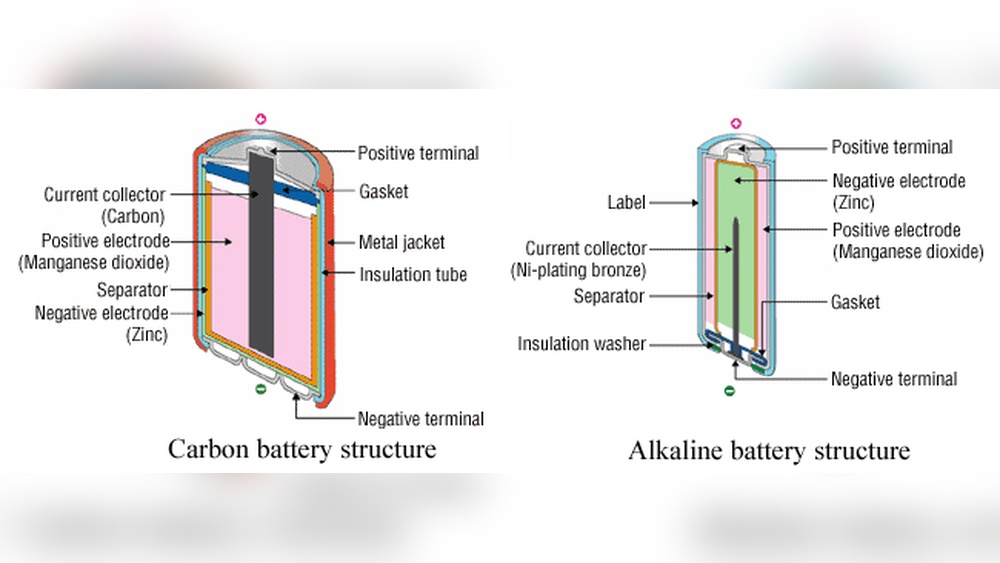
Carbon batteries use a mix of zinc and carbon materials. The main parts include a zinc container and a carbon rod. Inside, there is a paste made of manganese dioxide and carbon powder. This paste helps the battery create power. The zinc serves as the negative part, while the carbon rod is the positive side.
Alkaline Battery Composition
Alkaline batteries use zinc and manganese dioxide too. But the difference lies in the electrolyte used. Alkaline batteries use a basic, or alkaline, solution. This makes them last longer than carbon batteries. Their zinc is powdered and mixed with the electrolyte. The outer case is steel, which holds everything tightly.
How Each Battery Works
Both batteries produce power through chemical reactions. In carbon batteries, zinc reacts with the manganese dioxide paste. This reaction creates an electric current. Alkaline batteries work similarly but with a stronger reaction. Their alkaline solution improves the flow of ions. This gives alkaline batteries more energy and longer life.
Credit: www.tycorun.com
Performance Factors
Performance factors play a big role in choosing between carbon and alkaline batteries. These factors affect how long the battery lasts and how well it works in different devices. Understanding these points helps pick the right battery for your needs.
Energy Capacity
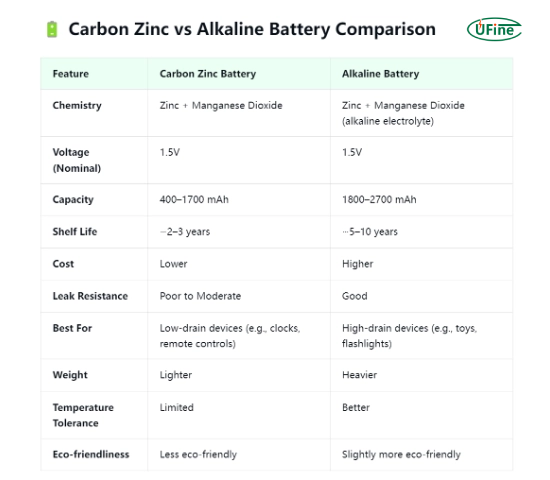
Energy capacity shows how much power a battery can hold. Alkaline batteries have higher energy capacity than carbon ones. This means alkaline batteries last longer in devices. Carbon batteries are better for low-power tools that do not need much energy.
Discharge Rates
Discharge rate is how fast a battery loses power during use. Carbon batteries discharge faster than alkaline batteries. Fast discharge means shorter battery life for carbon cells. Alkaline batteries keep their power for a longer time, even with heavy use.
Temperature Effects
Temperature affects battery performance a lot. Alkaline batteries work better in cold and hot conditions. Carbon batteries lose power quickly in extreme temperatures. For outdoor use, alkaline batteries are usually more reliable.
Battery Lifespan
Battery lifespan is a key factor when choosing between carbon and alkaline batteries. It tells how long a battery will last before it needs replacement. Different types of batteries offer various levels of performance depending on use. Understanding lifespan helps pick the right battery for your needs.
Usage Scenarios
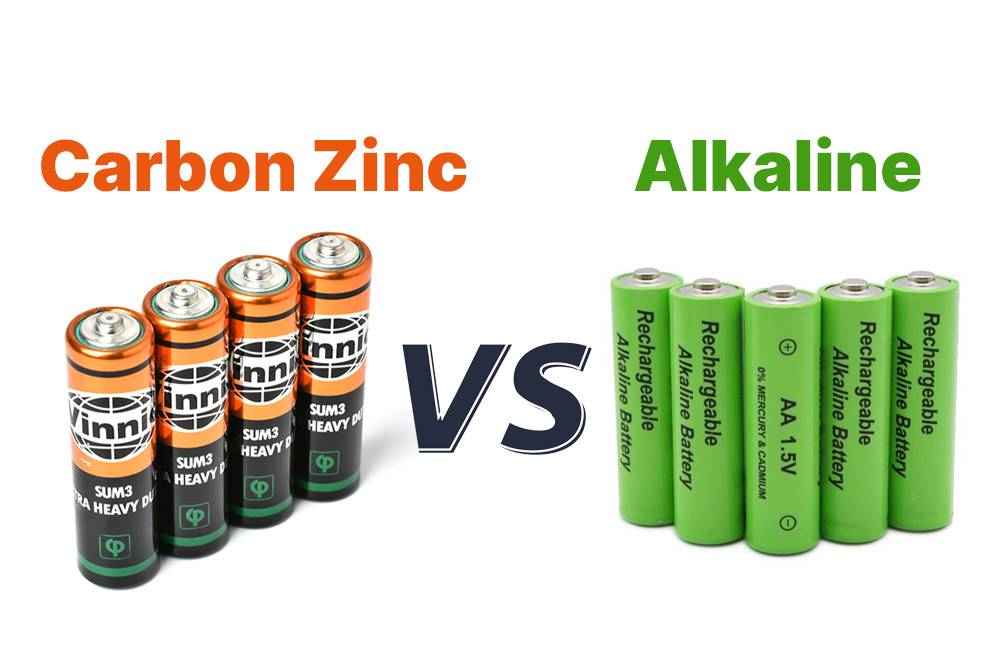
Carbon batteries work well in devices that use low energy. Examples include remote controls and wall clocks. They provide power for a short time in high-drain devices. Alkaline batteries last longer in devices that use more power. They suit gadgets like digital cameras and toys. Choosing based on usage helps save money and reduce waste.
Shelf Life Comparison
Alkaline batteries generally have a longer shelf life than carbon ones. They can store power for up to 5-7 years. Carbon batteries usually last about 2-3 years on the shelf. Longer shelf life means alkaline batteries are better for emergency kits. Carbon batteries may lose power faster when stored for a long time.
Impact Of Device Type
Device type affects how long batteries last. Low-drain devices don’t need high power, so carbon batteries work fine. High-drain devices drain power quickly, so alkaline batteries perform better. Using the wrong battery can reduce device performance. Match the battery type to the device for best results.
Credit: www.icdrex.com
Cost And Availability
Cost and availability are key factors in choosing between carbon and alkaline batteries. Both types serve different needs and budgets. Understanding their price and market presence helps in making smarter purchases. Let’s explore how they compare.
Price Differences
Carbon batteries usually cost less than alkaline ones. They are cheaper to produce and sell. Alkaline batteries come with a higher price tag. Their technology and longer life make them cost more. For simple devices, carbon batteries save money.
Market Availability
Alkaline batteries are widely available in most stores. You can find them in supermarkets, electronics shops, and online. Carbon batteries are less common but still easy to find. They appear mostly in discount stores or basic supply shops. Both types are easy to buy, just in different places.
Value For Money
Alkaline batteries last longer and perform better. They offer more power for their price. Carbon batteries work well for low-drain devices. They give decent service at a low cost. Picking the right battery depends on your device’s needs and budget.
Environmental Impact
Batteries power many devices in daily life. Their environmental impact matters for our planet. Carbon and alkaline batteries differ in how they affect the environment.
Understanding their impact helps make better choices. Focus on manufacturing, disposal, and sustainability.
Manufacturing Footprint
Carbon batteries use zinc and carbon materials. These materials require mining and processing. This process uses energy and creates pollution.
Alkaline batteries use similar materials but in different amounts. They often need more energy to produce. This leads to a higher carbon footprint.
Both types involve mining metals, which affects soil and water. Manufacturing impacts vary but both have environmental costs.
Recycling And Disposal
Carbon batteries are less toxic but still need proper disposal. Throwing them away can release harmful chemicals.
Alkaline batteries contain more metals like potassium hydroxide. This makes recycling harder but reduces harmful leaks.
Recycling rates for both battery types remain low worldwide. Proper disposal reduces pollution and protects nature.
Sustainability Considerations
Carbon batteries last less time, leading to more waste. Frequent replacements increase environmental strain.
Alkaline batteries last longer and perform better in high-drain devices. This can lower waste over time.
Choosing rechargeable batteries reduces waste more than either type. Sustainability depends on use and disposal habits.
Choosing The Right Battery
Choosing the right battery is important for your devices. Different batteries work better in different tools. Picking the best one saves money and improves performance. Understanding the strengths of carbon and alkaline batteries helps make the right choice.
Best Use Cases For Carbon Batteries
Carbon batteries are good for low-drain devices. They work well in remote controls, clocks, and flashlights. These batteries cost less and last long in simple devices. Use carbon batteries in toys and small radios too. They are best when power needs are not high.
Best Use Cases For Alkaline Batteries
Alkaline batteries suit high-drain devices. They power digital cameras, game controllers, and wireless mice. These batteries last longer in devices that use more energy. Use alkaline batteries in gadgets that run for hours. They provide steady power and better performance.
Tips For Extending Battery Life
Store batteries in a cool, dry place. Remove batteries from devices not used for a long time. Turn off devices when not in use. Use the right battery type for each device. Avoid mixing old and new batteries together. These tips help batteries last longer and save money.
Credit: www.ufinebattery.com
Frequently Asked Questions
What Is The Main Difference Between Carbon And Alkaline Batteries?
Carbon batteries use zinc-carbon chemistry, offering lower capacity and shorter life. Alkaline batteries use alkaline electrolyte, providing higher energy, longer life, and better performance.
Which Battery Type Lasts Longer In Everyday Devices?
Alkaline batteries generally last longer than carbon batteries in most devices due to higher energy density and stable voltage output.
Are Carbon Batteries More Affordable Than Alkaline Ones?
Yes, carbon batteries are usually cheaper but have lower performance and shorter lifespan compared to alkaline batteries.
Can Alkaline Batteries Replace Carbon Batteries In All Gadgets?
Alkaline batteries can replace carbon ones in most devices, improving runtime and efficiency without compatibility issues.
Conclusion
Carbon and alkaline batteries serve different needs. Carbon batteries work well for low-drain devices. Alkaline batteries last longer and suit high-drain gadgets. Choosing the right battery saves money and improves device life. Consider device type and usage before buying. Both types remain common and useful today.
Simple choices make a big difference in power.