Nicad Vs Lithium Ion Batteries: Ultimate Comparison for Best Power Choice
When it comes to choosing the right battery for your devices, you might feel overwhelmed by the options. Nicad and Lithium Ion batteries are two popular choices, but which one is truly better for your needs?
Understanding the differences can save you money, improve your device’s performance, and extend battery life. You’ll discover the key features, advantages, and drawbacks of each battery type. By the end, you’ll know exactly which battery suits your lifestyle and gadgets best.
Keep reading to make a smart, informed decision that benefits you every day.
Credit: www.tycorun.com
Battery Basics
Batteries store energy for many devices. They come in different types. Each type has its own way of working and uses. Understanding battery basics helps in choosing the right one for your needs.
Two popular types are NiCad and Lithium Ion batteries. Both are rechargeable. They power tools, phones, and other gadgets. Let’s explore their key features.
Nicad Battery Features
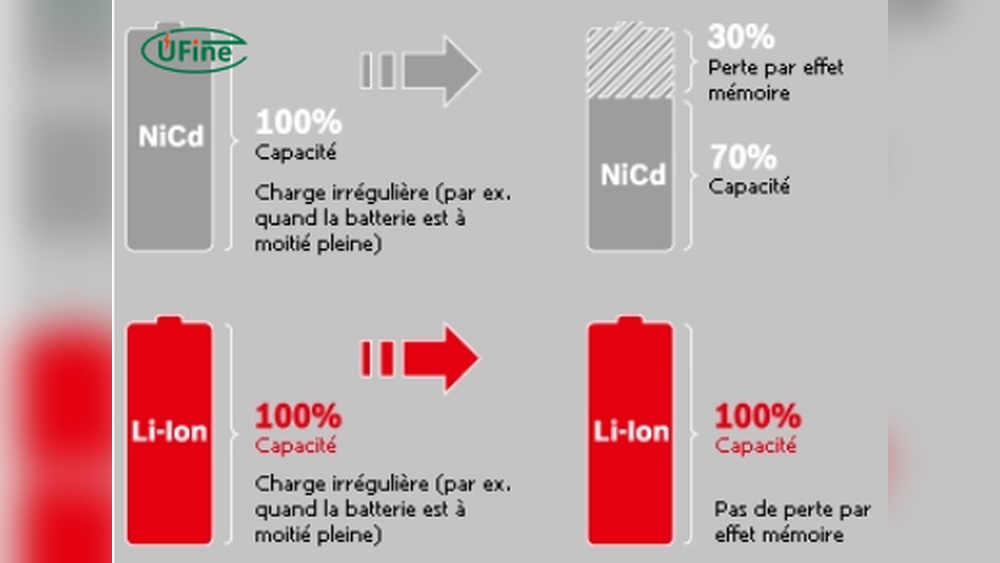
NiCad stands for Nickel-Cadmium. These batteries have been used for decades. They handle high discharge rates well. NiCad batteries work best in cold weather. They are durable and can last many cycles. They suffer from memory effect, which reduces capacity if not fully discharged. NiCad batteries contain toxic cadmium, which needs careful disposal.
Lithium Ion Battery Features
Lithium Ion batteries are lighter and smaller. They have higher energy density than NiCad batteries. These batteries do not suffer from memory effect. They charge faster and hold charge longer. Lithium Ion batteries are common in phones and laptops. They need protection circuits to avoid overheating. Recycling is important due to their chemical contents.
Performance Comparison
Performance is a key factor when choosing between NiCad and Lithium Ion batteries. It affects how long devices run and how fast they recharge. Understanding their strengths and weaknesses helps make the right choice.
Both battery types serve different needs. This section breaks down their performance in clear terms.
Energy Density And Capacity
Lithium Ion batteries hold more energy in the same size compared to NiCad. This means devices last longer on a single charge with Lithium Ion. NiCad batteries have lower capacity and are bulkier. They are less efficient for energy storage.
Charge And Discharge Rates
NiCad batteries can handle quick charge and discharge cycles well. They are good for tools needing bursts of power. Lithium Ion batteries charge slower but deliver steady power over time. Fast charging can reduce Lithium Ion battery life.
Memory Effect Impact
NiCad batteries suffer from memory effect. This reduces their capacity if not fully discharged before charging. Lithium Ion batteries do not have this problem. They maintain capacity better over many charge cycles.
Durability And Lifespan
Durability and lifespan are key factors when choosing a battery. Batteries must last long and stay reliable over time. NiCad and Lithium Ion batteries differ in these areas. Understanding these differences helps pick the right battery for your needs.
Cycle Life Differences
NiCad batteries offer around 500 to 1,000 charge cycles. Lithium Ion batteries can last 1,000 to 3,000 cycles. This means Lithium Ion batteries generally last longer. NiCad batteries lose capacity faster after many charges.
Temperature Tolerance
NiCad batteries handle extreme temperatures better. They work well in cold and hot conditions. Lithium Ion batteries perform best at moderate temperatures. High heat can reduce their lifespan quickly. Cold temperatures lower their efficiency but usually do not damage them.
Self-discharge Rates
NiCad batteries have higher self-discharge rates. They lose charge faster when not in use. Lithium Ion batteries hold their charge longer. This makes Lithium Ion better for devices used infrequently. NiCad needs more frequent recharging to stay ready.
Safety Considerations
Safety is a key factor when choosing between NiCad and Lithium Ion batteries. Both types have risks and benefits that affect their safe use. Understanding these helps avoid accidents and prolong battery life.
Thermal Stability
NiCad batteries have good thermal stability. They handle heat better and are less likely to overheat. This makes them safer under high temperatures.
Lithium Ion batteries are more sensitive to heat. High temperatures can cause them to become unstable. Proper cooling and charging are important to keep them safe.
Risk Of Leakage And Explosion
NiCad batteries rarely leak or explode. Their design reduces the chance of dangerous chemical spills. They are safer in rugged or rough conditions.
Lithium Ion batteries have a higher risk of leakage and explosion. Damage or improper charging can trigger these issues. Using quality chargers and avoiding physical damage lowers the risk.
Environmental Impact
Nickel-cadmium (NiCad) batteries contain toxic metals that harm the environment if not disposed of properly. Lithium-ion batteries have a lower environmental impact but need careful recycling due to their chemicals. Both types require responsible handling to reduce pollution and waste.
Recycling Challenges
Both NiCad and lithium-ion batteries need special recycling methods. NiCad batteries contain cadmium, a heavy metal that is harmful to the environment. Proper recycling is needed to prevent cadmium from polluting soil and water.
Lithium-ion batteries have complex designs. They include materials like lithium, cobalt, and nickel. These materials are valuable but hard to separate during recycling. The process often requires advanced technology and high costs.
Recycling rates for both battery types remain low worldwide. This leads to many batteries ending up in landfills. That causes waste and potential contamination.
Toxicity And Disposal
NiCad batteries are toxic due to cadmium content. Cadmium exposure can harm humans and animals. Unsafe disposal risks soil and water pollution.
Lithium-ion batteries contain less toxic metals but pose fire risks. Damaged or improperly disposed lithium-ion batteries can catch fire or explode. They also release harmful chemicals into the environment.
Both battery types require careful handling during disposal. Regulations exist to reduce environmental damage. Following proper disposal guidelines protects health and nature.
Credit: www.tycorun.com
Cost And Availability
Cost and availability play a big role in choosing the right battery type. NiCad and Lithium Ion batteries differ greatly in price and how easy they are to find. These factors affect many buyers’ decisions. Understanding these differences helps pick the best option for your needs.
Initial Price Comparison
NiCad batteries usually cost less to buy at first. They use older technology and simpler materials. This makes them cheaper for many products. Lithium Ion batteries cost more upfront. They have advanced technology and better energy storage. This raises their price in stores. Still, NiCad batteries may be more affordable for basic uses.
Long-term Value
NiCad batteries do not last as long as Lithium Ion. They lose charge capacity faster over time. This means replacing them more often. Lithium Ion batteries keep their power longer. They need fewer replacements, saving money in the long run. They also weigh less and store more energy. This adds extra value beyond just cost. Choosing Lithium Ion can pay off over many years.
Best Uses
Choosing the right battery depends on the task at hand. Each type of battery suits different needs and devices. Understanding where NiCad and Lithium Ion batteries perform best helps in making smart choices. This section highlights the best uses for both battery types.
Ideal Applications For Nicad
NiCad batteries work well in devices that need a lot of power quickly. They handle high discharge rates without damage. These batteries last long in power tools like drills and saws. NiCad performs well in emergency lighting and medical equipment. They tolerate extreme temperatures better than many batteries. Their ability to recharge fast suits frequent use devices. NiCad batteries are common in cordless phones and two-way radios. They fit well in toys that require quick bursts of energy.
Ideal Applications For Lithium Ion
Lithium Ion batteries are popular in portable electronics like smartphones and laptops. They offer high energy density, making devices lighter and slimmer. These batteries have low self-discharge, holding charge longer when unused. Lithium Ion is great for electric vehicles due to long run times. They charge faster than many other battery types. These batteries suit renewable energy storage like solar power systems. They work well in wearable devices needing small, efficient power sources. Lithium Ion batteries are ideal for cameras and drones needing reliable power.
Credit: www.tycorun.com
Frequently Asked Questions
What Are The Main Differences Between Nicad And Lithium Ion Batteries?
NiCad batteries use nickel-cadmium chemistry, while Lithium Ion batteries use lithium compounds. NiCad batteries have lower energy density and memory effect issues. Lithium Ion batteries offer higher energy density, lighter weight, and longer lifespan. They also have better charging efficiency and less environmental impact.
Which Battery Type Lasts Longer: Nicad Or Lithium Ion?
Lithium Ion batteries generally last longer than NiCad batteries. Lithium Ion cells typically offer 500 to 1,000 charge cycles. NiCad batteries suffer from memory effect, reducing their lifespan. Proper maintenance can extend NiCad life, but Lithium Ion remains superior in longevity and performance.
Are Nicad Batteries More Environmentally Harmful Than Lithium Ion?
Yes, NiCad batteries contain toxic cadmium, which poses environmental risks. Disposal requires special handling to prevent soil and water contamination. Lithium Ion batteries have fewer toxic materials and are considered more environmentally friendly. Recycling programs exist for both types but are more critical for NiCad batteries.
Which Battery Type Charges Faster: Nicad Or Lithium Ion?
Lithium Ion batteries generally charge faster than NiCad batteries. They support higher charging currents and have advanced charging circuits. NiCad batteries require slower charging to avoid damage and memory effect. Faster charging makes Lithium Ion batteries more convenient for modern devices and applications.
Conclusion
NiCad and Lithium Ion batteries each have their strengths. NiCad batteries are tough and work well in cold. Lithium Ion batteries last longer and weigh less. Choose based on your device and needs. Think about cost, size, and charging time.
Both types power many gadgets we use daily. Understanding their differences helps make smart choices. Battery technology keeps improving every year. Stay informed to pick the right battery for you.