Propane Vs Diesel Generator: Which is Best for Your Needs?
When comparing propane and diesel generators, it’s essential to understand their differences. Both options have distinct advantages and drawbacks.
Generators are crucial for backup power and off-grid energy needs. Propane and diesel generators are among the most popular choices. They offer reliable performance but differ in cost, efficiency, and environmental impact. Understanding these differences can help you make an informed decision.
This comparison will explore the key aspects of each type, helping you choose the best generator for your needs. Whether you prioritize fuel availability, maintenance, or long-term costs, this guide will provide clear insights into propane and diesel generators.
Introduction To Generators
Generators are essential machines that provide power during outages. They convert mechanical energy into electrical energy. This ensures you have power when you need it most. Different types of generators are available. Each type serves specific needs and applications. The choice between propane and diesel generators depends on many factors.
Importance Of Backup Power
Backup power is crucial for homes and businesses. Power outages can disrupt daily activities. They can cause financial losses. Hospitals and data centers rely on uninterrupted power. Backup generators keep these places running smoothly. They offer peace of mind and security. Backup generators are not a luxury; they are a necessity.
Types Of Generators
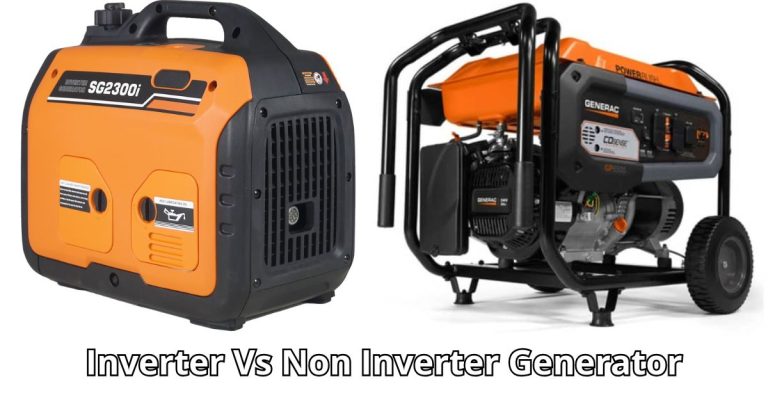
There are many types of generators. The most common ones are portable, standby, and inverter generators. Portable generators are small and easy to move. Standby generators are fixed and automatically turn on during an outage. Inverter generators are efficient and produce clean power. Each type has its own pros and cons.
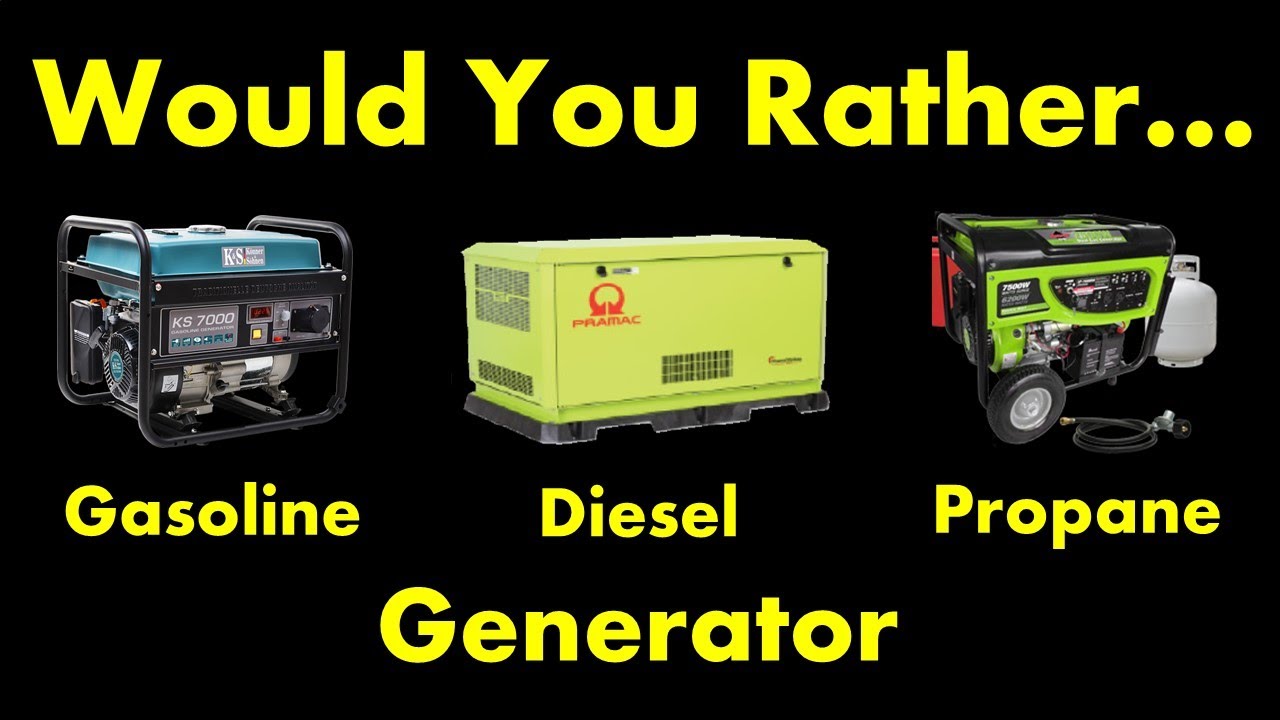
Propane and diesel generators are popular choices. Propane generators are clean and quiet. They have a long shelf life. Diesel generators are known for their durability. They are fuel-efficient and powerful. Both types have their unique advantages. Understanding these can help you make an informed decision.
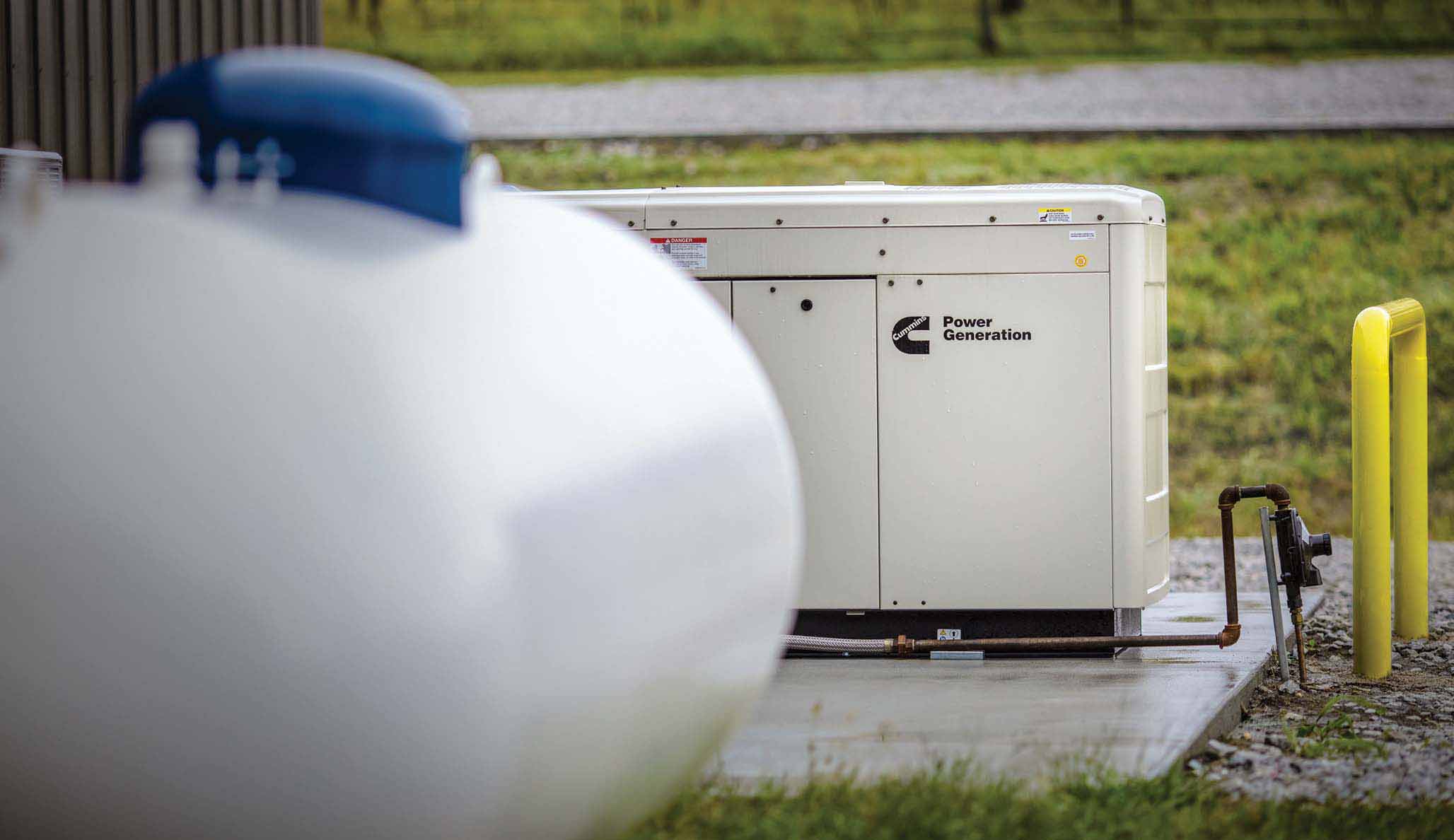
Credit: www.ferrellgas.com
Propane Generators
Propane generators are a popular choice for homes and businesses. They use propane gas to produce electricity. They offer clean, efficient power. Many prefer them for their eco-friendliness and reliability.
How They Work
Propane generators convert propane gas into electrical energy. The gas is stored in a tank connected to the generator. When the generator runs, it burns the propane. This combustion creates mechanical energy. The generator then converts this energy into electricity.
These generators have an engine that drives an alternator. The alternator produces the electrical output. Propane is a clean-burning fuel. It creates fewer emissions compared to diesel. This makes propane generators more environmentally friendly.
Pros And Cons
Propane generators have several benefits. They produce fewer pollutants. They are quieter than diesel generators. Propane is also widely available. It can be stored for long periods without degrading. This makes it a reliable fuel source.
There are some downsides too. Propane generators can be more expensive upfront. They may also have higher maintenance costs. Propane fuel tanks need proper storage. They can be bulky and take up space. Propane generators may not be as powerful as diesel generators for larger needs.
Despite these cons, many find propane generators a great option. They offer a balance of efficiency, cleanliness, and reliability. This makes them suitable for various applications.
Diesel Generators
Diesel generators are popular for their efficiency and reliability. They provide power to homes, businesses, and construction sites. These generators are known for their robust performance and long lifespan. In this section, we will explore how diesel generators work and their pros and cons.
How They Work
Diesel generators operate using a diesel engine. The engine converts diesel fuel into mechanical energy. This energy is then converted into electrical energy by an alternator. The process involves:
- The diesel engine starts and burns diesel fuel.
- The combustion creates mechanical energy.
- The alternator converts this energy into electricity.
This process makes diesel generators highly efficient. They can run for long periods without refueling. This makes them ideal for continuous power supply needs.
Pros And Cons
Understanding the pros and cons of diesel generators helps in making an informed decision. Here are some key points:
| Pros | Cons |
|---|---|
|
|
In summary, diesel generators are efficient and durable. Yet, they come with higher costs and maintenance needs. Consider these factors before choosing a diesel generator for your power needs.
Cost Comparison
Choosing between a propane and diesel generator involves understanding their costs. Let’s break down the initial costs and operational costs of each type.
Initial Costs
Initial costs are the upfront expenses when buying a generator. These costs include the price of the generator and installation charges. Here’s a quick comparison:
| Generator Type | Price Range | Installation Costs |
|---|---|---|
| Propane Generator | $2,000 – $5,000 | $500 – $1,500 |
| Diesel Generator | $3,000 – $10,000 | $1,000 – $2,000 |
Propane generators are generally cheaper to buy and install compared to diesel generators. Keep this in mind if your budget is tight.
Operational Costs
Operational costs include fuel expenses, maintenance, and repairs. Let’s look at these in detail:
- Fuel Expenses: Propane costs around $2.50 per gallon, while diesel is about $3.00 per gallon.
- Fuel Efficiency: Diesel generators are more fuel-efficient, running longer on less fuel.
- Maintenance: Diesel engines require more frequent oil changes and parts replacement.
Here’s a more detailed view:
| Cost Type | Propane Generator | Diesel Generator |
|---|---|---|
| Fuel Cost per Gallon | $2.50 | $3.00 |
| Fuel Efficiency | Less Efficient | More Efficient |
| Maintenance Frequency | Low | High |
Diesel generators may have higher operational costs due to fuel and maintenance. Propane generators offer lower running costs, but they might consume fuel faster.
Fuel Efficiency
Fuel efficiency is a critical factor when choosing a generator. The type of fuel used can significantly impact the cost and performance of the generator. This section will compare the fuel efficiency of propane and diesel generators to help you make an informed decision.
Propane Efficiency
Propane generators are known for their clean burning fuel. This makes them environmentally friendly. Propane burns efficiently, producing fewer emissions. It also has a longer shelf life. Propane does not degrade over time. This means you can store it for long periods without loss of quality. Propane generators run quietly. This is beneficial in residential areas. However, propane has a lower energy density than diesel. This means it may require more fuel to produce the same amount of power.
Diesel Efficiency
Diesel generators are highly efficient. They convert more fuel into power compared to propane generators. Diesel has a high energy density. This means diesel generators can run longer on the same amount of fuel. Diesel engines are also known for their durability. They can handle heavy loads and run for extended periods. However, diesel fuel has a shorter shelf life. It can degrade and become unusable over time. Diesel generators also produce more emissions. They are noisier than propane generators.
Environmental Impact
Propane generators produce fewer emissions compared to diesel generators. Diesel generators, on the other hand, are known for higher levels of pollutants. Choosing propane can help reduce environmental impact.
Generators are essential for backup power. But their environmental impact matters. Understanding the emissions from propane and diesel generators can help make a better choice. This section explores their environmental impacts.Propane Emissions
Propane is a clean-burning fuel. It produces fewer pollutants compared to diesel. Propane generators emit less carbon monoxide. They also produce fewer particulate emissions. This makes them a greener option. Propane is non-toxic and does not contaminate water or soil.Diesel Emissions
Diesel generators are known for their power. But they have a higher environmental impact. Diesel engines emit more carbon dioxide. They also produce nitrogen oxides and particulate matter. These pollutants contribute to air pollution. Diesel spills can contaminate soil and water sources. This makes diesel less environmentally friendly. “`Maintenance And Durability
When choosing between a propane and a diesel generator, understanding maintenance and durability is crucial. Proper maintenance ensures the longevity and reliability of your generator. Let’s explore the maintenance requirements and durability of both propane and diesel generators.
Propane Maintenance
Propane generators are known for their clean-burning fuel. This reduces the buildup of carbon deposits in the engine. As a result, they require less frequent maintenance. Here are some key maintenance tasks:
- Regularly check fuel lines for leaks.
- Inspect and replace spark plugs as needed.
- Change the oil every 100 hours of operation.
- Clean air filters to ensure proper airflow.
- Check the battery and electrical connections.
Propane generators generally have a longer lifespan due to their clean operation. They are also less likely to experience fuel-related issues.
Diesel Maintenance
Diesel generators are robust and durable but require more maintenance. Here are essential maintenance tasks for diesel generators:
- Regular oil changes every 250 hours of operation.
- Replace fuel filters every 500 hours of use.
- Check and clean the air filters frequently.
- Inspect the exhaust system for any blockages.
- Maintain the cooling system to prevent overheating.
Diesel generators are known for their durability and can run for long hours. They are ideal for heavy-duty applications, but they need consistent maintenance to perform optimally.
| Maintenance Task | Propane Generator | Diesel Generator |
|---|---|---|
| Oil Change | Every 100 hours | Every 250 hours |
| Fuel Filter Replacement | N/A | Every 500 hours |
| Air Filter Cleaning | As needed | Frequently |
| Battery Check | Regularly | Regularly |
Both propane and diesel generators have their unique maintenance needs. Choose the one that fits your requirements and maintenance capabilities.
Best Use Cases
Choosing between a propane and diesel generator depends on the intended use. Different environments and needs make each type of generator more suitable in specific scenarios. Below are the best use cases for both propane and diesel generators.
Residential Use
Propane generators are ideal for homes due to their clean-burning nature. They produce fewer emissions, making them environmentally friendly. Homeowners often prefer propane because it is safe to store and has a long shelf life.
In case of a power outage, propane generators are easy to start and can run for long periods. They are quieter compared to diesel generators, making them less disruptive in a residential setting.
Diesel generators are also used in homes, particularly for heavy-duty needs. They are more fuel-efficient and can power larger homes with multiple appliances. Diesel is readily available and can run for extended hours without needing a refuel.
Commercial Use
Diesel generators are the go-to choice for commercial use due to their reliability and fuel efficiency. They are perfect for businesses that need a constant power supply. Diesel generators can handle heavy loads and run for long periods without overheating.
Industries such as construction, manufacturing, and healthcare often rely on diesel generators. They provide a stable power source that ensures business operations continue without interruption.
Propane generators are also used in commercial settings, though less frequently. They are suitable for businesses that need a cleaner energy source. Restaurants, offices, and small businesses benefit from propane generators’ quieter operation and lower emissions.
In commercial use, the choice between propane and diesel generators often depends on the specific needs of the business. Each type has its advantages and is suitable for different scenarios.
| Type | Best For | Advantages |
|---|---|---|
| Propane | Residential | Clean, Safe to Store, Long Shelf Life, Quieter |
| Diesel | Commercial | Reliable, Fuel Efficient, Handles Heavy Loads, Long-Running |
Making The Decision
Choosing between a propane and diesel generator is a crucial decision. Each type has its unique advantages and drawbacks. To make an informed choice, consider your specific needs and circumstances.
Assessing Your Needs
Begin by understanding your power needs. Do you need a generator for home use, business, or outdoor activities? The purpose will guide your choice.
Power Output: Diesel generators generally offer higher power output. This makes them suitable for heavy-duty applications.
Fuel Availability: Check the availability of fuel in your area. Propane might be more accessible in some regions, while diesel may be easier to find in others.
Operating Costs: Diesel fuel is often more expensive. However, diesel generators are more fuel-efficient. Propane generators have lower initial costs but might be less efficient.
Environmental Impact: Propane burns cleaner than diesel. If you prioritize environmental concerns, propane might be the better option.
Evaluate these factors to determine which generator aligns best with your needs.
Final Recommendations
After assessing your needs, consider these recommendations:
- For Home Use: A propane generator is often quieter and cleaner.
- For Business: Diesel generators provide higher power output and longer runtime.
- For Outdoor Activities: A portable propane generator is typically lighter and easier to transport.
Make sure to consult with a professional if you have specific technical questions or requirements.
Here’s a quick comparison table to help you:
| Feature | Propane Generator | Diesel Generator |
|---|---|---|
| Power Output | Moderate | High |
| Fuel Efficiency | Moderate | High |
| Noise Level | Low | High |
| Environmental Impact | Low | High |
Use this information to guide your decision. Choose the generator that meets your specific needs and budget.
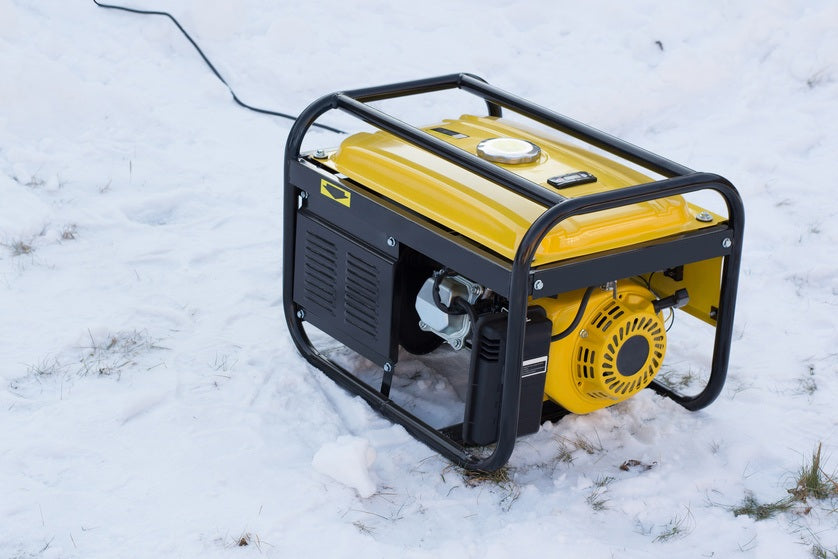
Credit: www.critterguard.org
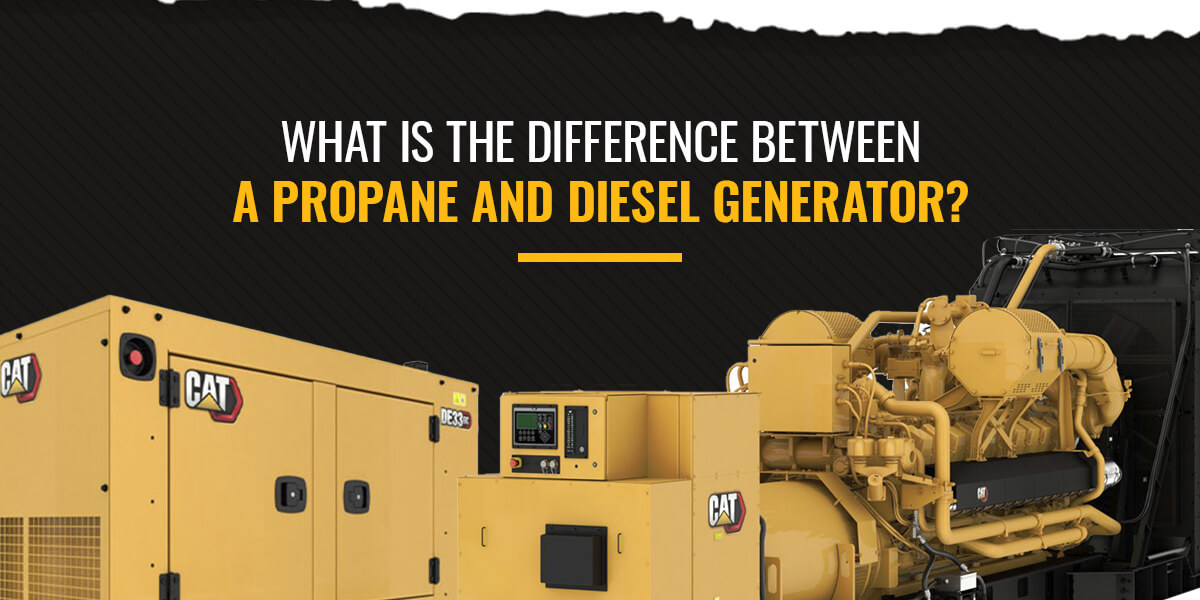
Credit: www.mustangcat.com
Frequently Asked Questions
What Are The Main Differences Between Propane And Diesel Generators?
Propane generators are cleaner and quieter. Diesel generators are more fuel-efficient. Both have distinct maintenance and environmental impacts.
Which Generator Is More Cost-effective?
Diesel generators are generally more cost-effective due to higher fuel efficiency. However, propane generators have lower maintenance costs.
Are Propane Generators More Environmentally Friendly?
Yes, propane generators produce fewer emissions and pollutants. They are considered more environmentally friendly than diesel generators.
How Reliable Are Diesel Generators?
Diesel generators are highly reliable and durable. They perform well in various conditions and are suitable for long-term use.
Conclusion
Choosing between propane and diesel generators depends on your needs. Propane generators are quieter and cleaner. Diesel generators are powerful and efficient. Consider fuel availability, cost, and maintenance. Both options have pros and cons. Evaluate your specific requirements carefully. This ensures you make the right choice.
Energy needs, budget, and usage frequency matter. Make an informed decision. Stay powered and prepared.