Why are Generators So Loud? Uncovering the Noise Mysteries
Generators are loud because they produce mechanical and electrical noise. The engine and moving parts contribute to the sound.
Generators are essential during power outages, but their noise can be annoying. Many people wonder why generators are so loud. The answer lies in how they work. Generators convert fuel into electricity through mechanical processes. These processes involve engines, fans, and other moving parts.
Each part generates noise during operation. Understanding the sources of noise can help in finding ways to reduce it. In the following sections, we will explore the main reasons for the noise and potential solutions to make generators quieter. By the end, you will know why generators are loud and what can be done to reduce the noise.
Introduction To Generator Noise
Generators are essential for providing electricity during power outages and in remote locations. Yet, they are known for their loud noise. This noise can be disruptive and annoying. Understanding why generators are so loud is crucial for many users.
Common Noise Levels
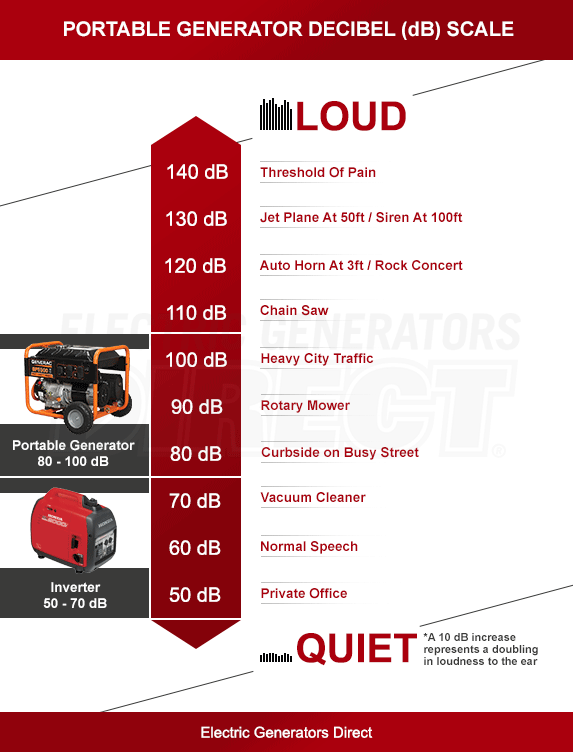
Most generators produce noise between 60 and 90 decibels. This range is similar to a loud conversation or a lawnmower. The exact noise level depends on the generator’s size and type. Larger generators are often louder.
Importance Of Understanding Noise
Knowing why generators are loud helps in choosing the right one. Noise can impact your comfort and surroundings. Understanding noise levels can also guide you in finding quieter models. This knowledge can improve your generator experience.
Components Contributing To Noise
Generators are essential for backup power but can be extremely noisy. Understanding the components contributing to noise can help in managing and reducing it. Let’s explore the key elements that make generators loud.
Engine Mechanics
The engine is the heart of the generator. It converts fuel into electrical energy. This process involves combustion, which creates a lot of noise. Moving parts like pistons and crankshafts also contribute to the noise level.
To illustrate, consider the following factors:
- Combustion process: The ignition of fuel and air mixture creates explosions.
- Mechanical friction: Parts like pistons and crankshafts rub against each other.
- Vibrations: These are generated by the engine’s moving parts.
Exhaust Systems
The exhaust system is another major noise contributor. It releases gases produced by the engine. The rapid expulsion of these gases creates loud noise.
Key factors in the exhaust system include:
- Exhaust gases: The release of high-pressure gases creates sound waves.
- Mufflers: These components help reduce noise but are not always effective.
- Pipe design: The length and shape of exhaust pipes can influence noise levels.
By understanding these components, one can take steps to reduce the noise generated by their equipment.
Types Of Generators And Their Noise Levels
Understanding the noise levels of different types of generators can help you choose the right one. Generators vary in their noise output based on their design and purpose. Let’s explore the noise levels of portable and standby generators.
Portable Generators
Portable generators are common for camping and outdoor activities. They are versatile and can be moved easily. Yet, they tend to be noisy. Their small engines run at high speeds, producing significant sound. The noise level can range from 60 to 90 decibels. This is similar to the noise of a lawnmower. Manufacturers are working on making them quieter. But they still generate noticeable noise.
Standby Generators
Standby generators are permanent installations. They provide backup power during outages. These generators are larger and have more powerful engines. But they are usually quieter than portable generators. Their noise levels range from 55 to 75 decibels. This is similar to the sound of a running dishwasher. Their design includes noise-reducing enclosures and mufflers. This helps in minimizing the sound. Standby generators are more suitable for residential areas.
Credit: bb-rv.com
Mechanical Vibrations And Noise
Generators are known for their loud noise. This noise often stems from mechanical vibrations. These vibrations result from various internal and external factors. Understanding these can help in reducing the noise levels.
Internal Movements
Inside a generator, many components move. These include the engine and alternator. The engine burns fuel, creating powerful motions. These motions produce vibrations. The alternator converts these motions into electricity. This process also adds to the noise. The more powerful the engine, the more vibrations it creates.
External Factors
External factors also play a role. Generators often sit on hard surfaces. These surfaces amplify the vibrations. The material of the generator’s casing matters too. Thin metal casings can vibrate more. This increases the noise. The placement of the generator also affects sound levels. Generators in open spaces tend to be louder. This is because there is nothing to absorb the noise.
Environmental Factors Affecting Noise
Generators are loud due to their internal combustion engines and mechanical vibrations. Their design and exhaust systems contribute to the noise. Environmental factors like location and surroundings also affect the noise level.
Generators can be very loud. Various environmental factors affect this noise level. Understanding these factors can help manage and reduce the noise.Surrounding Structures
Buildings and walls around a generator can amplify its noise. Hard surfaces reflect sound waves, making the noise louder. Trees and bushes can absorb some noise, reducing its level. Positioning the generator near sound-absorbing structures can help.Weather Conditions
Weather plays a role in how noise travels. Wind can carry sound further away. Rain and humidity can dampen the noise. Cold air can make sound travel faster and further. Knowing these factors can help you manage generator noise better. “`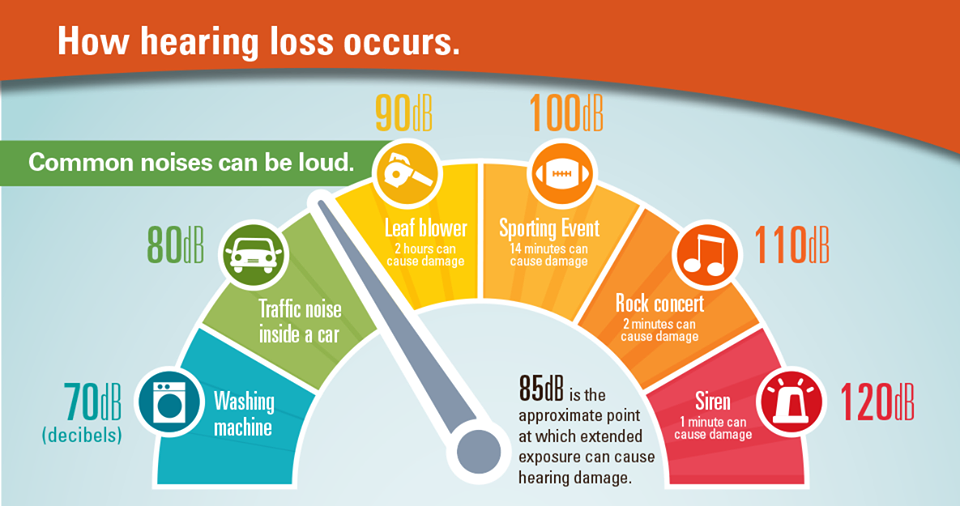
Credit: midwestgeneratorsolutions.com
Technological Advances In Noise Reduction
Generators are often noisy machines. The good news is that technological advances in noise reduction are making generators quieter. Innovations in design and soundproofing techniques have played a big role in reducing noise levels. These advancements help make generators more user-friendly and environmentally conscious.
Innovative Designs
Modern generators use innovative designs to cut down noise. Manufacturers now use better materials and improved engineering. These changes result in quieter operation. Some generators have enclosed structures that trap noise inside. Other designs focus on reducing vibrations, which also helps to lower noise levels.
Soundproofing Techniques
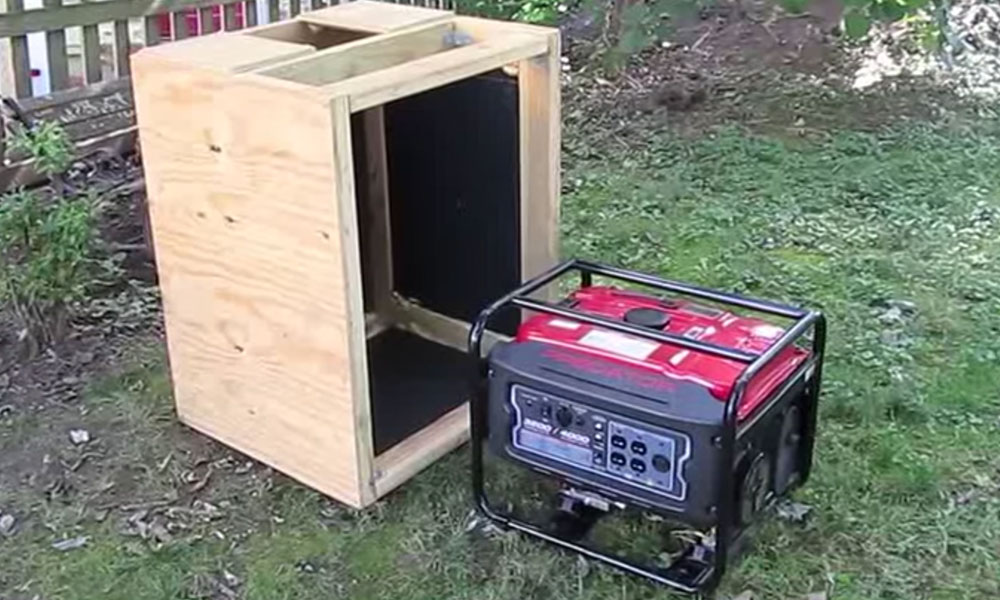
Soundproofing techniques are essential for reducing generator noise. Manufacturers use special insulation materials to block sound. They often line the inside of generator enclosures with these materials. This helps to absorb and dampen the noise. Another technique involves using mufflers or silencers on the exhaust system. These components reduce the noise produced by the engine.
Some generators also feature rubber mounts. These mounts minimize vibrations that cause noise. By addressing both the source and transmission of sound, these techniques make generators much quieter.
Health And Safety Impacts Of Generator Noise
Generator noise can have significant health and safety impacts. The loud noise produced by generators affects our physical and mental well-being. Understanding these impacts can help us take necessary precautions.
Hearing Damage
Prolonged exposure to loud generator noise can cause hearing damage. The noise level from generators often exceeds safe limits. This can lead to temporary or permanent hearing loss. It’s important to use ear protection around generators. Reducing exposure time can also help prevent hearing damage.
Stress And Discomfort
Constant loud noise from generators can cause stress and discomfort. The noise can interrupt sleep and daily activities. This can lead to increased anxiety and irritability. People often find it hard to concentrate in noisy environments. Taking breaks away from the noise can help reduce stress.
Practical Tips For Reducing Generator Noise
Generators can be very loud, making them a nuisance. But there are ways to reduce this noise. Here are some practical tips you can use to enjoy a quieter generator.
Location And Placement
Where you place your generator matters a lot. Avoid placing it near living areas. Try setting it far from windows and doors. This will help to reduce the noise levels inside your home. Using barriers like walls or fences can also help. They block the sound waves and keep the noise down.
Maintenance And Upgrades
Regular maintenance is key to keeping your generator quiet. Check and change the oil often. Clean the air filters regularly. These simple steps can make a big difference. Upgrading the muffler can also help. A better muffler will reduce the noise output. Look for high-quality mufflers designed for your generator model.
Future Trends In Quiet Generators
The quest for quieter generators is gaining traction. Many users want less noise pollution. Thanks to innovative technologies and market innovations, the future looks promising. Let’s explore the advancements making quieter generators possible.
Emerging Technologies
Emerging technologies are playing a crucial role in reducing generator noise. Some of the key advancements include:
- Inverter Generators: These use advanced electronics to produce cleaner power. They are smaller and quieter than traditional models.
- Improved Insulation: Better soundproofing materials reduce noise. These materials absorb sound waves, making the generator quieter.
- Variable Speed Technology: This adjusts engine speed based on power demand. Lower speeds mean less noise.
These technologies are revolutionizing how generators operate. The focus is on efficiency and quiet operation.
Market Innovations
The market is also evolving to meet the demand for quieter generators. Here are some notable innovations:
| Brand | Innovation |
|---|---|
| Honda | Eco-Throttle System |
| Yamaha | Smart Throttle |
| Briggs & Stratton | Quiet Power Technology |
These innovations focus on adaptive technologies. They adjust power output to reduce noise. Brands are investing in research and development to create quieter products.
The future of quiet generators is bright. With emerging technologies and market innovations, we can expect significant noise reduction. This is great news for users and the environment.
Credit: www.electricgeneratorsdirect.com
Conclusion: Balancing Power And Peace
Balancing power and peace can be challenging when dealing with noisy generators. Their loudness often results from engine design and high-speed operation. Understanding these factors helps in managing noise levels effectively.
Generators provide essential power during outages. They keep our homes and businesses running smoothly. However, they come with a downside: noise. Loud generators can disrupt peace and quiet. Understanding why generators are so loud helps us find solutions. By balancing power needs and noise levels, we create a more comfortable environment.Summary Of Key Points
Generators produce noise due to their engines. The engine’s combustion process creates sound. Cooling fans and exhaust systems add to the noise. Soundproofing materials can reduce this noise. Regular maintenance ensures generators run smoothly and quietly. Choosing the right generator for your needs minimizes noise impact.Looking Ahead
Advancements in technology promise quieter generators. Manufacturers are working on noise reduction features. Investing in quieter generators can improve quality of life. Soundproofing solutions will become more accessible. Future generators may offer a balance between power and peace. The goal is to enjoy reliable power without excessive noise. “`Frequently Asked Questions
Why Are Generators So Noisy?
Generators produce noise due to their internal combustion engines. The engine’s mechanical parts, exhaust system, and cooling fans contribute to the overall noise.
How Can I Make My Generator Quieter?
You can reduce generator noise by using a soundproof enclosure, placing it on a soft surface, or using a muffler.
Do All Generators Make The Same Noise?
No, noise levels vary by generator type and brand. Inverter generators are generally quieter than traditional ones.
Are There Quiet Generators Available?
Yes, quiet generators exist, especially inverter models. They are designed to operate at lower noise levels.
Conclusion
Generators produce loud noise due to their powerful engines. This noise can disturb. By understanding the reasons, you can make informed choices. Consider quieter models or soundproofing options. Your peace and comfort matter. With the right generator, you can enjoy reliable power without excessive noise.
This balance ensures you get the best of both worlds. Keep this information in mind for a quieter environment.