Can You Charge an EV With a Generator: Exploring the Possibilities
Yes, you can charge an EV with a generator. It’s not the most common method, but it’s possible.
Electric vehicles (EVs) are becoming more popular. As a result, people often wonder about alternative charging methods. Sometimes, you might be in a situation where a regular charging station is not available. This is where a generator comes in handy.
Charging an EV with a generator can be a practical solution during camping trips, power outages, or in remote locations. In this blog post, we will explore how to safely and effectively use a generator to charge your electric vehicle. We will discuss the types of generators suitable for EVs, the steps to follow, and precautions to take. Stay tuned to learn more about this alternative charging method.
Introduction To Charging Evs
Electric vehicles (EVs) are becoming increasingly popular worldwide. With this rise, the need for reliable charging solutions is more important than ever. Charging an EV can seem complex, but it’s essential for any EV owner to understand the basics.
Rise Of Electric Vehicles
The popularity of electric vehicles has surged in recent years. More people are choosing EVs for their eco-friendly benefits. Governments are encouraging this shift with incentives and regulations. As a result, the number of EVs on the road is growing rapidly.
Importance Of Charging Infrastructure
Charging infrastructure is critical for the success of electric vehicles. Without proper charging options, EVs would not be practical for daily use. Charging stations must be available and accessible to all EV owners. This ensures that EVs can be charged conveniently and efficiently.
Public charging stations are being installed in many places. These include parking lots, shopping centers, and highways. Home charging solutions are also available for added convenience. Understanding the types of chargers and their uses is key for any EV owner.

Credit: www.youtube.com
Generators As A Power Source
Electric vehicles (EVs) are becoming more popular. Yet, charging them can be tricky, especially during power outages or in remote areas. Here, we explore the idea of using generators as a power source for EV charging.
Types Of Generators
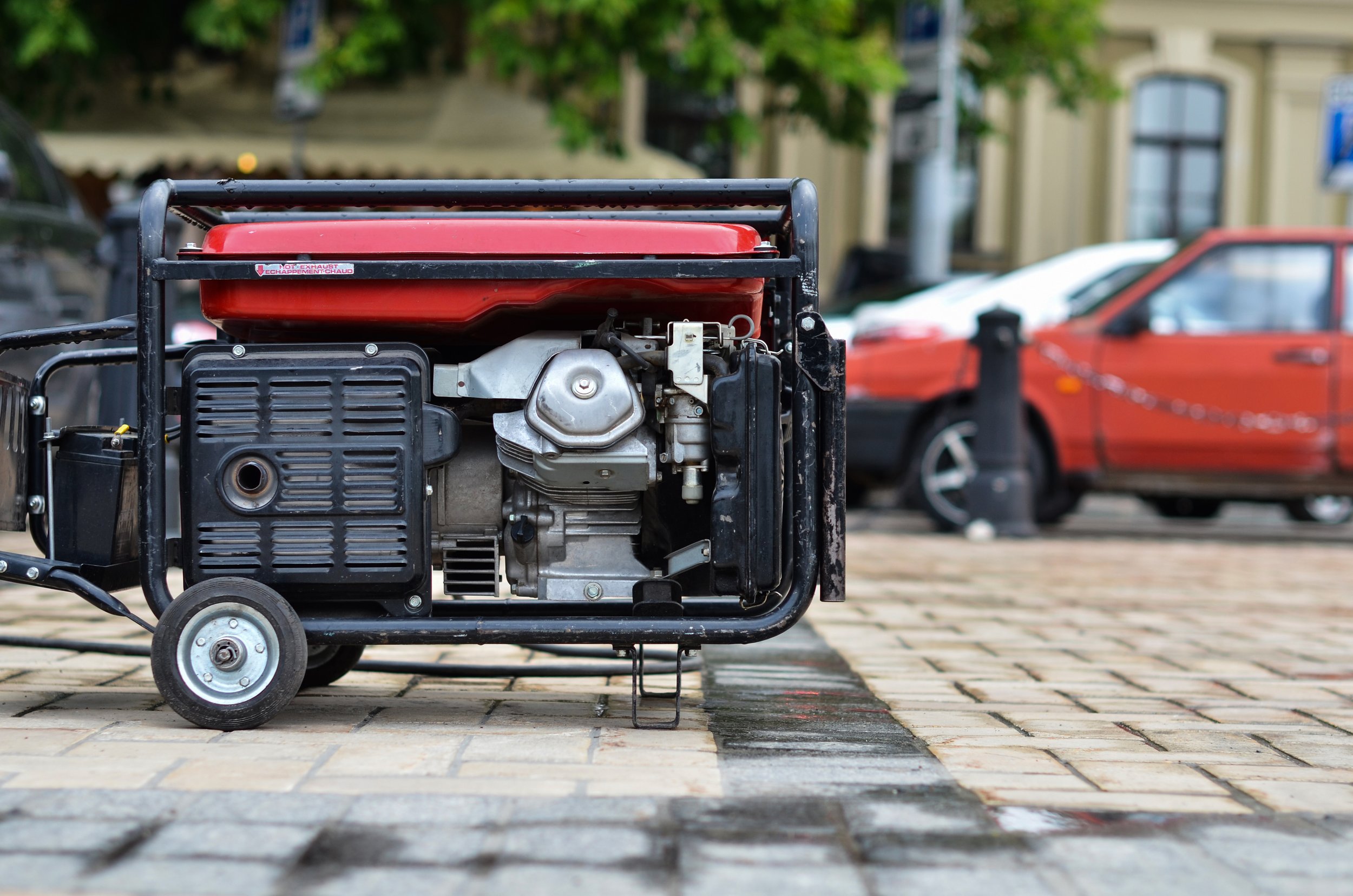
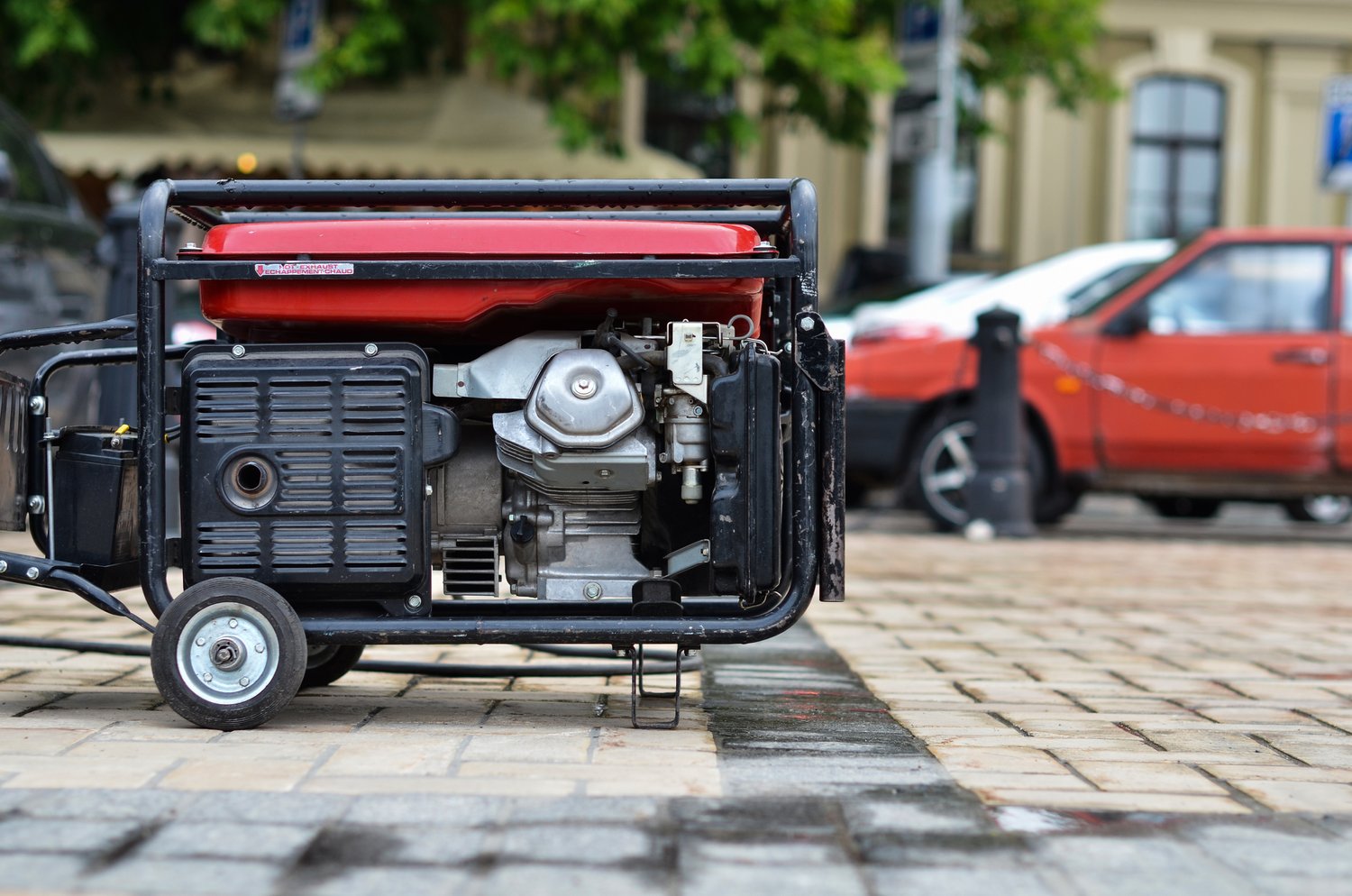
Generators come in various types, each with its unique features.
- Portable Generators: These are easy to move and perfect for temporary use. They are less powerful but handy in emergencies.
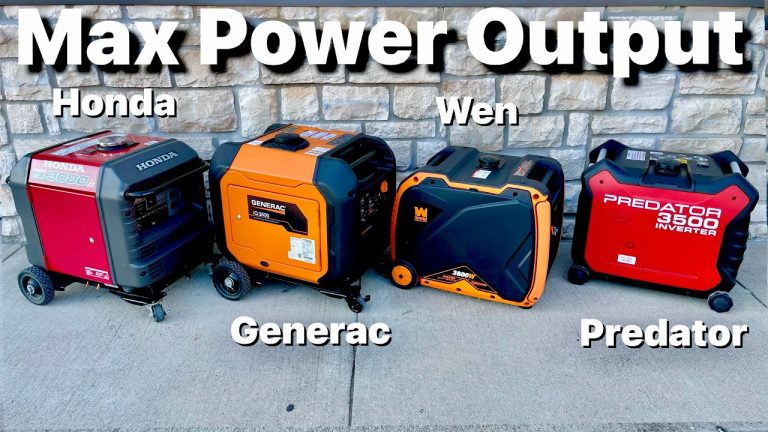
- Inverter Generators: Known for their efficiency and quiet operation. They provide clean power, safe for sensitive electronics.
- Standby Generators: These are fixed in place and activate during power outages. They offer more power and can run longer.
Basic Functionality
Understanding how generators work can help you use them effectively.
Generators convert mechanical energy into electrical energy. They use fuel like gasoline, diesel, or propane. When the engine runs, it spins an alternator. This action creates electricity.
For EV charging, the generator must match the EV’s power requirements. Most EVs need a stable and continuous power supply. Therefore, inverter generators are often the best choice. They provide stable power output, reducing the risk of damage to the EV’s battery.
Setting up a generator for EV charging involves these steps:
- Check the generator’s power output.
- Ensure you have the right cables and adapters.
- Connect the generator to the EV’s charging port.
- Start the generator and begin charging.
Always follow safety guidelines to prevent accidents.
Feasibility Of Using Generators
Many people wonder if it’s possible to charge an electric vehicle (EV) using a generator. This idea might come up during road trips or power outages. Understanding the feasibility involves technical considerations and knowing the power output requirements. Let’s dive into each aspect.
Technical Considerations
Charging an EV with a generator is not as simple as plugging it in. EVs require a steady and clean power supply. Generators can produce fluctuations in voltage and frequency. These fluctuations can harm the EV’s battery and electronics. It’s important to use an inverter generator. Inverter generators produce a cleaner and more stable power supply.
Another technical aspect is the connector type. EVs use specific charging connectors, like Type 1 or Type 2. The generator must be compatible with these connectors. An adapter might be needed. Always check the generator’s manual for compatibility.
Power Output Requirements
EVs need a significant amount of power to charge. The generator must produce enough wattage. For a Level 1 charger, you need at least 1.5 kW of power. Level 2 chargers require more, around 7 kW or higher. Check your EV’s charging specifications.
Using a generator with insufficient power can lead to longer charging times. It might not charge the EV at all. Ensure the generator’s power output meets the EV’s requirements. This will ensure a safe and efficient charging process.
Credit: www.evconnect.com
Types Of Ev Chargers
Electric vehicles (EVs) need reliable charging solutions. Understanding the types of EV chargers is important. Different chargers offer varying speeds and power levels. Let’s dive into the types of EV chargers available.
Level 1 Chargers
Level 1 chargers are the most basic option. They use standard household outlets. These chargers provide about 4 to 5 miles of range per hour. Level 1 chargers are ideal for overnight charging. They are perfect for those with short daily commutes.
Level 2 Chargers
Level 2 chargers offer faster charging. They need a 240-volt outlet, like those for large appliances. Level 2 chargers provide about 20 to 25 miles of range per hour. These chargers are common in homes and public charging stations. They are suitable for longer daily commutes.
Dc Fast Chargers
DC Fast Chargers are the quickest option. They use direct current (DC) to charge the battery. These chargers can provide up to 80% charge in 30 minutes. DC Fast Chargers are found at commercial locations. They are ideal for long trips and quick top-ups.
Generator Compatibility
Charging an electric vehicle (EV) with a generator is possible, but it requires understanding generator compatibility. Using the right generator for your EV ensures efficient and safe charging. This section covers important aspects of generator compatibility for EV charging.
Matching Voltage And Amperage
Generators come in various voltages and amperages. To charge an EV, the generator’s output must match the car’s charging requirements. Check your EV’s charging specifications. Ensure the generator provides the necessary voltage and amperage. Mismatched power can damage the EV’s battery or charging system.
Safety Concerns
Charging an EV with a generator involves safety risks. Generators produce electrical and carbon monoxide hazards. Use the generator in a well-ventilated area to prevent carbon monoxide poisoning. Ensure the generator has proper grounding to avoid electrical shocks. Regularly inspect the generator for any damage or faults before use.
Real-world Scenarios
Charging an electric vehicle (EV) with a generator can be practical in real-world scenarios. It offers flexibility and peace of mind. This section explores different scenarios where a generator can be useful.
Emergency Situations
In emergencies, charging an EV with a generator can be a lifesaver. Suppose you are stuck in a remote area with no charging stations. A generator can provide the power needed to get you back on the road. It can also be useful during power outages. With a generator, you can keep your EV charged and ready to go.
Off-grid Charging
Off-grid charging is another scenario where a generator comes in handy. Traveling to remote locations often means no access to charging stations. With a generator, you can ensure your EV stays powered. This is especially useful for camping trips or long road trips. A generator offers the convenience of charging your EV anywhere.
Advantages And Disadvantages
Charging an electric vehicle (EV) with a generator comes with its own set of pros and cons. Understanding both sides can help you decide if using a generator is the right choice for your needs. Here, we will explore the advantages and disadvantages.
Pros Of Using Generators
Generators provide great flexibility. You can charge your EV almost anywhere. This is ideal for long trips. No need to worry about finding a charging station in remote areas.
Generators are useful during power outages. They can provide a backup power source. This ensures your EV remains charged even when the grid is down.
Generators can be portable. This makes them easy to carry in your vehicle. You can take them along on camping trips or off-road adventures.
Cons And Limitations
Generators can be noisy. The sound can be disturbing. This might not be ideal in quiet neighborhoods or campsites.
They need fuel to run. Fuel can be expensive. It also adds to your carbon footprint. This goes against the eco-friendly nature of EVs.
Generators may not be efficient. Charging speed can be slow. This means longer wait times to charge your EV.
Some generators are bulky. They take up space in your vehicle. This can limit the room for other items.
Future Trends
Future trends in electric vehicle (EV) charging are changing rapidly. As technology advances, new methods to charge EVs efficiently are emerging. One significant area of development is the use of generators to charge EVs. This could be a game-changer for remote areas where traditional charging stations are scarce.
Innovations In Charging Technology
Innovative charging technology is making EV charging more accessible. Portable generators are becoming more powerful and efficient. These generators can provide a reliable source of power for EVs on the go.
Wireless charging is another promising innovation. This technology allows EVs to charge without plugging in. It uses magnetic fields to transfer energy between a charging pad and the vehicle.
Fast-charging stations are also evolving. New technologies are reducing charging time significantly. Soon, EV owners may charge their vehicles in just a few minutes.
Sustainable Alternatives
Sustainable alternatives are crucial for the future of EV charging. Solar-powered generators are a great example. These generators use solar panels to convert sunlight into electricity. They offer a clean and renewable energy source for charging EVs.
Wind-powered generators are another sustainable option. These generators harness wind energy to produce electricity. They can be especially useful in windy regions.
Hydrogen fuel cells represent a future trend in sustainable charging. These cells generate electricity through a chemical reaction. They produce only water and heat as byproducts, making them eco-friendly.
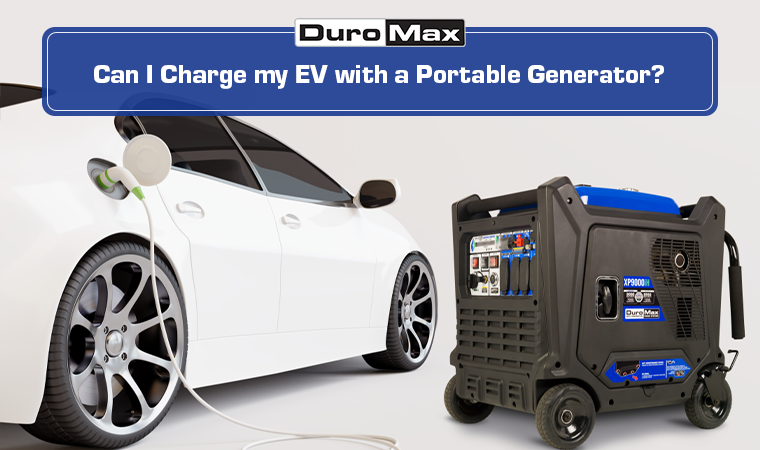
Credit: www.duromaxpower.com
Frequently Asked Questions
Can You Charge An Ev With A Generator?
Yes, you can charge an EV with a generator. Ensure the generator’s power output matches your EV’s charging requirements for safe and efficient charging.
What Type Of Generator For Ev Charging?
A generator with a stable power output and sufficient wattage is required. Inverter generators are highly recommended due to their consistent power delivery.
Is Generator Charging Safe For Evs?
Charging an EV with a generator is generally safe. Ensure the generator is properly maintained and follows the EV manufacturer’s charging guidelines.
How Long To Charge An Ev With A Generator?
The charging time depends on the generator’s power output and your EV’s battery capacity. It can take several hours to fully charge.
Conclusion
Charging an EV with a generator is possible, but not ideal. Generators can provide power during emergencies. However, they are less efficient than direct charging stations. It’s important to check the compatibility of your generator and EV. Safety should always be a priority when using generators.
Consult your EV manual and follow guidelines. Understanding your options ensures you stay prepared. Always consider the environment and efficiency. Choosing the right method can save you time and trouble. Stay informed and make the best choice for your EV charging needs.