Alkaline Battery Vs Non Alkaline Battery: Ultimate Performance Showdown
When it comes to powering your devices, choosing the right battery can make all the difference. You might have heard about alkaline batteries and non-alkaline batteries, but do you really know how they compare?
Picking the wrong one could mean your gadgets don’t last as long as you want or that you’re spending more money than necessary. You’ll discover the key differences between alkaline and non-alkaline batteries, so you can make smarter choices and get the most out of your power sources.
Keep reading to find out which battery fits your needs perfectly.

Credit: www.micropower-battery.com
Alkaline Battery Basics
Alkaline batteries are common power sources in many devices. They use a special mix of chemicals to create energy. These batteries are popular because they last longer than some other types. Understanding how they work helps in choosing the right battery for your needs.
Let’s explore the basics of alkaline batteries. This includes their chemical makeup, where they are used, and how long they typically last.
Chemical Composition
Alkaline batteries use zinc and manganese dioxide. The zinc acts as the negative electrode. Manganese dioxide is the positive electrode. The electrolyte is a basic solution, usually potassium hydroxide. This mix allows the battery to produce steady power.
Common Uses
Alkaline batteries power many everyday items. Remote controls, clocks, and flashlights often use them. Toys and portable radios also rely on alkaline batteries. Their steady power suits devices with moderate energy needs.
Typical Lifespan
Alkaline batteries last longer than many other types. They usually work well for months in low-drain devices. High-drain devices may drain them faster. Proper storage can keep them useful for years before use.
Non Alkaline Battery Types
Non alkaline batteries come in several types, each with unique uses and features. These batteries often serve different purposes than alkaline ones. Understanding these types helps choose the right battery for your needs.
Zinc-carbon Batteries
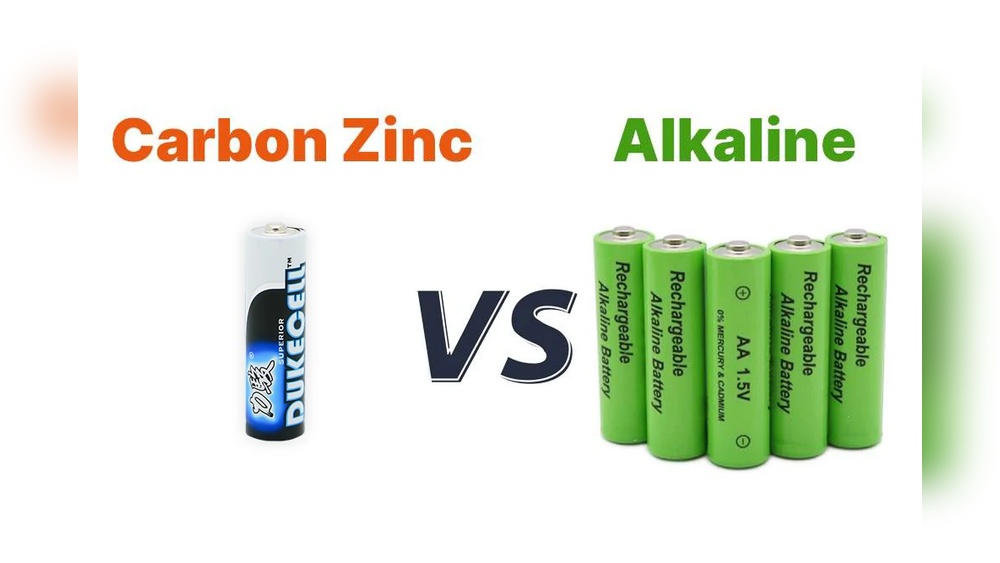
Zinc-carbon batteries are one of the oldest battery types. They are cheap and widely available. These batteries work well in low-drain devices like remote controls and clocks. Their energy lasts shorter compared to alkaline batteries. Zinc-carbon batteries can leak if left unused for a long time.
Lithium Batteries
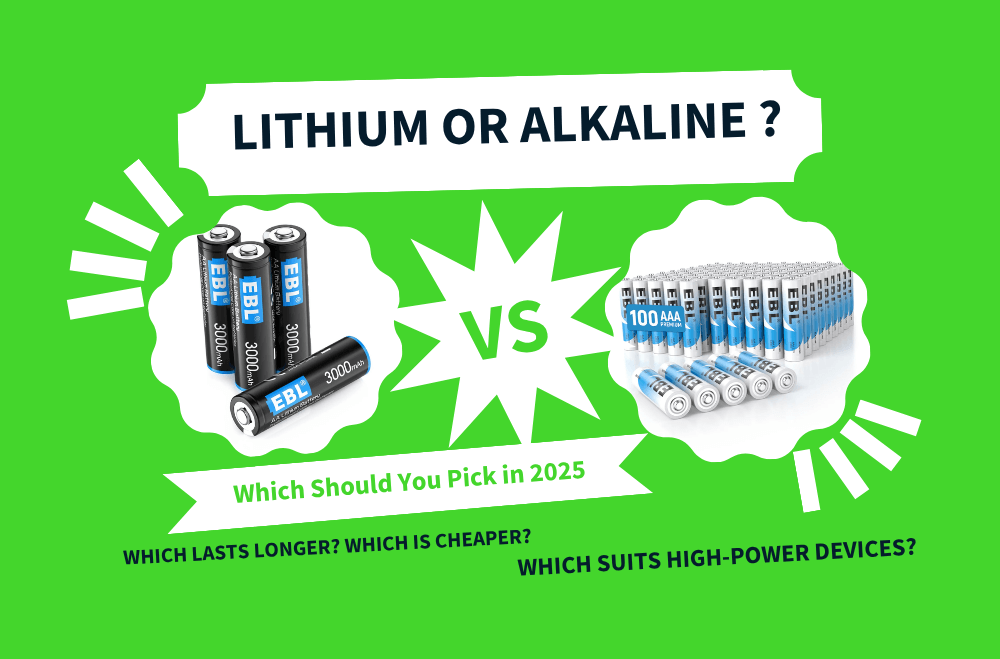
Lithium batteries offer high energy and long shelf life. They perform well in extreme temperatures. These batteries power cameras, watches, and medical devices. Lithium batteries are lightweight and compact. Their higher cost matches their strong performance.
Nickel-based Batteries
Nickel-based batteries include nickel-cadmium and nickel-metal hydride types. They are rechargeable and durable. These batteries suit power tools and cordless phones. Nickel-metal hydride batteries hold more charge than nickel-cadmium. Both types have a memory effect reducing capacity if not fully discharged.
Performance Comparison
Understanding how alkaline and non-alkaline batteries perform helps you pick the right one. Performance varies in key areas like energy capacity, voltage stability, and shelf life. These factors affect how long and well your devices run.
Energy Capacity
Alkaline batteries hold more energy than non-alkaline types. They last longer in devices that need steady power. Non-alkaline batteries, such as zinc-carbon, drain faster. This difference matters for gadgets like remote controls and toys.
Voltage Stability
Alkaline batteries maintain a steady voltage during use. This means devices work smoothly without sudden power drops. Non-alkaline batteries often show voltage decline as they discharge. This can cause devices to run poorly or stop unexpectedly.
Shelf Life
Alkaline batteries keep their charge longer on shelves. They can last up to 5-7 years unopened. Non-alkaline batteries tend to lose power quicker, often within 2-3 years. Longer shelf life means alkaline batteries are better for emergency kits.
Cost And Availability
Cost and availability are key factors when choosing between alkaline and non-alkaline batteries. These aspects affect daily use and long-term expenses. Knowing the differences helps in making better choices for your needs.
Price Differences
Non-alkaline batteries usually cost less than alkaline ones. This lower price suits low-drain devices like remote controls. Alkaline batteries tend to last longer, which may save money over time. The upfront cost for alkaline is higher but often worth it for frequent use.
Market Availability
Alkaline batteries are widely available in most stores worldwide. You can find them easily in supermarkets, online, and specialty shops. Non-alkaline batteries are less common but still found in many places. Alkaline’s popularity makes it easier to replace quickly when needed.
Environmental Impact
Non-alkaline batteries often contain fewer harmful chemicals. They can be less damaging to the environment when disposed of properly. Alkaline batteries have improved in eco-friendliness but still pose risks if thrown away carelessly. Recycling programs for both types help reduce waste and pollution.
Best Use Cases
Choosing the right battery depends on the device and its power needs. Alkaline and non-alkaline batteries serve different purposes. Knowing their best use cases helps save money and improve performance.
High-drain Devices
High-drain devices need strong and steady power. Alkaline batteries work well here. They last longer and provide consistent energy. Examples include digital cameras, toys, and game controllers. Using alkaline batteries prevents quick power loss in these gadgets.
Low-drain Devices
Non-alkaline batteries suit low-drain devices. These devices use power slowly. Remote controls, clocks, and smoke detectors fit this group. Non-alkaline options, like zinc-carbon batteries, cost less. They work fine for devices that do not need much power.
Emergency Situations
In emergencies, reliable power is critical. Alkaline batteries are best for flashlights and radios. They stay effective over time and under stress. Keeping alkaline batteries ready ensures devices work when needed most. Non-alkaline batteries may lose power faster in such cases.
Credit: www.eblofficial.com
Battery Safety Tips
Batteries power many devices in daily life. Using them safely is very important. Both alkaline and non-alkaline batteries need careful handling. Following simple safety tips helps avoid accidents and damage. Learn how to handle, store, and dispose of batteries properly. Prevent leaks and keep your devices safe.
Handling And Storage
Always keep batteries dry and cool. Avoid extreme heat or cold. Store batteries in their original packaging or a battery case. Do not mix old and new batteries. Keep batteries away from metal objects. Remove batteries from devices if not used for a long time. This prevents corrosion and damage.
Disposal Guidelines
Do not throw batteries in the trash. Many contain harmful chemicals. Take used batteries to a recycling center. Follow local rules for battery disposal. Proper disposal protects the environment. It also prevents fire risks from damaged batteries.
Avoiding Leakage
Check batteries regularly for signs of damage. Remove batteries if devices will not be used for months. Do not recharge non-rechargeable batteries. Leakage can damage devices and cause skin irritation. Clean battery contacts with a dry cloth. Replace leaking batteries immediately to avoid harm.
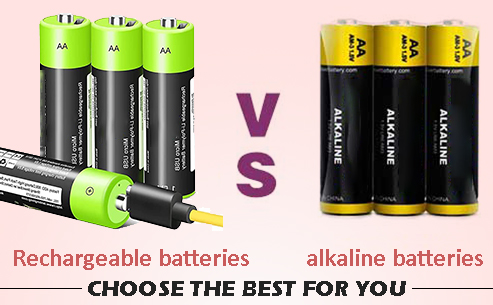
Credit: www.tycorun.com
Frequently Asked Questions
What Are The Main Differences Between Alkaline And Non-alkaline Batteries?
Alkaline batteries have higher energy density and longer shelf life. Non-alkaline batteries, like zinc-carbon, are cheaper but offer less power and shorter life.
Which Battery Type Is Better For High-drain Devices?
Alkaline batteries perform better in high-drain devices such as cameras and toys. Non-alkaline batteries are less efficient in powering such gadgets.
Are Alkaline Batteries More Environmentally Friendly Than Non-alkaline?
Alkaline batteries contain fewer toxic metals and are easier to recycle. Non-alkaline batteries often have harmful chemicals, impacting the environment more.
Can Non-alkaline Batteries Replace Alkaline Batteries In All Devices?
Non-alkaline batteries can replace alkaline ones in low-drain devices. However, they may underperform or drain quickly in high-drain electronics.
Conclusion
Choosing between alkaline and non-alkaline batteries depends on your needs. Alkaline batteries last longer in many devices. Non-alkaline types can be cheaper and work well for low-drain gadgets. Consider how often you use the device and its power needs. Keep in mind the cost and battery life balance.
Both types have their pros and cons. Use this guide to pick the best battery for you. Simple choices make your devices run smoothly.