Alkaline Vs Silver Oxide Battery: Key Differences You Must Know
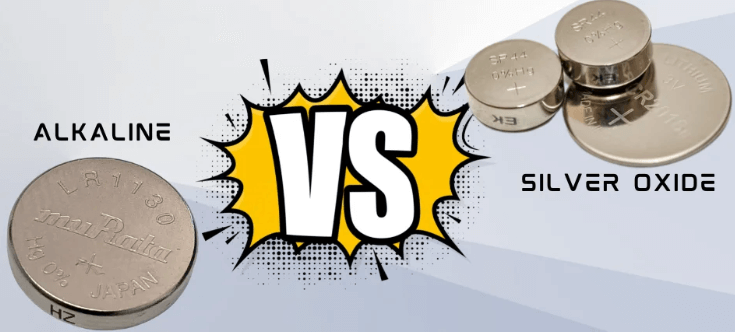
When it comes to powering your devices, choosing the right battery can make all the difference. You might have seen alkaline and silver oxide batteries in stores, but do you know which one suits your needs best?
Understanding the key differences between alkaline and silver oxide batteries can save you money, improve your device’s performance, and prevent unexpected power failures. You’ll discover exactly how these two battery types work, their pros and cons, and which one is the perfect fit for your gadgets.
Keep reading to make smarter, more confident choices for your power needs.
Credit: www.allelcoelec.com
Battery Composition
The composition of a battery plays a key role in its performance and use. Alkaline and silver oxide batteries differ mainly in the materials and chemicals inside them. These differences affect their power output, lifespan, and cost. Understanding what makes up each battery helps choose the right one for your devices.
Materials Used
Alkaline batteries use zinc and manganese dioxide. Zinc acts as the anode, while manganese dioxide is the cathode. The electrolyte is a potassium hydroxide solution. Silver oxide batteries contain silver oxide as the cathode and zinc as the anode. Their electrolyte is a strong alkaline solution. Silver oxide batteries often use a thin layer of silver, which adds to their cost.
Chemical Reactions
In alkaline batteries, zinc reacts with manganese dioxide during discharge. This reaction produces electrical energy and zinc oxide as a byproduct. Silver oxide batteries undergo a reaction between zinc and silver oxide. This process creates a steady voltage output and fewer side reactions. Silver oxide batteries maintain a stable voltage for longer periods. Both batteries convert chemical energy into electrical energy but with different efficiency levels.
Voltage And Capacity
Voltage and capacity are key factors in choosing the right battery type. They affect how long a device runs and how well it performs. Understanding these differences helps select the best battery for your needs.
Typical Voltage Output
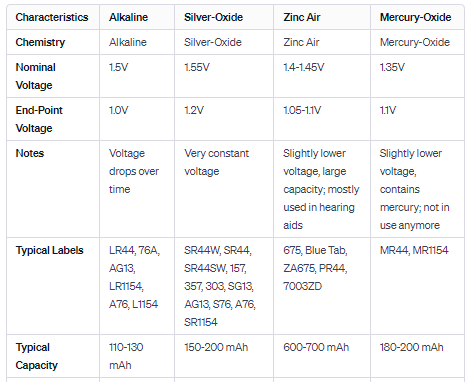
Alkaline batteries usually have a voltage of 1.5 volts. This voltage stays fairly steady during use. Silver oxide batteries have a voltage of about 1.55 volts. This slightly higher voltage helps devices run more efficiently. Silver oxide batteries maintain voltage better as they drain. This means devices get consistent power until the battery is almost empty.
Energy Storage
Alkaline batteries store energy using zinc and manganese dioxide. They offer good capacity for everyday devices. Silver oxide batteries use silver oxide and zinc, which provides higher energy density. This means they store more energy in a smaller size. Silver oxide batteries last longer in small electronics like watches and cameras. Alkaline batteries are better for devices needing moderate power for a longer time.
Performance And Lifespan
Understanding the performance and lifespan of alkaline and silver oxide batteries helps you choose the right power source. Both batteries serve different needs depending on device type and usage. Knowing how they perform and last can save money and prevent frequent replacements.
Discharge Rates
Alkaline batteries have a higher discharge rate. This makes them suitable for devices with moderate energy needs. Silver oxide batteries discharge slowly. They provide steady power for low-drain devices like watches and calculators.
Slow discharge means silver oxide batteries last longer during use. Alkaline batteries lose energy quicker under heavy use. This difference affects device performance and battery replacement timing.
Shelf Life
Silver oxide batteries offer a longer shelf life than alkaline batteries. They can store power for up to five years without losing much energy. Alkaline batteries typically last about two to three years on the shelf.
A longer shelf life means silver oxide batteries are better for emergency use or backup power. Alkaline batteries are good for everyday devices but may need replacement sooner if unused for long.

Credit: schneidan.com
Applications And Uses
Batteries power many devices in daily life and special tools. Choosing the right battery affects how well these devices work. Alkaline and silver oxide batteries serve different purposes. Their unique features make them fit for specific uses. Understanding these uses helps pick the best battery for each need.
Common Devices
Alkaline batteries are popular in many household items. They power remote controls, flashlights, and wall clocks. Their cost is low, and they last long in low-drain devices. Toys and small radios often use alkaline cells. These batteries are easy to find in stores everywhere.
Silver oxide batteries mostly appear in small electronics. Watches and calculators often use them. Their stable voltage helps these devices keep accurate time. Hearing aids rely on silver oxide cells for clear sound. These batteries fit well in tiny gadgets.
Specialized Uses
Silver oxide batteries excel in medical devices. They power glucose meters and heart rate monitors. Their steady power output is critical for device accuracy. Some cameras use silver oxide for flash functions. These batteries perform well in devices needing precise energy.
Alkaline batteries suit emergency equipment and portable tools. They work in smoke detectors and handheld game consoles. Their availability makes them ideal for backup power. Alkaline cells handle devices needing bursts of energy. They support many practical tools in daily life.
Cost And Availability
Cost and availability play a big role in choosing between alkaline and silver oxide batteries. Understanding these factors helps pick the right battery for everyday use or special devices. Both types serve different needs and budgets.
Price Differences
Alkaline batteries cost less than silver oxide ones. They are made with cheaper materials. Silver oxide batteries have a higher price due to their better performance and longer life. The price gap can affect your choice if you need many batteries.
Though silver oxide batteries cost more, they last longer in small devices. This can save money over time. Alkaline batteries work well for low-drain devices and are easy to replace.
Market Accessibility
Alkaline batteries are widely available in most stores worldwide. You can find them in supermarkets, convenience stores, and online. They come in many sizes and brands, making them easy to buy.
Silver oxide batteries are less common. You usually find them in specialty shops or online stores. These batteries are often used in watches, calculators, and hearing aids. Their availability depends on the region and device demand.
Environmental Impact
Batteries impact the environment in many ways. Choosing between alkaline and silver oxide batteries means thinking about their waste and recycling. Each type has different effects after use. Understanding these differences helps us protect nature better.
Disposal Concerns
Alkaline batteries contain metals like zinc and manganese. These metals can leak into soil and water if thrown away carelessly. Silver oxide batteries hold small amounts of silver. Silver is toxic to plants and animals in large amounts. Both types should not go into regular trash bins. Improper disposal can harm ecosystems and human health.
Recycling Options
Recycling saves resources and reduces pollution. Alkaline batteries are easier to recycle in many places. They can be processed to recover metals and reduce waste. Silver oxide batteries need special handling due to their silver content. Some recycling centers accept them but fewer than alkaline. Checking local recycling rules is important before disposal.
Credit: www.ovaga.com
Frequently Asked Questions
What Is The Main Difference Between Alkaline And Silver Oxide Batteries?
Alkaline batteries use zinc and manganese dioxide, while silver oxide batteries use silver oxide and zinc. Silver oxide batteries offer higher energy density and more stable voltage than alkaline batteries.
Which Battery Lasts Longer: Alkaline Or Silver Oxide?
Silver oxide batteries generally last longer due to their higher energy density and stable voltage output. Alkaline batteries tend to drain faster under high-drain devices.
Are Silver Oxide Batteries More Expensive Than Alkaline Batteries?
Yes, silver oxide batteries cost more due to their advanced chemistry and better performance. However, their longer life often justifies the higher price.
Can Alkaline Batteries Replace Silver Oxide Batteries In Devices?
Not always. Silver oxide batteries provide stable voltage crucial for precision devices like watches. Alkaline batteries may cause performance issues in such devices.
Conclusion
Choosing between alkaline and silver oxide batteries depends on your needs. Alkaline batteries are common and cost less. Silver oxide batteries last longer and hold power better. They work well in small devices like watches. Think about how long you need the battery to last.
Also, consider the device’s power needs. Both types serve different purposes. Your choice affects performance and cost. Simple and clear decisions help you pick the best battery. Use this guide to find the right fit for your devices.