Can Lithium Ion Batteries Leak: Unveiling the Hidden Risks
Yes, lithium-ion batteries can leak. It is a rare occurrence but can happen under certain conditions.
Understanding the risks and causes can help prevent leaks. Lithium-ion batteries power many of our devices today, from smartphones to electric cars. They are known for their efficiency and long life. However, like any technology, they have their risks. Leaking is one such risk, often linked to misuse or damage.
This can cause safety concerns and device malfunctions. Knowing what causes these leaks and how to prevent them is important. In this blog, we will explore the causes, effects, and prevention of lithium-ion battery leaks. Keep reading to learn how to keep your devices safe and functioning.
Introduction To Lithium Ion Batteries
Lithium ion batteries have become a vital part of our daily lives. They are in our phones, laptops, and even electric cars. These batteries are popular due to their high energy density and long life. But, have you ever wondered if they can leak? Let’s first understand what lithium ion batteries are.
What Are Lithium Ion Batteries?
Lithium ion batteries are rechargeable batteries. They use lithium ions to store and release energy. The battery has three main parts: the anode, cathode, and electrolyte. These parts work together to produce power. Lithium ions move from the anode to the cathode during discharge and back when charging.
Common Uses Of Lithium Ion Batteries
Lithium ion batteries are used in many devices. Here are some common uses:
- Smartphones: Almost all smartphones use lithium ion batteries. They provide long battery life in a small size.
- Laptops: Laptops use these batteries for their high energy capacity.
- Electric Vehicles: Electric cars use large lithium ion batteries to store energy.
- Power Tools: Many cordless tools use these batteries for their power and efficiency.
| Device | Battery Type |
|---|---|
| Smartphone | Lithium Ion |
| Laptop | Lithium Ion |
| Electric Vehicle | Lithium Ion |
| Power Tool | Lithium Ion |
How Lithium Ion Batteries Work
Lithium-ion batteries are the most common type of rechargeable batteries today. They power devices like smartphones, laptops, and electric cars. To understand if they can leak, let’s first explore how they work.
Basic Components
Every lithium-ion battery has three main parts:
- Anode: Made of graphite, stores lithium ions during charging.
- Cathode: Often made from lithium cobalt oxide, stores ions during discharging.
- Electrolyte: A liquid or gel that helps ions move between anode and cathode.
Charging And Discharging Process
Understanding the charging and discharging process is key:
- Charging: Lithium ions move from the cathode to the anode through the electrolyte. This stores energy.
- Discharging: Ions move back to the cathode from the anode. This releases energy to power your device.
During these processes, electrons flow through the device’s circuit, providing power.
| Component | Function |
|---|---|
| Anode | Stores lithium ions during charging |
| Cathode | Stores ions during discharging |
| Electrolyte | Allows ion movement between anode and cathode |
By understanding these basics, you can grasp how lithium-ion batteries function. This knowledge helps in recognizing their strengths and potential issues, like leaking.
Potential For Leakage
Lithium-ion batteries are widely used in modern devices. They power everything from smartphones to electric cars. While efficient, they can pose risks. One concern is the potential for leakage. A leaking battery can cause serious damage. It can harm devices and pose safety risks.
Causes Of Leakage
Several factors can cause lithium-ion batteries to leak. Physical damage is a common cause. Dropping a device can damage the battery. Overcharging can also lead to leakage. High temperatures can cause the battery to overheat. Manufacturing defects may also result in leaks. Poor quality control can lead to faulty batteries.
Signs Of A Leaking Battery
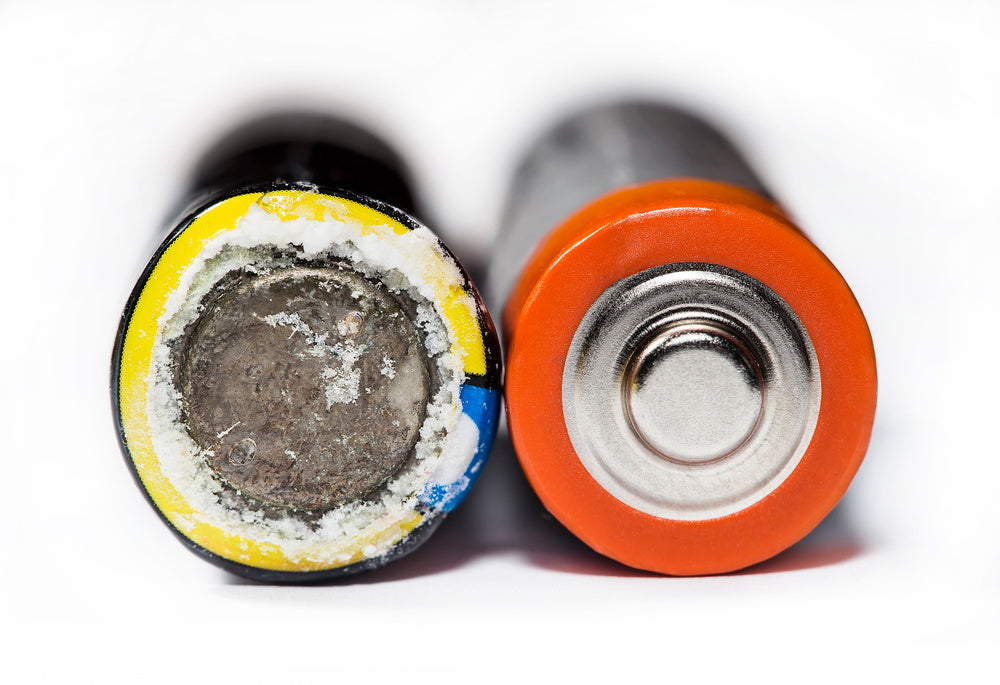
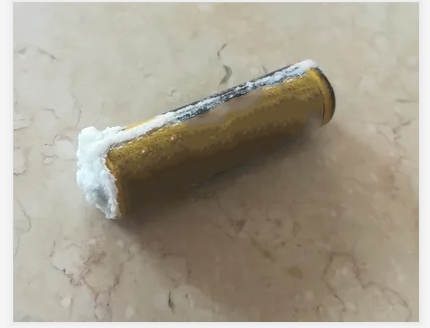
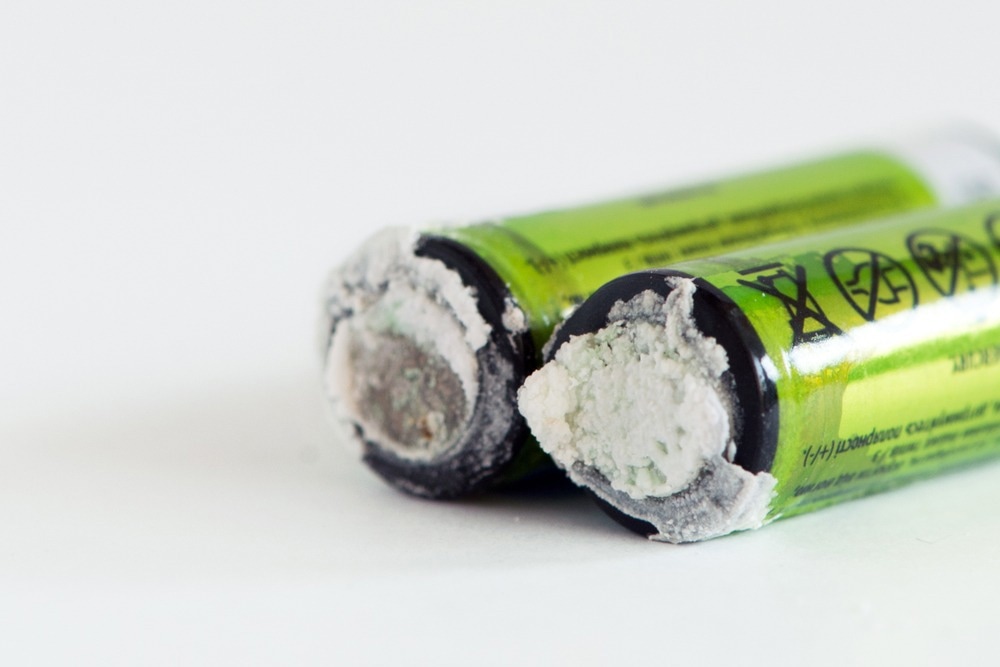
There are signs that a battery is leaking. One sign is a swollen battery. If the battery bulges, it may be leaking. Another sign is a strange smell. A leaking battery can emit a chemical odor. Look for liquid around the battery. Leakage can cause liquid to seep out. Device malfunction can also be a sign. If your device stops working, check the battery.
Credit: paleblueearth.com
Chemical Risks
Lithium-ion batteries are widely used in everyday gadgets. They power phones, laptops, and even cars. But these batteries can pose chemical risks. Understanding these risks can help you stay safe. This section covers the potential dangers.
Hazardous Materials Inside
Lithium-ion batteries contain several hazardous materials. These materials include lithium, nickel, cobalt, and electrolyte solvents. Each of these can be dangerous. For example, lithium is highly reactive. It can catch fire if exposed to air or water.
Cobalt and nickel are toxic metals. They can cause health problems if inhaled or ingested. The electrolyte solvents can also be harmful. They are often flammable and can cause chemical burns.
| Material | Risk |
|---|---|
| Lithium | Highly reactive, can catch fire |
| Nickel | Toxic, can cause respiratory issues |
| Cobalt | Toxic, can cause skin and lung issues |
| Electrolyte Solvents | Flammable, can cause chemical burns |
Health Implications
Exposure to the chemicals in lithium-ion batteries can harm your health. Even a small leak can release harmful substances. Direct contact with these chemicals can irritate your skin and eyes. Inhaling the fumes can affect your respiratory system.
- Skin Contact: May cause burns and irritation.
- Eye Contact: Can result in severe irritation or damage.
- Inhalation: Can lead to respiratory problems.
Long-term exposure to these chemicals can have more serious effects. It can cause chronic respiratory issues and other health problems.
Environmental Impact
Lithium-ion batteries are popular for their efficiency and long life. But, they have significant environmental impacts. Understanding these impacts can help us make better choices.
Pollution Risks
Lithium-ion batteries can leak harmful chemicals. These chemicals include cobalt, nickel, and lithium.
When batteries leak, these chemicals can enter the soil and water. This can lead to serious pollution problems. The leaked chemicals can harm plants and animals.
In humans, exposure to these chemicals can cause health issues. For example, cobalt exposure can lead to lung problems.
Here is a table summarizing the pollution risks:
| Chemical | Source | Impact |
|---|---|---|
| Lithium | Batteries | Soil and water pollution |
| Cobalt | Batteries | Health issues |
| Nickel | Batteries | Ecological harm |
Recycling Challenges
Recycling lithium-ion batteries is complex. These batteries contain multiple materials, which need to be separated.
Recycling centers require special technology for this process. This makes recycling expensive. Many facilities are not equipped to handle it.
Recycling challenges lead to more batteries ending up in landfills. This increases the risk of pollution. Finding ways to improve recycling can help reduce the environmental impact.
- Invest in recycling technology
- Encourage proper battery disposal
- Support battery recycling programs
Credit: www.dnkpower.com
Safety Measures
Lithium-ion batteries are widely used in everyday devices. While they offer many benefits, they also come with some risks. One important concern is the potential for leakage. To minimize the dangers, it is crucial to follow proper safety measures. Below are some key tips for ensuring your lithium-ion batteries remain safe.
Proper Storage
Storing lithium-ion batteries correctly can prevent leaks and extend their life. Follow these guidelines for safe storage:
- Keep batteries in a cool, dry place.
- Avoid exposure to high temperatures or direct sunlight.
- Store batteries in their original packaging or a battery case.
- Do not store batteries near metal objects to avoid short circuits.
Safe Disposal Methods
Disposing of lithium-ion batteries safely is essential to prevent leaks and environmental harm. Here are some safe disposal methods:
- Check local regulations for battery disposal.
- Take batteries to a designated recycling center.
- Do not throw batteries in regular trash bins.
- Use a battery recycling program if available.
Following these safety measures can significantly reduce the risks associated with lithium-ion batteries. Proper storage and disposal are key to preventing leaks and ensuring safety.
Industry Regulations
Industry Regulations play a crucial role in ensuring the safety and efficiency of lithium-ion batteries. These regulations are designed to prevent leaks, which can cause severe damage and pose significant risks. By adhering to these standards, manufacturers can maintain high safety levels and protect consumers.
Current Standards
Current industry standards for lithium-ion batteries are rigorous. Organizations like the International Electrotechnical Commission (IEC) and Underwriters Laboratories (UL) set these standards. They focus on various safety aspects:
- Battery design and construction
- Performance testing
- Environmental testing
These standards ensure batteries can withstand different conditions without leaking. Regular testing helps identify potential issues before they become problems.
Future Policies
Future policies aim to enhance current regulations. They focus on advanced safety measures and innovative technology. Upcoming policies may include:
- More stringent testing procedures
- Improved materials for battery construction
- Enhanced monitoring systems for early leak detection
These policies will likely reduce the risk of leaks even further. They will also encourage manufacturers to adopt safer practices.
By staying updated with industry regulations, both current and future, we can ensure a safer environment. This will benefit everyone who uses lithium-ion batteries.
Innovations In Battery Safety
Innovations in Battery Safety have become crucial as the demand for lithium-ion batteries increases. New technologies and ongoing research aim to reduce the risk of leaks and enhance the overall safety of these batteries. Below, we explore the latest advancements in battery safety.
New Technologies
Recent advancements in battery technology focus on improving safety features. These include:
- Solid-state batteries: These use solid electrolytes instead of liquid, reducing the risk of leaks.
- Advanced monitoring systems: Sensors and software monitor battery health in real-time, preventing potential failures.
- Better packaging materials: Improved casings protect against physical damage and leaks.
These innovations help ensure the safe use of lithium-ion batteries in various applications.
Research And Development
Ongoing research plays a significant role in enhancing battery safety. Researchers are exploring:
- New electrolyte compositions: These aim to reduce flammability and improve stability.
- Advanced cathode materials: These materials enhance safety and performance.
- Self-healing technologies: These help batteries recover from minor damage, preventing leaks.
These efforts contribute to developing safer, more reliable lithium-ion batteries for everyday use.
Credit: www.azosensors.com
Frequently Asked Questions
Can Lithium Ion Batteries Leak?
Yes, lithium ion batteries can leak under certain conditions. Damage, overcharging, or extreme temperatures may cause leakage.
What Happens If A Lithium Battery Leaks?
Leakage from a lithium battery can lead to corrosion, potential fire hazards, and damage to electronic devices.
How To Prevent Lithium Battery Leaks?
To prevent leaks, avoid overcharging, exposing to extreme temperatures, and using damaged batteries.
Are Leaking Lithium Batteries Dangerous?
Yes, leaking lithium batteries are dangerous. They can cause fires, chemical burns, and damage to devices.
Conclusion
Lithium-ion batteries can leak, but it’s rare. Proper handling is key. Avoid physical damage and extreme temperatures. Regularly check for signs of damage. Dispose of old batteries responsibly. Safe usage ensures longevity and safety. Always follow manufacturer guidelines. Stay informed and protect your devices.
Understanding battery care extends their life. Stay safe and maintain your batteries well.