

Cca Vs Ca Battery: Key Differences You Must Know Today
When it comes to choosing the right battery for your vehicle, you might have come across the terms CCA and CA. But what do these letters really mean, and why should you care?
Understanding the difference between CCA (Cold Cranking Amps) and CA (Cranking Amps) can save you from unexpected breakdowns, especially in tough weather conditions. If you want to make sure your car starts every time, no matter the temperature, keep reading.
This simple guide will help you pick the perfect battery for your needs, so you can drive with confidence and peace of mind.
Credit: www.marshallbatteries.com.au
Basics Of Cca And Ca Batteries
Batteries power many things, especially cars. Two common terms about batteries are CCA and CA. These terms explain how strong a battery is. Understanding these basics helps you choose the right battery for your vehicle.
Each rating tells about the battery’s ability to start an engine. They measure power but in different ways. Knowing the difference can save you trouble in cold weather or tough driving conditions.
What Is Cca Battery?
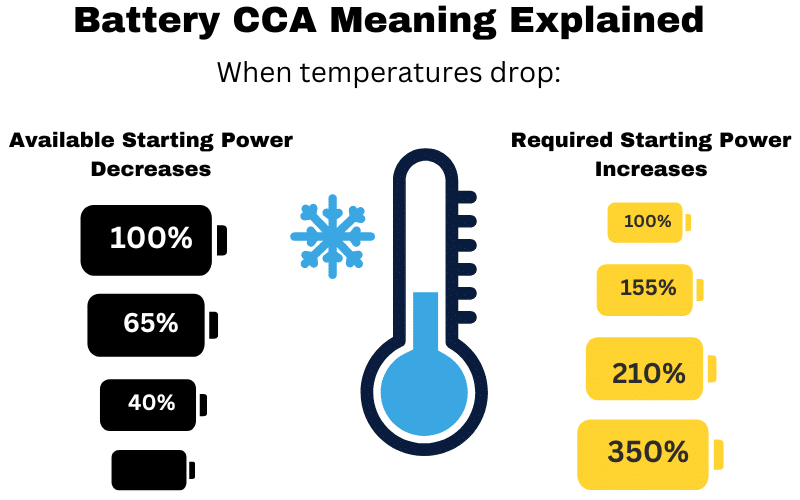
CCA stands for Cold Cranking Amps. It tells how much power a battery gives at 0°F. This power helps start the engine in cold weather. A higher CCA means better starting power in winter.
Cars need strong power to start in cold places. CCA shows if a battery can do this job. It is a key factor for people in cold climates.
What Is Ca Battery?
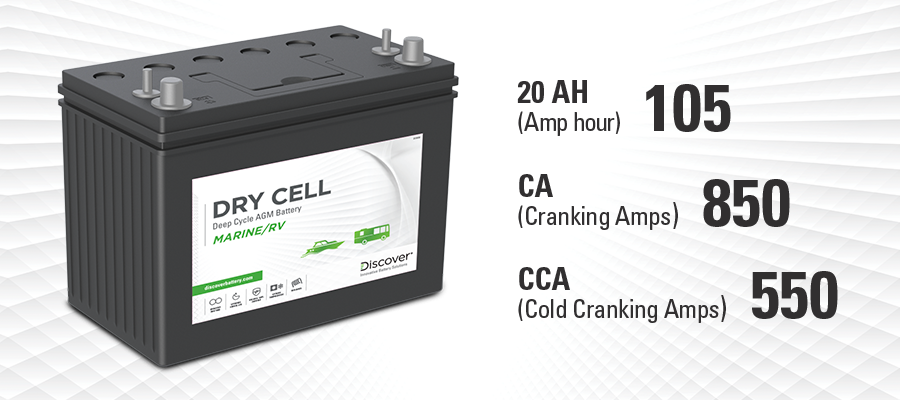
CA means Cranking Amps. It measures power at 32°F. This is the battery’s strength in normal weather. CA is usually higher than CCA because it is tested at warmer temperature.
CA helps understand how the battery works in mild conditions. It is useful for areas with moderate climates. This rating shows the battery’s general starting power.
Measurement And Ratings
Understanding battery measurements helps choose the right battery for vehicles. Ratings like CCA and CA show how well a battery performs in different conditions. These numbers guide you in picking a battery that fits your needs.
Cold Cranking Amps Explained
Cold Cranking Amps (CCA) measure a battery’s ability to start an engine in cold weather. It shows how much current a battery can deliver for 30 seconds at 0°F without dropping below 7.2 volts. Higher CCA means better starting power in freezing temperatures. This rating is crucial in places with cold winters.
Cranking Amps And Their Significance
Cranking Amps (CA) measure the current a battery can provide at 32°F for 30 seconds. It is usually higher than CCA because the temperature is warmer. CA indicates how well a battery starts an engine in mild conditions. Both ratings help compare batteries, but CCA is more important in cold climates.
Performance In Different Temperatures
Batteries perform differently depending on the temperature. Cold and warm weather affect battery life and power. Understanding how Cold Cranking Amps (CCA) and Cranking Amps (CA) behave helps in choosing the right battery for your needs.
Battery Behavior In Cold Weather
Cold weather reduces a battery’s ability to start an engine. CCA measures power at 0°F (-18°C). It shows how well a battery works in freezing conditions. Higher CCA means better starting power in cold climates. CA measures power at 32°F (0°C). It is less useful for very cold weather. Batteries with higher CCA handle cold starts better. Cold lowers battery chemical reactions. This makes the battery weaker and slower to start engines.
Battery Behavior In Warm Weather
Warm weather improves battery performance. CA rating reflects battery power at 32°F, closer to warm temperatures. Batteries deliver more power as temperatures rise. Warm weather helps chemical reactions inside the battery. This increases the battery’s cranking ability. But heat can cause faster battery wear. High temperatures speed up battery aging. CCA is less important in warm climates. CA rating better shows battery strength in warm weather.
Application And Usage
Batteries play a vital role in powering vehicles and machines. Choosing the right battery depends on the specific needs of the device or vehicle. Both CCA and CA batteries serve different purposes based on how they deliver power. Understanding their applications helps in selecting the best fit for your needs.
Best Use Cases For Cca Batteries
Cold Cranking Amps (CCA) batteries excel in cold weather. They provide a strong burst of power to start engines quickly. Cars in cold climates benefit most from CCA batteries. Trucks, SUVs, and vehicles with larger engines also need high CCA ratings. These batteries ensure reliable starts on chilly mornings. They are perfect for winter conditions and areas with freezing temperatures.
Best Use Cases For Ca Batteries
Cranking Amps (CA) batteries work well in moderate temperatures. They deliver steady power for starting engines in warmer climates. Vehicles used in mild weather or indoors suit CA batteries better. Lawn mowers, boats, and motorcycles often use CA batteries. These batteries support quick starts but focus more on sustained power. They offer good performance without the extra cold-weather strength.
Choosing The Right Battery
Choosing the right battery for your vehicle can make a big difference. It affects how well your car starts and how long the battery lasts. Understanding the difference between CCA and CA ratings helps you pick the best option. These ratings tell you about the battery’s power in different conditions. Knowing what to consider and what to avoid makes the choice easier.
Factors To Consider
Check the climate where you live. Cold places need batteries with higher CCA. This rating shows how well the battery works in freezing weather. For warmer areas, CA might be enough. Look at your car’s engine size. Larger engines need more power to start. Consider the battery size and fit for your vehicle. Also, think about how often you drive. Frequent short trips can drain batteries faster. Choose a battery that matches your driving habits.
Common Mistakes To Avoid
Do not pick a battery only by price. Cheap batteries may fail sooner. Avoid buying a battery with too low CCA or CA. It can leave you stranded in cold weather. Don’t ignore the battery’s age. Old stock batteries lose power over time. Avoid mismatching the battery size with your car. It can cause installation problems. Never forget to check the warranty. A good warranty shows better quality and support.
Credit: discoverbattery.com
Battery Maintenance Tips
Proper battery maintenance helps your car start smoothly every time. It also saves money by extending battery life. Simple care steps keep your battery in good shape for longer.
Understanding the difference between CCA and CA ratings is important. But regular maintenance plays a bigger role in battery health. Follow these tips to avoid unexpected battery failure.
Extending Battery Life
Keep the battery clean and dry. Dirt or moisture can cause corrosion on terminals. Check the terminals every few weeks for buildup. Use a wire brush to clean corrosion off the terminals.
Avoid short drives that do not fully charge the battery. Longer drives help recharge the battery fully. Turn off all lights and accessories when the engine is off. This reduces battery drain.
Check the battery voltage regularly with a multimeter. A healthy battery should show around 12.6 volts when the engine is off. Replace the battery if voltage drops below 12 volts.
Handling And Storage
Wear gloves and eye protection when handling batteries. Batteries contain acid that can cause burns. Always lift the battery from the bottom. Avoid tipping or dropping it.
Store batteries in a cool, dry place away from direct sunlight. Extreme heat or cold can reduce battery performance. If storing for a long time, charge the battery every month.
Keep the battery terminals covered with protective caps during storage. This prevents accidental short circuits. Store batteries upright to avoid acid leaks.

Credit: auxito.com
Frequently Asked Questions
What Is The Difference Between Cca And Ca Battery Ratings?
CCA (Cold Cranking Amps) measures battery power in cold weather, while CA (Cranking Amps) measures power at 32°F. CCA is crucial for cold climates, whereas CA suits moderate temperatures. Both ratings indicate starting power but under different temperature conditions.
Why Is Cca Important For Car Batteries?
CCA indicates how well a battery starts an engine in cold weather. A higher CCA means better starting power in freezing conditions. It’s essential for vehicles used in cold regions to ensure reliable engine starts during winter.
Can Ca Rating Replace Cca For Battery Selection?
No, CA cannot replace CCA in cold climates. CA measures starting power at moderate temperatures, while CCA reflects performance in cold weather. Choosing based on CCA ensures the battery will start the engine reliably in freezing conditions.
How Do Cca And Ca Affect Battery Lifespan?
Both CCA and CA ratings reflect starting power but don’t directly affect battery lifespan. Proper maintenance, temperature, and usage impact battery life more. However, choosing the right rating ensures efficient starting and reduces strain on the battery.
Conclusion
Choosing between CCA and CA battery depends on your needs. CCA measures how well a battery starts in cold weather. CA shows how much power a battery gives at 32°F. For cold climates, CCA is very important. In warmer areas, CA can be enough.
Always check your vehicle’s requirements before buying. Understanding these terms helps you pick the right battery. A good battery keeps your car running smoothly. Think about your climate and usage to decide wisely.