Fuel Cell Vs Battery: Which Powers the Future Better?
Are you curious about the difference between fuel cells and batteries? Both power up devices, but they do it in very different ways.
Understanding which one suits your needs can save you time, money, and frustration. You’ll discover how fuel cells and batteries work, their pros and cons, and which might be the best fit for your lifestyle or projects. Keep reading to unlock the facts that will help you make smarter energy choices.

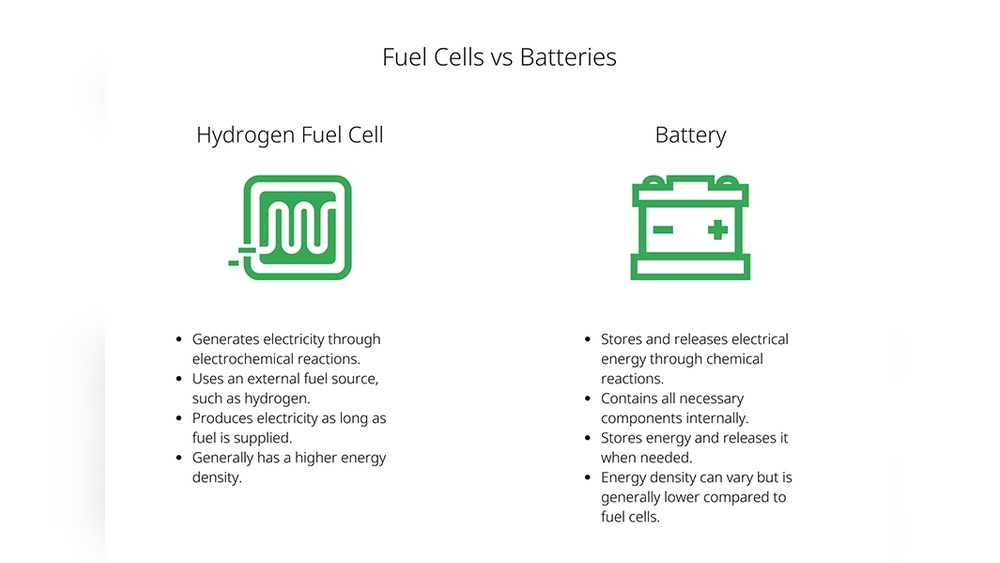
Credit: www.theecoexperts.co.uk
Fuel Cells Basics
Fuel cells are devices that convert chemical energy into electricity. They are clean and efficient power sources. Fuel cells use hydrogen and oxygen to create electricity without burning fuel. This process produces water as the only byproduct. Understanding the basics of fuel cells helps compare them with batteries.
Fuel cells differ from batteries because they do not store energy. Instead, they generate electricity as long as fuel is supplied. This makes fuel cells useful in many areas where long-lasting power is needed.
How Fuel Cells Work
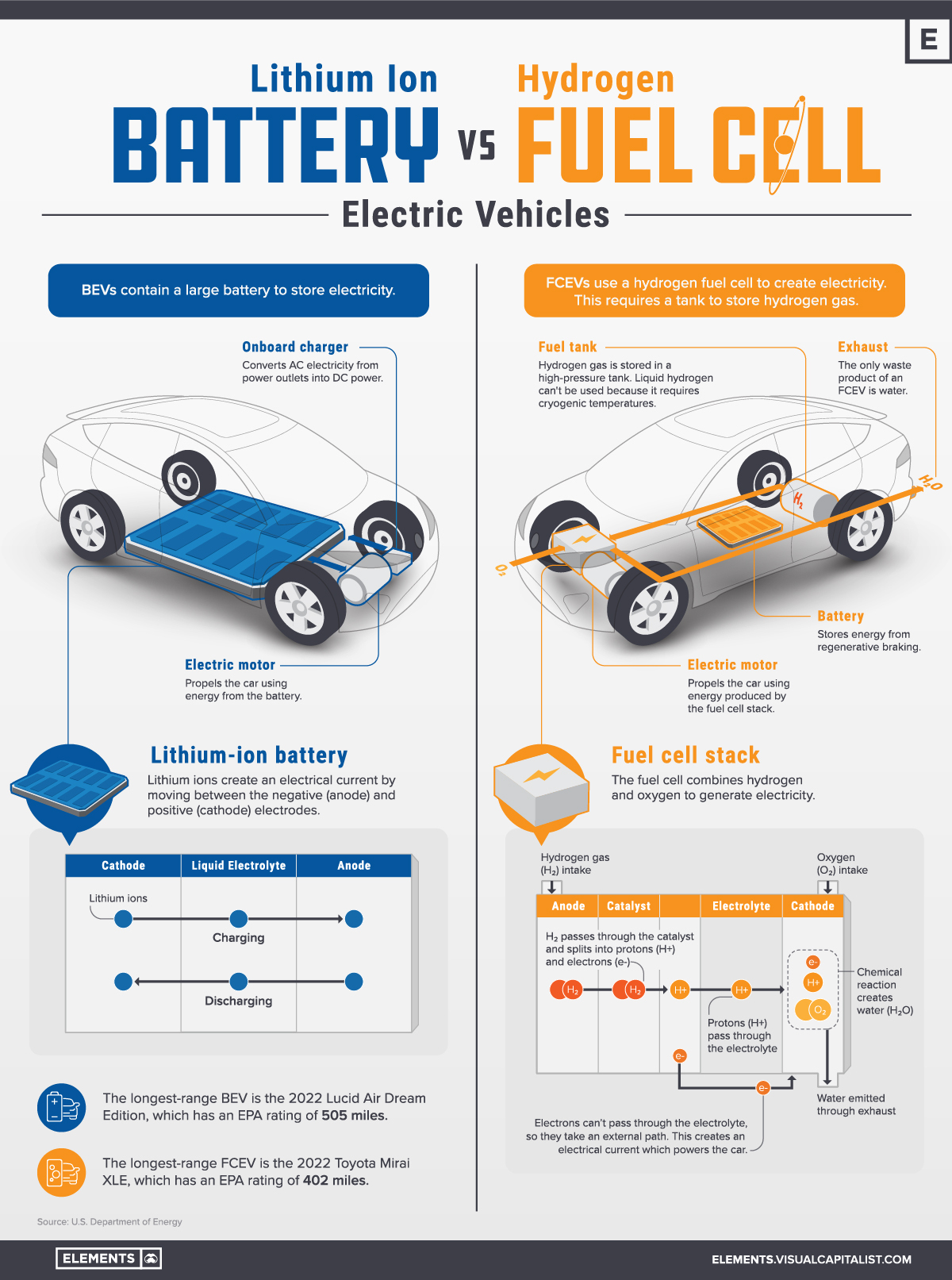
Fuel cells work by combining hydrogen fuel with oxygen from the air. Inside the cell, hydrogen splits into protons and electrons. The electrons flow through an external circuit, creating electricity. Protons move through an electrolyte to meet oxygen and electrons. This reaction produces water and heat.
The process is quiet and produces no harmful emissions. Fuel cells can run continuously if fuel is available.
Types Of Fuel Cells
Several types of fuel cells exist, each with different uses. Proton Exchange Membrane (PEM) fuel cells work at low temperatures. They are small and quick to start. Solid Oxide Fuel Cells (SOFC) operate at high temperatures and are more efficient. Alkaline Fuel Cells (AFC) are used in space missions. Molten Carbonate Fuel Cells (MCFC) suit large power plants.
Each type has strengths and fits specific needs.
Common Applications
Fuel cells power many devices and vehicles today. They are used in cars, buses, and forklifts. Some homes use fuel cells for electricity and heat. Fuel cells also support backup power systems. In remote areas, they provide reliable energy where the grid is weak.
Fuel cells help reduce pollution and lower energy costs in many ways.
Battery Fundamentals
Batteries store energy and provide power for many devices. They convert chemical energy into electrical energy. This process happens inside the battery cells. Understanding how batteries work helps to see their strengths and limits.
Batteries come in many types and sizes. Each type suits different needs and uses. Knowing the basics helps choose the right battery for the right job.
Battery Operation Principles
A battery has two electrodes: anode and cathode. These electrodes are separated by an electrolyte. Chemical reactions occur between electrodes and electrolyte. This reaction creates electrical energy.
Electrons flow from the anode to the cathode through an external circuit. This flow powers devices connected to the battery. The process reverses in rechargeable batteries during charging.
Popular Battery Types
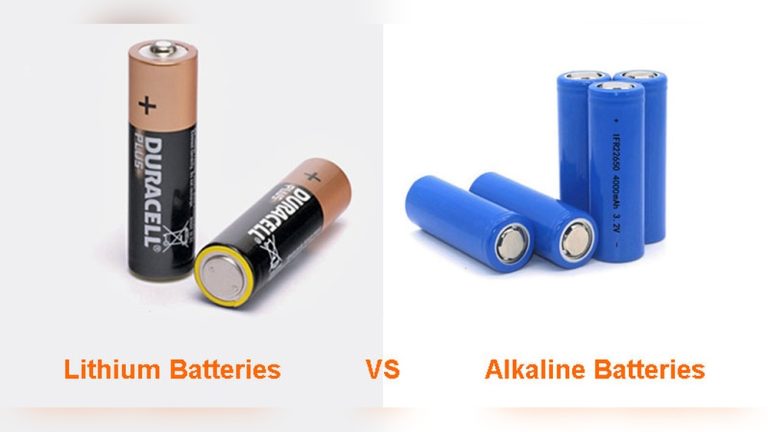
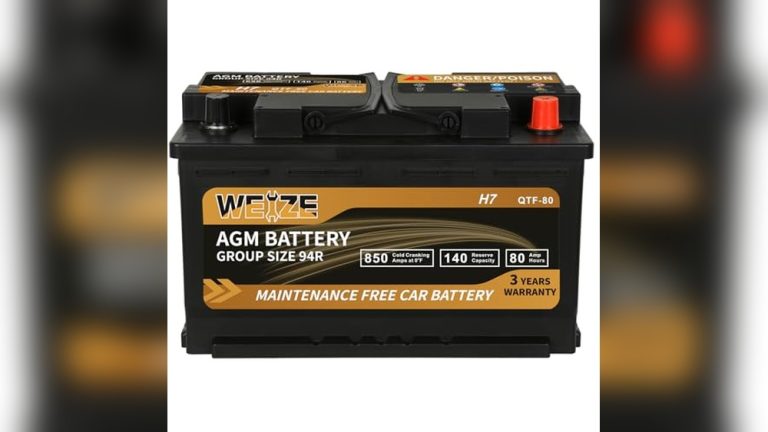
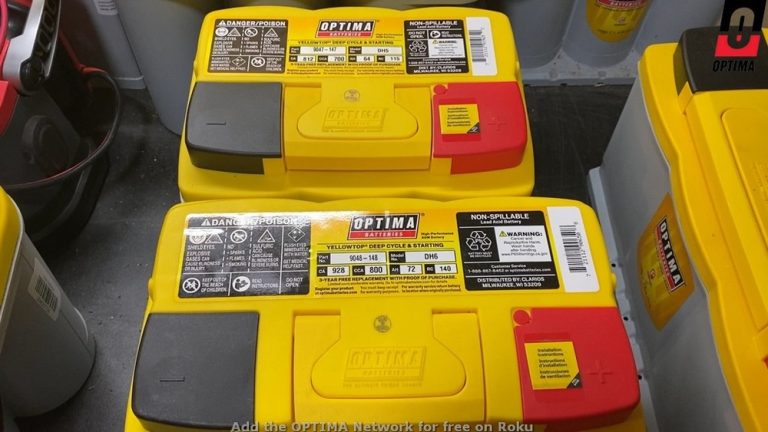
Common batteries include lithium-ion, lead-acid, and nickel-metal hydride. Lithium-ion batteries are light and have high energy. Lead-acid batteries are heavy but cost-effective. Nickel-metal hydride batteries balance cost and performance.
Each battery type has strengths and weaknesses. Choice depends on power needs, weight, and price.
Typical Uses
Batteries power many devices like phones, laptops, and cars. Small batteries fit in remote controls and watches. Large batteries serve electric vehicles and backup power systems.
Battery use depends on size, capacity, and rechargeability. Portable gadgets need lightweight, long-lasting batteries. Vehicles require strong, durable batteries with fast charging.
Energy Efficiency Comparison
Energy efficiency is a key factor when choosing between fuel cells and batteries. It tells us how well each device turns fuel or stored power into usable energy. Higher efficiency means more power and less waste. Let’s explore how fuel cells and batteries perform in this area.
Fuel Cell Efficiency
Fuel cells convert hydrogen or other fuels directly into electricity. Their efficiency usually ranges from 40% to 60%. Some advanced models can reach up to 70%. Efficiency depends on fuel type and system design. Fuel cells produce heat and water as byproducts. This heat can sometimes be used to improve overall efficiency. Still, losses occur during fuel processing and electricity generation.
Battery Efficiency
Batteries store electricity and release it when needed. Their efficiency is generally higher than fuel cells. Lithium-ion batteries often achieve 85% to 95% efficiency. This means less energy loss during charging and discharging. Efficiency varies with battery type and age. Charging speed and temperature also affect performance. Batteries do not produce emissions during use.
Real-world Performance
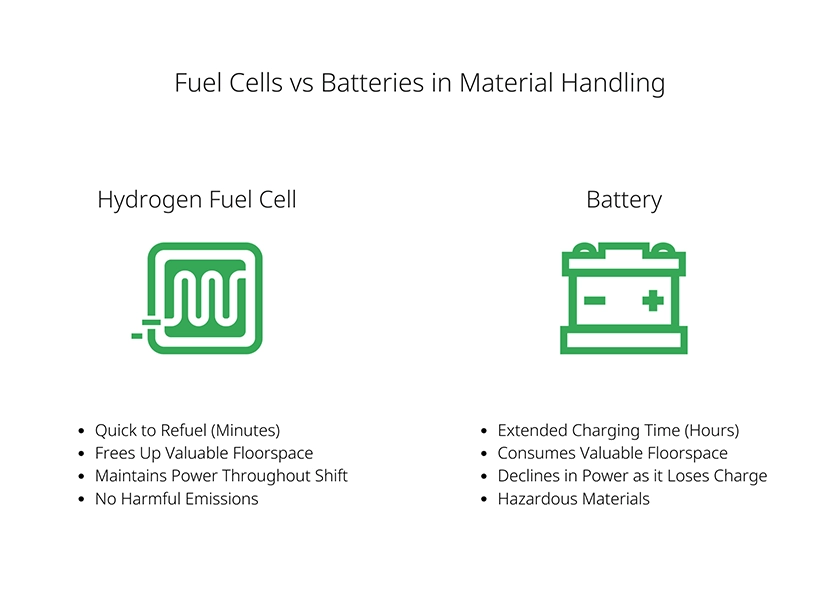
Fuel cells perform well in continuous, long-term power supply. They work better in vehicles and stationary power systems. Batteries excel in short bursts of energy and quick starts. They suit portable devices and electric cars. Energy efficiency in real use depends on many factors. Maintenance, fuel quality, and operating conditions matter. Both technologies have strengths depending on the application.
Credit: www.plugpower.com
Environmental Impact
The environmental impact of fuel cells and batteries affects their use and acceptance worldwide. Both technologies offer cleaner energy but have different effects on the planet. Understanding these impacts helps in choosing the right power source.
Fuel Cell Emissions
Fuel cells produce electricity through a chemical reaction. Most fuel cells use hydrogen and oxygen. Their only byproduct is water vapor. This means zero harmful emissions during operation. Fuel cells reduce air pollution and greenhouse gases. They help improve air quality and fight climate change.
Battery Production Footprint
Batteries need mining for metals like lithium and cobalt. Mining can harm ecosystems and use a lot of energy. Manufacturing batteries also creates carbon emissions. These steps add to the environmental footprint. New research aims to reduce these impacts by improving materials and processes.
Recycling And Disposal
Proper recycling is crucial for both fuel cells and batteries. Fuel cells have fewer toxic materials, making recycling simpler. Batteries contain heavy metals that can pollute soil and water. Recycling batteries recovers valuable metals and reduces waste. Safe disposal practices prevent environmental damage and conserve resources.
Cost Analysis
Cost plays a big role in choosing between fuel cells and batteries. Understanding the costs helps make better decisions. This section breaks down the key cost factors in both options. It covers initial investment, maintenance expenses, and long-term savings. Each part shows how costs affect overall value.
Initial Investment
Batteries usually cost less to buy at first. They are widely available and simple to install. Fuel cells need special parts and setup. This makes them more expensive upfront. The price depends on size and technology. Fuel cells often require extra equipment for fuel storage.
Maintenance Expenses
Batteries have low maintenance needs. They may need replacement after some years. Fuel cells require regular checks to keep working well. Their parts can wear out faster. Maintenance costs for fuel cells tend to be higher. Skilled technicians are often necessary for repairs.
Long-term Savings
Batteries can save money over time with low energy costs. Fuel cells use hydrogen or other fuels that can be costly. Fuel cells may last longer and provide steady power. This can reduce costs over many years. Energy efficiency also impacts overall savings in both options.
Durability And Lifespan
Durability and lifespan are crucial when choosing between fuel cells and batteries. Both power sources have strengths and weaknesses in how long they last and how well they hold up over time. Understanding these factors helps in selecting the right option for different uses.
Fuel Cell Longevity
Fuel cells often last longer than batteries in continuous use. They can run for thousands of hours without major loss in performance. The lifespan depends on the type of fuel cell and operating conditions. Regular maintenance keeps fuel cells working well for many years. They do not suffer from deep discharge problems like batteries.
Battery Degradation
Batteries lose capacity with each charge and discharge cycle. Over time, their ability to hold a full charge decreases. Heat, overcharging, and deep discharging speed up battery wear. Lithium-ion batteries degrade slower than older types but still face gradual capacity loss. This limits the total usable lifespan of batteries.
Replacement Cycles
Batteries need regular replacement after a few years or hundreds of cycles. This adds to cost and waste over time. Fuel cells usually have longer replacement intervals but require careful fuel supply. The choice depends on how often power sources must be swapped out. Fuel cells suit long-term, steady use better than batteries needing frequent swaps.
Scalability And Flexibility
Scalability and flexibility are key factors when choosing between fuel cells and batteries. Both technologies offer different strengths depending on the application. Understanding how each scales and adapts helps make the right choice for energy needs.
Fuel Cell Adaptability
Fuel cells can easily adapt to various sizes. They work well for both small and large power demands. Scaling up means adding more fuel cells in stacks. This design allows smooth increases in power output. Fuel cells also run on different fuels, which adds to their flexibility. This adaptability suits industrial and transport uses well.
Battery Modularity
Batteries are highly modular. Users can combine many small cells to build larger packs. This modularity helps in electric vehicles and portable devices. It also makes repairs easier by replacing individual cells. Battery systems can be designed for specific power or energy needs. This modular setup supports diverse applications from homes to grids.
Integration Challenges
Integrating fuel cells requires careful planning of fuel supply and heat management. Systems need extra components, which can increase complexity. Batteries, while simpler to integrate, need proper cooling and management to avoid failures. Both systems must fit into existing infrastructure, which can limit flexibility. Choosing the right system depends on the site and its energy goals.
Future Trends
The future of fuel cells and batteries holds many exciting possibilities. Both technologies evolve rapidly to meet growing energy needs. Understanding upcoming trends helps us see how they might shape energy use.
Technological Advances
Fuel cells are becoming more efficient and cheaper to produce. New materials improve their durability and power output. Battery technology also improves with faster charging and longer life. Solid-state batteries promise safer and denser energy storage. These advances make both options more practical for everyday use.
Market Growth
Demand for clean energy solutions drives market growth. Electric vehicles use batteries widely, while fuel cells gain ground in heavy transport. Renewable energy storage needs boost battery sales. Industrial and remote power applications increase fuel cell adoption. Both markets show strong growth potential in coming years.
Potential Breakthroughs
Researchers explore hydrogen storage to enhance fuel cell use. New catalysts could lower fuel cell costs significantly. Battery recycling methods improve sustainability and reduce waste. Breakthroughs in energy density could extend battery range. These developments may shift the balance between fuel cells and batteries.
Choosing The Right Power Source
Choosing the right power source is key for many projects and devices. Fuel cells and batteries both offer unique benefits. Knowing which one fits your needs helps avoid waste and saves money. Consider several factors before making a choice.
This section breaks down important points to help you decide.
Use Case Considerations
Think about how you will use the power source. Batteries work well for small devices and short trips. Fuel cells suit longer use and bigger machines. The power demand and size of your device matter. Also, check how often you can recharge or refuel.
Environmental Goals
Consider the impact on nature. Fuel cells often produce less pollution during use. Batteries need proper disposal and recycling to avoid harm. Choose the option that matches your green goals. Clean energy sources help reduce carbon footprints.
Economic Factors
Cost plays a big role. Batteries usually cost less upfront. Fuel cells may cost more but last longer and offer better efficiency. Think about fuel or charging expenses over time. Maintenance and replacement costs also add up. Balance your budget with your power needs.
Credit: www.visualcapitalist.com
Frequently Asked Questions
What Is The Main Difference Between Fuel Cells And Batteries?
Fuel cells generate electricity through chemical reactions using fuel, while batteries store and release electrical energy. Fuel cells continuously produce power as long as fuel is supplied. Batteries have limited stored energy and require recharging after use.
Are Fuel Cells More Efficient Than Batteries?
Fuel cells often offer higher efficiency for continuous energy needs. They convert fuel directly into electricity with less energy loss. Batteries have efficiency limits due to charging and discharging cycles, but excel in short-term energy storage.
Which Is Better For Electric Vehicles: Fuel Cells Or Batteries?
Batteries dominate electric vehicles due to established infrastructure and rechargeability. Fuel cells provide longer range and faster refueling but need hydrogen supply networks. The choice depends on usage, cost, and environmental factors.
How Do Fuel Cells Impact Environmental Sustainability Compared To Batteries?
Fuel cells emit only water when using hydrogen, offering clean energy if fuel is green. Batteries rely on mining rare metals and have recycling challenges. Both technologies have roles in reducing carbon footprints.
Conclusion
Fuel cells and batteries both store energy but work differently. Batteries hold energy inside and release it quickly. Fuel cells make energy by combining fuel and oxygen. Batteries are common in small devices and cars. Fuel cells suit bigger uses and longer power needs.
Choosing depends on your needs and budget. Both technologies will keep improving with time. Understanding their strengths helps you decide smartly. Energy choices matter for a cleaner future. Keep learning about new energy options ahead.